
Sport
Paska and St Paul’s are playoff ready


This week Adam Moynihan caught up with Sofia Paska, the 6’4” Toronto native who is hoping to lead St Paul’s to National League glory
Hi Sofia. Thanks for speaking to me today.
No problem. Thanks for asking.
How have you found Killarney since arriving last year?
Killarney is a refreshing change of scenery, especially for myself coming from a big city back home.
You were in Limerick before you came to Kerry?
Yes, I played for the Limerick Celtics for two years.
Tell me about your background in basketball before coming to Ireland. Has the game always been part of your life?
I started playing basketball when I was 10 years old. Once the doctor told my parents I was going to be quite tall they decided to put me into basketball. Growing up I played on club teams, school teams, and summer travel teams. I played five years of college ball at Ryerson University (Toronto Metropolitan University) in Canada, where I got my degree in Early Childhood Education and a certificate in Human Resources.
Then I went on to play professionally in Denmark before I came to Ireland.
Was a professional career always on the cards?
I only saw myself playing professionally when I was near the end of my university career. My mom and dad and coaches back home really pushed me to play overseas because it’s an experience and an opportunity that not everyone gets.
What do you think of the standard of basketball here, and the style of play?
I think the standard of play in Ireland is comparable in some aspects to how it is at home. It’s very physical and can be fast-paced at times.
What attracted you to the St Paul’s project?
I wanted to sign for St Paul’s because they were a new team in the National League and I thought that being part of a new club in a different part of Ireland would be good for me. Especially teaming up with Yuleska Ramirez Tejeda (my rival last season), I knew playing together would bring a new level of competitiveness and talent to the team.
I was also coached by James Fleming last season in Limerick and we have built a good relationship over the last couple years.
How would you sum up this season so far?
This season has been very rewarding. Coming in as a new team after not having a women's team in years, we have really showcased the talent that we have. We’re finishing the season as one of the top teams in the National League and I think that’s really great for the club.
Tell me about your teammates and your coach. What kind of relationship have you developed?
James has played a pivotal role in the team’s success. If you don’t know who he is, he’s usually the loudest coach on the sideline! He’s tough on us but he knows what we need to do to win games.
And my teammates this year have been great. We have all built a good relationship with each other and I think the relationship has gotten stronger as the season has gone on. I think we have all learned something from each other and that has helped the team to be successful.
What’s the mood like in the camp as the regular season draws to a close?
We’re all very tuned in during trainings. This Saturday we play our last game of the regular season before playoffs. It’s a big game for us - with a win Saturday we place top in the Southern Conference.
Then with playoffs around the corner we really need to improve on our strengths as a team and dial in on what we need to work on.
As it’s Women in Sport Week, I wanted to ask you about the issues facing female athletes today. What do you think is the biggest challenge for women in sport?
I would say the lack of exposure, financial support, and lack of confidence women have compared to male athletes. Female athletes at any level really go under the radar or get overlooked because they’re not advertised or acknowledged for their achievements as much as male athletes are.
I know this has been circulating the internet recently too about the wage gap between female and male athletes at any level which makes it harder for female athletes to make a living just off of playing a sport.
I also feel from my own experience that female athletes lack confidence and self-esteem when talking about themselves or comparing themselves to others. A big message to all female athletes is to believe in yourself and know your worth!
That’s great. Thanks for your time and good luck on Saturday.
Thanks Adam!
National League Division 1
St Paul’s v Moy Tolka Rovers
Saturday at 7.30pm
Pres Gym
News
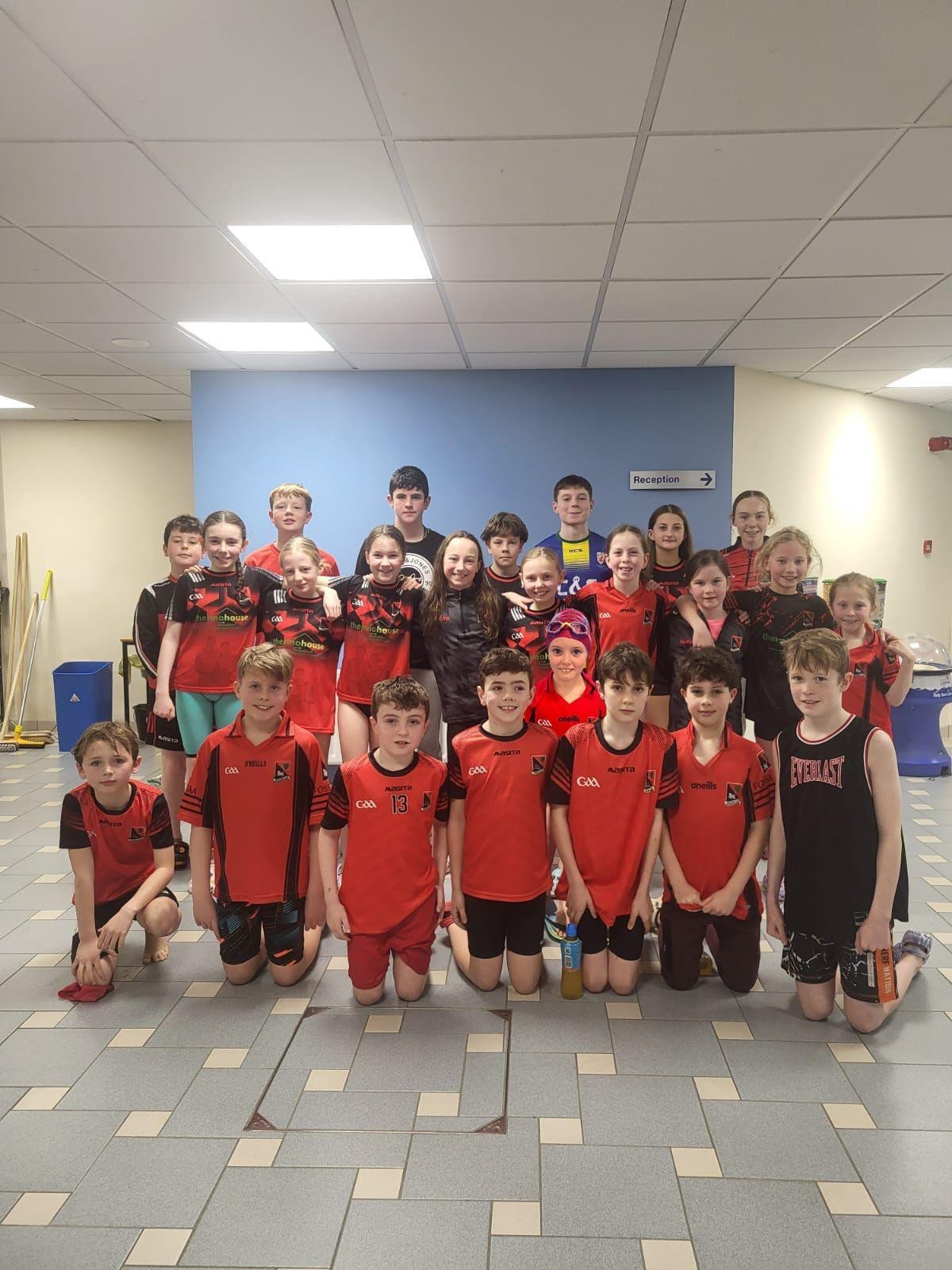
Fossa Swimmers make a splash at County Finals
The Fossa Swim team pictured at the Tralee Sports Complex following their successful outing at the County Finals of the Community Games on Sunday, February 15. The 25-strong squad delivered […]

News
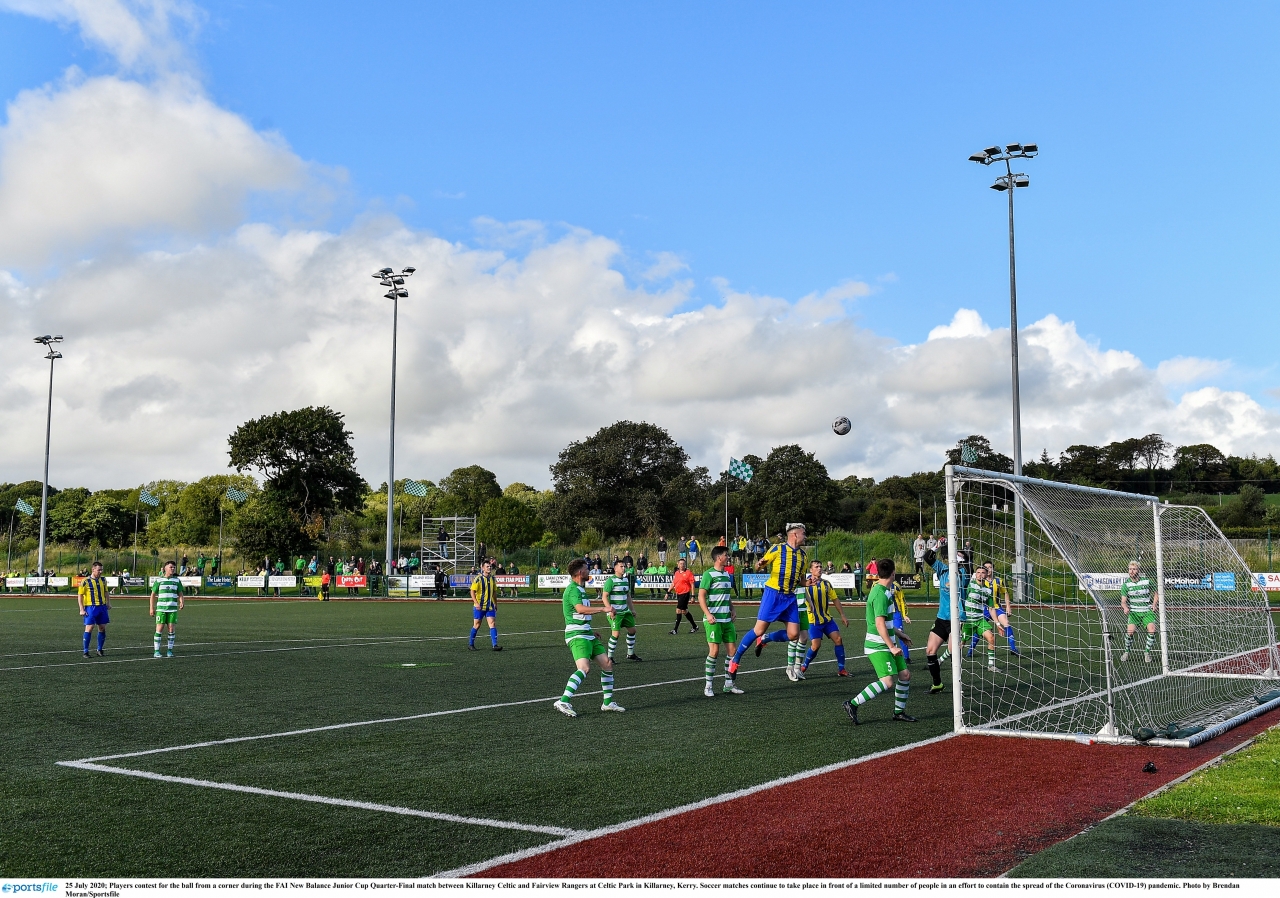
On the Ball Part 2 of the Mikey Daly Interview
Éamonn Fitzgerald EF: Killarney Celtic are invited to participate in an Irish competition. That has big financial implications for travel, meals, etc. MD: It is great to be invited, showing […]

Powerful photo display at St Mary’s brings Ukraine conflict home
A unique photo exhibition has been installed on the railings outside St Mary’s Church of Ireland in Killarney town centre,...


Beaufort Engineer honoured with national emerging leader award
Beaufort Engineer honoured with national emerging leader award Beaufort native Danny Pio Murphy has been named the recipient of the...

Pickleball Club’s record medal haul at Munster Open
Pickleball Club’s record medal haul at Munster Open Killarney Pickleball Club celebrated its most successful outing to date at the...


Women’s Shed to Host Charity Auction for Typhoon Victims
The Killarney Women’s Shed has teamed up with local nurse Chandra Arias to host a major charity auction of upcycled...

Killarney hosts 88th annual Irish Hotels Federation Conference
Hoteliers from across the country gathered at the Gleneagle Hotel this week for the Irish Hotels Federation’s (IHF) 88th Annual...
