
Sport
Injured Kerry quartet return for do-or-die showdown with Cavan


by Adam Moynihan
All-Ireland Preliminary Quarter-Final
Kerry v Cavan
Saturday 3.30pm
Fitzgerald Stadium
Key players Brian Ó Beaglaoich, Diarmuid O’Connor and Seánie O’Shea are back in Kerry’s starting 15 for tomorrow’s All-Ireland preliminary quarter-final against Cavan, with playmaker Paudie Clifford also returning to the 26.
All four were sorely missed in last Saturday’s jarring nine-point defeat to Meath in Tullamore, a result which unexpectedly left Jack O’Connor’s men in second place in Group 2. They must now earn the right to play in next weekend’s quarters by defeating the Breffni County in a straight knockout tie at Killarney's Fitzgerald Stadium.
The return of O’Connor in particular has lifted the spirits of Kerry supporters. The highly-rated midfielder has only played once since injuring his shoulder against Armagh in the league almost 100 days ago. He did feature in the Roscommon match on the opening weekend of the group phase – playing all 70 minutes – but he was a notable absentee in the subsequent fixtures against Cork and Meath.
With little to no information emanating from the camp about his status, rumours claiming that his season was over had swirled. That gossip was wide of the mark going by the Kerry line-up that was unveiled on Thursday night as the man from Na Gaeil has been selected at right half forward.
O’Shea, who was not risked against Meath due to a tight hamstring, will line out alongside O’Connor on the 40. Ó Beaglaoich reclaims his number five jersey having missed the last outing, presumably due to injury or illness.
Tadhg Morley, Micheál Burns and Tony Brosnan make way for the returning trio. It is believed that Brosnan has sustained a hamstring injury.
Three-time All-Star Paudie Clifford is fit enough for a place amongst the substitutes after sitting out the Meath defeat with a hamstring issue.
Kerry’s other changes see Seán O’Brien replacing Mark O’Shea, and Conor Geaney coming in for Killian Spillane.
Paul Geaney (shoulder) is not included in the match day squad but it is hoped that he will be back in the mix for the quarter-final if Kerry progress.
KERRY TEAM TO PLAY CAVAN:
1. Shane Ryan
2. Paul Murphy
3. Jason Foley
4. Tom O'Sullivan
5. Brian Ó Beaglaoich
6. Mike Breen
7. Gavin White (c)
8. Joe O'Connor
9. Seán O'Brien
10. Diarmuid O'Connor
11. Seánie O'Shea
12. Graham O'Sullivan
13. David Clifford
14. Conor Geaney
15. Dylan Geaney
SUBS: Shane Murphy, Dylan Casey, Killian Spillane, Tadhg Morley, Armin Heinrich, Micheál Burns, Evan Looney, Tom Leo O'Sullivan, Mark O'Shea, Paudie Clifford, Dara Moynihan.
Meanwhile, Cavan manager Raymond Galligan has made one change to his starting line-up for the trip south as midfielder Ryan Donohoe replaces Oisín Kiernan.
Gearóid McKiernan, the 34-year-old forward who has scored over 400 points for his county, is named amongst the 26 having recuperated from injury.
CAVAN TEAM TO PLAY KERRY:
1. Liam Brady
2. Niall Carolan
3. Killian Brady
4. Cian Reilly
5. Brían O’Connell
6. Ciarán Brady
7. Pádraig Faulkner
8. Ryan Donohoe
9. Evan Crowe
10. Gerard Smith
11. Dara McVeety
12. Oisín Brady
13. Cormac O’Reilly
14. Paddy Lynch
15. Cian Madden
SUBS: Gary O’Rourke, Luke Fortune, Killian Clarke, Oisín Kiernan, Jason McLoughlin, Ruairí Curran, Luke Molloy, Gearóid McKiernan, Thomas Edward Donohoe, Ryan O’Neill, Seán McEvoy.
Cavan caused an upset in Round 1 of the round robin by turning over Mayo in Castlebar. They subsequently found the going tough against Donegal (19-point defeat) and Tyrone (13-point defeat), but they scraped through to the last 12 thanks to Donegal’s dramatic late winner against Mayo on Sunday.
In the other preliminary quarter-finals, all of which take place this weekend, Dublin host Cork at Croke Park (Saturday 6.15pm), Down play Galway at Páirc Esler (Sunday 1.45pm), and Donegal welcome Louth to Ballybofey (Sunday 4pm). All four preliminaries are being streamed live on GAA+.
The four group winners – Armagh, Tyrone, Monaghan and Meath – await the winners in the quarters, which will take place the following week at Croke Park.
If Kerry manage to beat Cavan, and the other favourites also advance (i.e. Donegal beat Louth, Dublin beat Cork, and Galway beat Down), the only team Armagh can draw in the last eight is Kerry. The reigning champions would not be able to face any of the other challengers as they have already crossed paths in either the provincial final (Donegal) or the group stage (Dublin and Galway).
Of course, none of that is set in stone yet. Far from it. For now, Kerry’s full focus will be on beating Cavan – ideally without suffering further injury setbacks in the process.
News
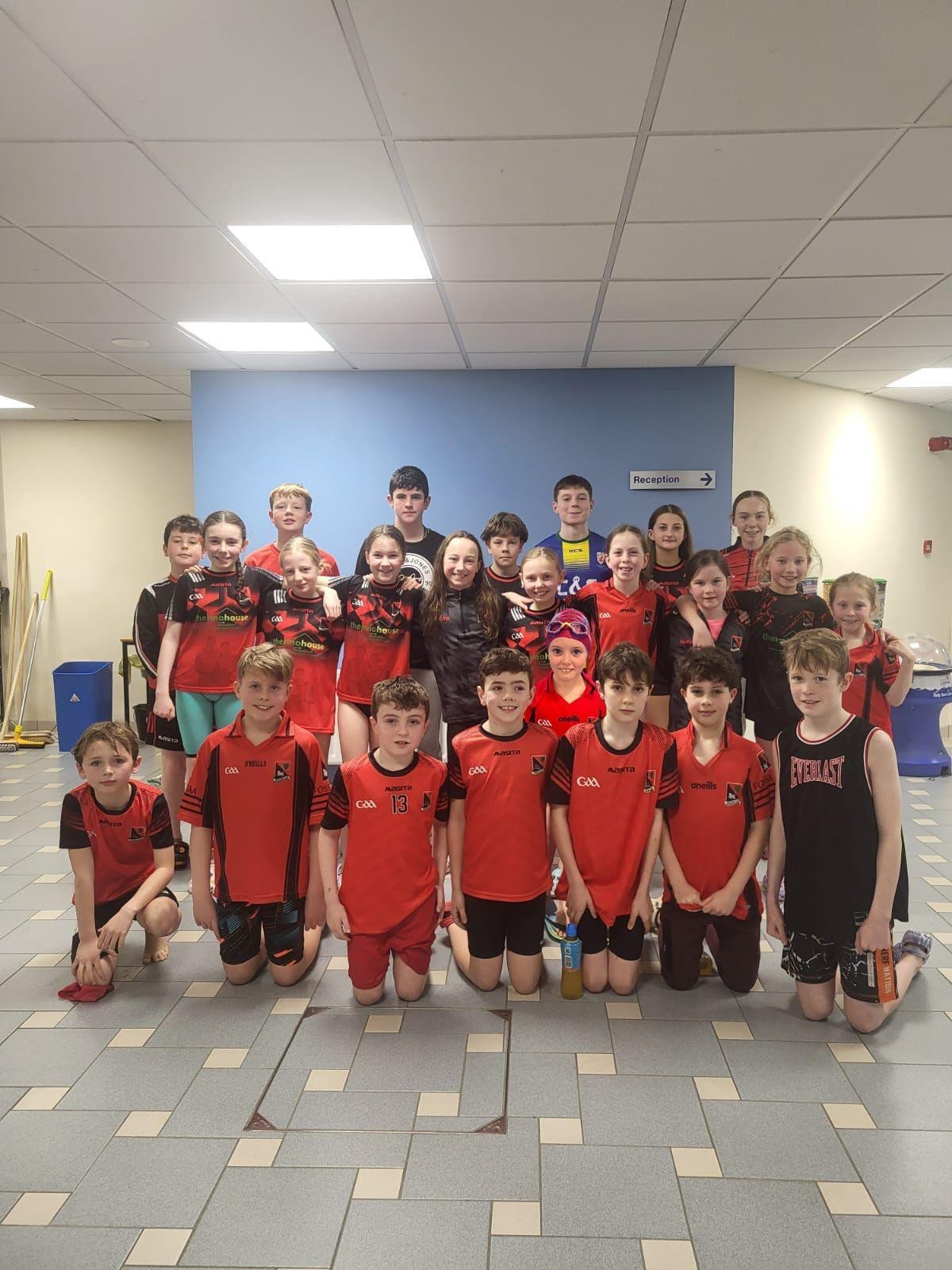
Fossa Swimmers make a splash at County Finals
The Fossa Swim team pictured at the Tralee Sports Complex following their successful outing at the County Finals of the Community Games on Sunday, February 15. The 25-strong squad delivered […]

News
On the Ball Part 2 of the Mikey Daly Interview
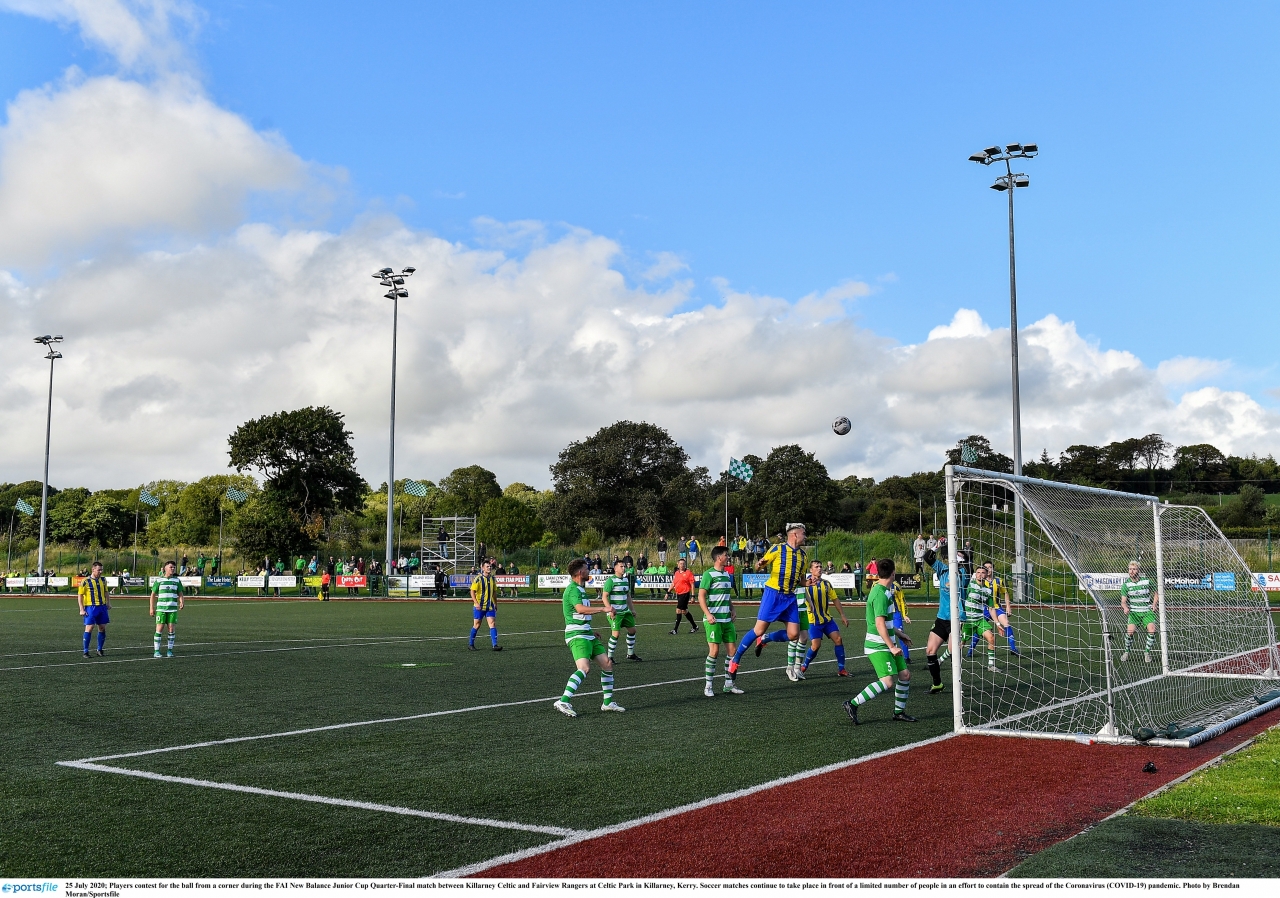
Éamonn Fitzgerald EF: Killarney Celtic are invited to participate in an Irish competition. That has big financial implications for travel, meals, etc. MD: It is great to be invited, showing […]

WEEK 14: Felicity’s Summer in Killarney
WEEK 14Felicity’s Summer in Killarney Previously: Here on Dundag it was far easier to relax than anywhere else. They had...

Frustration mounts over morning gridlock at Coolcorcoran
Frustration mounts over morning gridlock at Coolcorcoran Mounting traffic gridlock at the Coolcorcoran junction onto the N22 Killarney Bypass is...


Ailbhe Keogan scoops top television writing award
Acclaimed Kerry screenwriter Ailbhe Keogan has won the Best TV Drama Script award at the 19th Writers’ Guild of Ireland...


Strong turnout for St Paul’s Golf Classic at Beaufort
After a recent spell of indifferent weather, glorious sunshine and a gentle breeze greeted 35 teams at Beaufort Golf Course...

€150,000 granted to draft masterplan for St Finan’s site
Kerry County Council has been awarded €150,000 in government funding to progress a Masterplan and Infrastructure Delivery Plan for the...
