
Sport
Adam Moynihan: Fair play to Celtic but what does their reign say about Kerry soccer?


I know all about how good Killarney Celtic are. I’ve played against them more times than I’d like to remember and I’ve seen first hand how talented and committed their players and officials are.
They deserve all the silverware they’ve amassed over the past five years and nothing I’m about to say here is to take away from that success.
But there’s no escaping the fact that one team dominating a competition is not the sign of a healthy competition. Monopolies are bad and they sometimes bring to light broader issues within the game.
Celtic’s stranglehold over Kerry soccer is no different. Following last week’s victory over Camp, they have now won four consecutive league and cup doubles. And it’s not just the trophies, it’s the manner in which they’re securing them. This season they won every single one of their 14 league games and finished 19 points clear of their closest rivals, Killarney Athletic. They secured twice as many wins as Athletic and scored twice as many goals.
The format of the league – which is decided by a final playoff between the top two regardless of points totals – gives off some semblance of jeopardy, but Celtic are invariably overwhelming favourites regardless.
The main question is: where are the other big clubs in all this? First let’s turn our attention to Tralee, Kerry’s biggest town and the traditional home of soccer in the county.
Despite Celtic’s recent haul, Tralee Dynamos are still the Kerry District League’s most decorated club. While they weren’t a million miles off second place this season, they have flirted with relegation in the recent past and their last league title came in 2015.
The third most successful club in Kerry, St Brendan’s Park (also of Tralee), were forced to drop out of the Premier Division in 2017 due to a lack of numbers at senior level. This came as a shock to many observers considering their solid underage structure.
They were repositioned to the bottom division and they have since been working their way back up the pyramid; next season they will play in the Premier B, i.e. the second tier. Park’s most recent Premier A title came in 2012.
There are a number of factors that could explain the demise of the traditional Tralee clubs, but the amount of senior teams now drawing players from the Tralee area is surely one of them. There are currently nine teams from the town in the Kerry District League and eight more in the area (roughly) between Tralee and Listowel. The vast majority use Mounthawk Park, the league's headquarters, as their home pitch.
Suffice to say footballers from this general area now have plenty of options when it comes to choosing a club.
Nine does seem like a lot for a town of Tralee’s size. For comparison, there are six clubs in the whole of East Kerry. The end result is that you effectively have all of the talent in Tralee town spread out across nine teams. In Killarney that number is two (or three if you include MEK Galaxy who train in Fossa and also attract some players from the town).
Meanwhile, Dingle Bay Rovers, the last team outside of Killarney to triumph in the Premier A, now find themselves in Division 1B, i.e. the fourth tier.
As for other competitors, my own club Killarney Athletic are tipping away and getting to finals (we were the last team besides Celtic to win the league, in 2017) and Castleisland tend to be competitive, as do Listowel. But, in truth, the gap between Celtic and the chasing pack is wide.
Getting players to commit is a major challenge for every club and if players aren’t committing then closing that gap becomes very difficult indeed. Kind of knowing that Celtic are going to run away with it every year doesn't help in that regard.
Another reoccurring issue that keeps coming up in conversations with stakeholders is the way fixtures are scheduled. Whereas most sporting bodies set their fixture schedule at the start of the season, or at least on a competition-by-competition basis as the year goes on, the KDL still arranges its fixtures on a weekly basis.
That makes it impossible for players to plan ahead with regards to work, holidays, or social events. I should know. It’s precisely why I stepped away from Athletic earlier this season. (No great loss, says you.)
The fixture uncertainty also breeds crazy situations like the one we’re seeing right now as one season runs from September to August, and the next season starts up again in September.
The league will argue that changing the system won’t work but I would argue that the current system isn’t working either. So what have they got to lose?
News
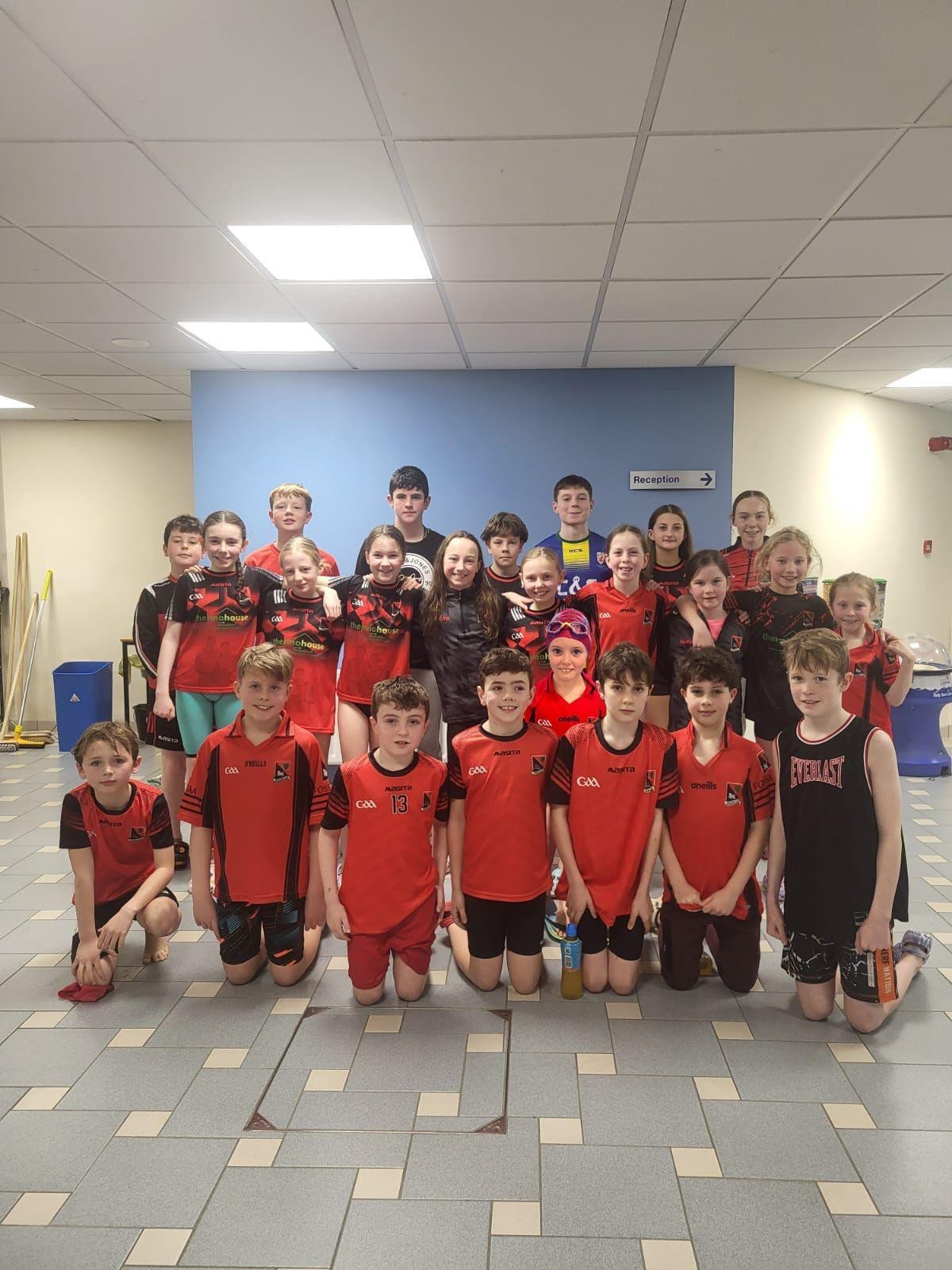
Fossa Swimmers make a splash at County Finals
The Fossa Swim team pictured at the Tralee Sports Complex following their successful outing at the County Finals of the Community Games on Sunday, February 15. The 25-strong squad delivered […]

News
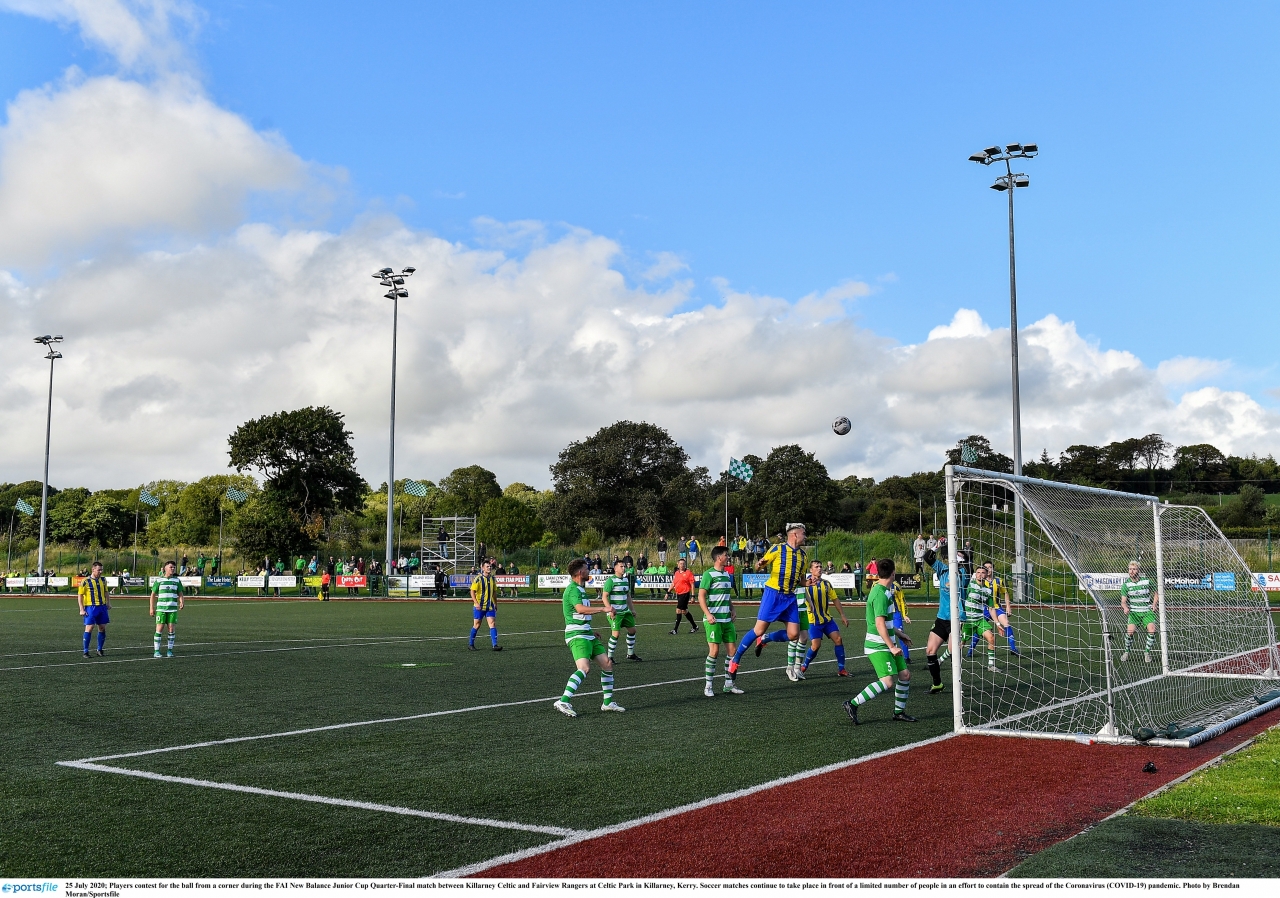
On the Ball Part 2 of the Mikey Daly Interview
Éamonn Fitzgerald EF: Killarney Celtic are invited to participate in an Irish competition. That has big financial implications for travel, meals, etc. MD: It is great to be invited, showing […]


Oscar Fever as Jessie goes to Hollywood
Killarney is in the grip of ‘Oscar fever’ this week as the town rallies behind local star Jessie Buckley ahead...

Killarney rail journeys hit all-time high
Killarney rail journeys hit all-time high Rail travel on the Tralee to Cork/Dublin line, which serves Killarney station, reached a...

Wander Wild Festival announces expansions for 2026
The organisers of the Wander Wild Festival have officially announced a significant expansion to this year’s schedule, introducing over 40...

Rathmore to light up the stage at Lip Sync launch
Rathmore Ravens Basketball Club is taking to the spotlight with the launch of its brand-new lip sync event, Lights, Lyrics,...


Glenflesk Dancers secure East Kerry Scór na bPáistí title
The Glenflesk figure dancing team of Clodagh McSwiney, Rebecca O’Donoghue, Rachel O’Donoghue, Emily McMahon, Seoidín Dunne, and Paddy MacGillicuddy, pictured...
