
News
Being robbed by the bank


By Michael O’Connor from theislandinvestor.com
This week, inflation in Europe hit 10.7%. Just 12 months ago, this figure was 4.1%.
Painfully high energy and food prices continued to push inflation to record levels. Over the past 12 months, energy prices rose by 41.9%, while food prices increased by 13.1%. With Russia's withdrawal from an agreement that allowed grain exports from Ukraine, grain prices are likely to go up even more.
Of course, we don't need to be told the exact figures. We can see it all around us; the food we buy, the bills we pay.
The precarious balancing act that the ECB now faces is too layered a discussion point for this short article, but it is a fight they are currently losing.
Statements from the IMF this week reiterate this point.
"European policymakers face severe trade-offs and tough policy choices as they address a toxic mix of weak growth and high inflation that could worsen."
As the outlook worsens, the knee-jerk reaction may be to do nothing. But this is not the answer.
One point I have been trying to press home with clients lately is - the price of inaction in the current inflationary environment is immense.
In economics, the Fisher Effect is the tendency for interest rates to change to follow the inflation rate. As inflation rates rise, so too should interest rates, or at least this was the case before the mass amounts of credit in the system made this an unviable option.
Historically, the Fisher Effect held true. In the late '70s, inflation ripped through economies and in turn, interest rates rose to nearly 20%. Those battling inflation had the ability to offset these rising prices by simply leaving their money accumulate the higher interest rates available in their savings accounts at the bank. Doing nothing was an option.
Since then, things have changed. Bank interest rates in the US reached an all-time high of 20% in March of 1980 before a precipitous decline brought interest rates to a record low of 0.25% in December of 2008. Europe took it a step further and introduced negative interest rates.
Despite the changing narrative, the old belief that 'your money is safe in the bank' still rings true for many. Unfortunately, the residual advice of a previous generation who benefited from a different economic framework muddies the clarity for many trying to save in this new environment.
What worked for your parents won't work for you. A lot has changed. Simply putting away a little money every week into a savings account isn't enough anymore if you want to be able to function as an independent adult. It's a harsh reality, but it's true.
What you are saving for is rising in price faster than you are saving, so you need to do something to tie yourself to these higher prices.
Take the first step
They say the price of inaction is far greater than the cost of making a mistake. This is especially true for so many investors in the current market.
On average, the stock market has returned roughly 10% annually since 1974. A far more enticing return than the pennies on offer in your savings account.
You don't need to make a huge decision regarding your life savings all at once. Focus on finding an investment better than your current deposit account and work from there.
Start small but start now. After that first step, it all gets a little easier.
Doing nothing is no longer an option.
If you have any questions, scan the QR code above and reach out. Always happy to help.
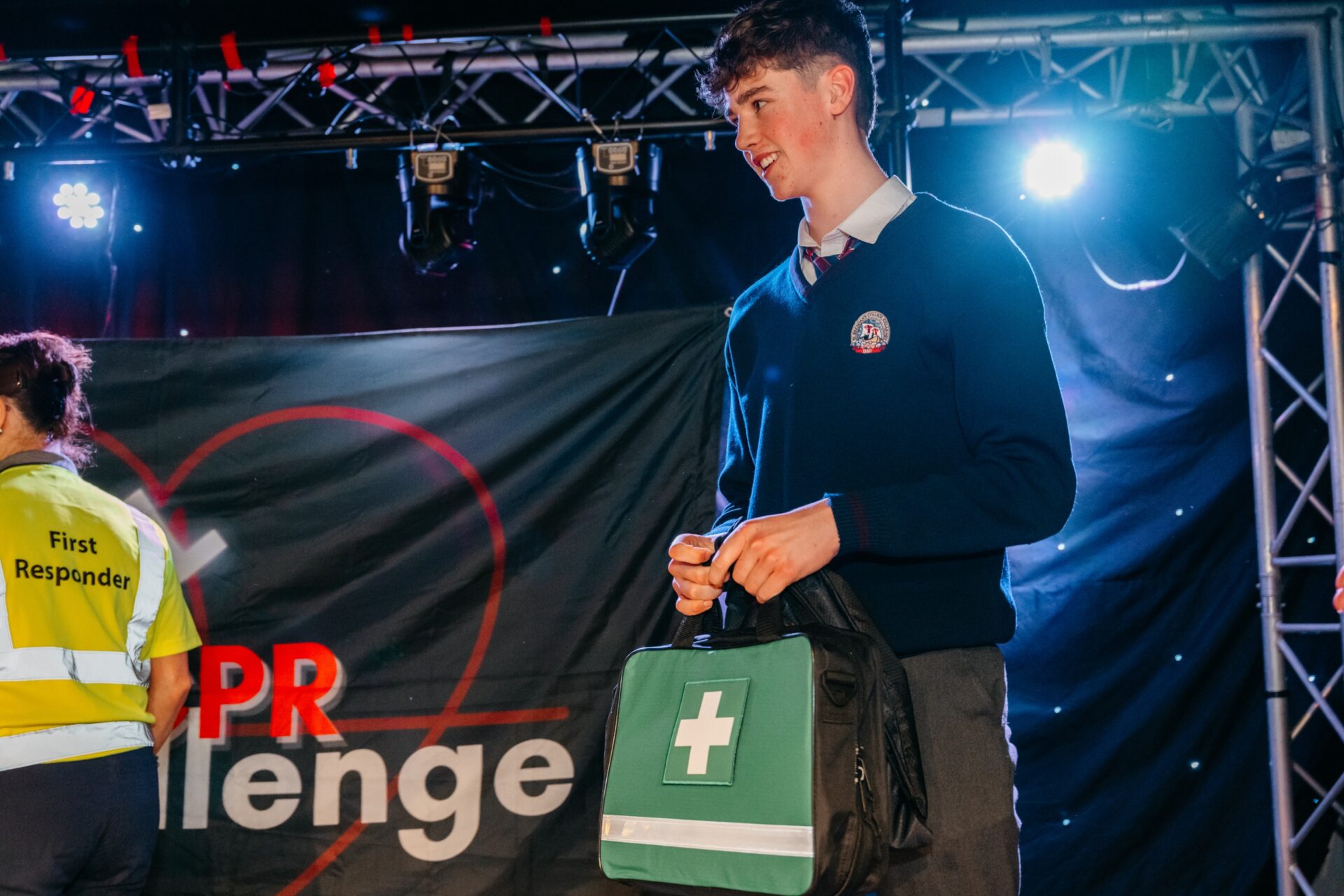

St Brendan’s student Aodhagan O’Sullivan crowned CPR champion
Aodhagan O’Sullivan, a student at St Brendan’s College, Killarney, has been named the 2026 School CPR Challenge Champion. The prestigious...
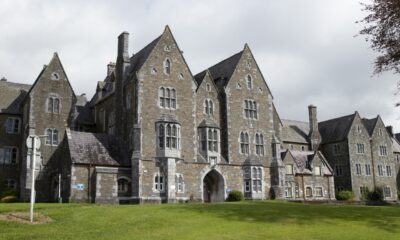

Cllrs demand meeting with HSE property officials
Killarney councillors are seeking an urgent face-to-face meeting with the HSE to prevent the town’s health infrastructure from falling into...


Maggie’s Montessori supports National Pyjama Day
The usual morning routine was swapped for slippers and dressing gowns at Maggie’s Montessori last Friday as the children took...


Incredible value at Paco warehouse clearance
Paco Clothing is to open a second shop at the Killarney Outlet Centre for March and April – and the...


Tourism Ireland CEO Outlines Global Strategy at KTIF Tourism Day
The CEO of Tourism Ireland, Alice Mansergh, was in Killarney on Tuesday of this week to address tourism leaders from...
