
News
In with the new…


Adam Moynihan was in Croke Park as the FRC unveiled their plans for the future of Gaelic football (and he liked what he saw)
At GAA HQ on Saturday night, as the clock ticked down to 0.00 at the end of the first quarter, the newly-introduced hooter burst into life and bellowed loudly around the mostly empty stadium. The tremendous noise almost startled the poor man in front of me out of his seat. The way Gaelic football has been going, maybe a shock to the system is exactly what we need.
There was a giddy atmosphere at Croker for the Inter-Provincial decider between Connacht and Ulster; I think we were all genuinely excited to see the Football Review Committee’s new proposals in the flesh.
The game itself was great fun, particularly in the closing minutes as Connacht snatched a draw before losing a comically bad penalty shootout. But that part was unimportant. The weekend’s matches were a showcase for the possible new rules and they were a resounding success in that regard. Of course that comes with the caveat that there was nothing really at stake and we won’t be able to properly judge the amendments until they’re trialled in competitive games.
With all that being said, I was very encouraged by what I saw. The 3v3 in each half of the field is a real game changer and of all the proposals on the table, I believe this is the most important.
The return to a more traditional shape with attacking players being stationed up the pitch made such a huge difference. Firstly, it prevented teams from implementing a blanket defence with 15 behind the ball. They could still bring back 12 - the change will not signal the end of the low block - but there was more space for attacking teams to exploit. And when the defenders forced a turnover and looked to transition to attack, they immediately had targets to aim at in the other half of the pitch.
All told, it led to quicker attacks, more kicking, and less possession-based football. Isn’t that exactly what we’re after?
TWO-POINTERS
As for the new scoring format, with goals being worth four points and shots from outside the 40-metre arc being worth two, the latter worked a lot better than the former. In fact, as I was writing this piece on Wednesday it was reported by Maurice Brosnan in the Irish Examiner that the four-pointer is being scrapped.
The two-point arc is a nice addition and, for me, anything that encourages guys like Rian O’Neill to shoot from distance more often is a plus.
Awarding two points for frees and 45s has been criticised by some and I agree on the 45s – in fact, it now appears that they will revert to one point – but the frees cannot be worth one if the arc is kept.
Picture the scene: it's the 2025 All-Ireland final. Shots outside the arc count for two points but frees count for one. Kerry are down by two. It’s the last play of the game. Seánie O'Shea receives the ball outside the arc and is about to go for a two-pointer to level the scores… What are the defenders going to do? Foul him. They know the one-pointer from a placed ball is no good to Seánie in that scenario. Therefore, you are encouraging cynical play by not making frees worth two.
If you think two-point frees from the edge of the arc are handy and the reward is too great, the solution is pretty simple. Don't foul around the edge of the arc.
OTHER CHANGES
The new kickout format, with the ball having to travel beyond the 40-metre arc, worked pretty well. There was a noticeable increase in contests. It was nice seeing Stephen Cluxton getting a bit rattled in the first game on Friday as he seemed to struggle to find his man. Pity it's 10 years too late.
One rule that might need some tweaking is the one pertaining to where on the pitch the keeper can receive the ball from a teammate. While banning the pass to the goalkeeper in his own half is a definite improvement as it cuts out the cowardly backpass (which in turn was leading to boring periods of uncontested possession), there is a loophole. The keeper can now only receive the ball from a teammate in the opposition half and when he gets up that high, as Niall Morgan did for Ulster on Saturday, the attacking team then have a 12v11 outfield advantage. This will undoubtedly lead to more piggy in the middle stuff.
It’s a definite sticking point and it could result in a more severe amendment to the rule, potentially signalling the end of passes to the goalkeeper entirely.
The solo and go is another ‘yes’ for me. We didn’t see as much of it as I expected over the weekend but it’s simple and it speeds up the game. The 50m penalty for dissent and for not handing the ball to an opponent when it’s their free are also positive steps.
One major rule ‘enhancement’ that we didn’t see in action, probably because there was nothing at stake in the games, was the new interpretation of the black card. If the FRC have their way, stopping an attack by holding a player (not just by pulling them down) will result in a sin-binning. That’s a necessary change in my opinion.
There are several other suggestions in the FRC’s masterplan and after witnessing them first-hand, I would be in favour of trialling basically all of them in the league next year, with some amendments and omissions as suggested above.
If they need further tailoring then or if they’re not fit for purpose, so be it. But change is badly needed and the vast majority of what I saw was smart, progressive and at least worthy of further exploration.
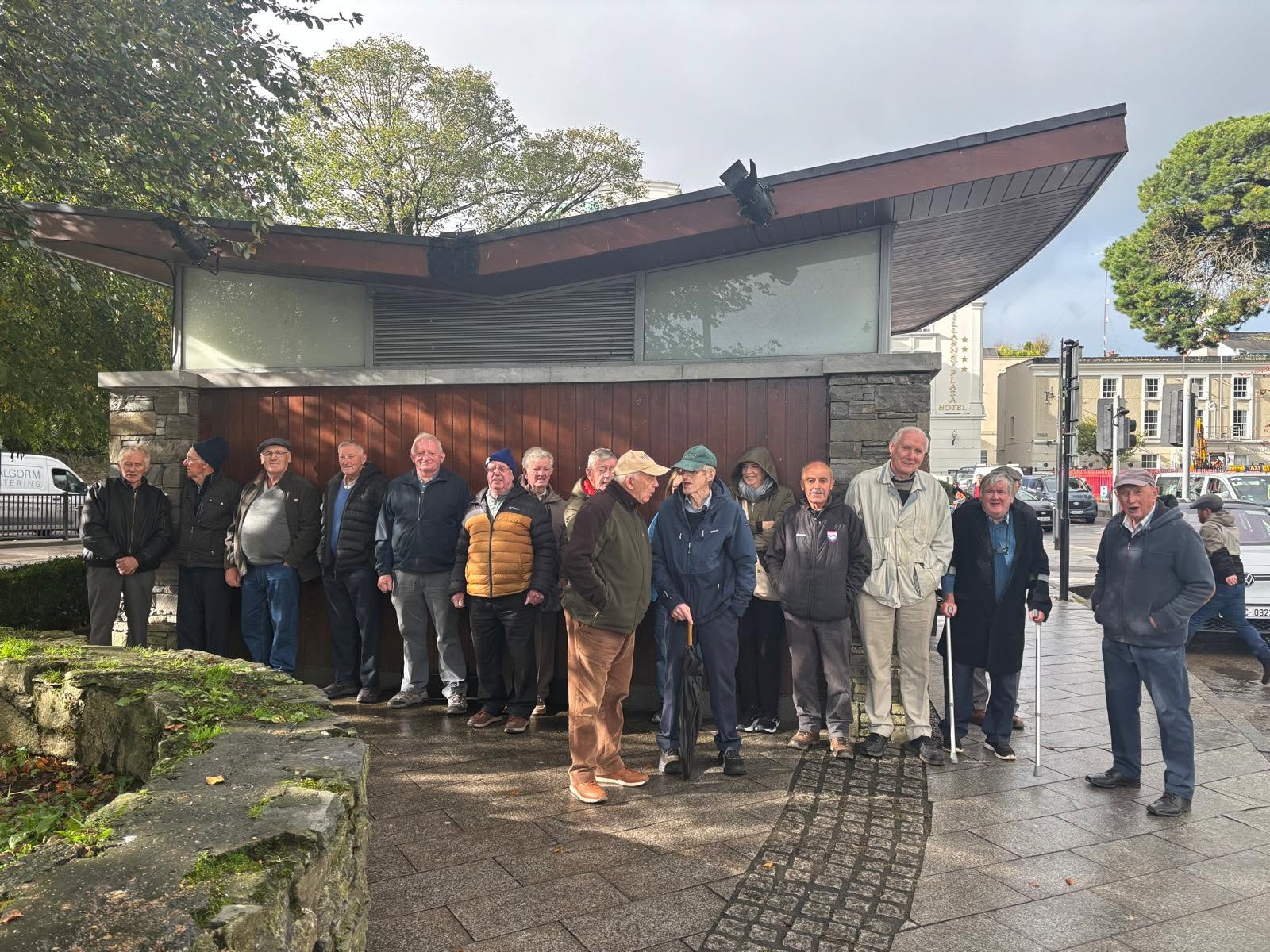
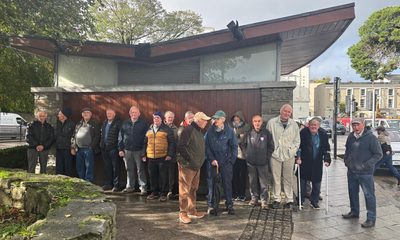
Kilcummin Men’s Shed goes jaunting!
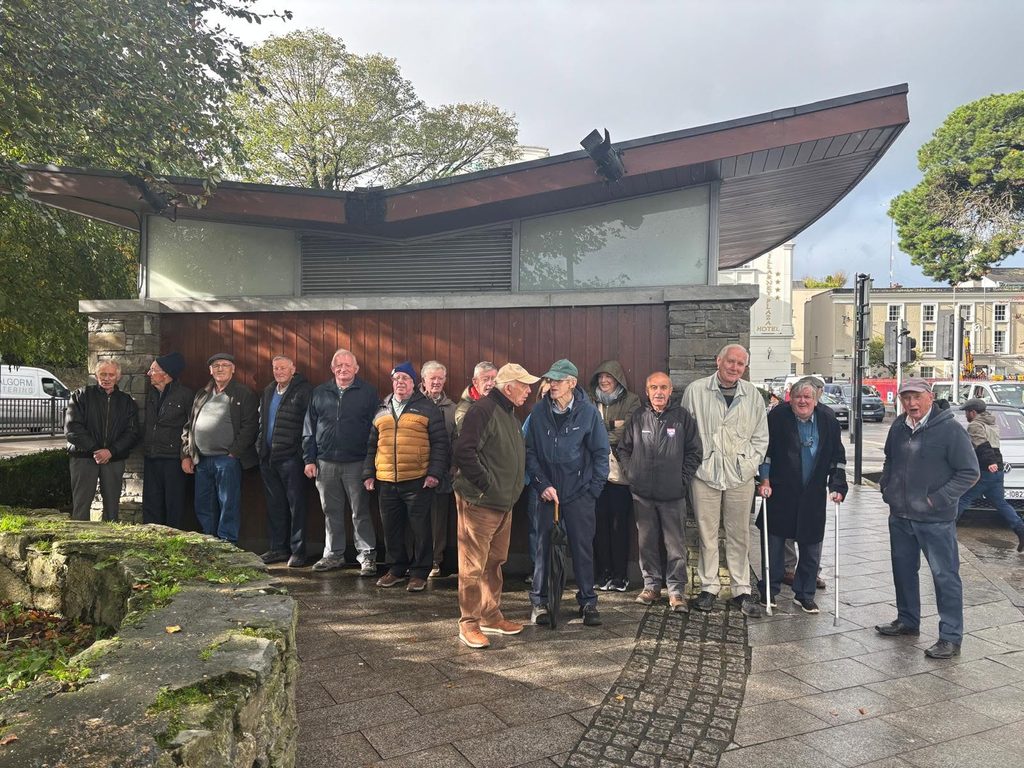
Three jaunting cars, a gang of Kilcummin characters, two unsuspecting Americans and a few amorous stags. What could go wrong?
There was no shortage of horsepower, laughs or local characters when Kilcummin Men’s Shed descended on Killarney for a memorable morning out on Friday, October 16.
Swapping their usual surroundings for something more traditional, the lads climbed aboard three jaunting cars at the Ha-Ha before setting off through Killarney National Park.
Wrapped up in blankets and looking every inch the distinguished gentlemen, the group enjoyed the spectacular autumn scenery, fresh air and plenty of good-natured banter.
Of course, their timing couldn’t have been better. With the deer rutting season in full swing, Killarney’s famous red stags were busy roaring, strutting and competing for female attention.
Some of the Kilcummin lads reportedly recognised similar behaviour from their younger days, although others wisely maintained a dignified silence!
But the real entertainment began when one carriage picked up two American tourists from Utah.
The visitors had presumably expected a peaceful journey through Killarney’s beautiful countryside, perhaps with a bit of local history and some wildlife spotting.
Instead, they found themselves sharing a carriage with members of Kilcummin Men’s Shed, a group well able to provide their own unique brand of Irish entertainment!
Quite what the Americans made of their unexpected travelling companions remains unknown, but they’ll certainly have a story to bring home.
Meanwhile, the horses patiently carried their cheerful passengers through the park, while the camera captured plenty of smiles, laughter and a few poses worthy of a royal procession.
By the time the three-carriage convoy returned to the Ha-Ha, everyone was delighted with their morning’s adventure.
The group thanked the jarveys, their hardworking horses and everyone involved in organising the outing.
Beyond the laughs, the excursion highlighted the friendship, companionship, and community spirit at the heart of Kilcummin Men’s Shed, where getting together and enjoying life matter most.
As the lads proudly declare, “Growing old is compulsory, but growing up is entirely optional!”
As for the two Americans, nobody knows whether they’ve recovered from their unexpected introduction to Kilcummin humour. One thing’s certain: they got considerably more than the standard sightseeing tour!
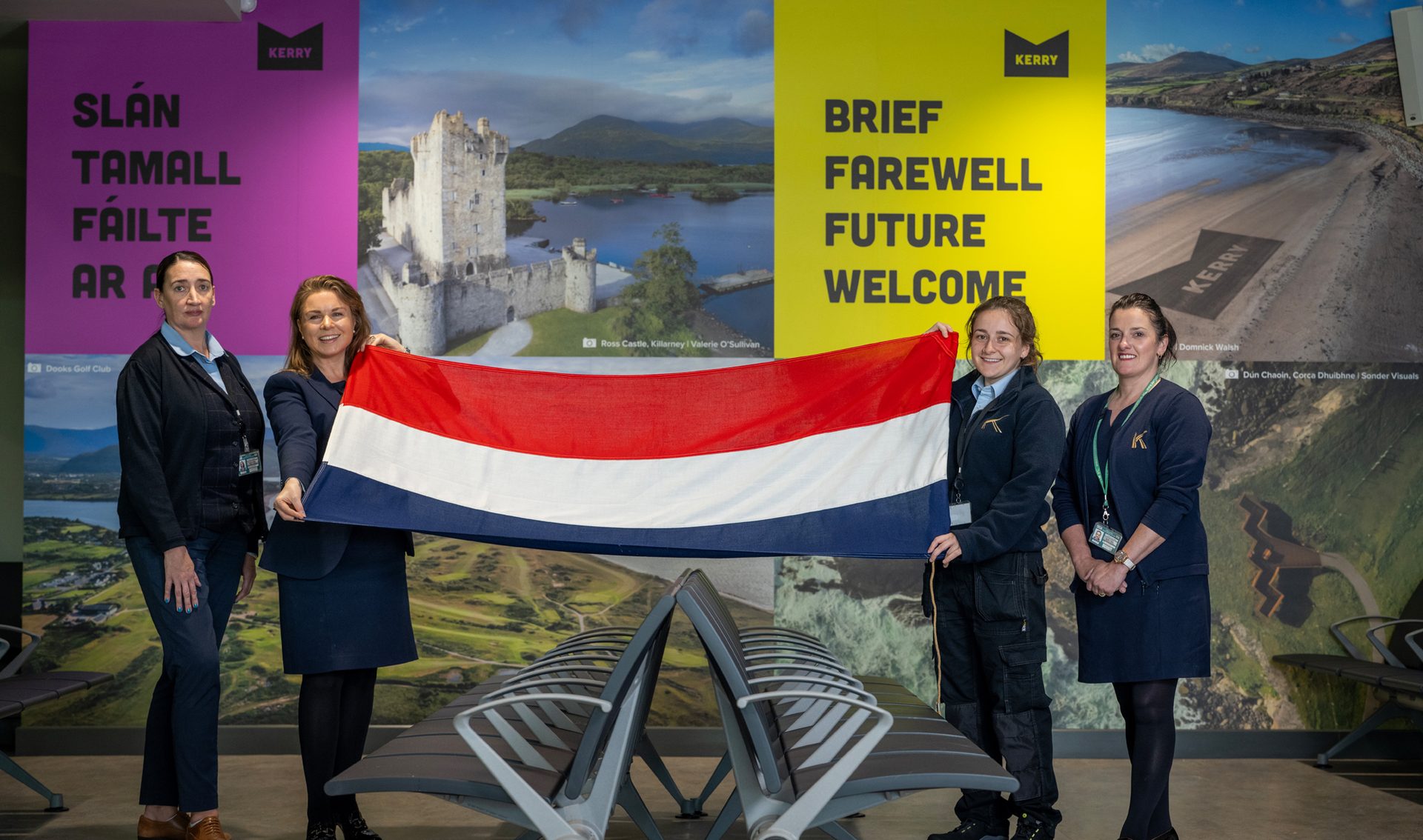
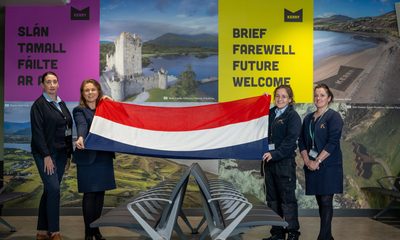
New Dutch flights to connect Groningen and Kerry Airport
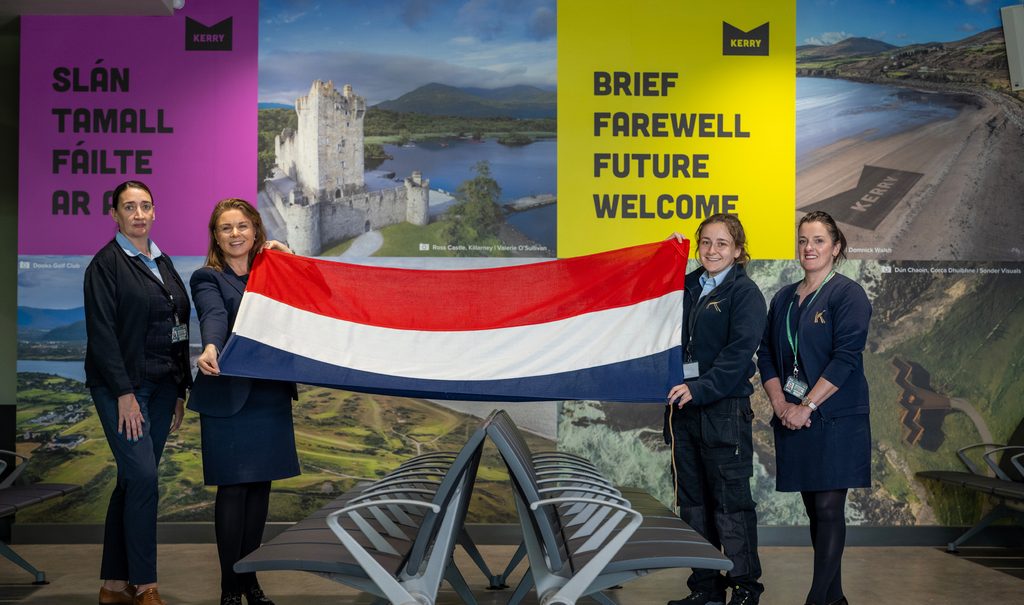
Tourism across Kerry is set for a boost following the announcement of direct charter flights from the Netherlands to Kerry Airport for the 2027 summer season.
Dutch tour operator BBI Travel will introduce weekly flights from Groningen Airport Eelde to Farranfore every Thursday from April 29 to September 6, 2027. The service will be operated by regional carrier Sky Alps using its fleet of aircraft.
The announcement comes following strong passenger growth at Kerry Airport, which handled 440,367 passengers in 2025 before recording a further 12 per cent increase during the first six months of 2026. The new European link will provide direct access for Dutch tourists visiting Killarney National Park, Muckross House, and the wider Wild Atlantic Way route.
BBI Travel, which has specialised in Irish travel packages since 1963, will offer combined flight, accommodation, and car hire packages. The service will run alongside the operator’s existing Monday flights to Ireland West Airport Knock, allowing open-jaw itineraries across the west coast.
Welcoming the new route, Kerry Airport Customer Service Manager Evelyn Crowley said:
“We are delighted that BBI Travel has chosen Kerry Airport as its new destination for 2027. BBI Travel has an excellent track record and more than 60 years’ experience in bringing visitors to Ireland, so this new partnership is a significant vote of confidence in Kerry and the wider south-west as a destination for Dutch holidaymakers.
“The great advantage for passengers is that they arrive right in the heart of Ireland’s tourism capital. Kerry Airport is just 15 minutes from Killarney and Tralee, on the doorstep of the spectacular Ring of Kerry and within 50 minutes of Dingle and the Wild Atlantic Way.
“Our new state-of-the-art Arrivals Hall, with modern baggage handling and passport control facilities and our staff will provide a warm and efficient welcome from the moment passengers land in Kerry.
“That convenience continues on the journey home, with a short and efficient trip through security into our spacious and comfortable Departures Lounge. Passengers can enjoy a local tipple in Peig Sayers Bar or a snack in the Sky Bar before boarding their direct flight back to Groningen.
“We look forward to working with BBI Travel and welcoming their passengers to Kerry in 2027.”
Packages and flights for the 2027 summer schedule are expected to go on sale through BBI Travel in the coming months.

Kilcummin Men’s Shed goes jaunting!
Kilcummin Men’s Shed goes jaunting! Three jaunting cars, a gang of Kilcummin characters, two unsuspecting Americans and a few amorous...

New Dutch flights to connect Groningen and Kerry Airport
New Dutch flights to connect Groningen and Kerry Airport Tourism across Kerry is set for a boost following the announcement...


Eoin Cashman named Kerry’s sole Naughton Scholar
Eoin Cashman named Kerry’s sole Naughton Scholar Scoil Phobail Sliabh Luacha student Eoin Cashman has been honoured as County Kerry’s...

KWD Recycling shortlisted for national environmental awards
KWD Recycling shortlisted for national environmental awards Killarney-based KWD Recycling has been announced as a finalist in the 2026 Repak...

Drivers warned as deer rutting season begins
Drivers warned as deer rutting season begins Motorists in Killarney are being urged to exercise extreme caution as the annual...
