
Sport
Forget ‘gegenpressing’ – defensive discipline and attack-minded forwards made the difference


Some people might tell you that Kerry’s eye-catching performance last Saturday came about because of an overhaul in their tactical approach.
A certain outspoken pundit wrote that Kerry have “seen the light” by adopting a high-pressing defensive structure (‘gegenpressing’), a system which is aimed at regaining possession high up the field.
To be honest, I didn’t see much evidence of that in Tralee the last day. Certainly not in terms of formation. Yes, Kerry put the squeeze on Galway, but only in certain situations.
At times, Peter Keane's side had two men forward when they were defending. At times, they had one. But plenty of times they didn’t have any, and all of the forwards retreated behind Galway's 65, just as they did in that disastrous match against Cork. The fact that Kerry pushed up and put pressure on Bernard Power’s kickout was also cited as a key factor last weekend, the implication being that they didn’t do that against Cork. But they did.
For me, there were a few crucial differences between the previous outing and the Galway game.
DEFENCE
First of all, Kerry’s defensive discipline was excellent, which could not be said of their poor showing last November. Although they had plenty of bodies back against Cork, their opponents found it far too easy to punch holes. On a number of occasions runners weren’t tracked, which is criminal at this level. And even when Kerry’s defenders were in position to defend, they conceded far too many frees (even making allowances for the brutal conditions).
At one stage against Galway, Seán O’Shea was in a defensive situation, facing up an opponent. In the relative silence of an empty Austin Stack Park you could hear Peter Keane shouting, “Don’t buy anything! Don’t buy anything!” O’Shea stood his ground and didn’t commit himself – while still applying pressure – and ultimately he forced his man away from danger.
Across the board Kerry tracked, got into position, stood tall and, crucially, stayed disciplined. Half of Cork’s points came from frees on that awful night in Páirc Uí Chaoimh. Galway only scored three frees, and one of those wasn’t scorable until it was brought forward when Paudie Clifford got involved with Damien Comer.
Galway’s forwards are potentially lethal on their day but through tenacious hard work and self-control, Kerry effectively silenced them throughout.
ATTACK
The second important factor in Kerry’s performance was the inclusion of Paul Geaney and Paudie Clifford in the forwards. The latter slotted in seamlessly on his first start, registering 1-2 and laying on several scores for his teammates.
Paudie is fiercely competitive and he’s also a very spiky character, which has earned him a bit of a reputation. But, for me, it was nice to see that he didn’t tone that down for the Kerry senior footballers. Some newcomers might keep the head down to some extent and let the experienced players take the lead but Paudie was his usual influential self, getting stuck in and doing plenty of talking. Kerry have been crying out for that bit of fire, although I’m sure Peter Keane will have gently reminded him to pick his battles (see the aforementioned incident with Comer, which cost Kerry a point).
Having Paudie on the half forward line makes a huge difference because his first instinct when he receives the ball is to get it in fast to the dangermen. His range of passing is superb and if a long diagonal into the brother is on, he’ll take that option a hundred times out of a hundred.
He also has the composure and guile to finish when he gets into scoring positions himself. Compare and contrast his goal against Galway with Brian Ó Beaglaoich’s missed opportunity against Cork. I don’t want to be too critical of Brian because anyone can miss a chance but it goes without saying that, statistically speaking, it’s better to have a natural forward bearing down on goal than a natural defender.
Incidentally, Ó Beaglaoich had a fine game against Galway at No. 2, so switching him back to the backs was a win-win.
Paul Geaney might not have set the world on fire the last day but I think there was enough evidence there to suggest that he can carve out a new role for himself out around the half forward line. Like Paudie Clifford, his first option is always a forward pass, and his kick passing is delightful. Teammates always said that Alan Shearer was one of the best crossers they ever played with because he knew exactly what kind of ball the attacker wanted. Another player in that mould, Harry Kane, also racks up the assists. A player like Geaney, who is better known as a finisher, could well fall into the same category.
And, truth be told, with David Clifford and Killian Spillane in the full forward line, and Tony Brosnan to come back in as well, Geaney might need to reinvent himself just to get a look-in.
Having ballers like Paudie Clifford and Geaney (and, of course, Seán O’Shea and Dara Moynihan) pinging balls into our inside forwards is a game-changer. Crucially, those attack-minded forwards are also willing to put in the hard yards going back the other direction.
HUNGER
As much everyone in the camp tried to play down the significance of this match, both before and after, it was clear that the players were very anxious to perform well. You could see it in their demeanour and how they reacted to the goals in particular. They wouldn’t be dishing out high fives and punching the air in a pre-season challenge match, let’s put it that way.
When Bernard Power failed to clear the 20-metre line with a second-half kickout, David Clifford celebrated like a hurler who had just won a free out. Last week, Paul Murphy spoke about a “savage hunger among the group”. On the evidence of last Saturday, he wasn’t lying. There certainly seemed to be a renewed sense of purpose about the team.
They won’t be getting carried away with themselves just yet (and we shouldn’t either), but it was a very encouraging first step.


News
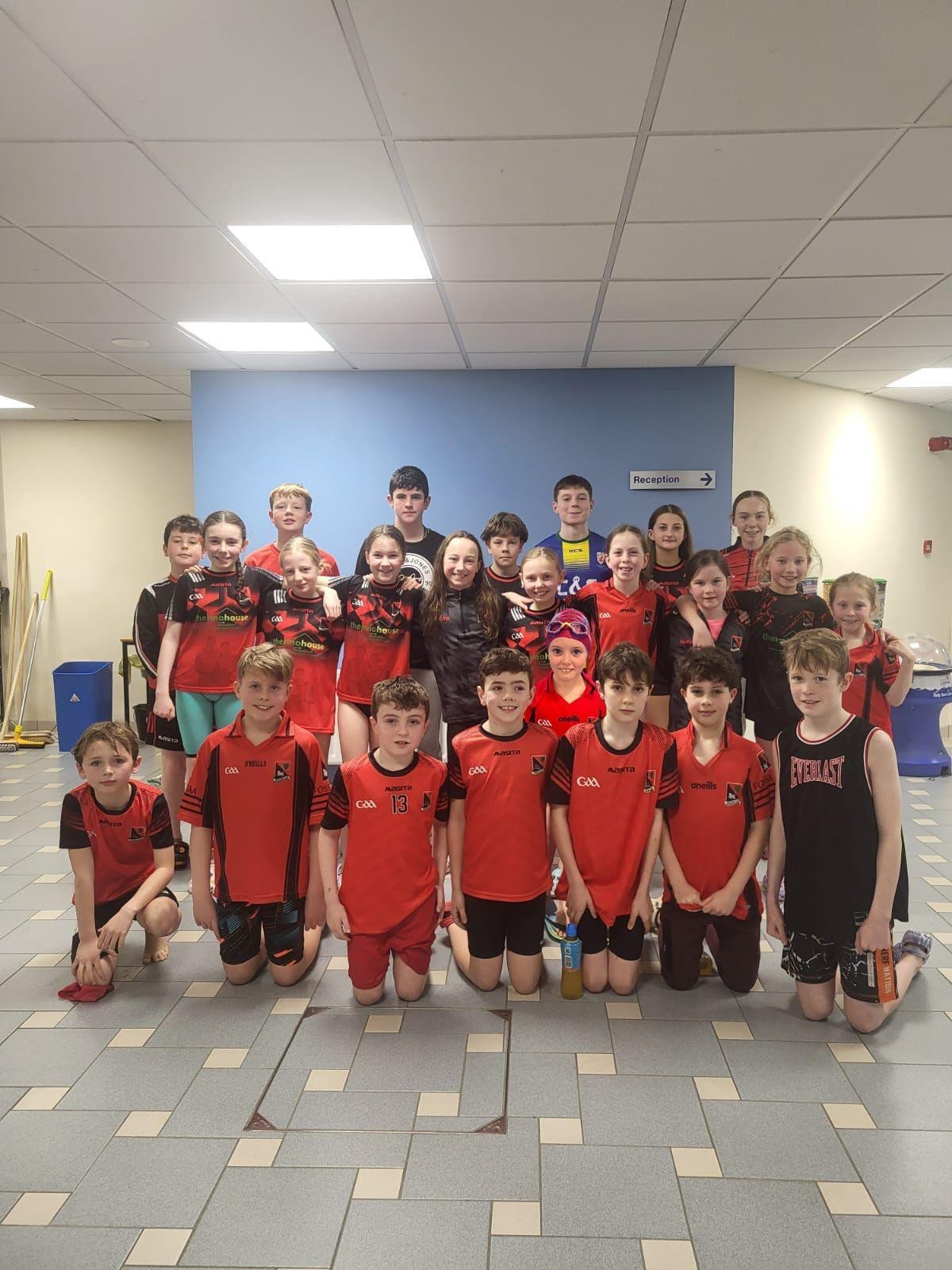
Fossa Swimmers make a splash at County Finals
The Fossa Swim team pictured at the Tralee Sports Complex following their successful outing at the County Finals of the Community Games on Sunday, February 15. The 25-strong squad delivered […]

News
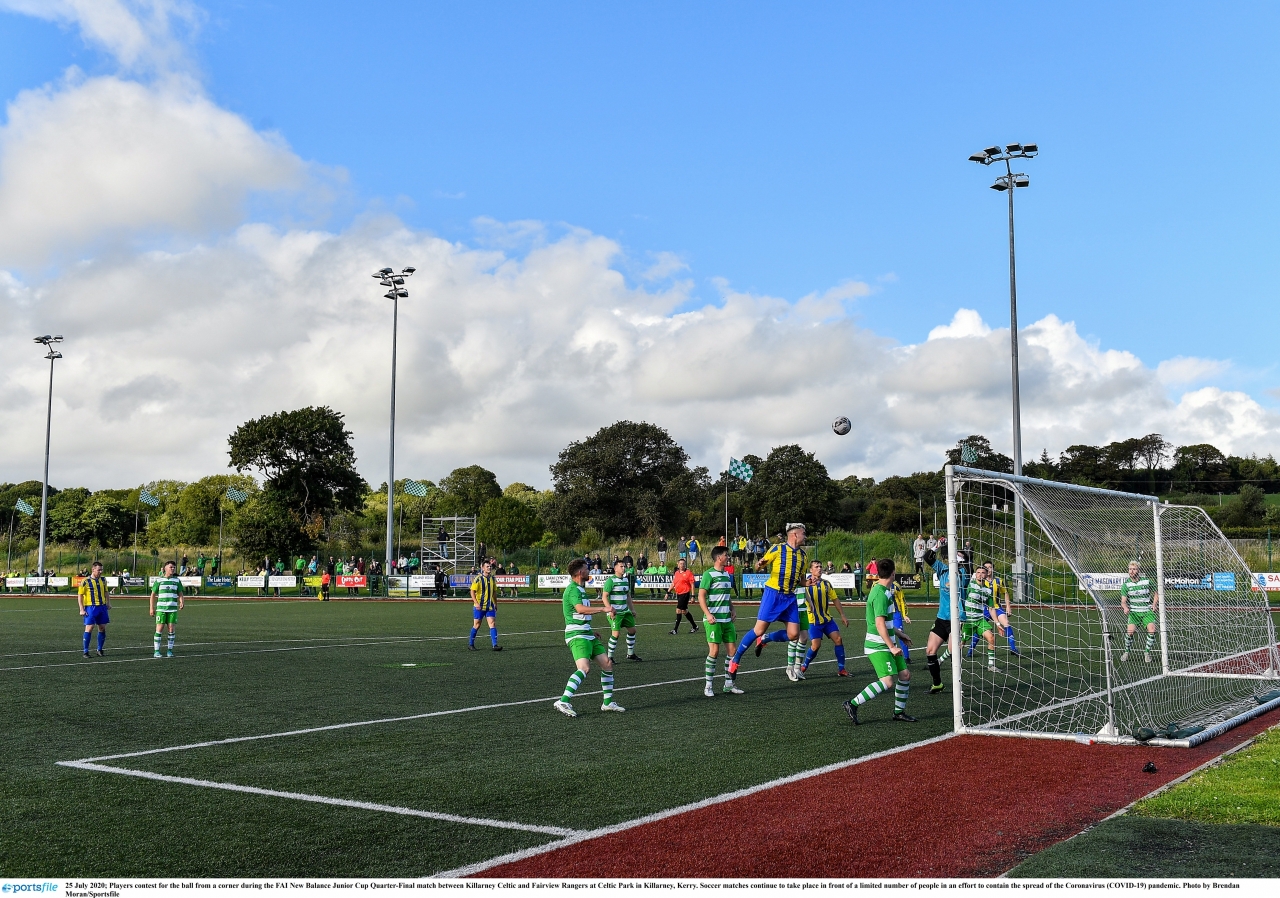
On the Ball Part 2 of the Mikey Daly Interview
Éamonn Fitzgerald EF: Killarney Celtic are invited to participate in an Irish competition. That has big financial implications for travel, meals, etc. MD: It is great to be invited, showing […]

Drivers warned as deer rutting season begins
Drivers warned as deer rutting season begins Motorists in Killarney are being urged to exercise extreme caution as the annual...

Kerry Airport CEO addresses chamber luncheon
Kerry Airport chief executive Adrian Neilan addressed local business leaders at the Killarney Chamber of Tourism and Commerce luncheon at...

The Brehon raises €2,850 for Jack and Jill Foundation
The Brehon Hotel and Spa raised €2,850 for the Jack and Jill Children’s Foundation after hosting a closest-to-the-pin golf simulator...

Five local postmen retire with 185 years service
Five local postmen retire with 185 years service RETIREMENT NIGHT: Pictured at the retirement party held at Killarney Racecourse on...

New Streetscapes murals launched at College Square
A colourful collaboration between the Kerry Local Creative Youth Partnership (LCYP) and the Architecture Kerry Festival at Kerry County Council...
