
Sport
Time for O’Connor to pick his No. 1


Ahead of the last round of the league, Adam Moynihan says Kerry manager Jack O’Connor must choose between Shane Ryan and Shane Murphy - and stick with them
A gritty win in Ulster. Another clean sheet. League final place secured. What’s not to like?
The mood around Kerry football is justifiably upbeat right now, but let’s not lose the run of ourselves just yet. As the saying goes, all that glitters is not gold.
The most obvious cause for concern at the moment is the fact that we are approaching the fourth month of the season and we still don’t have a goalkeeper. So far, Jack O’Connor has alternated between Shane Ryan and Shane Murphy, giving both candidates a fair crack at impressing him.
Ryan, the incumbent, has started four of Kerry’s nine games (pre-season and league), including the most recent victory over Armagh. Murphy, meanwhile, has started the other five. If O’Connor knows who his No. 1 is at this point then he’s doing a fine job of hiding it.
Considering the uncertainty around the position, it's not surprising that Kerry's kickout has malfunctioned at times.
Murphy, who was dropped by Peter Keane in 2019, has acquitted himself well in the early stages of his comeback year and, for me, his range of kicking just nudges him ahead of his rival. He also seems to spot the runs that little bit quicker, a crucial attribute to have when the opposition squeeze up in high-pressure scenarios.
If Kerry want to be the best, they will need a goalkeeper who is capable of being the best (or at least one of the best) in the country. Murphy has already proven himself to be the best as far as Kerry club football is concerned. Can he make that step up to elite intercounty level? We’ll never know unless he gets an extended run in the team.
MIDFIELD CONUNDRUM
Another lingering problem is the midfield pairing. Diarmuid O’Connor is steadily growing in stature and as things stand he is undoubtedly the first choice for No. 8. The question is: who starts at 9?
O’Connor’s Na Gaeil clubmate Jack Barry has filled the role in recent weeks with varying degrees of success. Barry has been an intercounty player for five years now and he has around 50 games under his belt - so he has experience - but it’s hard to escape the feeling that Kerry could do with a more impactful starter in this position.
The problem for Jack O’Connor is that up to this point his hands have been tied. David Moran hasn’t kicked a ball all year. Stefan Okunbor sparkled all-too-briefly in the McGrath Cup before sustaining a nasty shoulder injury on club duty. Joe O’Connor suffered a similar fate while playing for Stacks in the Munster final, although thankfully he has now recovered from his knee injury. The Kerry captain made a five-minute cameo last weekend.
Adrian Spillane is another midfield option but he has slotted in really nicely at half forward, providing a badly needed physical presence in tight situations. The manager will be loath to shift the all-action Templenoe man now that he is playing the best football of his Kerry career.
The only other option on the panel is newcomer Greg Horan, who will need more game time before he challenges the others for a starting berth. (Seán O’Shea might also be considered an auxiliary midfielder but we have more than likely seen the last of him at 8 or 9. His manager has made a point of insisting that the Kenmare star’s best position is centre forward.)
So, it appears as though Joe O’Connor is currently the only viable alternative to Barry - that is until Moran and Okunbor are back in contention. With that in mind it would be surprising if Jack doesn’t give Joe a spin against Tyrone on Sunday. As I’ve written many times before, the Tralee man offers a type of explosiveness that other nominees for the role cannot match.
Perhaps the most damning criticism that can be levelled at Kerry’s midfielders in recent years is that they have been passive. At times, games seem to happen around them. If the team is to achieve their ultimate goal in 2022, sitting back and reacting won’t cut it.
In his autobiography, Jack O’Connor talks about the need for every player on the field to be a “presence”. Bringing in the likes of Adrian Spillane and Dan O’Donoghue (and then Dylan Casey), as well as shifting Tadhg Morley to centre back, has made a difference.
Now it’s time to add a permanent goalkeeper and an aggressive, dynamic midfielder to the mix.


News
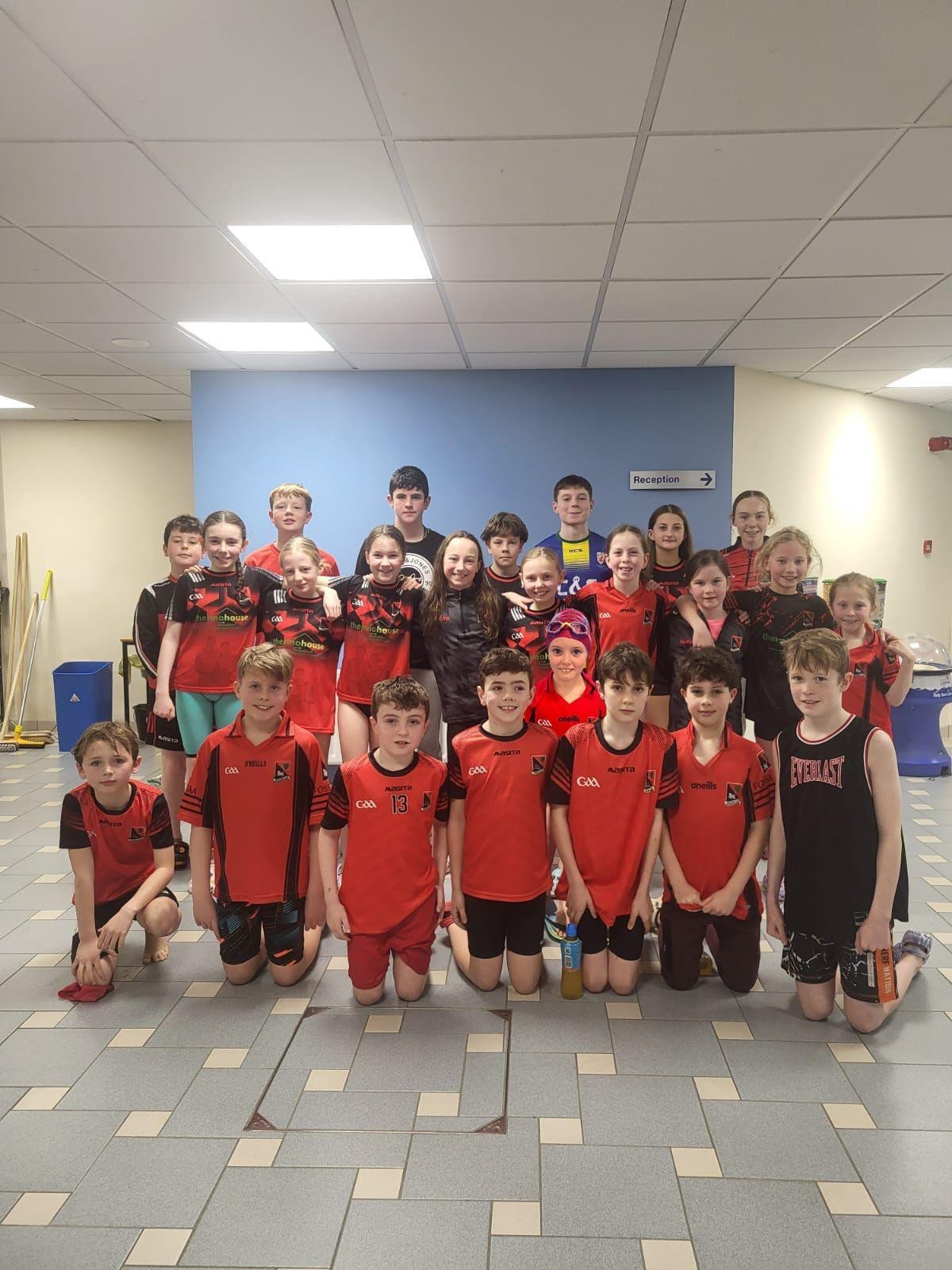
Fossa Swimmers make a splash at County Finals
The Fossa Swim team pictured at the Tralee Sports Complex following their successful outing at the County Finals of the Community Games on Sunday, February 15. The 25-strong squad delivered […]

News
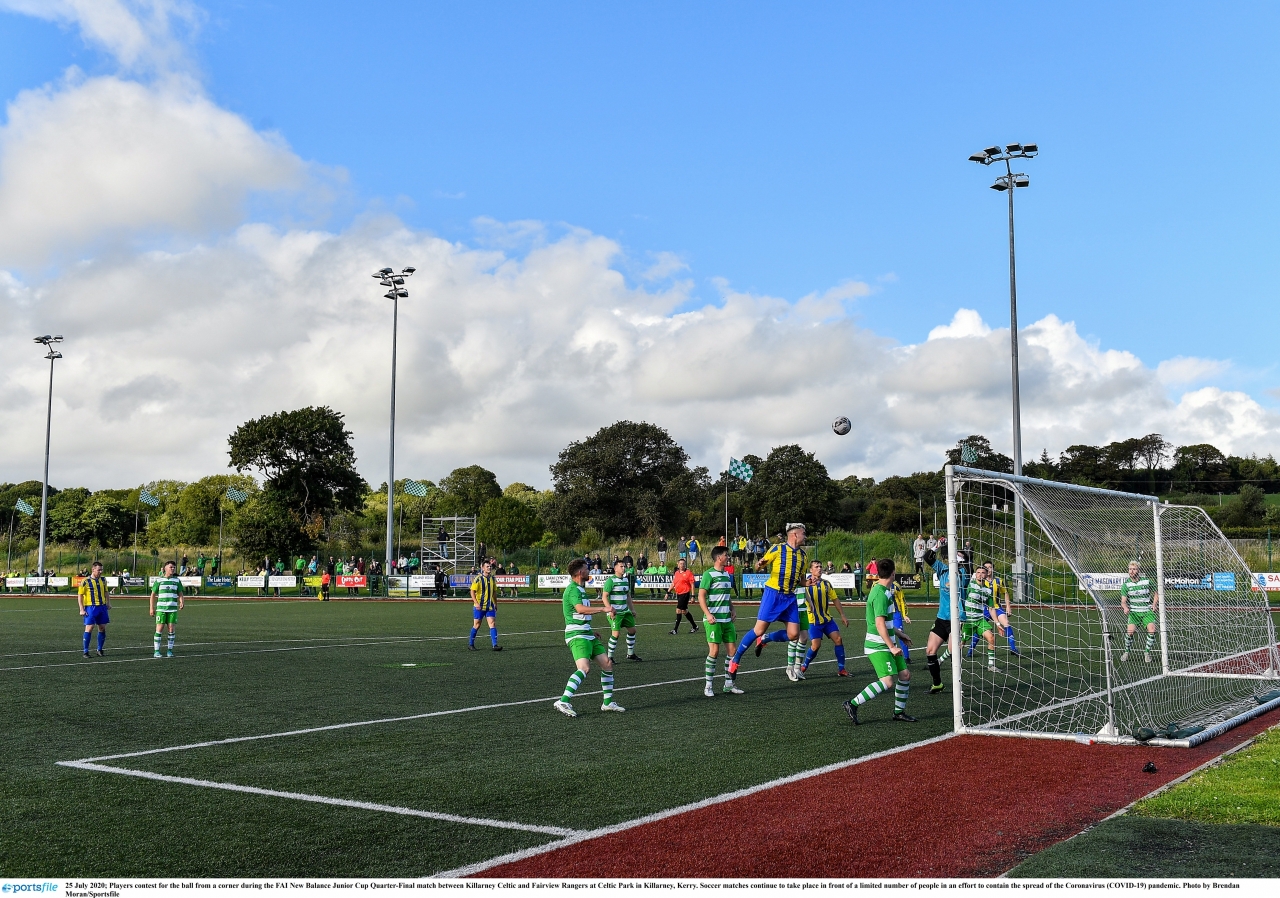
On the Ball Part 2 of the Mikey Daly Interview
Éamonn Fitzgerald EF: Killarney Celtic are invited to participate in an Irish competition. That has big financial implications for travel, meals, etc. MD: It is great to be invited, showing […]


Glenflesk Dancers secure East Kerry Scór na bPáistí title
The Glenflesk figure dancing team of Clodagh McSwiney, Rebecca O’Donoghue, Rachel O’Donoghue, Emily McMahon, Seoidín Dunne, and Paddy MacGillicuddy, pictured...
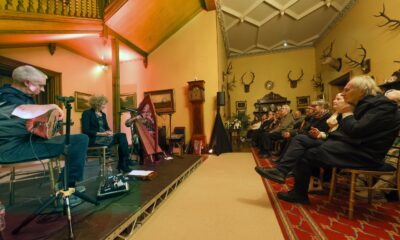

A special musical celebration titled ‘St. Brigid and the Arrival of Spring’ took place recently in the great hall of Muckross House.
Spring welcomed with trad music at Muckross House A special musical celebration titled ‘St. Brigid and the Arrival of Spring’...


Tourism leaders to briefed on new domestic strategy
Killarney’s tourism industry is set to receive a first look at the national strategy for “home holidays” as Fáilte Ireland...


Funding deal secures future of Kerry Airport
The long-term future of Kerry Airport has been secured following the Government’s announcement of the new Regional Airports Programme 2026–2030....


New leadership and compact route for 2026 Assess Ireland International Rally of the Lakes
Planning for the 2026 Assess Ireland International Rally of the Lakes is moving at a frantic pace as Killarney prepares...
