
Sport
‘Rainbow Laces is a great initiative… It’s something the GAA should be doing’ – Darran O’Sullivan


Former Kerry footballer Darran O’Sullivan believes the GAA should follow the Premier League’s lead by taking part in the Rainbow Laces campaign.
A number of sporting bodies in the UK recently participated in Rainbow Laces, an initiative set up in 2013 to help create more LGBT-inclusive sports environments.
As part of the campaign, Premier League players sported rainbow-coloured laces and captain’s armbands, rainbow-coloured welcome mats were rolled out outside stadia and Sky Sports incorporated rainbow-coloured graphics into their live football programming and highlights shows.
The increased visibility appears to be having an effect. A poll carried out by Stonewall, the UK-based equality charity behind Rainbow Laces, shows that 65% of the British public now believe that it’s important for anti-LGBT language to be challenged at live sporting events, a 7% increase on last year.
However, Stonewall also revealed that 43% of LGBT people still feel that sporting events are not welcoming environments for them.
Speaking exclusively to the Killarney Advertiser, O’Sullivan, who played for Kerry from 2005 until 2018, praised the campaign and encouraged the GAA to follow suit.
“I think Rainbow Laces is a great initiative and it is something the GAA should be doing,” he said.
“The GAA is extremely powerful and it's a very open, welcoming place at the moment. You have players who didn’t grow up in Ireland, people from totally different backgrounds, who are all welcomed. It’s very inclusive, and that’s the way it should be.
“[Rainbow Laces] is a great way of encouraging players to be themselves. You have more and more players now who are not just going along with what you’d expect GAA players to be. Like other sports, the GAA has to move with the times as well and make sure that it’s more open, that you don’t have to be a stereotype to be a GAA player; you can be any type of person.
“I think the GAA needs to move along, and they are quite open to these things.
"An initiative like the Rainbow Laces would go a long way. It would be a good thing for the GAA to do, even if it was only for one weekend a year.”
When contacted by the Killarney Advertiser, Stonewall said that they would like to see Rainbow Laces in the GAA.
"The whole campaign is about inclusion for LGBT people across all sport, so we absolutely have aspirations to go as far and wide as possible," a spokesperson said. "We would definitely support teams and clubs in Ireland to get involved if they’re interested."
CHANGES
O'Sullivan, a four-time All-Ireland-winner and former Kerry captain, says he doesn’t recall homophobic language or anti-LGBT discourse ever being prevalent in a Kerry dressing room, although he does acknowledge that times, and attitudes, have changed.
“Maybe it was something that I just wasn’t picking up on. It was never really a topic in our dressing room.
“The one thing I will say is that over the years I think fellas have become more sensitive to other people’s feelings and are more aware of other people than we would have been at the start [of his career].
“I think that comes with growing and having a bit more of an education around mental health. As the years have gone on and younger players – I suppose the more modern day players – have come in, fellas are a bit more aware that it’s not just players beside you, it’s people. If a fella is feeling a bit off, they take note of these things and they’re more open about talking.”
Cork hurler Dónal Óg Cusack came out in 2009 but since his retirement in 2013, the GAA has had no other openly gay male players. Have things progressed enough for a gay Kerry player, if one existed now or in the future, to come out?
“I don’t think there would be any problem with a player coming out in the GAA,” the Glenbeigh-Glencar clubman said.
“I think his teammates would be the first to stand around him and make sure he knows that he’s still the same person and nothing has changed."
"I think [in the dressing room] is where he’d get the most support. They’re the guys he spends four or five days a week with. They’re the guys who probably know him better than anyone else.
“That would end up being his safe place.
“The GAA and Irish people in general, especially the younger generation, are a lot more open, a lot more understanding. A GAA dressing room would be a safe place for someone, somewhere they could feel comfortable to be themselves.
“At the moment I think it would nearly be easier for a player at intercounty level to come out than at club level. At club level, it might be a bit tougher because someone might say something off the bat, in anger or in jest, and not think about the consequences.
“At intercounty level with the media attention that’s on it and the professionalism of players at the moment, I think it would be a fairly safe place.”
News
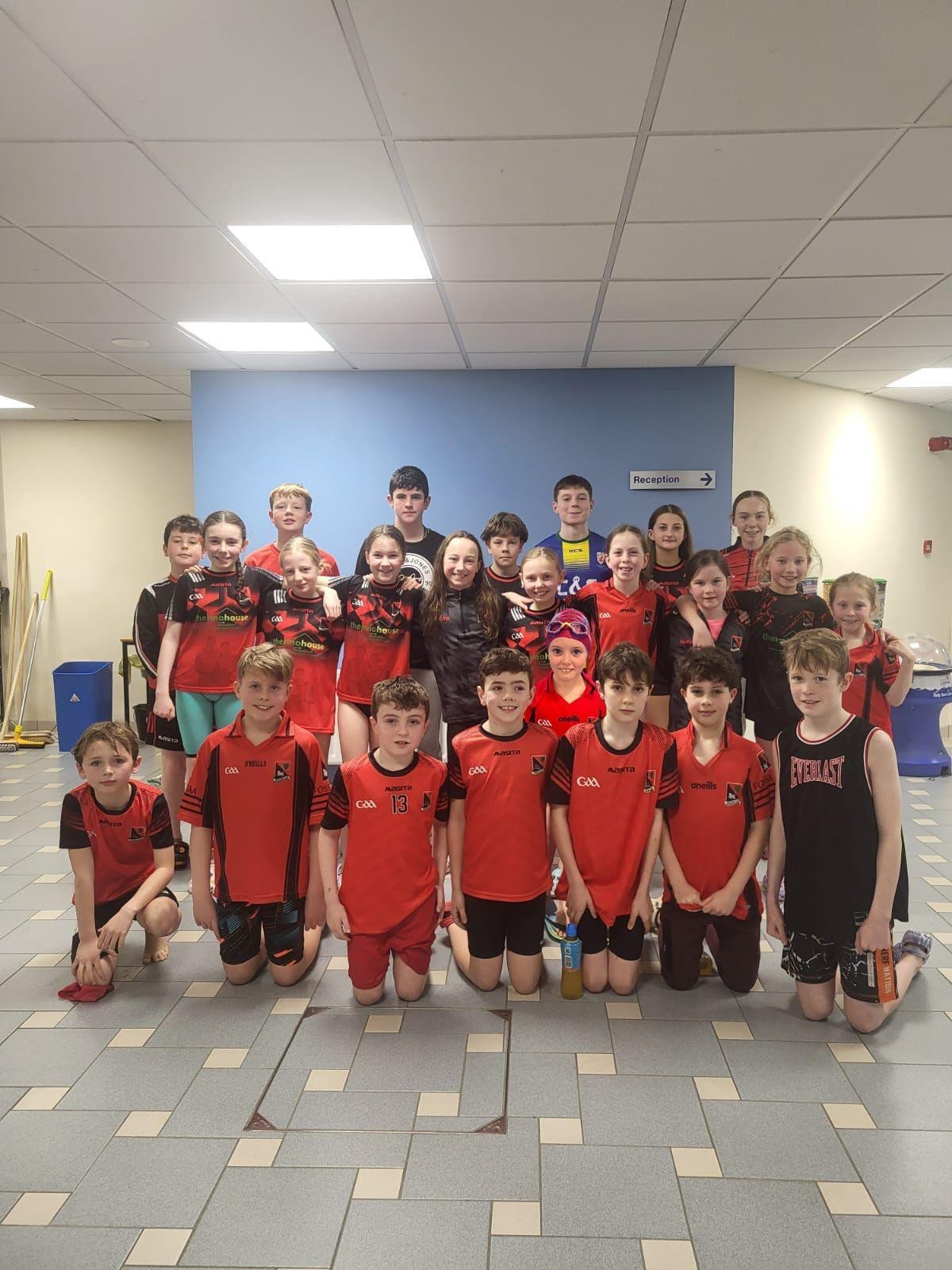
Fossa Swimmers make a splash at County Finals
The Fossa Swim team pictured at the Tralee Sports Complex following their successful outing at the County Finals of the Community Games on Sunday, February 15. The 25-strong squad delivered […]

News
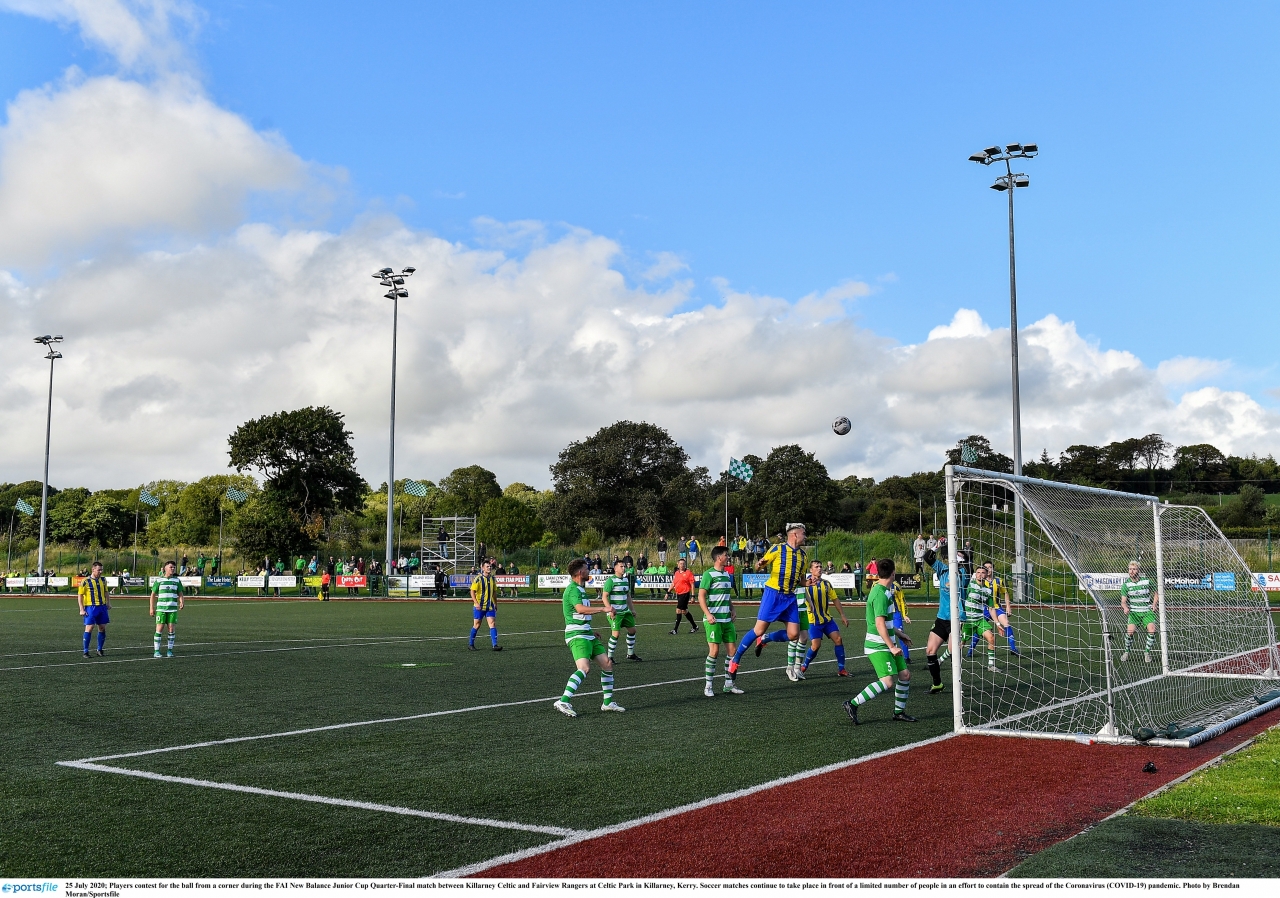
On the Ball Part 2 of the Mikey Daly Interview
Éamonn Fitzgerald EF: Killarney Celtic are invited to participate in an Irish competition. That has big financial implications for travel, meals, etc. MD: It is great to be invited, showing […]

Cllrs demand meeting with HSE property officials
Killarney councillors are seeking an urgent face-to-face meeting with the HSE to prevent the town’s health infrastructure from falling into...


Maggie’s Montessori supports National Pyjama Day
The usual morning routine was swapped for slippers and dressing gowns at Maggie’s Montessori last Friday as the children took...

Incredible value at Paco warehouse clearance
Paco Clothing is to open a second shop at the Killarney Outlet Centre for March and April – and the...


Tourism Ireland CEO Outlines Global Strategy at KTIF Tourism Day
The CEO of Tourism Ireland, Alice Mansergh, was in Killarney on Tuesday of this week to address tourism leaders from...

Kerry Stars honours the Late Vincent Lacke with Memorial Tournament
The second annual Vincent Lacke Memorial Soccer Tournament took place on Sunday at the Killarney Sports and Leisure Centre. Organised...
