
News
Pruning is an easy job


By Debby Looney, gardening expert
Most shrubs and trees are entering their dormant stage now but unfortunately gardening itself doesn't!

.

.
One of the most important jobs before winter is upon us is pruning. Many of us live in exposed areas, and winter gales can really take their toll on plants. Excessive rocking in water sodden ground not only causes plants to break but it can also increase the ever growing hole in the ground which fills with water thus rotting the roots. Staking is an obvious solution, especially in the case of trees. The use of two stakes is ideal in very windy sites and in some cases putting the stakes at an angle against the prevailing winds is necessary. It is generally accepted that staking one third up the height of the main trunk of a tree is sufficient, rather than trying to stake the entire length of it. The second solution to wind damage is pruning. The less top heavy a tree is, or the less straggly a shrub is, the less likely it is to catch the full force of the wind. Many people are quite daunted by the prospect of cutting into their plants. It is an understandable fear; plants, and especially trees, can cost a lot. Pruning in general is an easy job if you follow some simple guidelines. First of all, never prune stone fruits such as any type of cherry, plum etc, until summer. This is to avoid silver leaf curl. Secondly, maple trees are also best left until they are in leaf. They produce a lot of sap which weeps from the cut, putting the plant under pressure. However, if left until late spring or summer, the sap no longer rises with such force. The main reason for pruning is to remove dead or diseased parts of a plant. Therefore, take a look at your plant before cutting. Remove old, sick or dead wood first. Then take a look at the shape, trim it, then take a look at the middle or inside of the plant. If the stems are crossing over each other take out the ones which are not growing outwards. This should give you a goblet shape, which is particularly important for fruit and roses. An open goblet shape will encourage flowering and fruiting as well as allow air to circulate, reducing the risk of diseases, especially fungi such as botrytis, blackspot and rust. Try always to cut an inch or two above an outward facing healthy bud, slanting away, so that water is directed away from that bud, preventing rot. Most plants can be cut back by one third their size, or, if they are very overgrown, half is generally safe. If you are worried about taking too much off, do so in increments. Either take one third of the overall height off this year, and again next year, or, alternatively, prune one third of the stems back hard, and another one third next year, and so on.
Finally, the tools you use should be fit for purpose. There are two types of secateurs and loppers; bypass and anvil. The bypass cutter is what I always use. It has two blades which, as the name suggests, pass by each other giving a clean, sharp cut. Anvil types have on flat edge, and these are used for dead wood.

News
A special musical celebration titled ‘St. Brigid and the Arrival of Spring’ took place recently in the great hall of Muckross House.

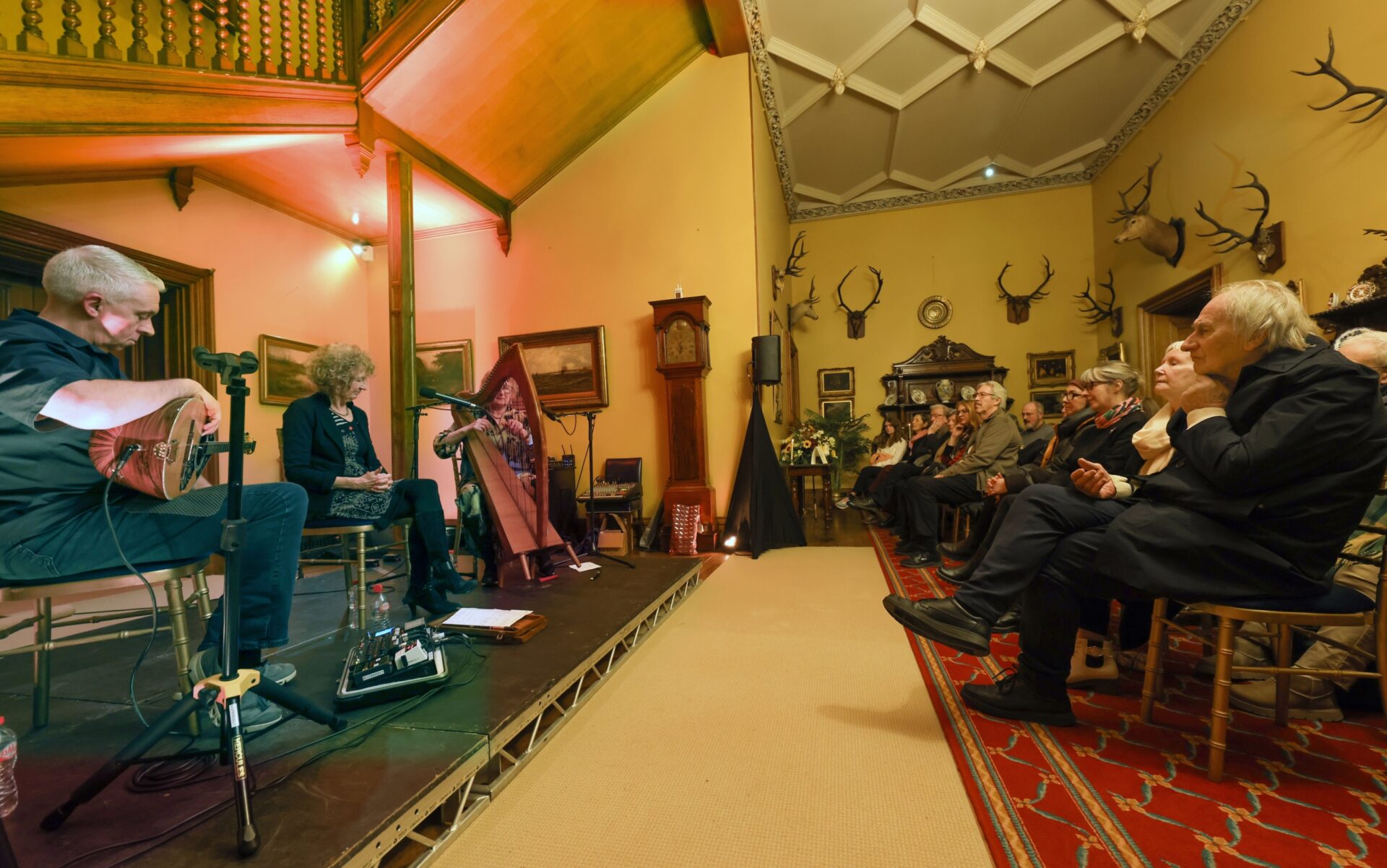


Glenflesk Dancers secure East Kerry Scór na bPáistí title
The Glenflesk figure dancing team of Clodagh McSwiney, Rebecca O’Donoghue, Rachel O’Donoghue, Emily McMahon, Seoidín Dunne, and Paddy MacGillicuddy, pictured...
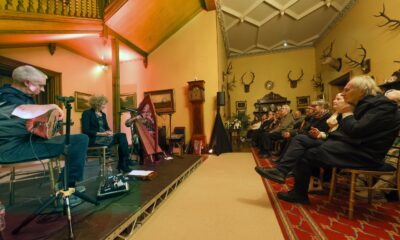

A special musical celebration titled ‘St. Brigid and the Arrival of Spring’ took place recently in the great hall of Muckross House.
Spring welcomed with trad music at Muckross House A special musical celebration titled ‘St. Brigid and the Arrival of Spring’...
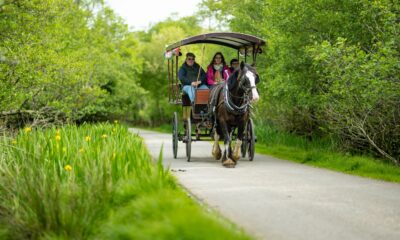

Tourism leaders to briefed on new domestic strategy
Killarney’s tourism industry is set to receive a first look at the national strategy for “home holidays” as Fáilte Ireland...


Funding deal secures future of Kerry Airport
The long-term future of Kerry Airport has been secured following the Government’s announcement of the new Regional Airports Programme 2026–2030....


New leadership and compact route for 2026 Assess Ireland International Rally of the Lakes
Planning for the 2026 Assess Ireland International Rally of the Lakes is moving at a frantic pace as Killarney prepares...
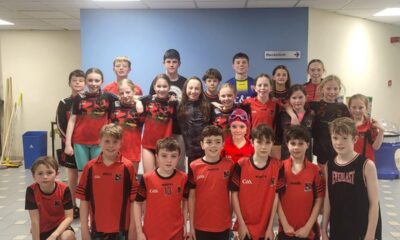

Fossa Swimmers make a splash at County Finals
The Fossa Swim team pictured at the Tralee Sports Complex following their successful outing at the County Finals of the...
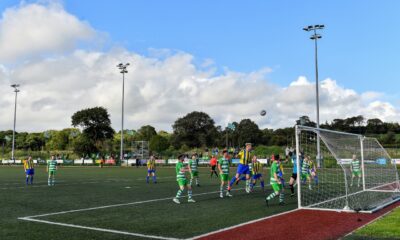

On the Ball Part 2 of the Mikey Daly Interview
Éamonn Fitzgerald EF: Killarney Celtic are invited to participate in an Irish competition. That has big financial implications for travel,...


LUKE MANGAN recently caught up with Kerry FC’s manager, Colin Healy.
He spoke to him about his careers as a player and manager. Here’s how it went: When you began your...


Home cup tie for St Paul’s could be epic
Paudie O’Connor National Cup (Round 1) Utility Trust St Paul’s v GCU Brunell Saturday 7.30pm Killarney Sports and Leisure Centre...


Chances of Kerry v Cork Munster final in 2026 decrease as Munster GAA delay seeding plan
After facing a backlash from Limerick, Clare, Waterford and Tipperary players, Munster GAA have postponed their plan to keep Cork...
