
News
Key things to consider when choosing Leaving Cert subjects


By Niamh Dwyer, Chairperson of the Kerry Branch of Guidance Counsellors
At this time of the year students in Third and Transition Year are being asked to choose the subjects they wish to study in senior cycle.
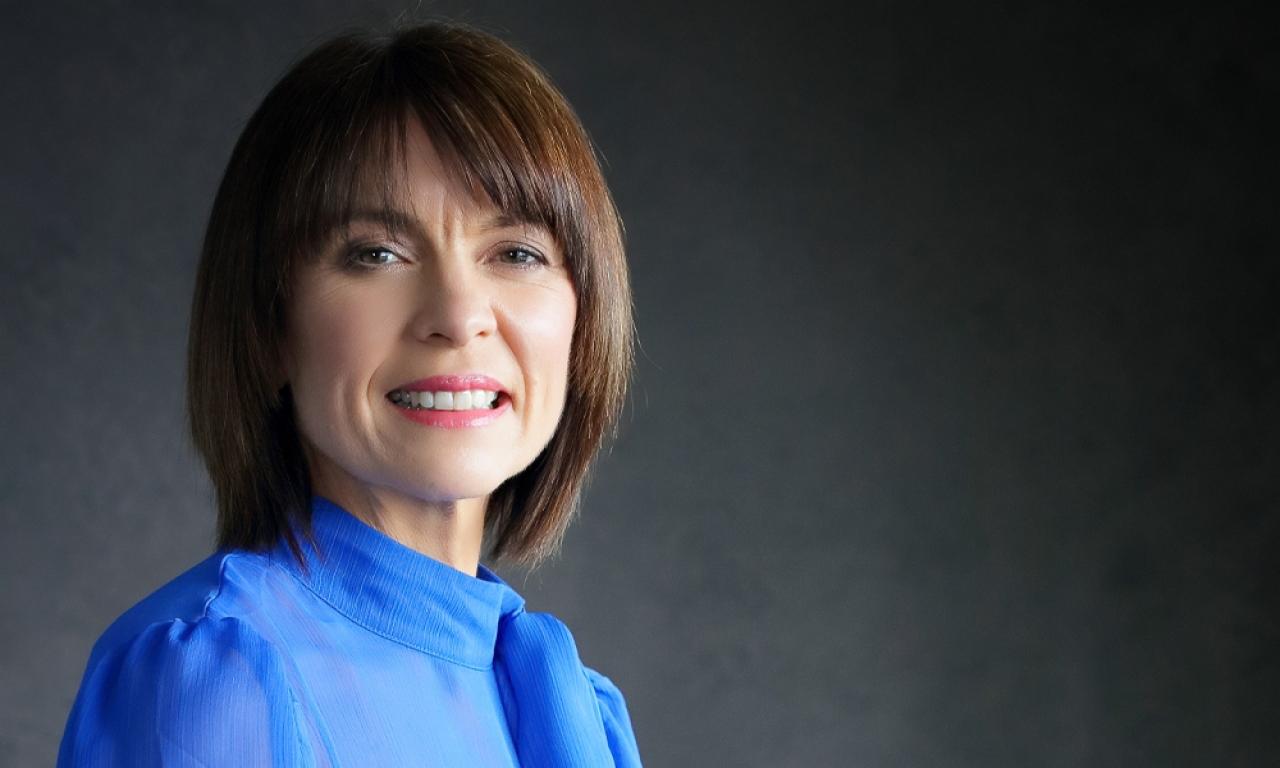

It can be a stressful time for students and parents who are concerned that choices made at this stage could have an impact on course and career choices after the Leaving Cert. My first piece of advice to parents is to make sure you attend the information meeting about senior cycle options in the school as you will get detailed information about the different subjects available, as well as guidance on entry requirements for the various pathways. Typically students studying the traditional Leaving Cert take three compulsory subjects; Maths, English and Irish (unless they have an exemption), and four optional subjects from the list on offer in the school. It can be difficult for students at 15 or 16 to know what career direction they would like to take after school, that’s very normal. Some may have an idea about a broad area of interest like science, business, health, engineering etc, while many have no idea at all. There are a few things that might help with making decisions about subject choice.
What to consider when choosing optional subjects
First think about the subjects you like and what you are good at as you will work hard on them and have a good chance of getting good grades. They are also likely to influence the choices you make later regarding college courses and other education and training options. Consider also subjects you really don’t like and struggle with, this is the chance to leave them behind. What you need to watch out for are the minimum entry requirements for various Higher Education Institutions (HEIs) as you will need to meet them in order to be considered for entry to college and universities when you apply through the Central Applications Office (CAO). Check what the requirement is around having a third language. You can check them out in the undergraduate section of college websites and on specific course pages. There is also a very useful subject requirement module on www.qualifax.ie which allows you to check what courses require particular subjects such as chemistry or another laboratory science. There is an excellent course finder facility on www.careersportal.ie where you can do a general search and use the filter to narrow it down to particular subject areas, locations and requirements. They also have a guide to the Leaving Cert subjects where you can explore the content of the subjects at senior cycle.
If you really don’t have an idea of what you want to do after school then choose a broad range of subjects so you keep as many options open as you can. Consider taking one option from the following; a language, a science, a business subject, and a practical or humanities based subject. Talking to your guidance counsellor in school is a huge help as he/she will be able to explore your interests, strengths, aptitudes and past performance in subjects with you as well as answer any questions you have about requirements for courses and colleges. It can also be really helpful to talk to subject teachers. Make sure to look closely at what is involved in the subjects you are choosing and that you have a genuine interest in taking it up or continuing with it in senior cycle.
Niamh Dwyer is a Guidance Counsellor in Scoil Phobail Sliabh Luachra, Rathmore, and Chairperson of the Kerry Branch of Guidance Counsellors. She is also a Career Consultant. For details see www.mycareerplan.ie.


Future of Áras Phádraig remains uncertain as Council is told to restart funding process
Plans for the redevelopment of the Áras Phádraig site on Lewis Road have hit a significant administrative roadblock following the...
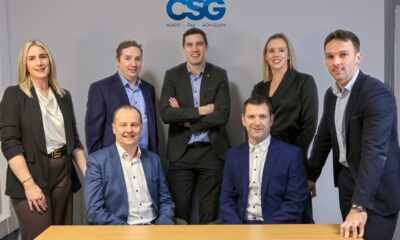

CSG Accountants and ORM Accountants announce Killarney merger
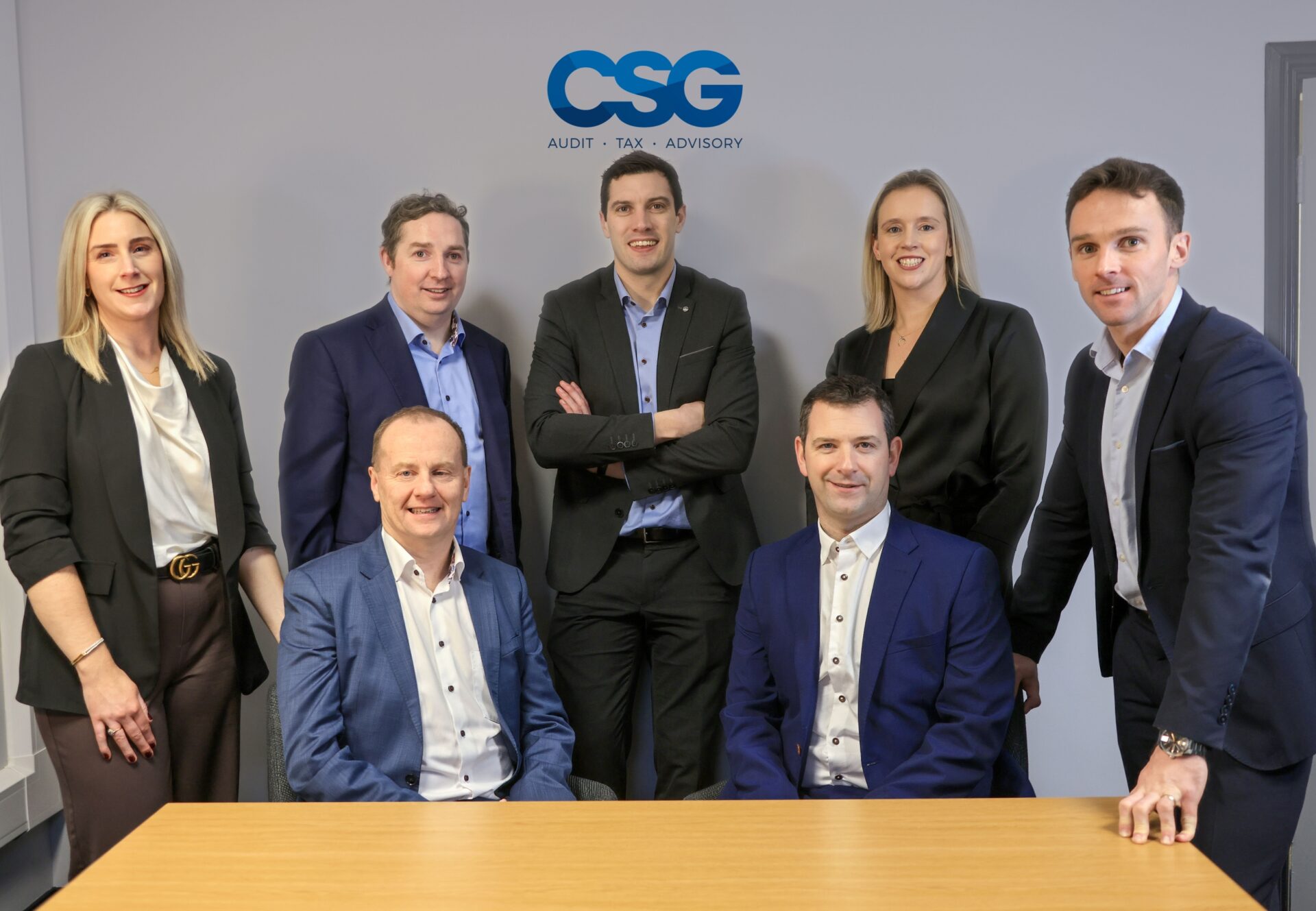
CSG Accountants and Advisors has announced a strategic merger with Killarney-based ORM Accountants. The firm will operate under the CSG...


Killarney schools to defend Kerry Cross-Country Titles
The annual Kerry Schools Cross-Country Championships will take place today (Friday, January 16), at the Demesne in Killarney. Two...
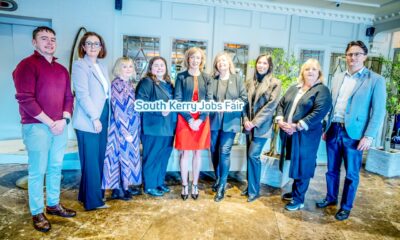

South Kerry Jobs Fair returns to Great Southern Hotel in February
The 2026 South Kerry Jobs Fair is set to return to Killarney with a wide range of employment opportunities across...


Government latte levy delay is fuelling litter crisis
The founders of the Killarney Coffee Cup Project and the environmental group VOICE have issued a warning that government inaction...


Home cup tie for St Paul’s could be epic
Paudie O’Connor National Cup (Round 1) Utility Trust St Paul’s v GCU Brunell Saturday 7.30pm Killarney Sports and Leisure Centre...


Chances of Kerry v Cork Munster final in 2026 decrease as Munster GAA delay seeding plan
After facing a backlash from Limerick, Clare, Waterford and Tipperary players, Munster GAA have postponed their plan to keep Cork...
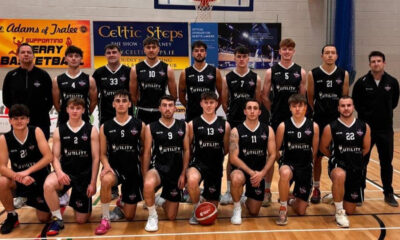

Lakers aiming to secure first win at home to Malahide
The Utility Trust St Paul’s Lakers will be hoping for a turn of fortunes this weekend after suffering a defeat...


Killarney Athletic stalwart Donie does it for the love of the game
Ahead of Killarney Athletic’s 60th anniversary, Adam Moynihan spoke to club stalwart and current chairman Donie Murphy about his passion...
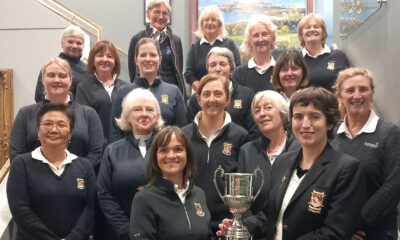

Hosts Killarney defeat neighbours Tralee in local ‘Ryder Cup’
A team representing Killarney Golf and Fishing Club took part in a Ryder Cup style tournament against their neighbours from...
