
News
Kerry Museum acquires ‘buried treasure’ map


T
THE Kerry Museum has purchased at auction a map drawn by Sir Roger Casement showing where he reputedly buried gold and silver coins and other items near Banna Strand before he was arrested on Good Friday in 1916.
A successful bid of £7,000 sterling – supported by the Department of Arts, Heritage and the Gaeltacht – secured the map and an accompanying note when it was auctioned by Chorley’s of Cheltenham earlier this week. The items will now be put on display at the Kerry Museum and will form an integral part of its ‘Casement in Kerry’ exhibition which is being opened by President Michael D Higgins on April 21.
The sketch map and note were drawn up by Casement while he was in custody at Scotland Yard. The ‘Plan of Rath’ suggests that £50 “in gold and silver” along with a lamp and pair of binoculars were buried “under some fern bracken and bramble” in a fairy fort close to Currahane Moat near Ardfert.
“The map drawn by Casement solves a 100–year-old mystery,” said Helen O’Carroll, curator of the Kerry Museum. “Casement hid £50 in gold and silver coins, as well as binoculars and a lamp. He drew the map while he was in custody and gave it to his interrogators so that they would send someone to find the money, which he badly needed at that stage. The map has never been seen since,” she said.
“After a few days he was told that police had been sent back to the fort to search for the money but that it hadn't been found. After his execution his solicitor, Gavan Duffy, brought it up again with Scotland Yard and in February 1917 a police search party made another effort and a report was sent back to say that they had found nothing,” said Helen.
“The map and its accompanying note are a significant addition to the general museum collection, not just for this year or the forthcoming ‘Casement in Kerry’ exhibition but long into the future. The fact they haven't seen the light of day for 100 years will generate great excitement when they are put on display here for the first time. I believe that we have acquired two outstanding documents that will add substantially to our knowledge of the period and will be an enhancement of the accumulated cultural heritage of Ireland. From an educational perspective these documents have a multiplicity of uses and will be used in our education programmes long after 2016 has passed,” she said.
“Before the auction I spoke to colleagues in the National Museum and the National Library who encouraged me to make a bid for them. We all felt that the documents should be in a public collection in Ireland and that they would be most appropriate here in Kerry where both their national and local significance would be fully realised. I am grateful to the Department of Arts, Heritage and the Gaeltacht for their financial support in helping to acquire these items,” Helen added.
The significance of the map is that it comes with a note written by Frank Hall at the time in 1916. Hall was in MI5G (later MI5) and he was one of Casement's interrogators. He regarded Casement not just as a traitor and an Irish rebel because of his connection with Germany, but, as an Ulster Protestant from a similar background, he despised him as a class traitor. His note proves that not only did the British secret service know where the money was, but that it had been given to the RIC men who had arrested him, and the binoculars went to the head of Scotland Yard, Basil Thomson.
They had found it but had consistently lied about it to Casement and to Gavan Duffy. As such, the document provides an insight into the British security establishment's attitude to Casement and how keen they were to appropriate his property as trophies. Aside from the famous diaries, a number of other items that Casement owned were kept as trophies of war by various members of the establishment including the King.
From a Kerry point of view, it has great significance because, as no one knew what had happened to the money, it was assumed for the last 100 years that it had been stolen by local people. That assumption fed into the general perception that Casement had been abandoned and betrayed in Kerry. The map and accompanying note prove otherwise.
Above image courtesy of Chorley’s Auctioneers.
News
Céilí Mór will send ‘em home sweatin’
It will be a case of all around the house but mind the dresser at a traditional Céilí Mór which will be one of the real entertainment highlights of this […]

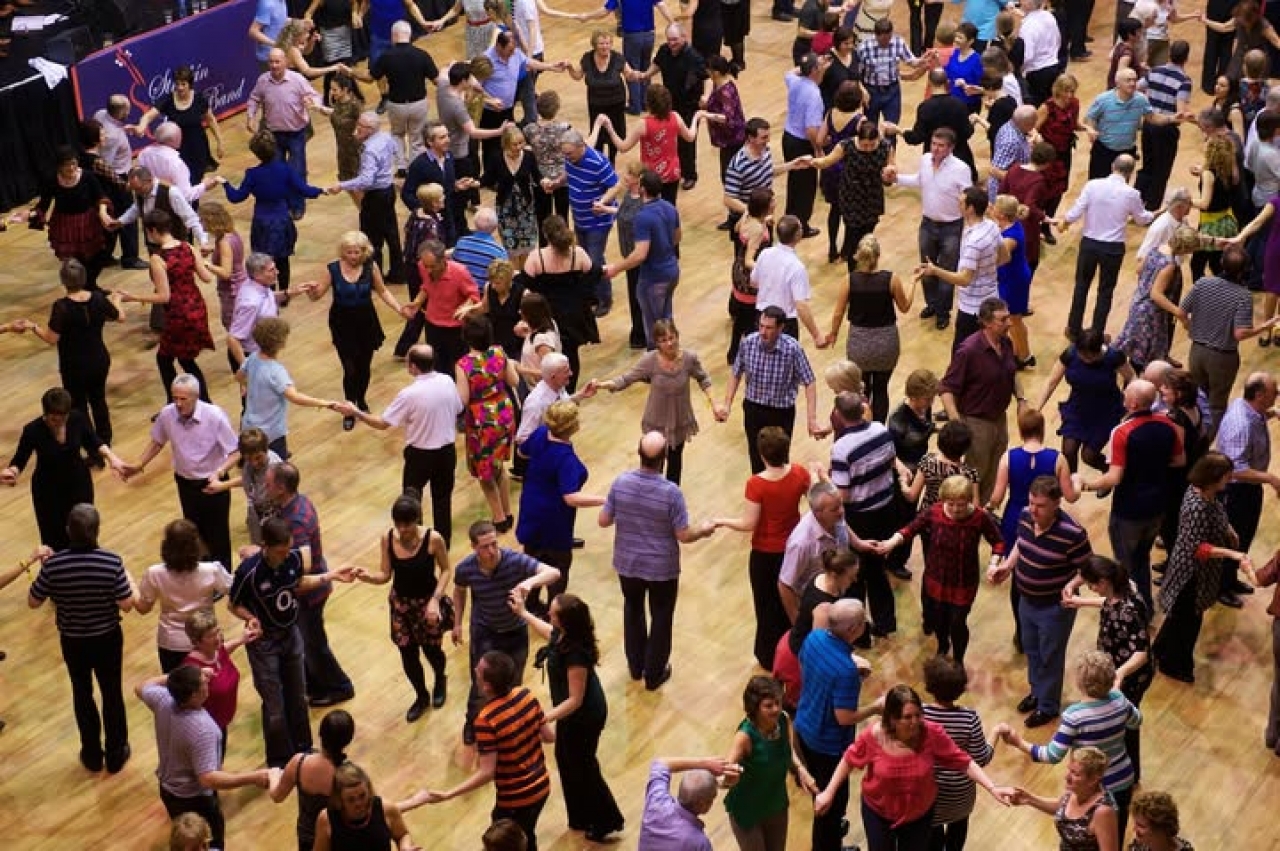


Céilí Mór will send ‘em home sweatin’
It will be a case of all around the house but mind the dresser at a traditional Céilí Mór which...

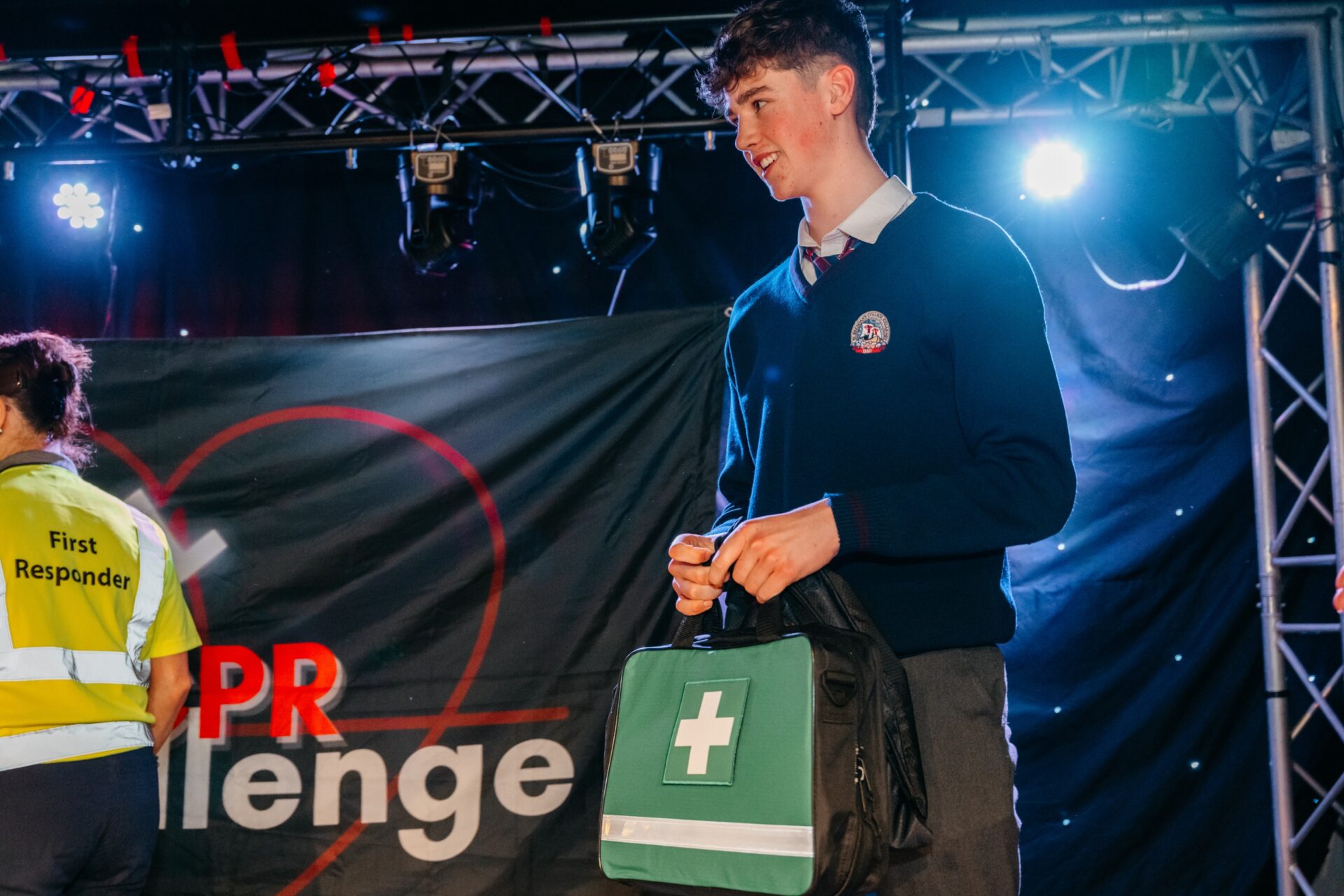
St Brendan’s student Aodhagan O’Sullivan crowned CPR champion
Aodhagan O’Sullivan, a student at St Brendan’s College, Killarney, has been named the 2026 School CPR Challenge Champion. The prestigious...

Cllrs demand meeting with HSE property officials
Killarney councillors are seeking an urgent face-to-face meeting with the HSE to prevent the town’s health infrastructure from falling into...


Maggie’s Montessori supports National Pyjama Day
The usual morning routine was swapped for slippers and dressing gowns at Maggie’s Montessori last Friday as the children took...

Incredible value at Paco warehouse clearance
Paco Clothing is to open a second shop at the Killarney Outlet Centre for March and April – and the...

Fossa Swimmers make a splash at County Finals
The Fossa Swim team pictured at the Tralee Sports Complex following their successful outing at the County Finals of the...

On the Ball Part 2 of the Mikey Daly Interview
Éamonn Fitzgerald EF: Killarney Celtic are invited to participate in an Irish competition. That has big financial implications for travel,...


LUKE MANGAN recently caught up with Kerry FC’s manager, Colin Healy.
He spoke to him about his careers as a player and manager. Here’s how it went: When you began your...


Home cup tie for St Paul’s could be epic
Paudie O’Connor National Cup (Round 1) Utility Trust St Paul’s v GCU Brunell Saturday 7.30pm Killarney Sports and Leisure Centre...


Chances of Kerry v Cork Munster final in 2026 decrease as Munster GAA delay seeding plan
After facing a backlash from Limerick, Clare, Waterford and Tipperary players, Munster GAA have postponed their plan to keep Cork...
