
News
Spotted an otter lately?

Users of Killarney National Park are being asked to keep an eye out for otters – one of the country’s rarest mammals.
The National Parks and Wildlife Service IS launching a new National Otter Survey and has teamed up with researchers in Queen’s University Belfast and the National Biodiversity Data Centre to collect and collate otter records from right across the country.
The new survey will map otters and compare results to the last survey, carried out in 2010-11.
NPWS teams will be looking for characteristic signs of otters at over 900 sites throughout the country, including rivers, lakes and the coast.
Members of the public are asked to keep their eyes peeled for otters and to get involved in this national survey by adding their sightings to the survey results.
Otters are mostly active at night and most typically seen at dawn or dusk. They may be spotted from bridges swimming in rivers or along the rocky seashore.
Otters are brown, about 80 cm (30 inches) long and can be seen gliding along the water surface before diving to show their distinctive long pointed tail which is almost as long again as their body.
Dr Ferdia Marnell, Mammal Specialist with the NPWS, said:
“The otter is one of Ireland’s most elusive animals so getting as many people involved in the survey as possible will be important if we are to get good coverage. Otters are rarely seen, so instead, over the coming months, NPWS staff will be searching for otter tracks and signs.”
Dr Ferdia Marnell, Mammal Specialist with the NPWS, said:
“Otters have large, webbed feet and leave distinctive footprints, but these can be hard to find. Fortunately, otters mark their territory using droppings known as spraints. Otters deposit spraints conspicuously on boulders along riverbanks, logs on lake shores or the rocky high tide line. Spraints can be up to 10 cm or 3 inches long, black through to white but commonly brown, tarry to powdery in consistency and straight or curved making them tricky to identify. Luckily, they commonly contain fish bones and crayfish shells which are the otters favoured diet making them easy to tell apart from the droppings of birds and other mammals.”
The otter and its habitat are protected under the EU Habitats Directive which requires that Ireland reports on the status of the species every six years. The next report is due in 2025.
The otter suffered significant declines across much of continental Europe during the 1970s, ‘80s and ‘90s but remained widespread in Ireland. The most recent Irish survey (2010-2011) found signs of otter from all counties of Ireland and from sea-shore to mountain streams.
The otter hunts in water, but spends much of its time on land, and as a result is vulnerable to river corridor management such as culverting, dredging and the clearance of bankside vegetation, as well as pollution, pesticides, oil spillages, coastal developments and road traffic.

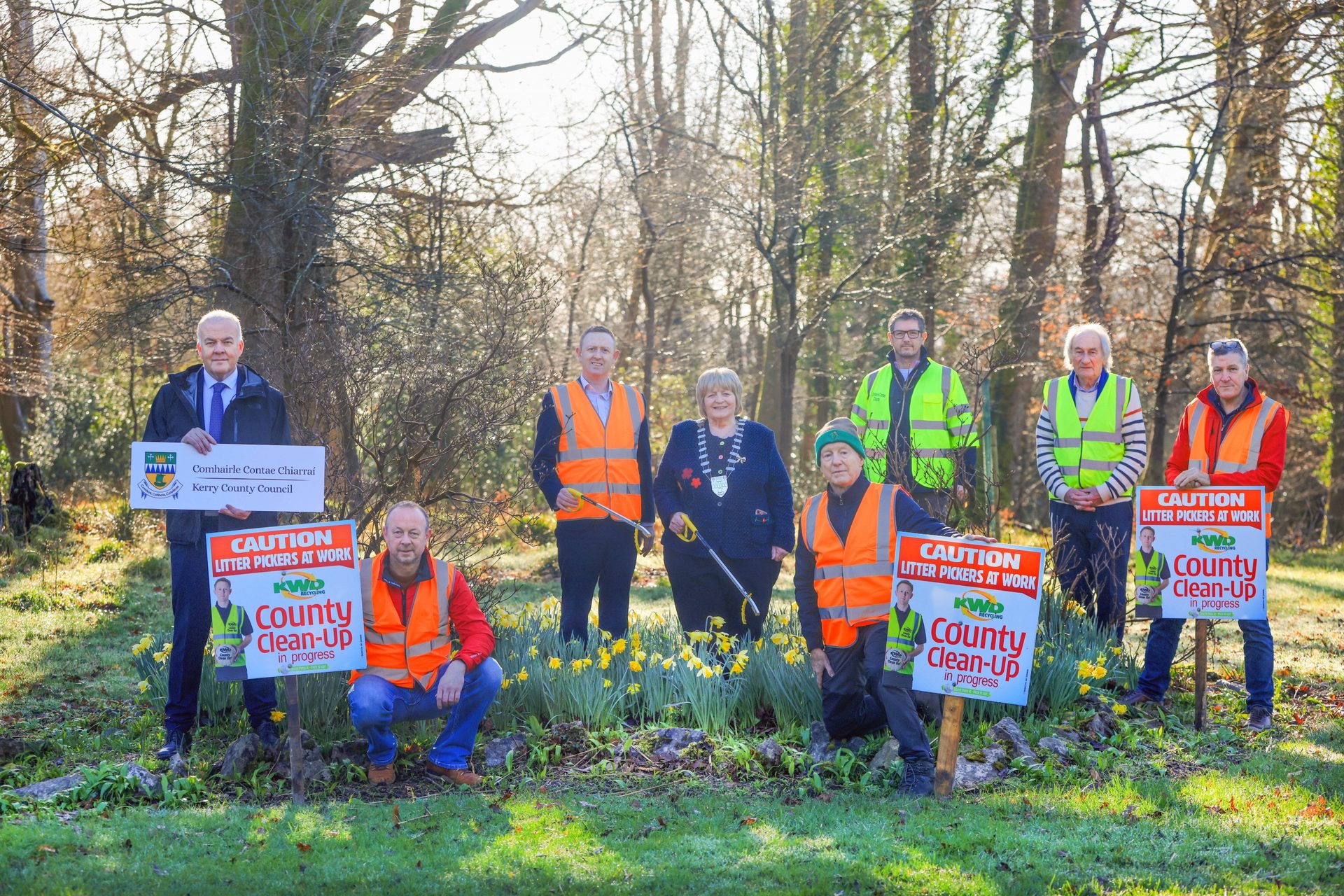
KWD Recycling shortlisted for national environmental awards
Killarney-based KWD Recycling has been announced as a finalist in the 2026 Repak Resource Awards, securing a spot on the national shortlist for environmental achievement.
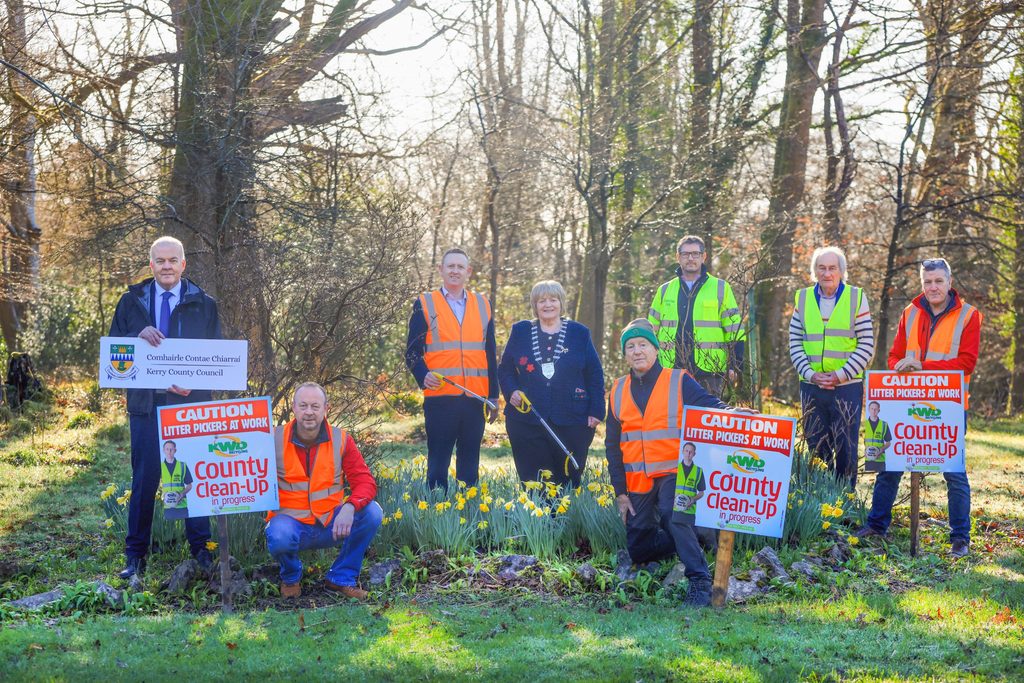
The local waste management company has been nominated in the Best Recovery Operator Innovation category, sponsored by DNV, for its state-of-the-art residual waste recovery system.
The Killarney facility utilizes optical sorting, screening, and mechanical processing to extract recyclable plastics and organic material from municipal waste. In its first year of operation, the technology recovered more than 10 per cent of plastic packaging from residual waste for recycling and diverted almost 50 per cent of organic material toward composting.
KWD Recycling will compete alongside Dublin operators Panda and Thorntons Recycling for the category title.
Repak CEO Zoe Kavanagh commended the Kerry firm for demonstrating environmental leadership and bringing local ambition to the national awards.
Category winners will be announced at a black-tie ceremony at the Mansion House in Dublin on Friday, October 23, where each winner will also compete for the Overall Repak Resource Award.
Local businesses have a strong track record at the national event, with Killarney town venue The Killarney Park and The Ross previously taking home the overall title in 2023.
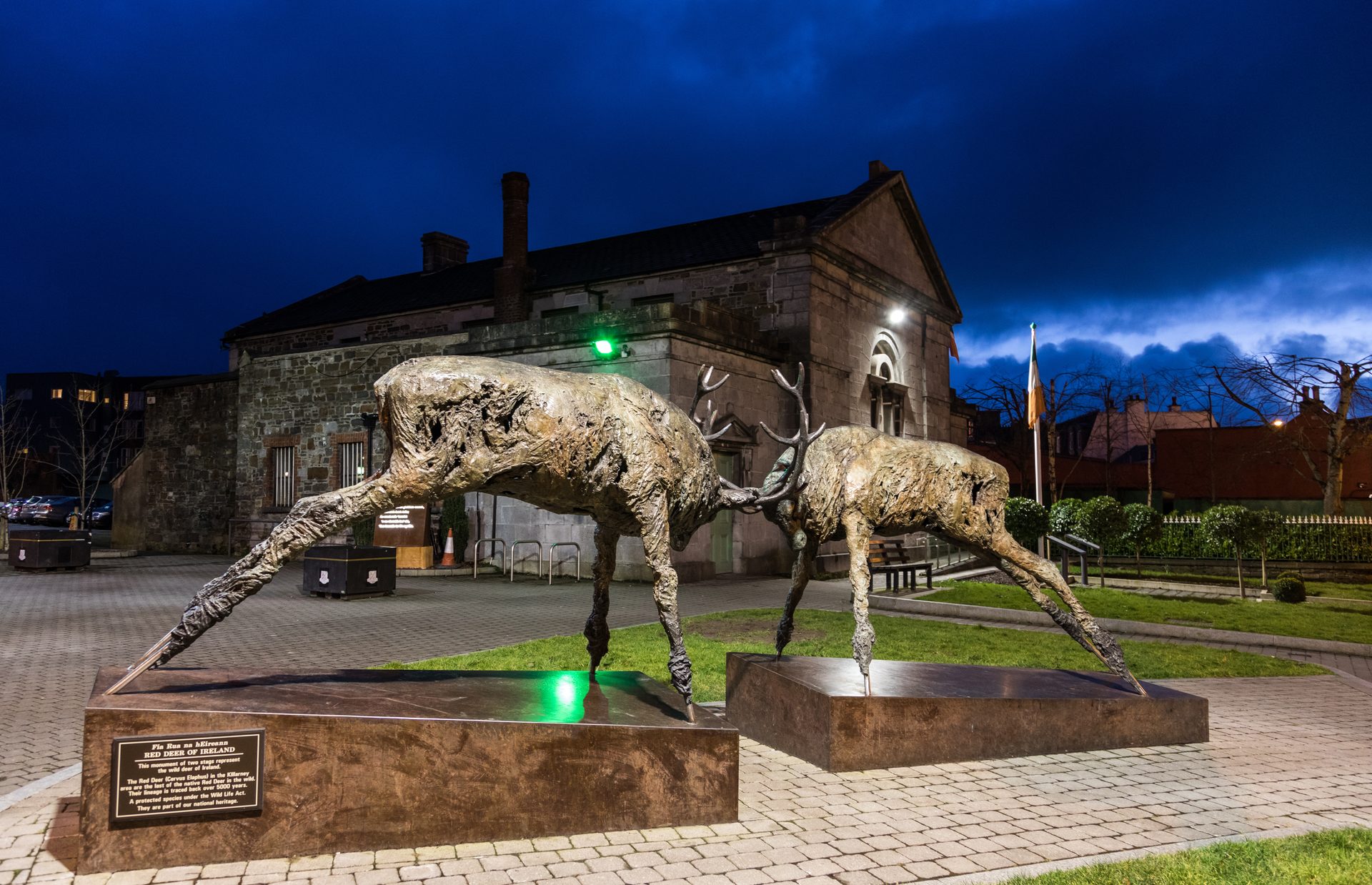
Drivers warned as deer rutting season begins
Motorists in Killarney are being urged to exercise extreme caution as the annual deer rutting season gets underway, causing animals to stray far beyond their usual habitats inside Killarney National Park.
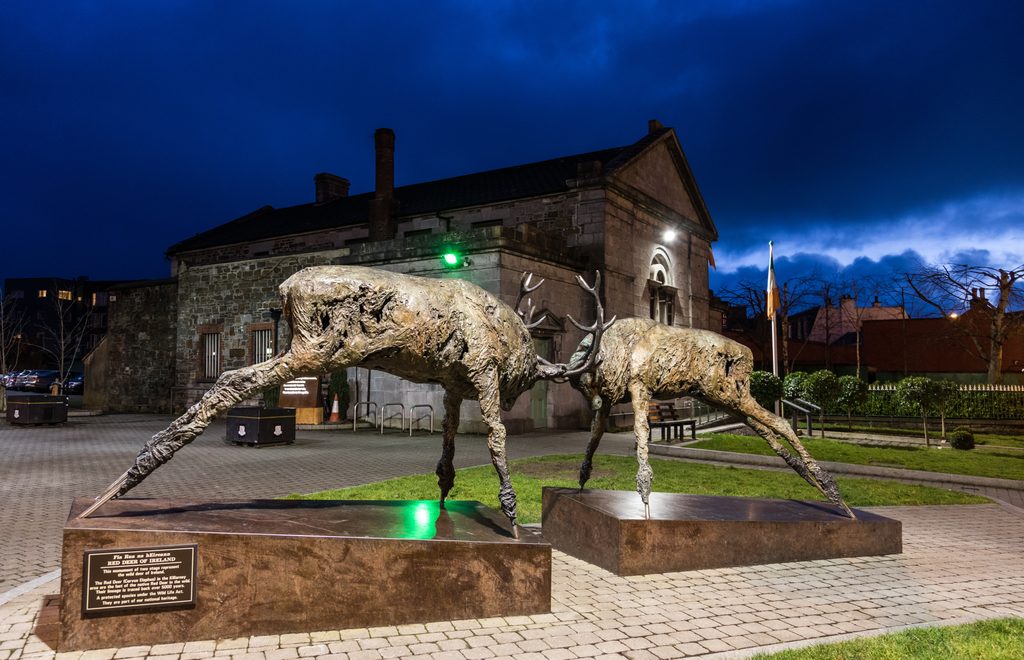
The autumn mating season sees deer becoming highly active and unpredictable, leading to increased sightings and collisions on local roads outside traditional park boundaries.
Two separate incidents highlighted the growing hazard on local routes this week. A reader contacted the Killarney Advertiser to warn drivers after spotting a deer roaming near Tiernaboul towards the school on Sunday afternoon around 7.30pm.
Later that same night, in the early hours of Monday morning, a local driver collided with a deer near Kerry Airport around 1am while returning home from an event.
Despite attempting evasive action, the motorist struck the animal, which died at the scene and temporarily blocked the road before local Gardaí were alerted to clear the obstruction.
The driver sustained substantial vehicle damage, requiring repairs to the bumper, headlamp, and internal components, leaving her facing significant garage costs and time off the road.
Gardaí and road safety advocates advise motorists travelLing during early morning and late evening and remain vigilant along tree-lined routes.
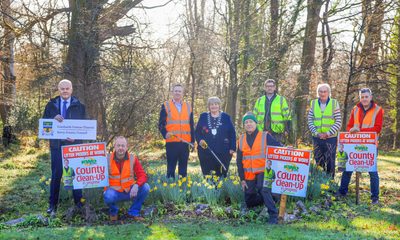

KWD Recycling shortlisted for national environmental awards
KWD Recycling shortlisted for national environmental awards Killarney-based KWD Recycling has been announced as a finalist in the 2026 Repak...
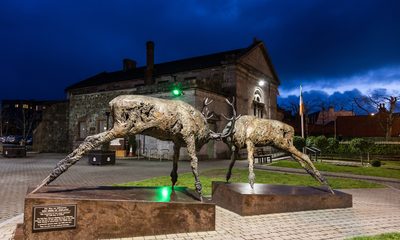

Drivers warned as deer rutting season begins
Drivers warned as deer rutting season begins Motorists in Killarney are being urged to exercise extreme caution as the annual...

Kerry Airport CEO addresses chamber luncheon
Kerry Airport chief executive Adrian Neilan addressed local business leaders at the Killarney Chamber of Tourism and Commerce luncheon at...
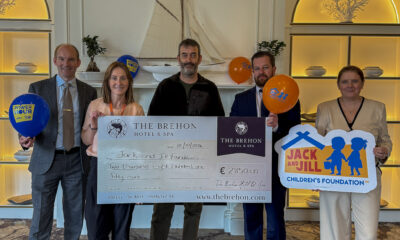

The Brehon raises €2,850 for Jack and Jill Foundation
The Brehon Hotel and Spa raised €2,850 for the Jack and Jill Children’s Foundation after hosting a closest-to-the-pin golf simulator...
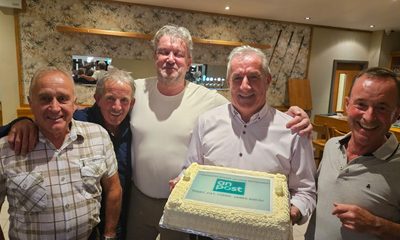

Five local postmen retire with 185 years service
Five local postmen retire with 185 years service RETIREMENT NIGHT: Pictured at the retirement party held at Killarney Racecourse on...
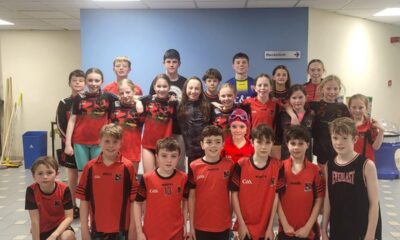

Fossa Swimmers make a splash at County Finals
The Fossa Swim team pictured at the Tralee Sports Complex following their successful outing at the County Finals of the...
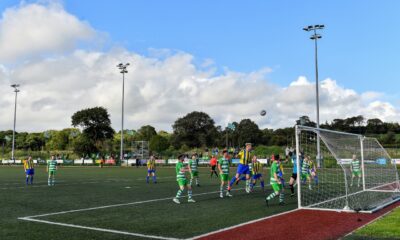

On the Ball Part 2 of the Mikey Daly Interview
Éamonn Fitzgerald EF: Killarney Celtic are invited to participate in an Irish competition. That has big financial implications for travel,...


LUKE MANGAN recently caught up with Kerry FC’s manager, Colin Healy.
He spoke to him about his careers as a player and manager. Here’s how it went: When you began your...


Home cup tie for St Paul’s could be epic
Paudie O’Connor National Cup (Round 1) Utility Trust St Paul’s v GCU Brunell Saturday 7.30pm Killarney Sports and Leisure Centre...


Chances of Kerry v Cork Munster final in 2026 decrease as Munster GAA delay seeding plan
After facing a backlash from Limerick, Clare, Waterford and Tipperary players, Munster GAA have postponed their plan to keep Cork...
