
News
Where do we stand in a higher interest rate environment?


By Michael O’Connor
You may have noticed that financial media have an unhealthy obsession with interest rates, but our fear of higher rates is justifiable for the most part.

.

.
Higher interest rates impact markets in several ways.
From a financial perspective, the future cash flows of a company are discounted by interest rates; therefore, higher interest rates mean a lower present value of future cash flows.
It’s simply ‘A bird in the hand is worth two in the bush’ situation. Higher interest rates mean the money companies are forecasting they will make in the future is now worth less in today’s terms once higher interest rates/inflation have been considered.
From a relative value perspective, the equity risk premium is reduced. The equity risk premium is the extra returns over the risk-free rate that investors expect to receive given the higher risks they are taking by investing in the stock market versus the risk-free rate.
If we consider US Government Treasury bills as the risk-free rate, then as the interest rates being offered on these T-Bills increase, the hurdle rate equities need to beat to justify the additional risk being taken also increases.
The interest rate on one-year Treasuries just a year ago was 0.07%, so stocks were the obvious choice versus an asset that offered zero returns. But the 1-Year Treasury Rate has jumped 60x in under a year to over 4%.
In investing, everything is a relative choice, so as interest rates increase in risk-free assets, equities become less compelling versus their risk-free counterpart.
The questions become, why take on the extra risk of the stock market when I can get a guaranteed 4% from a risk-free asset?
This reduction in the equity risk premium can lead to an outflow from equities into more risk-averse fixed-income products. This reduction in demand for stocks can result in lower valuations over time.
From an economic perspective, higher interest rates will increase the cost of credit.
Higher interest rates make loans more expensive for both businesses and consumers. As a result, everyone ends up forgoing upcoming projects or spending more on interest payments.
This reduces the demand side of the economy by reducing the supply of money in circulation, leading to lower inflation (in theory) and weaker economic activity.
This slowdown in consumer spending will reduce business activity and negatively affect company earnings.
And as company earnings fall, so too do the prices people are willing to pay to invest in these companies.
So where do we stand now that we are in a higher interest rate environment?
Market Outlook
Inflation remains persistent, and as such, interest rates look set to increase further, creating less than favourable economic conditions.
But whether the economic outlook is good or bad is never the question we are trying to answer as investors.
The only question that matters is how much of this negative news is already priced into the market.
With the S&P 500 currently down 23% YTD, it appears that a mild recession has already been priced in.
The possibility of a deep recession is still very much on the table as inflation persists. Still, as data continues to soften, we see encouraging signs that inflation may have peaked.
You’ll never time the markets perfectly, and short-term risks remain, but the long-term expected returns of the stock market have improved dramatically in recent months.
I, for one, am long-term bullish on the stock market. These current prices make it an attractive time to build out my long-term positions.

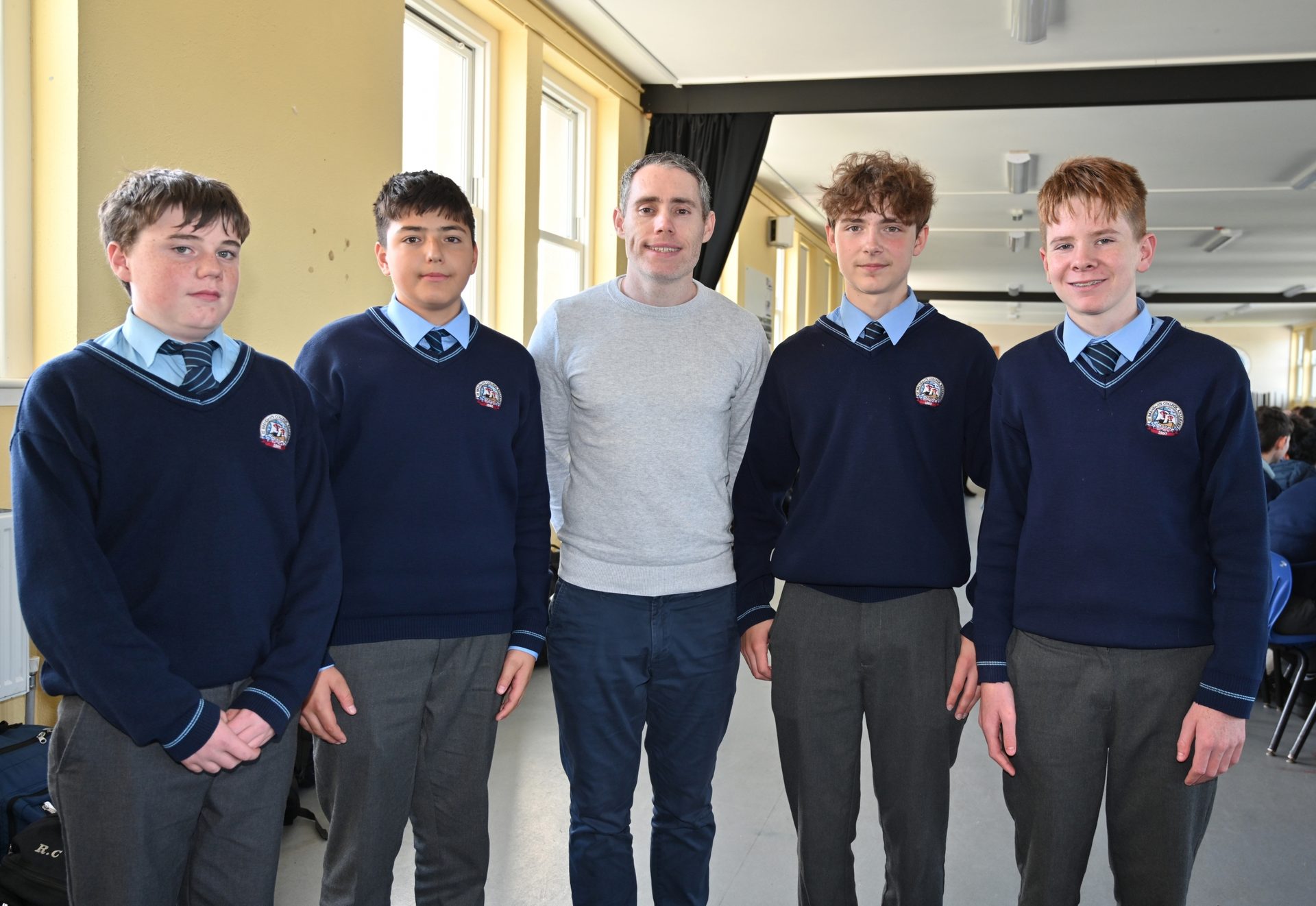
Paralympic legend Jason Smyth visits St Brendan’s
World renowned Paralympian and world record holder Jason Smyth paid a visit to St Brendan’s College on Wednesday afternoon as part of a high profile visit to Killarney.
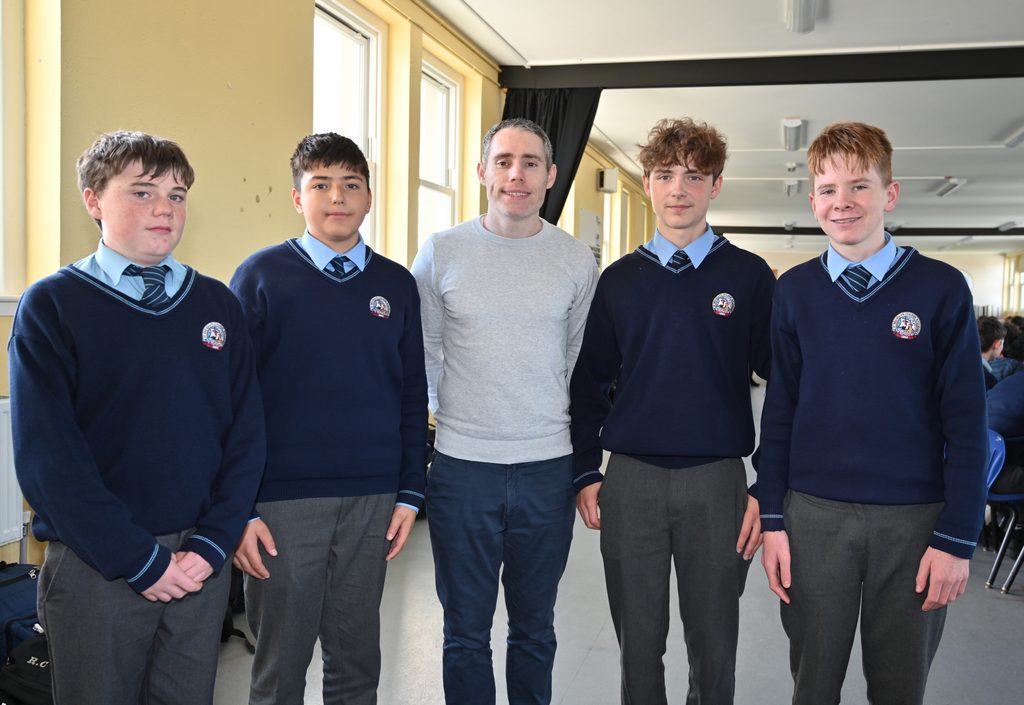
The six time Paralympic gold medallist spoke to second year students from St Brendan’s College, alongside students from neighbouring schools St Brigid’s Presentation Secondary School and Killarney Community College.
The interactive talk and interview took place ahead of World Sight Day, with the legendary sprinter sharing his personal journey with Stargardt disease, a genetic eye condition that left him legally blind at eight years old.
The Derry native, who holds the world record as the fastest Paralympian on earth over 100 metres, offered inspiring insights into overcoming physical adversity and achieving success at the highest level of world sport.
The school visit formed the opening leg of his Killarney schedule before he took centre stage later on Wednesday evening at The Killarney Plaza Hotel & Spa.
Smyth headlined An Evening with Paralympian Jason Smyth, an event organised by the Killarney Chamber of Tourism and Commerce as part of its winter schedule, sponsored by AIB.

Paralympic legend Jason Smyth visits St Brendan’s
Paralympic legend Jason Smyth visits St Brendan’s World renowned Paralympian and world record holder Jason Smyth paid a visit to...
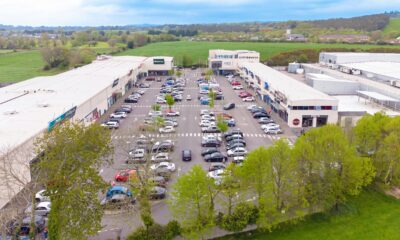

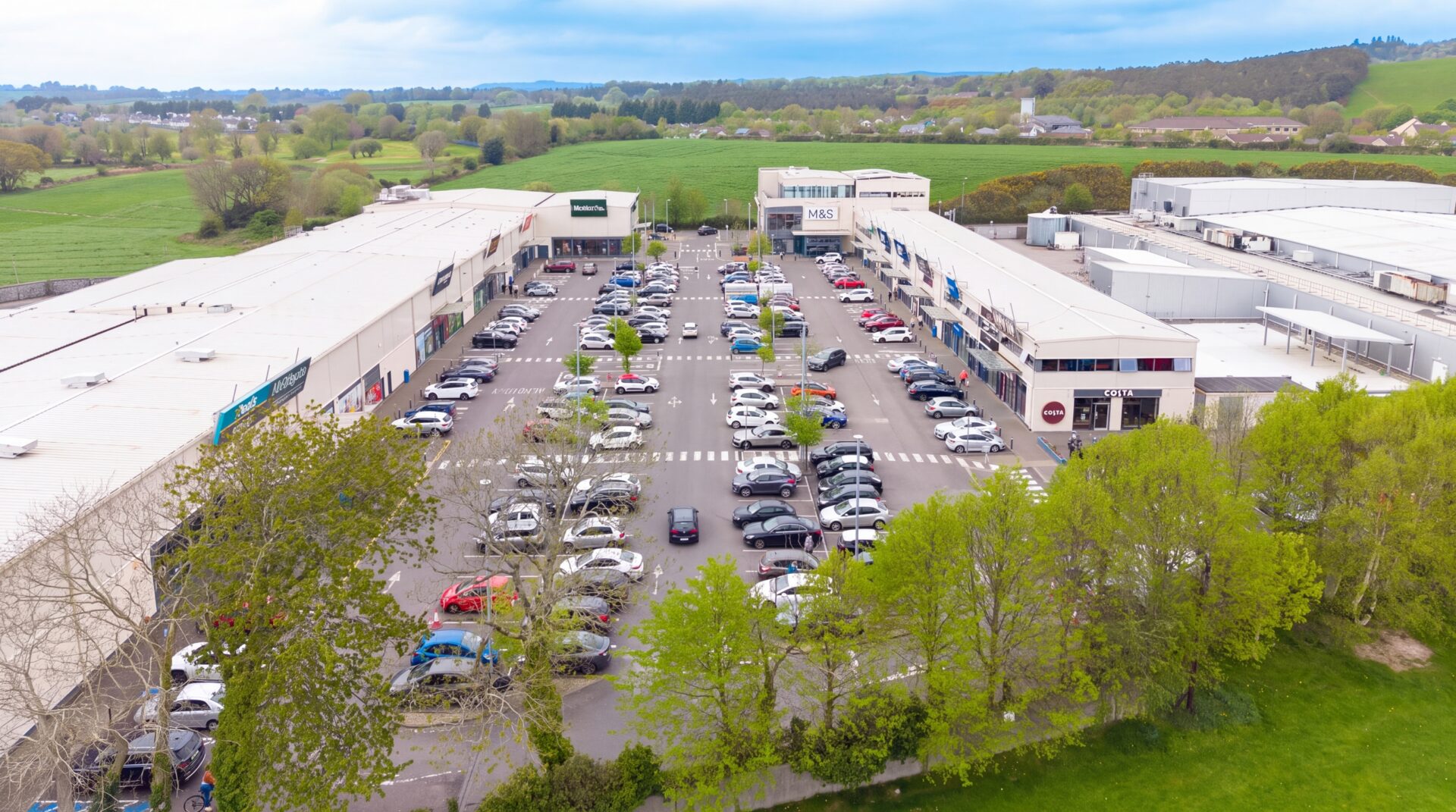
Deerpark Retail Park placed on market for fifteen million euro
Deerpark Retail Park in Killarney has officially been placed on the market with a guide price in excess of 15.4...
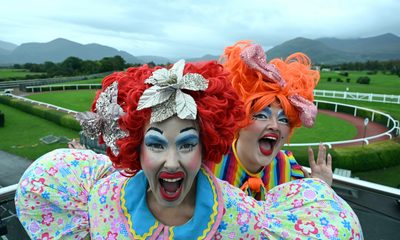

Killarney Racecourse to host first professional festive pantomime
Killarney Racecourse to host first professional festive pantomime A classic fairytale is set to receive a distinct Kerry makeover this festive...


Kerry artist explores identity at ANAM
Kerry artist explores identity at ANAM Kerry artist Felix Power is inviting the Killarney community to explore personal ideas of...


Town encouraged to wear bright colours for Kevin
Town encouraged to wear bright colours for Kevin The town of Killarney was encouraged to wear its brightest colours this...
