
News
Predicting the future


By Michael O’Connor
I received some bad news over the last few weeks, and it has changed my perspective on a few things.
One thing I realised is that it's the things you never see coming that truly impact your life.
We spend our days worrying about the obvious risks, and then our lives are upended by an event we could never have predicted.
This is true across so many aspects of life.
Investing is no different.
Much of my day job is focused on what happens next.
Are we headed for a recession, will the stock market crash, and how much will property prices fall?
These are all pressing questions, but these attempts to predict the future can be soul-destroying when the future is so hard to predict.
History is an endless stream of reasonable predictions upended by unforeseeable surprises.
In 2001, as we focused on the debt crisis in Europe, two planes struck the Twin Towers. In less than 90 minutes, the world changed in a way that was simply impossible to predict.
In 2020, as we focused on the implications of Trade Wars, a virus shut down the global economy, and 20 million Americans lost their jobs in a single week.
And on and on.
Paying attention to the known unknowns is essential, but it’s risks that we don't see coming that truly define us.
No preparation, no protection, maximum destruction.
So, if the surprises are what really move the needle, why do we spend so much time trying to predict the future?
Simple put, it helps us worry less.
Building a vision of the future and convincing ourselves it will play out offers unrivalled piece of mind - a sense of control in an entirely uncontrollable world.
The warm cozy hug of certainty is hard to resist.
Despite the allure, however, we must ask ourselves; why obsess over predicting the exact path when the probability of us getting it exactly right is so low? Surely this is an obvious waste of time and resources?
So how can we better allocate resources?
Focus on the bigger picture
Instead of arguing over the minutiae, we need to focus on the bigger picture.
So many risks could play out over the short term.
Inflation runs higher, and interest rates pull down stock market returns.
The real estate market falters, creating economic ripple effects;
Energy shortages
A new COVID strain
The point is, there is always risk.
History is just one thing after another.
There is never a utopian state of calm, but over the long run, humans have prevailed.
In the face of wars, depressions and pandemics, people have become more productive.
We have continued to innovate and create products and companies that are more and more profitable over time.
This is the detail we often fail to see - the glimmer of light in a dark room.
Our ability to adapt and overcome over time is undisputed.
So, instead of trying to predict exactly what happens next, trust that we will prevail over time and focus on the larger trends.
What innovations will inspire the next generation of profitable companies? How will changing demographics change the world?
You will never get it 100% right but focusing on the stuff that really matters certainly improves your odds.
To learn what companies to invest in and to get direct access to my personal investment portfolio go to www.theislandinvestor.com.

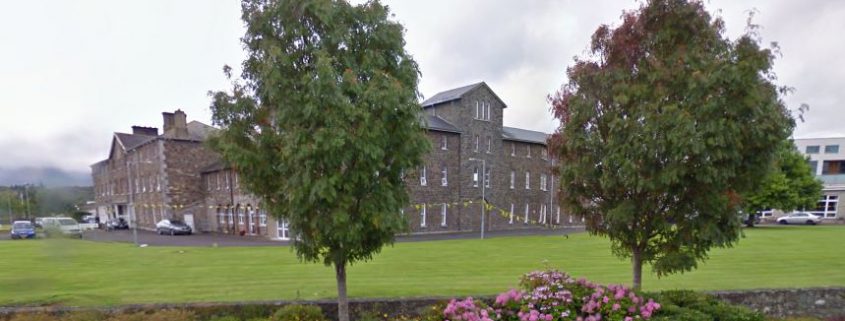
A design team has been appointed to advance plans for the proposed Minor Injury Unit on the grounds of St Columbanus Home though the HSE has confirmed it cannot yet give a construction or opening timeline.
Fianna Fáil TD Deputy Michael Cahill received the update in response to a Parliamentary Question submitted to the Minister for Health. HSE South West confirmed the newly appointed team will progress the project through design development, planning, and regulatory approval following the transfer of residents to the new Killarney Community Nursing Unit.
Deputy Cahill welcomed the appointment of the design team but raised concerns over the lack of a definitive schedule.
“I welcome the appointment of a design team, which represents progress towards delivering this important facility. However, I am concerned that the HSE is still unable to provide a definitive timeline. Previous indications from HSE officials pointed towards construction commencing in 2026, with completion anticipated in 2027. We now need clarity on the project schedule and assurances that there will be no unnecessary delays,” Deputy Cahill said.
He noted that the facility is vital to serve Killarney and the wider east, mid, and south Kerry regions while relieving pressure on the Emergency Department at University Hospital Kerry.
The HSE also confirmed it is finalising a broader review of healthcare accommodation across Killarney to develop the St Columbanus campus as an integrated healthcare hub.
“As a member of the Oireachtas Joint Committee on Health, I will continue to press the HSE and the Minister for Health to ensure this project is progressed without further delay. People across Killarney, east, mid, west and south Kerry deserve certainty. The appointment of a design team is welcome but the next priority must be getting this project to construction and delivering the facility,” Deputy Cahill concluded.
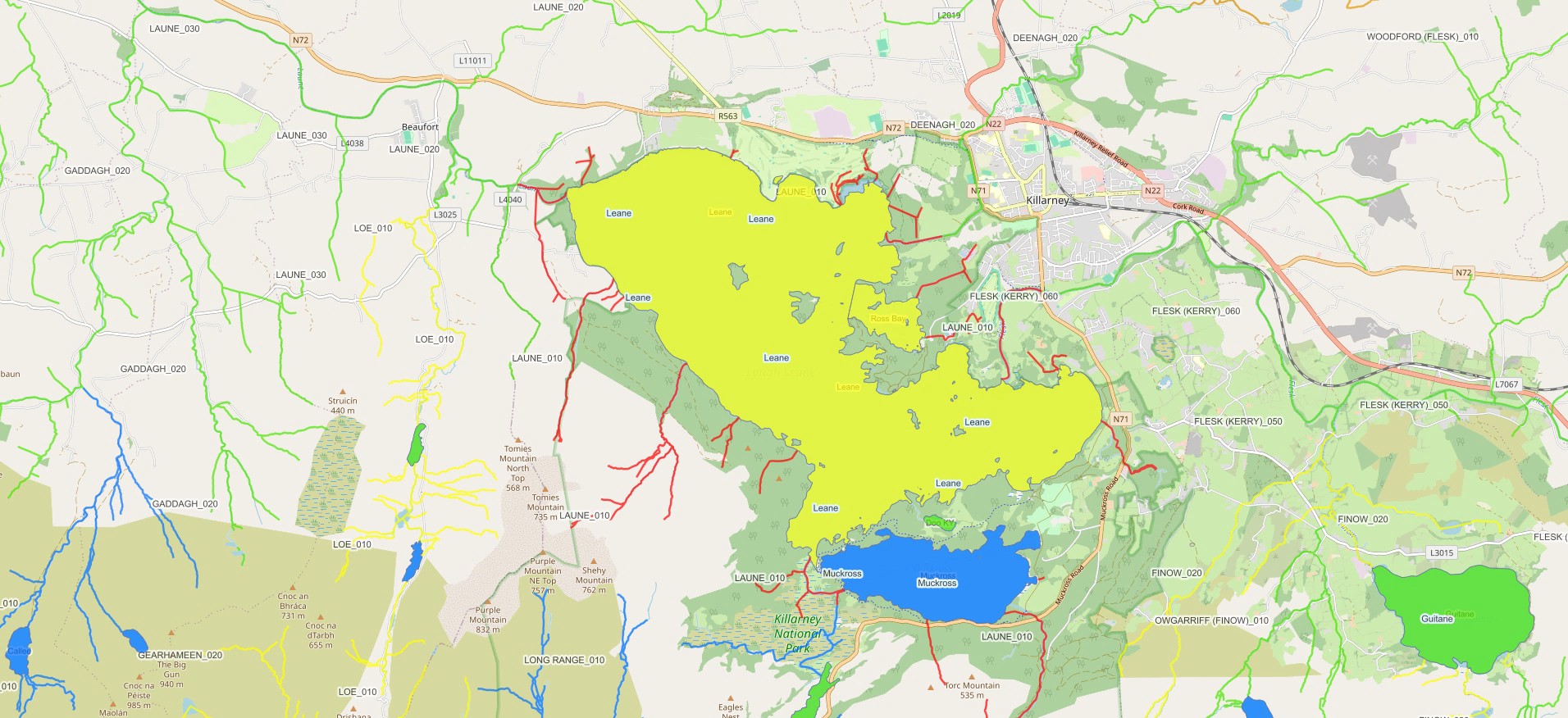
Lochanna Beo’s mapping highlights water quality concerns
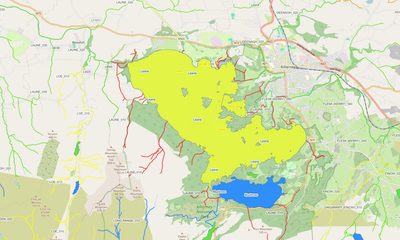
Local environmental action group Lochanna Beo has released mapping data from the Environmental Protection Agency (EPA) to draw attention to deteriorating water quality across Killarney and the broader Laune Catchment.
The EPA map uses a colour-coded system to rate water quality status from 2019 to 2024: blue indicates high status, green indicates good, yellow represents moderate, brown denotes poor, and red signifies bad status.
The figures indicate significant ecological pressure on local lakes and rivers compared to neighbouring areas across County Kerry.
Formed during the summer of 2026, Lochanna Beo aims to bring together residents, business owners, agricultural operators, and public bodies to address the key factors affecting the regional aquatic ecosystem.
The community initiative is seeking direct engagement with relevant statutory authorities to implement practical restoration measures and protect the long-term health of Killarney’s water bodies.

Design team appointed for injury unit
A design team has been appointed to advance plans for the proposed Minor Injury Unit on the grounds of St...

Lochanna Beo’s mapping highlights water quality concerns
Lochanna Beo’s mapping highlights water quality concerns Local environmental action group Lochanna Beo has released mapping data from the Environmental...

Stefan Caulfield-Dreier signs professional cycling contract
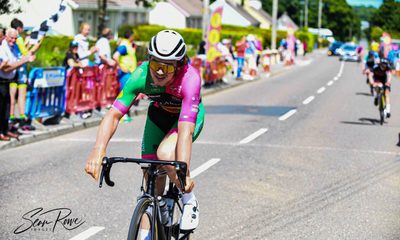
Former Killarney Cycling Club rider Stefan Caulfield-Dreier has secured a professional contract with leading Dutch-based outfit Azerion-Villa Valkenburg. The 23-year-old...

Church seeks creative Christmas trees for festival
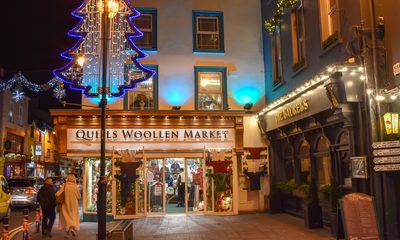
Church seeks creative Christmas trees for festival The Methodist Church in Killarney is inviting local schools, community groups, businesses, and...


€6,000 Scrooge Giveaway!
€6,000 Scrooge Giveaway! Six lucky audience members will each walk away with €1,000 as the Gleneagle Arena welcomes an extraordinary...
