
News
Time to turn your attention to the vegetable garden


By Debby Looney, gardening expert
I did some tidying and planting last weekend, mainly in the fruit area of the garden, so this week I am turning my attention to the vegetable garden.


To my disgust, my blackberries had died – I thought they were indestructible! So I took myself off to buy some new replacements, and thought I would share with you my top picks.
Blackberries
These are definitely my favourite fruit, and, to be fair, my plants only died due to extreme neglect. ‘Loch Ness’ is thornless and semi erect. The fruit is borne on second year wood, so keep an eye on your pruning. ‘Black Satin’ is a lovely early fruiting blackberry, on the tart side. These cultivated blackberries are not rampant like our own, and need to be kept weed free until established, as I have found to my detriment!
Boysenberries are a cross between a raspberry, loganberry and blackberry, with a deep red fruit. They are a fairly small fruit bush, ideal for smaller gardens and containers. It fruits on one year old wood, and is best trained in a fan shape, so you can keep new shoots to one side.
Loganberries
These are a cross between a raspberry and a blackberry and ideally suited to our weather conditions. They do not tend to go off as quickly as a raspberry and are, in my opinion, easier to prune and train. They also fruit on second year wood.
Tayberries
Tayberries are also a cross between blackberries and raspberries, fruiting and keeping well. Also fruiting on second year wood they should be trained and pruned like raspberries. There are two types of raspberries, summer fruiting such as ‘Malling Jewel’ and autumn fruiting such as ‘Autumn Bliss’. When you have both you are ensured a long season, however it is important you label both as they need different types of pruning. Summer fruiting canes should be cut back almost to ground level, and the new growth tied up for the following year's fruiting. Autumn varieties on the other hand can be cut back completely during the winter, as they fruit on current years’ growth.
Gooseberry
Another favourite of mine is the gooseberry, especially the sweeter, darker varieties such as ‘Pax’ which is a lovely ruby colour and resistant to mildew. The worst that can happen your gooseberry plant, and which my plants regularly fall victim to, is the gooseberry sawfly. These are an orange coloured fly which lays its eggs on your gooseberries, but will also go for currants. The larvae look like caterpillars; green, with orange dots, and will strip your plant of leaves within hours! The best control is to keep a close eye on your plant, or use a spray such as Grazers caterpillar control, which is safe to use on edibles.
Fruit cages
The main part of my job last weekend was erecting fruit cages over my plants. Birds are by far the most worrisome pest, and strong netting is the only protection against them. I bought the handiest caging – aluminium poles, which can be connected using matching corners, connectors and end caps. Light, reasonably study, and super easy to put together, even for two left hands such as mine, I heartily recommend investing in some type of protection. If you're feeling sorry for the birds, which I do, an option is to plant some Aronia bushes. These are great for them as they can be used as shelter, have very pretty red autumn foliage, and masses of black round berries which I find too sour, but the thrushes and blackbirds seem to love them! These plants need no maintenance, are disease free, and grow in the most adverse conditions…naturally!

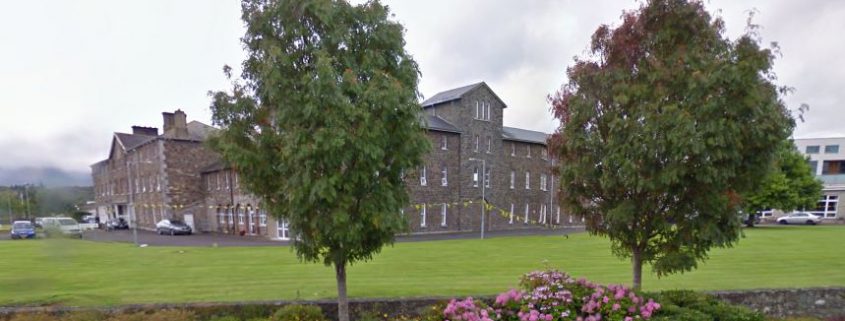
A design team has been appointed to advance plans for the proposed Minor Injury Unit on the grounds of St Columbanus Home though the HSE has confirmed it cannot yet give a construction or opening timeline.
Fianna Fáil TD Deputy Michael Cahill received the update in response to a Parliamentary Question submitted to the Minister for Health. HSE South West confirmed the newly appointed team will progress the project through design development, planning, and regulatory approval following the transfer of residents to the new Killarney Community Nursing Unit.
Deputy Cahill welcomed the appointment of the design team but raised concerns over the lack of a definitive schedule.
“I welcome the appointment of a design team, which represents progress towards delivering this important facility. However, I am concerned that the HSE is still unable to provide a definitive timeline. Previous indications from HSE officials pointed towards construction commencing in 2026, with completion anticipated in 2027. We now need clarity on the project schedule and assurances that there will be no unnecessary delays,” Deputy Cahill said.
He noted that the facility is vital to serve Killarney and the wider east, mid, and south Kerry regions while relieving pressure on the Emergency Department at University Hospital Kerry.
The HSE also confirmed it is finalising a broader review of healthcare accommodation across Killarney to develop the St Columbanus campus as an integrated healthcare hub.
“As a member of the Oireachtas Joint Committee on Health, I will continue to press the HSE and the Minister for Health to ensure this project is progressed without further delay. People across Killarney, east, mid, west and south Kerry deserve certainty. The appointment of a design team is welcome but the next priority must be getting this project to construction and delivering the facility,” Deputy Cahill concluded.
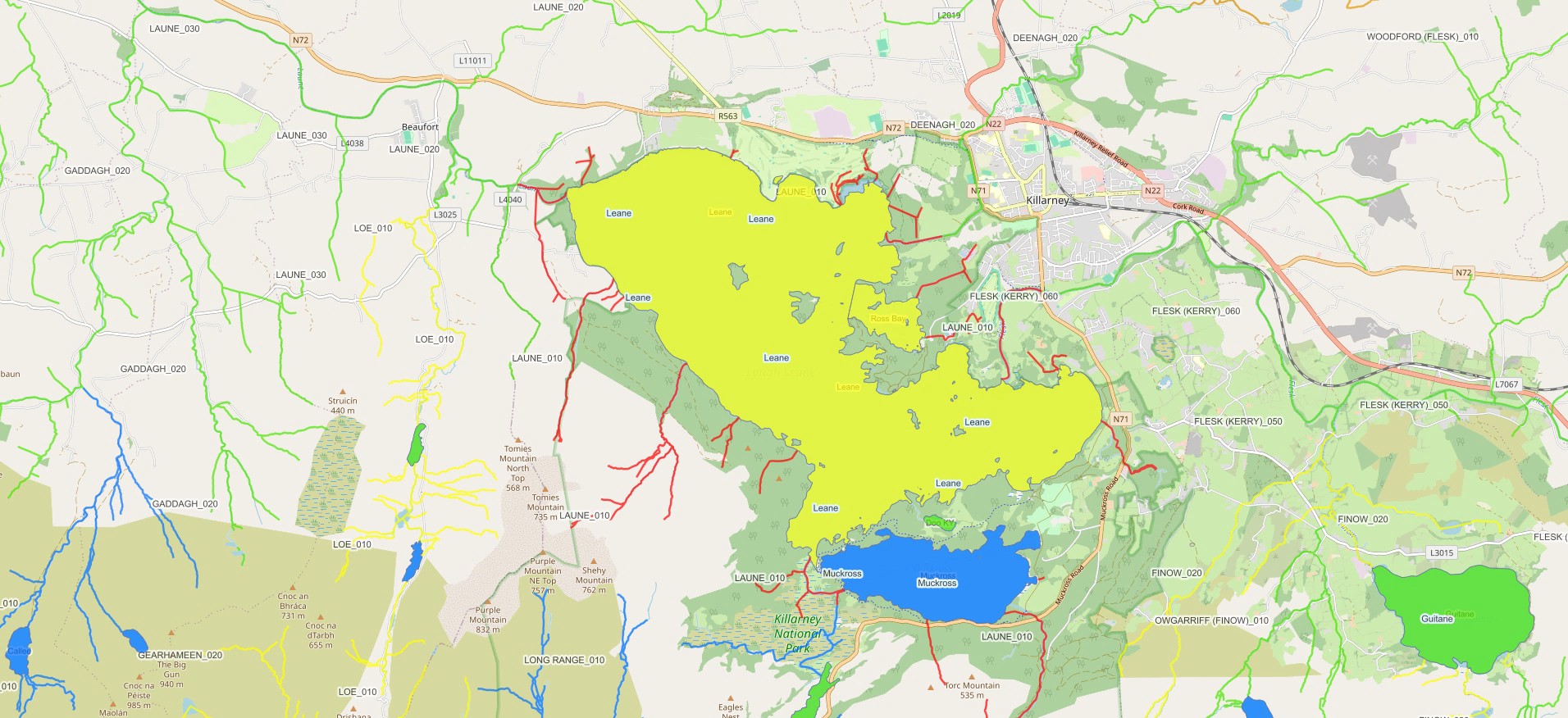
Lochanna Beo’s mapping highlights water quality concerns
Local environmental action group Lochanna Beo has released mapping data from the Environmental Protection Agency (EPA) to draw attention to deteriorating water quality across Killarney and the broader Laune Catchment.
The EPA map uses a colour-coded system to rate water quality status from 2019 to 2024: blue indicates high status, green indicates good, yellow represents moderate, brown denotes poor, and red signifies bad status.
The figures indicate significant ecological pressure on local lakes and rivers compared to neighbouring areas across County Kerry.
Formed during the summer of 2026, Lochanna Beo aims to bring together residents, business owners, agricultural operators, and public bodies to address the key factors affecting the regional aquatic ecosystem.
The community initiative is seeking direct engagement with relevant statutory authorities to implement practical restoration measures and protect the long-term health of Killarney’s water bodies.

Design team appointed for injury unit
A design team has been appointed to advance plans for the proposed Minor Injury Unit on the grounds of St...
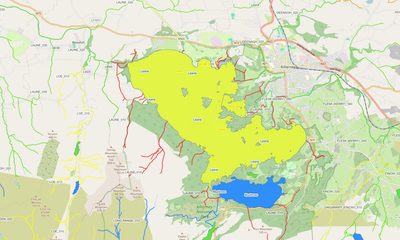

Lochanna Beo’s mapping highlights water quality concerns
Lochanna Beo’s mapping highlights water quality concerns Local environmental action group Lochanna Beo has released mapping data from the Environmental...
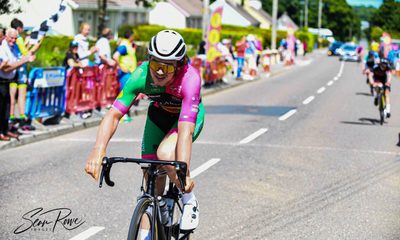

Stefan Caulfield-Dreier signs professional cycling contract
Former Killarney Cycling Club rider Stefan Caulfield-Dreier has secured a professional contract with leading Dutch-based outfit Azerion-Villa Valkenburg. The 23-year-old...
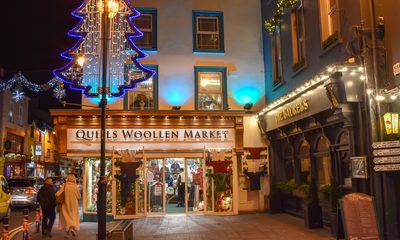

Church seeks creative Christmas trees for festival
Church seeks creative Christmas trees for festival The Methodist Church in Killarney is inviting local schools, community groups, businesses, and...


€6,000 Scrooge Giveaway!
€6,000 Scrooge Giveaway! Six lucky audience members will each walk away with €1,000 as the Gleneagle Arena welcomes an extraordinary...
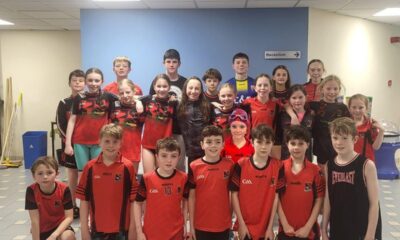

Fossa Swimmers make a splash at County Finals
The Fossa Swim team pictured at the Tralee Sports Complex following their successful outing at the County Finals of the...

On the Ball Part 2 of the Mikey Daly Interview
Éamonn Fitzgerald EF: Killarney Celtic are invited to participate in an Irish competition. That has big financial implications for travel,...


LUKE MANGAN recently caught up with Kerry FC’s manager, Colin Healy.
He spoke to him about his careers as a player and manager. Here’s how it went: When you began your...


Home cup tie for St Paul’s could be epic
Paudie O’Connor National Cup (Round 1) Utility Trust St Paul’s v GCU Brunell Saturday 7.30pm Killarney Sports and Leisure Centre...


Chances of Kerry v Cork Munster final in 2026 decrease as Munster GAA delay seeding plan
After facing a backlash from Limerick, Clare, Waterford and Tipperary players, Munster GAA have postponed their plan to keep Cork...
