
Sport
OPINION: Plan B isn’t perfect but it’s a step in the right direction


The ‘league as championship’ model has its flaws but it must be passed at Congress nevertheless, writes Adam Moynihan
As I was weighing up the rights and wrongs of the ongoing football championship debate, a quote by the American political columnist George Will came to mind. I have no idea who the man is if I’m being perfectly honest. The politics of Kerry football keep me busy enough without concerning myself with Capitol Hill.
But I happened upon this line of his once and for some reason it stuck with me. “The pursuit of perfection often impedes improvement.”
‘Perfect’ is always the goal but sometimes ‘better’ is good enough.
Plan B is certainly not perfect. Far from it. In fact, I would describe it as a pretty poorly thought-out proposal. My biggest concern is the fact that the Division 3 and 4 winners (the 17th and 25th ranked teams in the football pyramid) will participate in the All-Ireland series, while the 6th, 7th and 8th teams will not. The 12th to 16th placed teams will also be eliminated without playing a single knockout championship game.
Sport is supposed to be a meritocracy. It’s hard to justify granting the 25th best team in the country a shot at the All-Ireland while the 6th best team are left behind. Frankly, it smacks of the GAA pandering to the weaker counties in a fairly condescending way. They are effectively saying, “here you go, you can still win Sam”. Before muttering, “good luck against Dublin” once they’re safely out of earshot.
If Proposal B does get the go ahead, this is one crease that needs to be ironed out.
As I’ve said before in this column, I also don’t believe that two tiers are enough. There will still be mismatches between the strongest and weakest teams in the All-Ireland Championship and the strongest and weakest teams in the Tailteann Cup.
But the bottom line for me as a fan and a journalist, and I truly hope it will be the bottom line for at least 60% of voters at Saturday’s Congress, is that Plan B is an improvement. It’s better than what we have currently, and it’s a lot better than the other proposal on the table.
SIMILAR LEVEL
Plan B will give teams more championship matches against opposition who are operating at a similar level as them. Kerry beating Tipperary by 15 points does nothing for the development of Kerry or Tipperary football. In order to grow, Kerry need to be playing against teams who can beat them, and Tipperary need to be playing against teams whom they can beat. (And in order to enjoy the fare, spectators and television viewers need to see matches that are not foregone conclusions.)
In the early days of the two-tier debate, some dissenting voices from the traditionally less successful teams complained that they could no longer win the Sam Maguire if they were “demoted” to a ‘B’ championship. (Which is probably why the Division 3 and Division 4 winners are getting a golden ticket to take part in the preliminary quarter-finals of the ‘A’ championship.) Leaving aside the fact that some of these teams have won exactly none of the 134 previous iterations of the tournament, this attitude is patently self-defeating.
Playing in the Tailteann Cup (or, preferably, a third-tier championship) would actually greatly increase their chances of lifting Sam in the medium-to-longer term. Lining out against teams of a similar standing would allow them to put a run together, and so build momentum, and so build confidence. This is how the weak teams develop. Not by getting tanked by an All-Ireland contender on an annual basis.
Who’s to say that a Division 4 team like Wicklow can’t steadily build by getting good results over a number of years, win the Tailteann Cup, and eventually find their footing at senior level? It might take a decade. It might take two or three of them. But isn’t ‘some day’ better than ‘never’?
Look at a club like Kenmare Shamrocks. Ten years ago they were playing junior football but by graduating on merit through the Kerry Club Championship system, they are now a major force at senior level. Last weekend they competed in their second successive senior club final. Would they be where they are now if Kerry football wasn’t structured the way it is? I would say probably not. Success breeds success. If they were getting tarred by Dr Crokes in an “All-Kerry” championship in 2011, they’d probably still be getting tarred by Dr Crokes in 2021. They earned their right to sit at the top table, and the journey has made them what they are.
Another criticism of Plan B is that it will downgrade the importance of the provincial championships. For what it’s worth, my personal response to that is fairly straightforward: good.
KERRY TEAM
As for the Kerry team, Plan B works for them too. The players are in favour of it. A poll on my personal Twitter account suggests that over 87% of Kerry supporters are in favour of it.
However, the Kerry delegation heading to HQ are apparently undecided and waiting to have their arms twisted on the day. It’s a little surprising that they haven’t yet made their minds up – it’s not like there hasn’t already been enough public debate on the issue – but we must reserve judgment until they make their final call. As long as they arrive at the right decision, that’s all that matters.
The ill-conceived Plan A (four provincial groups of eight plus knockout) appears to be a complete non-runner for Kerry and for most counties, which is a relief because this motion comes directly before Plan B on the agenda. If Plan A were to get the necessary 60% majority, the arguments for and against Plan B wouldn’t even be heard.
TIDE
Cork, Tipperary, Clare, Carlow, Louth, Wexford, Meath, Offaly, Kildare, Westmeath, Longford, Roscommon, Leitrim, Sligo and Down have confirmed that they will be backing Plan B.
The rest of Ulster are expected to vote against the motion, along with Galway and Mayo.
On Wednesday, GAA President Larry McCarthy and Director General Tom Ryan threw their considerable weight behind the ‘league as championship’ model. McCarthy urged delegates to be “bold” and go for the more radical proposal. I don’t even think it takes boldness to opt for Plan B. All it takes is a little bit of common sense.
After years of debate, the tide appears to have turned the right way for those who seek progress. That being said, this is the GAA. There is bound to be resistance in certain quarters - a desire to keep to the status quo. These traditionalists, and those with genuine reservations, will point to how imperfect Plan B is, and they’re not wrong. Plan B isn’t perfect. It’s just better.
Isn’t that enough?


News
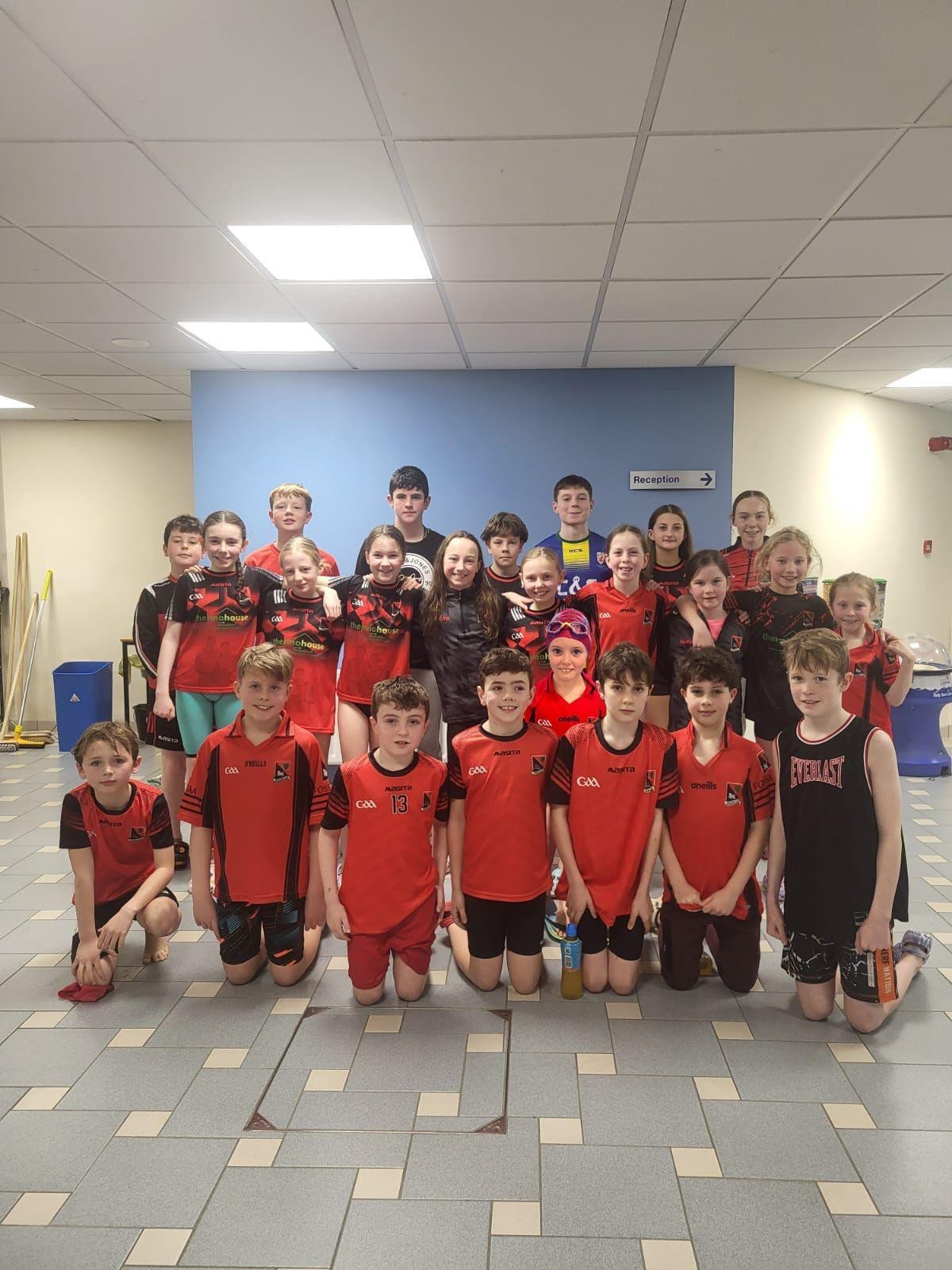
Fossa Swimmers make a splash at County Finals
The Fossa Swim team pictured at the Tralee Sports Complex following their successful outing at the County Finals of the Community Games on Sunday, February 15. The 25-strong squad delivered […]

News
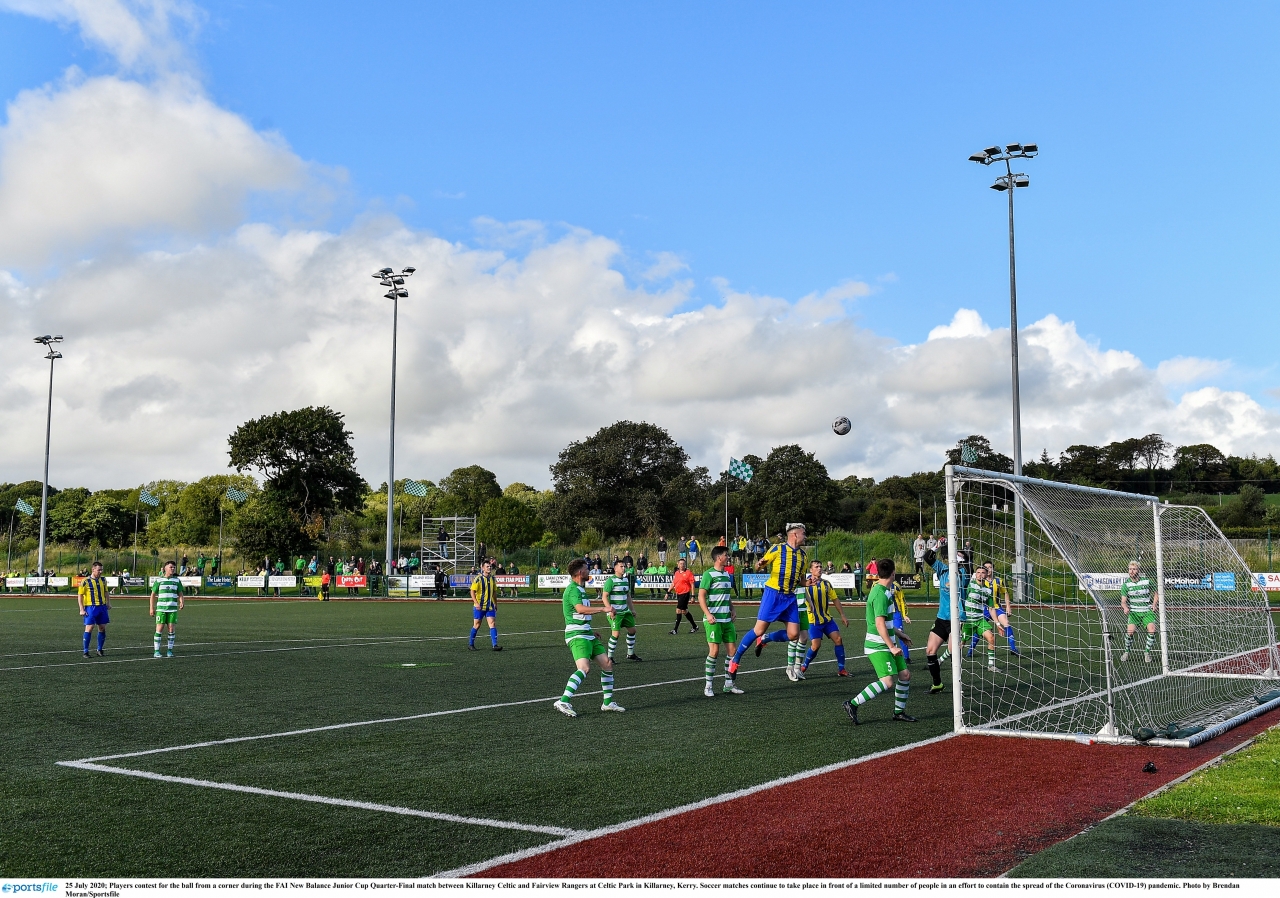
On the Ball Part 2 of the Mikey Daly Interview
Éamonn Fitzgerald EF: Killarney Celtic are invited to participate in an Irish competition. That has big financial implications for travel, meals, etc. MD: It is great to be invited, showing […]

KWD Recycling shortlisted for national environmental awards
KWD Recycling shortlisted for national environmental awards Killarney-based KWD Recycling has been announced as a finalist in the 2026 Repak...

Drivers warned as deer rutting season begins
Drivers warned as deer rutting season begins Motorists in Killarney are being urged to exercise extreme caution as the annual...


Kerry Airport CEO addresses chamber luncheon
Kerry Airport chief executive Adrian Neilan addressed local business leaders at the Killarney Chamber of Tourism and Commerce luncheon at...

The Brehon raises €2,850 for Jack and Jill Foundation
The Brehon Hotel and Spa raised €2,850 for the Jack and Jill Children’s Foundation after hosting a closest-to-the-pin golf simulator...

Five local postmen retire with 185 years service
Five local postmen retire with 185 years service RETIREMENT NIGHT: Pictured at the retirement party held at Killarney Racecourse on...
