News
Pruning is an easy job


By Debby Looney, gardening expert
Most shrubs and trees are entering their dormant stage now but unfortunately gardening itself doesn't!

.

.
One of the most important jobs before winter is upon us is pruning. Many of us live in exposed areas, and winter gales can really take their toll on plants. Excessive rocking in water sodden ground not only causes plants to break but it can also increase the ever growing hole in the ground which fills with water thus rotting the roots. Staking is an obvious solution, especially in the case of trees. The use of two stakes is ideal in very windy sites and in some cases putting the stakes at an angle against the prevailing winds is necessary. It is generally accepted that staking one third up the height of the main trunk of a tree is sufficient, rather than trying to stake the entire length of it. The second solution to wind damage is pruning. The less top heavy a tree is, or the less straggly a shrub is, the less likely it is to catch the full force of the wind. Many people are quite daunted by the prospect of cutting into their plants. It is an understandable fear; plants, and especially trees, can cost a lot. Pruning in general is an easy job if you follow some simple guidelines. First of all, never prune stone fruits such as any type of cherry, plum etc, until summer. This is to avoid silver leaf curl. Secondly, maple trees are also best left until they are in leaf. They produce a lot of sap which weeps from the cut, putting the plant under pressure. However, if left until late spring or summer, the sap no longer rises with such force. The main reason for pruning is to remove dead or diseased parts of a plant. Therefore, take a look at your plant before cutting. Remove old, sick or dead wood first. Then take a look at the shape, trim it, then take a look at the middle or inside of the plant. If the stems are crossing over each other take out the ones which are not growing outwards. This should give you a goblet shape, which is particularly important for fruit and roses. An open goblet shape will encourage flowering and fruiting as well as allow air to circulate, reducing the risk of diseases, especially fungi such as botrytis, blackspot and rust. Try always to cut an inch or two above an outward facing healthy bud, slanting away, so that water is directed away from that bud, preventing rot. Most plants can be cut back by one third their size, or, if they are very overgrown, half is generally safe. If you are worried about taking too much off, do so in increments. Either take one third of the overall height off this year, and again next year, or, alternatively, prune one third of the stems back hard, and another one third next year, and so on.
Finally, the tools you use should be fit for purpose. There are two types of secateurs and loppers; bypass and anvil. The bypass cutter is what I always use. It has two blades which, as the name suggests, pass by each other giving a clean, sharp cut. Anvil types have on flat edge, and these are used for dead wood.

Concerns grow over rough sleeping beside Cathedral
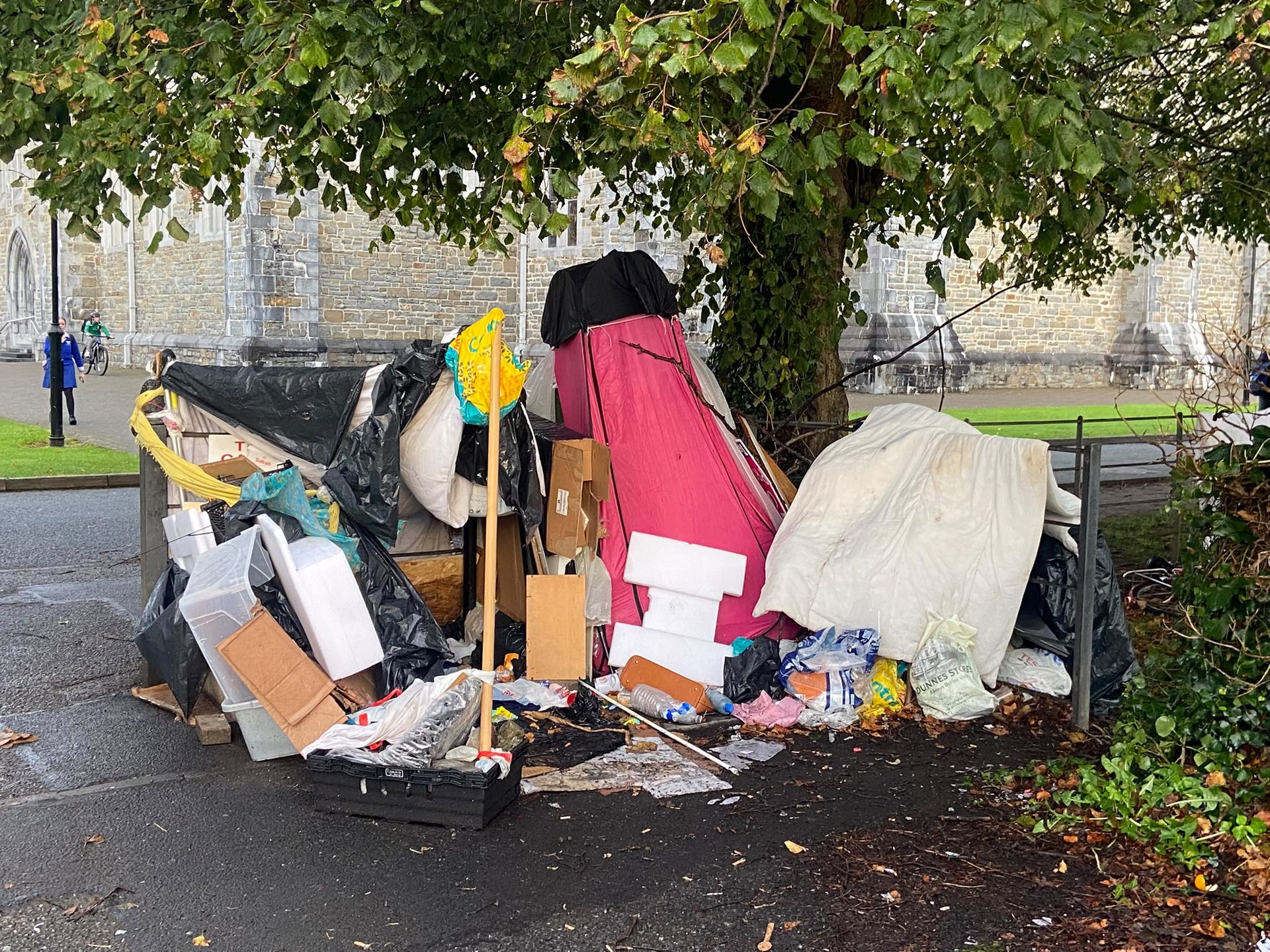
A makeshift encampment beside St Mary’s Cathedral has renewed debate over rough sleeping in Killarney, raising questions about support for vulnerable people and the management of public spaces.
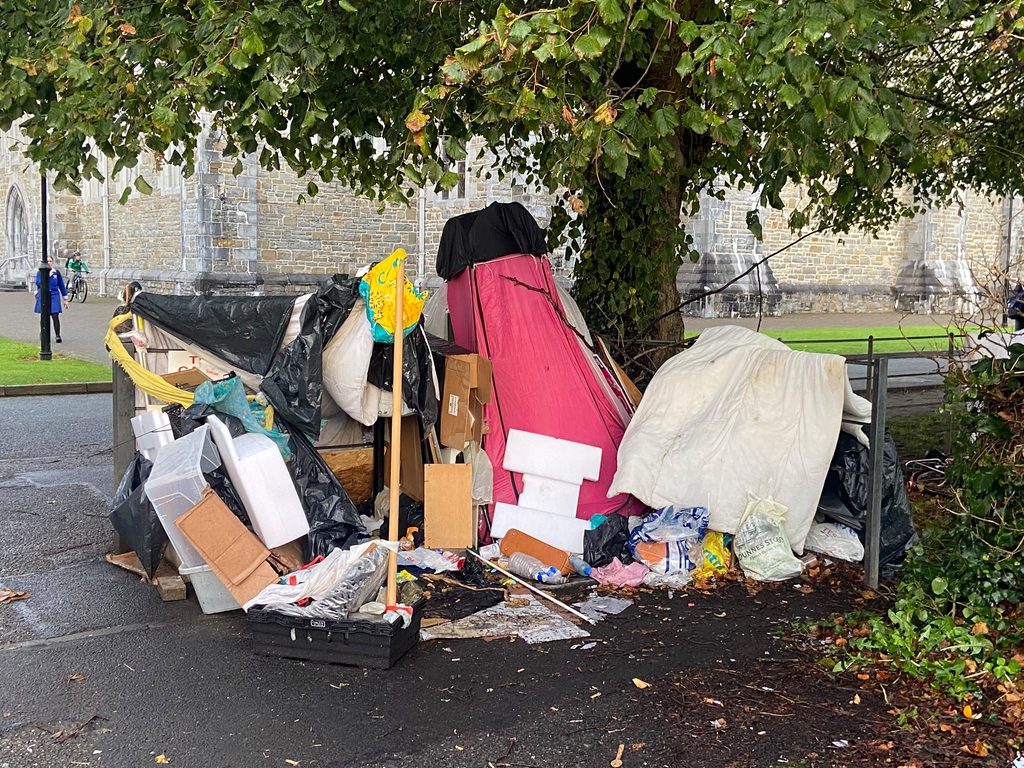
A photograph shared on a local Facebook page this week shows a tent, bedding and belongings beneath a tree near the cathedral, Bishop’s Palace and a car park used by worshippers and visitors. The location is also close to secondary schools. Comments beneath the photograph reflect concern about the encampment’s appearance and whether the response has been appropriate. The circumstances of the person staying there, including whether they have been offered accommodation or support, have not been established. Killarney councillors have raised rough sleeping repeatedly. In February 2021, the late Cllr Donal Grady told the Killarney Advertiser that some people sleeping rough had declined offers of accommodation in Killarney and Tralee. At the time, a Kerry County Council official told a Joint Policing Committee meeting: “If a person refuses accommodation then there’s nothing we can do about it. ”Those comments concerned earlier cases. They provide no evidence about the person currently pictured beside the cathedral. In January 2025, Cllr John O’Donoghue called for continued engagement with people sleeping rough, even when they were reluctant to accept help. Kerry County Council said homelessness involves complex circumstances that require cooperation between agencies.The cathedral adds a powerful historical dimension. Construction stopped during the Great Famine, when the unfinished building served as a hospital and shelter for the sick and dying. Children who died during the Famine were buried in its grounds.
A DIFFICULT SITUATION
A makeshift shelter beside this landmark raises a difficult question for a town known internationally for tourism and hospitality. Killarney also remembers the death in 2018 of a man believed to have been sleeping rough. The priority must be the individual’s welfare and dignity, alongside appropriate care for a busy public area. Has outreach taken place? Has suitable accommodation been offered? Who is responsible for managing the site, and what steps are being taken towards a lasting solution?
Have your say: info@killarneyadvertiser.ie
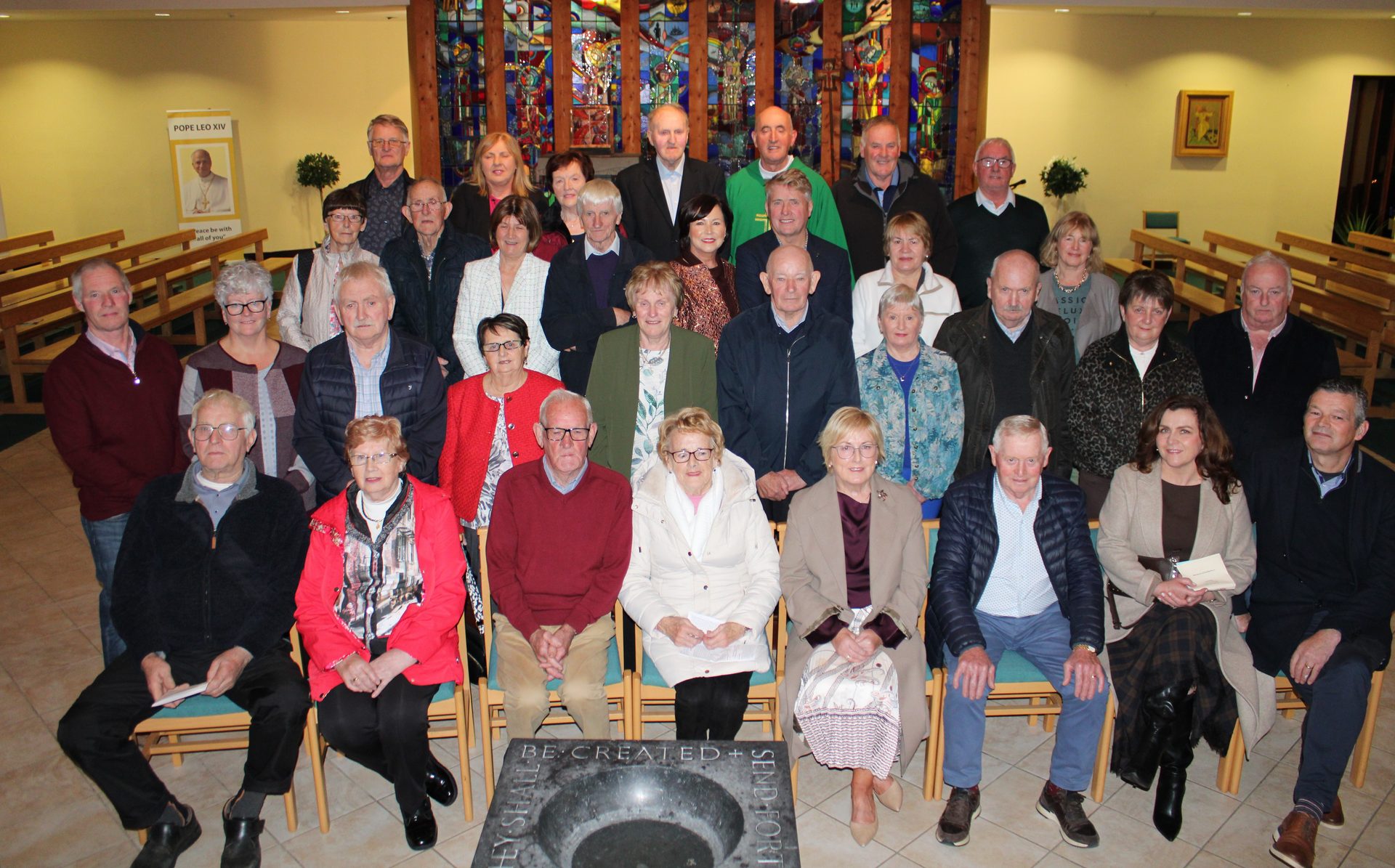
Couples across the parish of Kilcummin gathered at Our Lady of Lourdes Church for a special celebration Mass honouring milestone wedding anniversaries.
The special service, celebrated by Fr Pat O’Donnell, brought together local couples celebrating 25, 30, 35, 40, 45, 50, 55, and 60 years of marriage. Each couple received a commemorative certificate in recognition of their decades of commitment and companionship.
Following the ceremony, the parish committee hosted a reception in the parish hall, where attendees enjoyed tea, home baking, and an opportunity to catch up with neighbours and family members.
Organisers extended their gratitude to Fr O’Donnell, the church committee, photographer Anne Holland, and all who helped arrange the celebratory event.
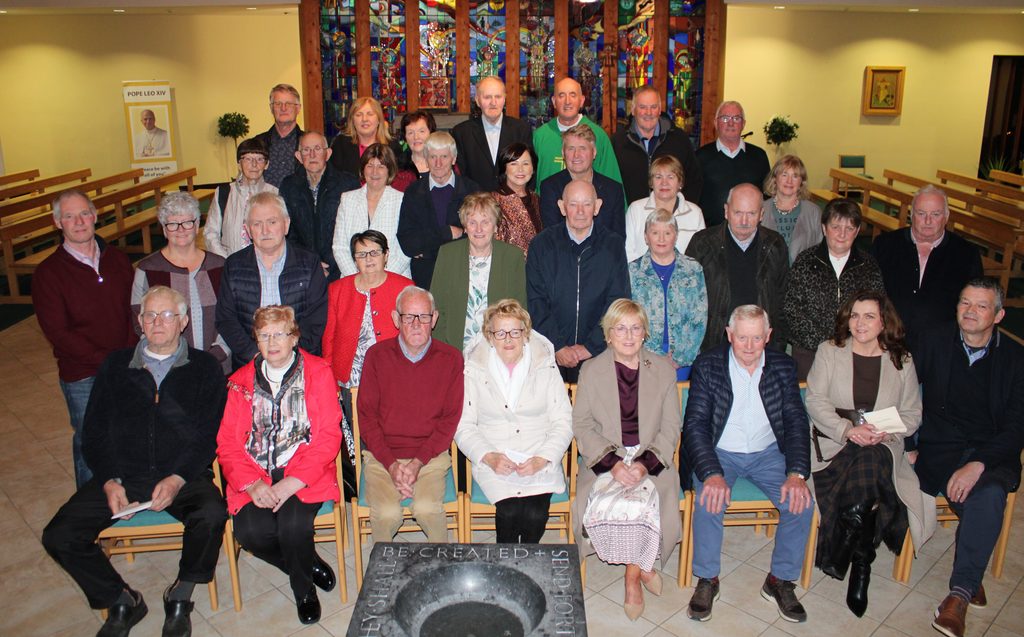
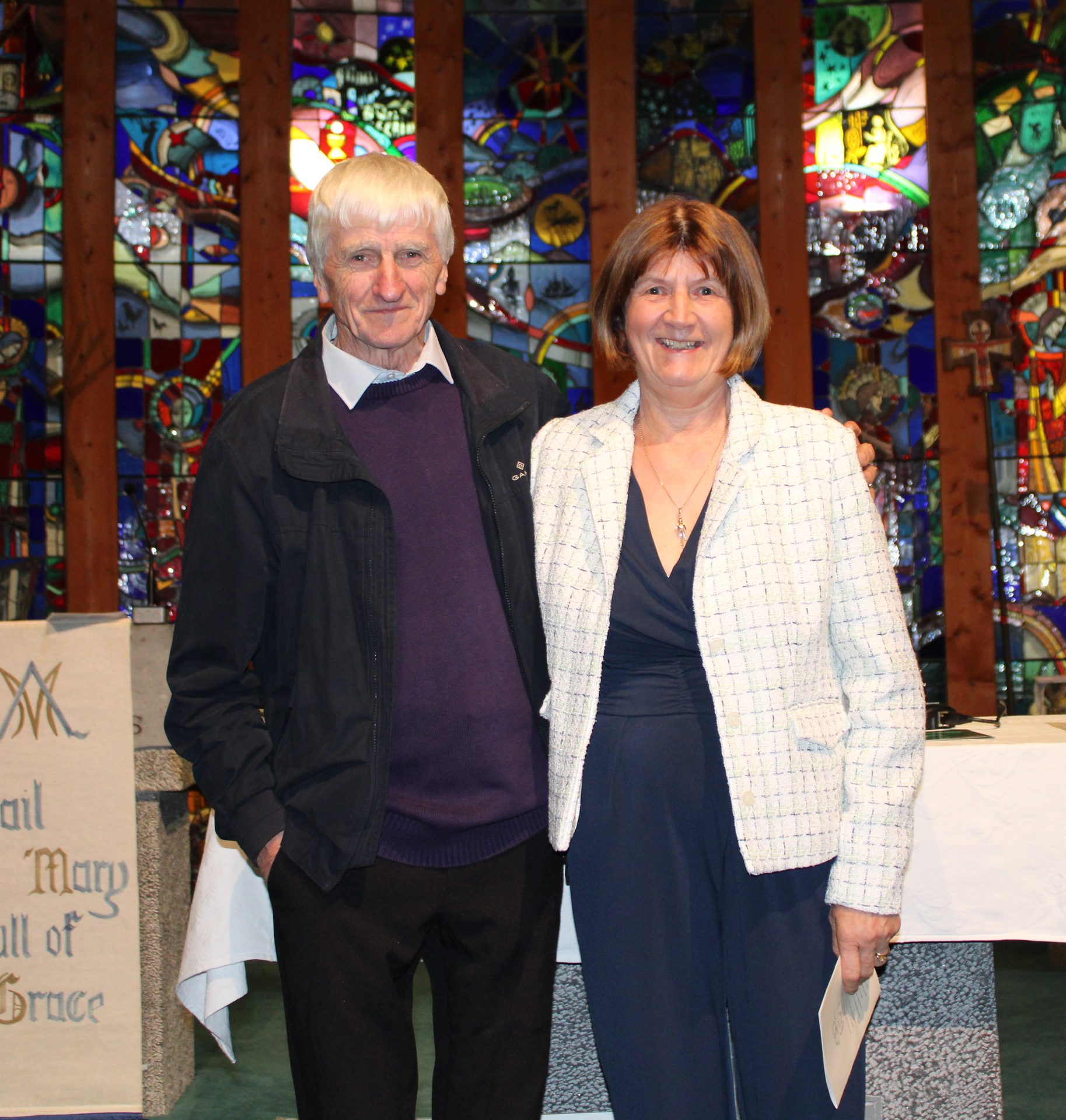
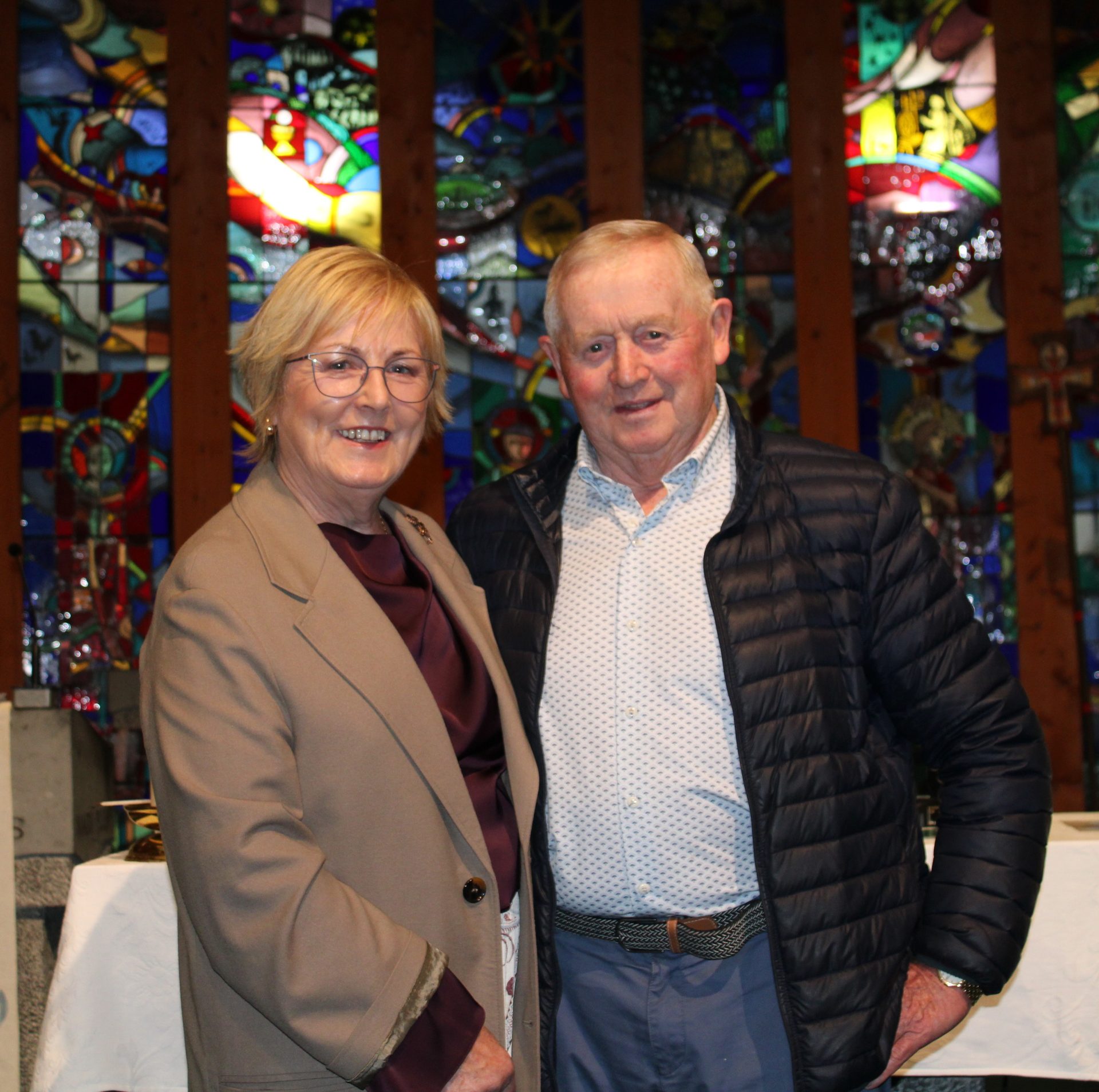
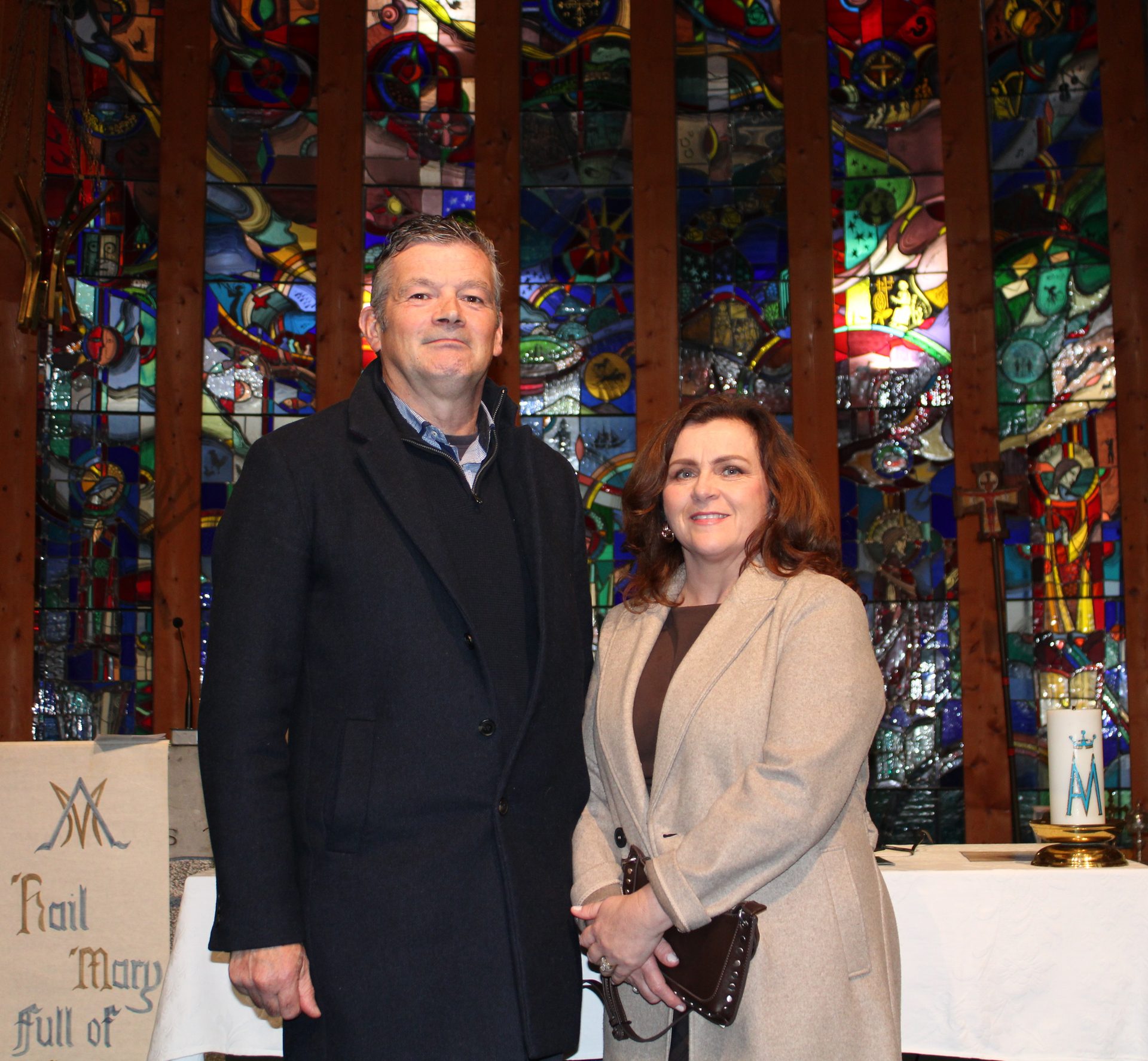
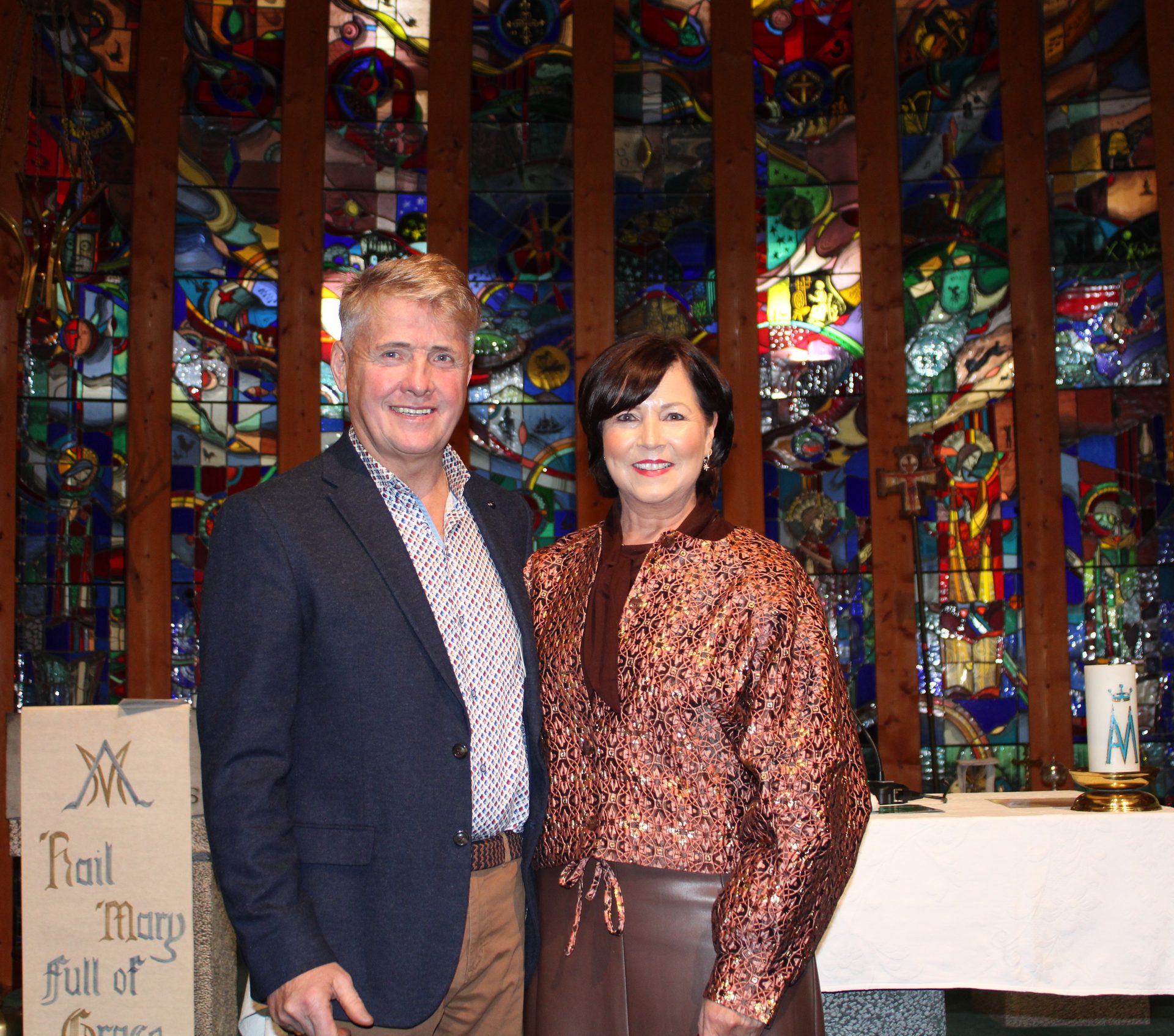
ANNIVERSARY MASS: Pictured at the Kilcummin wedding anniversary mass are (front row, left to right) Michael and Mary Dorrigan, Michael and Mary Moynihan, Marion and Timmy O’Keeffe, and Clare and Sean Moynihan; (second row) Robert and Ann Marie Keane, Paudie and Kate Cahill, Hann and Denny Donnelly, Sheila and Charlie O’Neill, and Maureen and Francis O’Doherty; (third row) Maura and Cornelius Brosnan, Joan and Jeremiah Desmond, Breda and Timmy O’Leary, Noreen and Patie Nagle, and Barry and Breda Duggan; with (back row) Willie and Breda Fleming, Mary and Noel Cronin, and Fr Pat O’Donnell. Photo: Anne Holland.
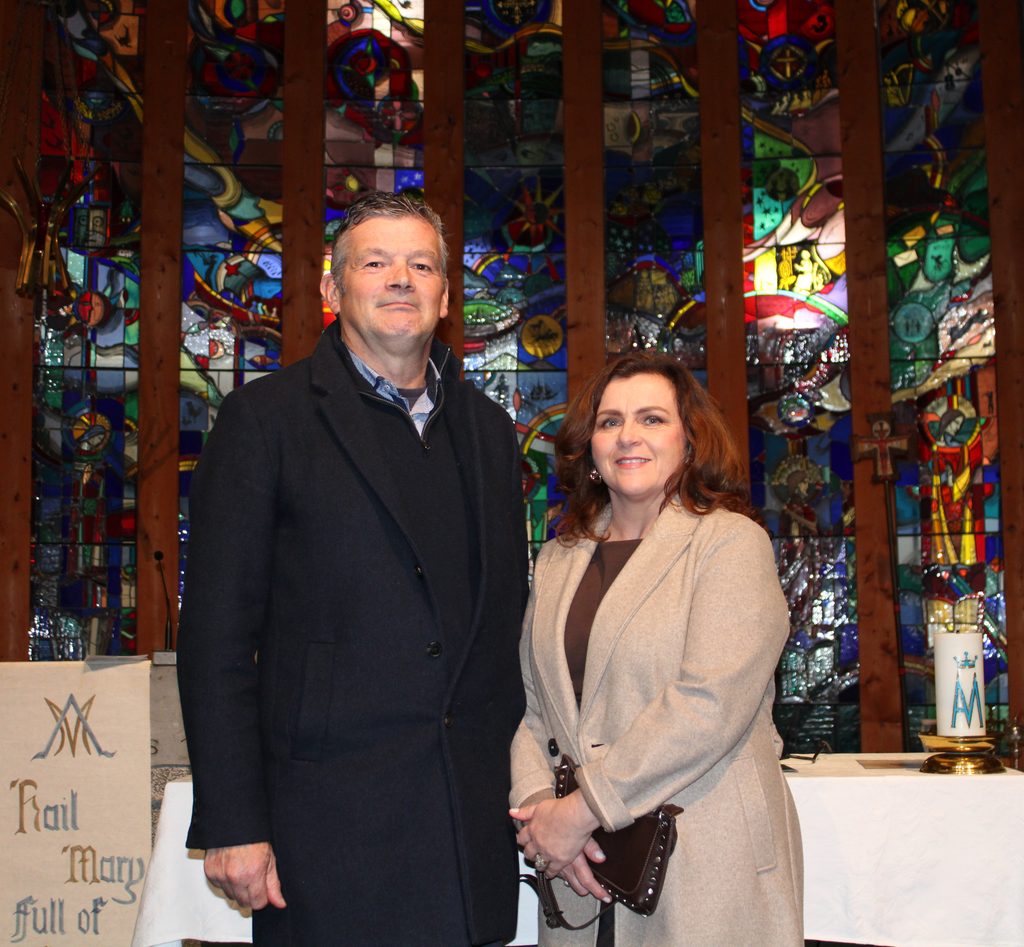
PEARL ANNIVERSARY: Clare and Sean Moynihan celebrating their 30th wedding anniversary at Our Lady of Lourdes Church in Kilcummin. Photo: Anne Holland.
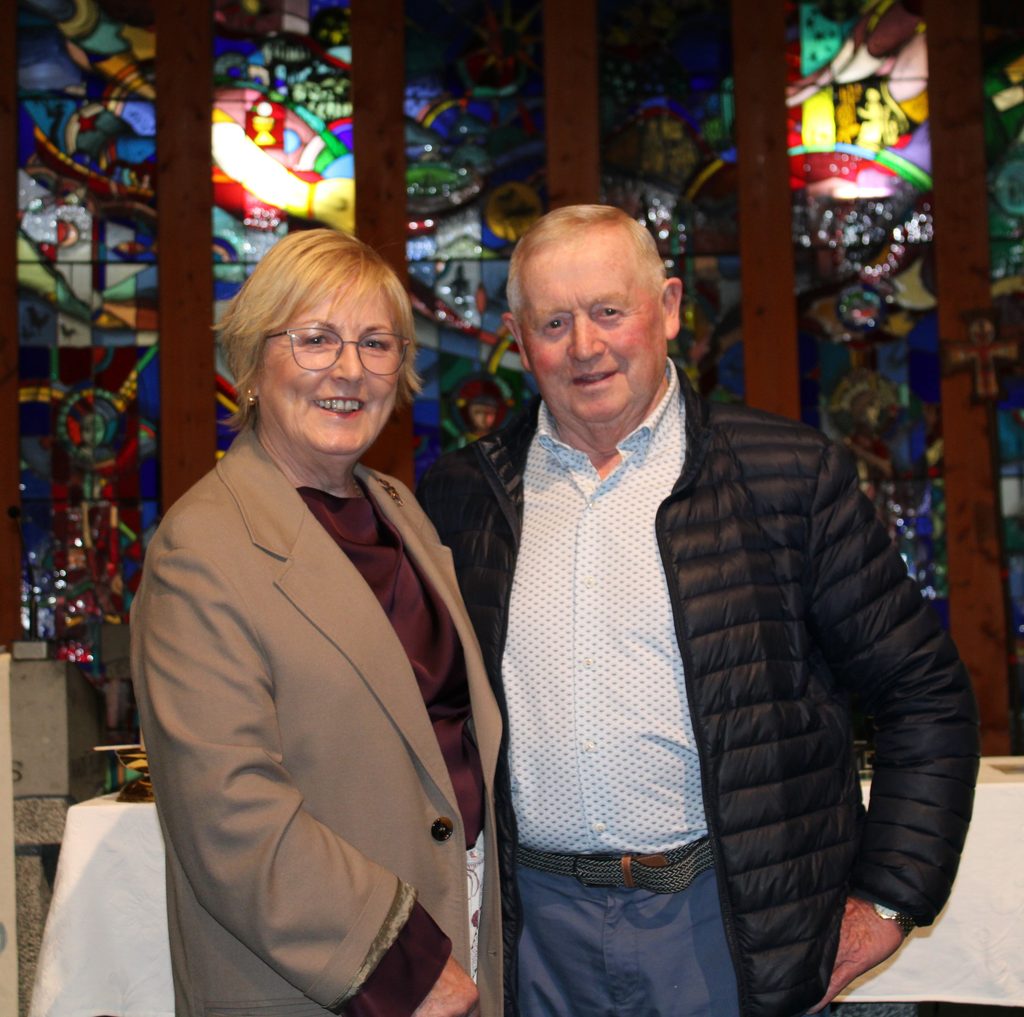
GOLDEN JUBILEE: Marion and Timmy O’Keeffe marking 50 years of marriage during the parish anniversary celebrations in Kilcummin. Photo: Anne Holland.
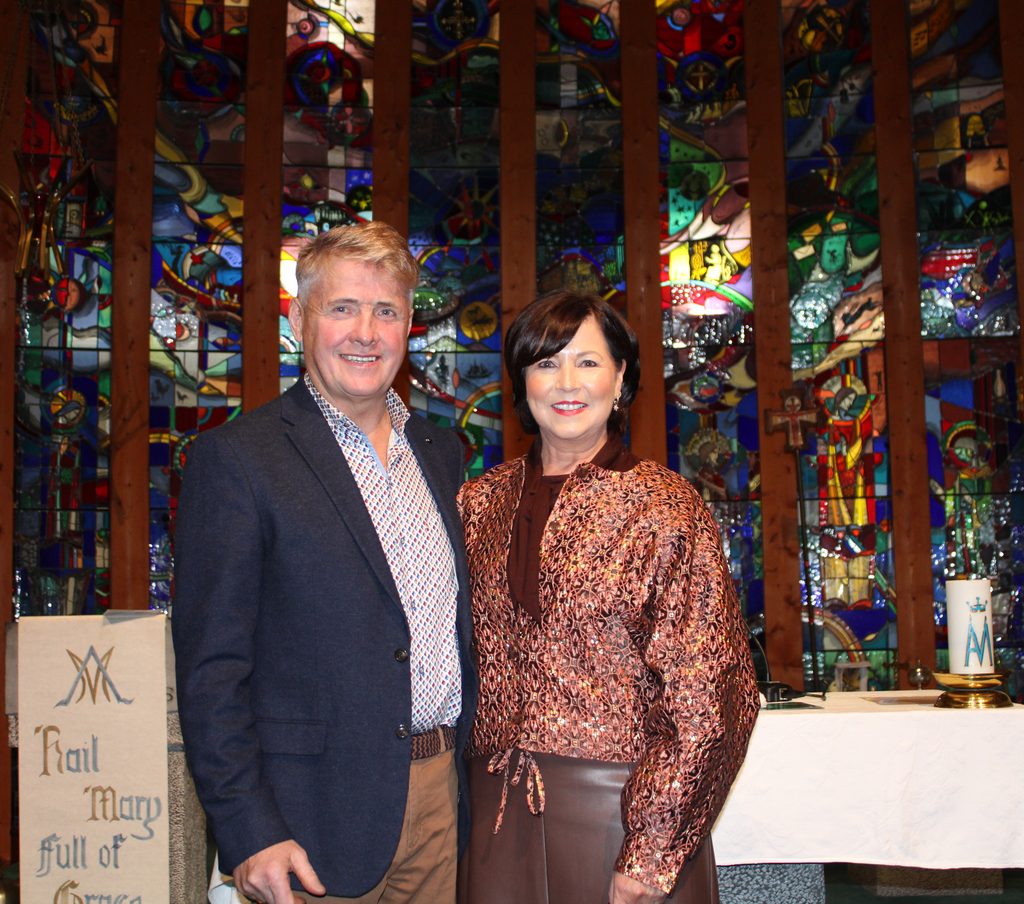
RUBY CELEBRATION: Timmy and Breda O’Leary celebrating 40 years of marriage in Kilcummin. Photo: Anne Holland.
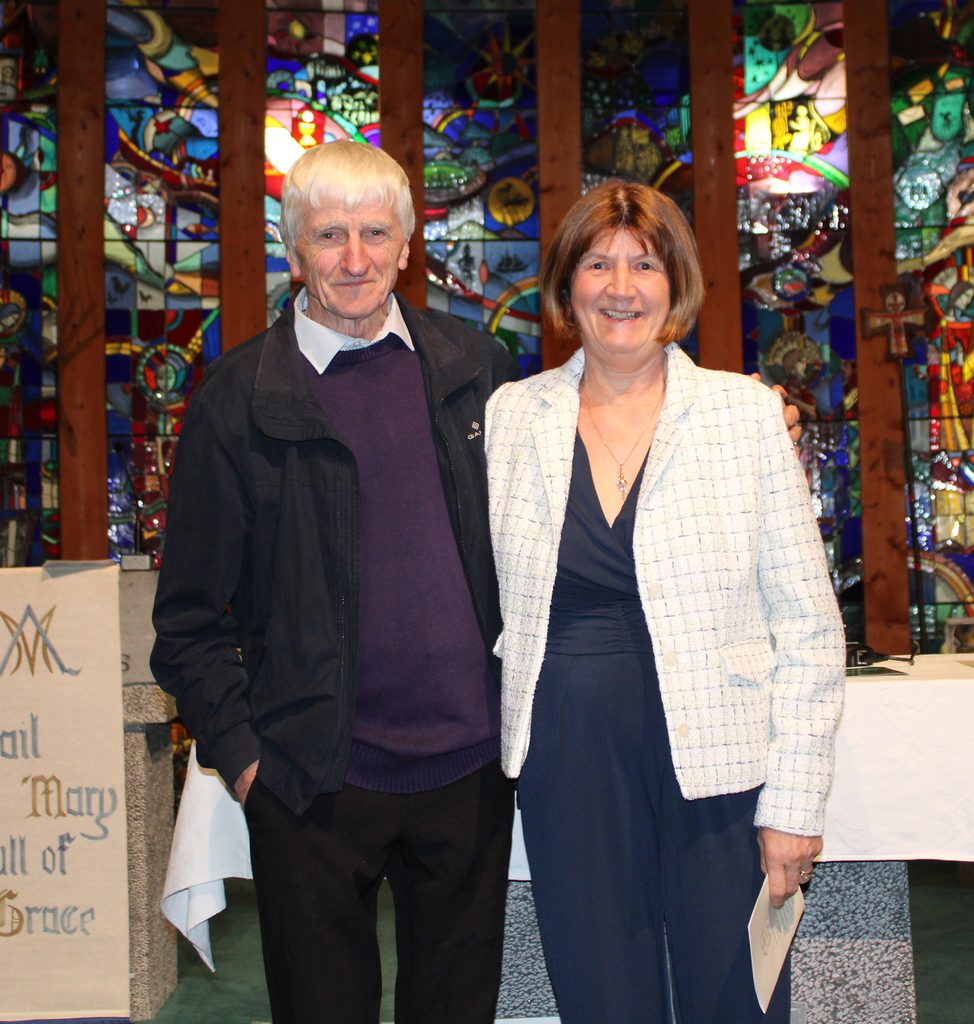
SAPPHIRE MILESTONE: Joan and Jeremiah Desmond celebrating 45 years of marriage at the anniversary Mass in Kilcummin. Photo: Anne Holland.
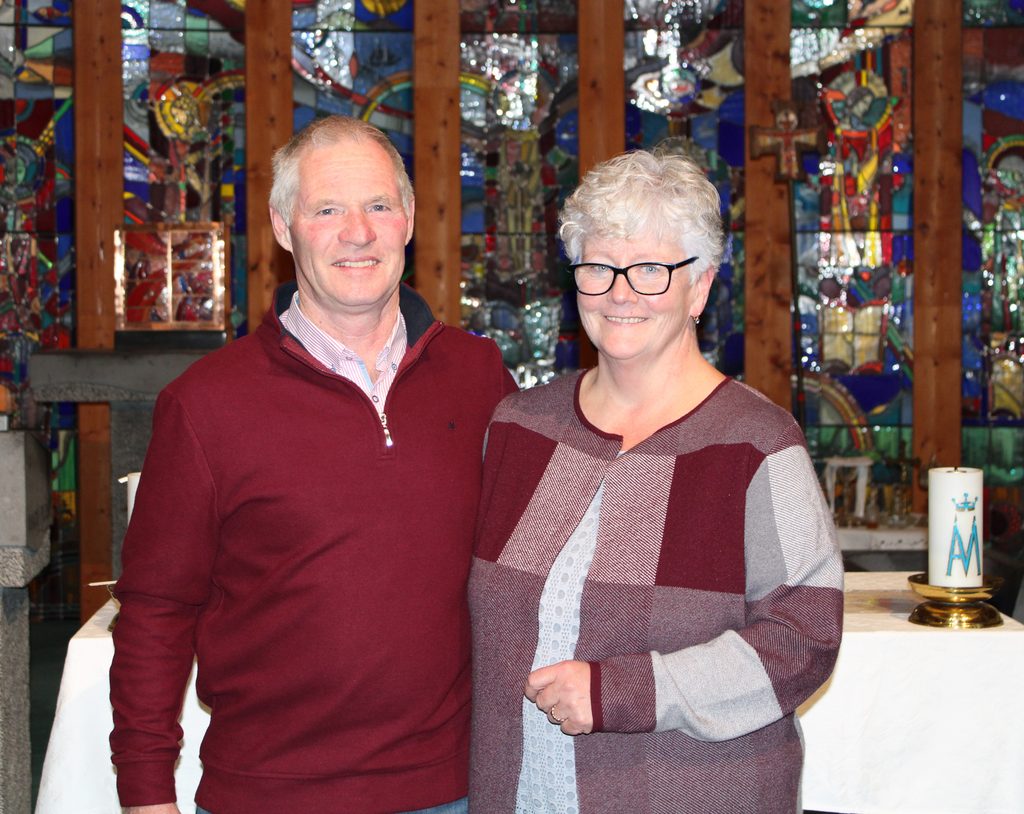
CORAL ANNIVERSARY: Robert and Anne Marie Keane marking 35 years of marriage at Our Lady of Lourdes Church, Kilcummin. Photo: Anne Holland.


Concerns grow over rough sleeping beside Cathedral
Concerns grow over rough sleeping beside Cathedral A makeshift encampment beside St Mary’s Cathedral has renewed debate over rough sleeping...

Kilcummin parish celebrates milestone wedding anniversaries
Couples across the parish of Kilcummin gathered at Our Lady of Lourdes Church for a special celebration Mass honouring milestone...


Killarney Plaza wins top golf hotel award
Killarney Plaza wins top golf hotel award Killarney Plaza Hotel and Spa has been named IGTOA Large Golf Hotel of...

Kilcummin Men’s Shed goes jaunting!
Kilcummin Men’s Shed goes jaunting! Three jaunting cars, a gang of Kilcummin characters, two unsuspecting Americans and a few amorous...
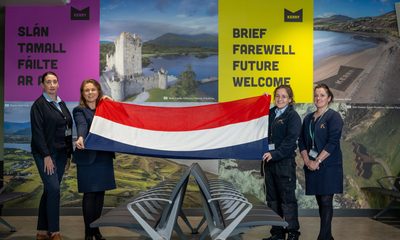

New Dutch flights to connect Groningen and Kerry Airport
New Dutch flights to connect Groningen and Kerry Airport Tourism across Kerry is set for a boost following the announcement...


Fossa Swimmers make a splash at County Finals
The Fossa Swim team pictured at the Tralee Sports Complex following their successful outing at the County Finals of the...
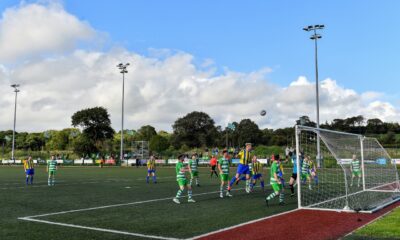

On the Ball Part 2 of the Mikey Daly Interview
Éamonn Fitzgerald EF: Killarney Celtic are invited to participate in an Irish competition. That has big financial implications for travel,...


LUKE MANGAN recently caught up with Kerry FC’s manager, Colin Healy.
He spoke to him about his careers as a player and manager. Here’s how it went: When you began your...


Home cup tie for St Paul’s could be epic
Paudie O’Connor National Cup (Round 1) Utility Trust St Paul’s v GCU Brunell Saturday 7.30pm Killarney Sports and Leisure Centre...


Chances of Kerry v Cork Munster final in 2026 decrease as Munster GAA delay seeding plan
After facing a backlash from Limerick, Clare, Waterford and Tipperary players, Munster GAA have postponed their plan to keep Cork...