
Sport
Adam Moynihan: Fans need to hear the players speak


The question asked of Kyle Sinckler was fairly standard. The Bristol prop had just picked up the Man of the Match award for his role in the Bears’ victory over Bath in the English Premiership and the interviewer summed up his performance and the result as a “pretty decent afternoon, right?”
The England international laughed. But as he began to reply, his voice trembled. He struggled to find the right words. “It has been an emotional week,” he offered, before thanking his teammates and loved ones for their support.
This was on Saturday last. Earlier in the week, Sinckler had been omitted from the Lions squad ahead of their upcoming tour of South Africa. When the interviewer asked how he felt about it, the 28-year-old became visibly upset. “I’m not gonna lie, I’m quite emotional right now. It has been tough. It means so much to me.”
By this point the Englishman was fighting back the tears. Over the course of the next two minutes, he shared what he was experiencing and explained how he used the anger inside him to fuel his performance on the pitch. It was hard not to be moved by the frankness and sincerity of Sinckler’s words. Here stood a man who has given his life to his chosen sport (as all top sportspeople do), laying bare on live national television exactly how heartbreaking it is when you fail to achieve your goals.
Even if you knew nothing of Sinckler before watching the clip, you felt like a friend of his after.
The video prompted Kerry GAA legend Eoin ‘Bomber’ Liston to draw comparisons with the GAA.
Paul Brennan of The Kerryman and Tim Moynihan of Radio Kerry agreed and, responding to the latter, Liston added that: “Fans need to know more about their players to fully connect with their team”.
As a journalist who has been covering the Kerry team for a couple of years, I’d have to agree with Bomber’s assessment. First of all, trying to get a Kerry player on the record during the season is not easy. In fairness, all the players I have approached in the past have been absolutely sound and very polite about it, and some have kindly agreed to take part in whatever it is I was doing, but it’s pretty obvious that they have been discouraged from engaging with the media. This approach seems to be deployed across the board as far as intercounty teams are concerned. In recent times, it has even been the case with certain club sides.
And when players do engage, for example in pre-and-post-match press conferences or TV interviews, you rarely get the impression that they’re being 100% forthright with their views.
Why is this the case? Well, a lot of teams seem to adopt a “bunker” mentality (or, in some instances, have a “bunker” mentality imposed upon them). This “us versus them” mindset, aimed at cultivating team unity, is based upon the idea that no one outside the camp can be trusted. The media, understandably, are considered to be firmly outside the camp.
Some managers also fear that their players will say the wrong thing, in turn drawing unwanted scrutiny on the individuals themselves as well as on the team. A stray comment can provide ammunition to the opposition and, in a game of inches, removing the possibility of that comment ever being uttered is seen as a desirable option.
The impression I get, both from playing in and working in GAA circles, is that some managers feel as though this approach to the media is ultra-professional. The irony, of course, is that the most professional teams and sporting organisations in the world fully embrace the media and encourage their athletes to engage with them openly and often.
If you take the NBA as an example, players never stop talking to the press. Journalists mingle with the athletes and coaches in the locker room and virtually no questions are off limits. And this is an environment in which the stakes are incredibly high. Say the wrong thing and players stand to lose literally millions of dollars in endorsements and cause huge reputational damage to their franchises, which are also multi-million-dollar operations. Yet the players are given free reign to say, more or less, whatever they like, to whomever they like, whenever they like.
In fact, you’d probably get an interview with LeBron James the week before the NBA Finals far easier than you’d get an interview with David Clifford, or any Kerry player, the week before the All-Ireland.
Clearly, as far as the likes of the LA Lakers are concerned, the positives outweigh the potential negatives. Allowing players to express themselves and share their personalities helps to promote the team’s brand, not to mention the sport itself.
It also breeds an affinity between the fans and the players. After watching that two-minute video of Kyle Sinckler, many Kerry supporters will feel like they know him better than they know half the Kerry panel, even though the latter are their neighbours. I would wager that the majority of Kerry fans couldn’t tell you what the majority of Kerry players sound like, let alone what kind of personalities they have. There’s something wrong about that. There should be more of a connection.
It’s a shame because there are some good characters on this Kerry team, just as there are on every team. There are guys who are good craic. There are guys who are passionate. There are guys who are intelligent and articulate. There are plenty of very capable young men who have things to say, and who won’t fall to pieces when someone puts a microphone in front of their faces. And if some lads don’t want to do interviews, that’s completely fine too. It’s not for everyone. But some people thrive in the spotlight, and the fact that so many former Kerry players go on to become pundits shows that we are well capable of producing media-savvy footballers.
Another upside is that being more open when it comes to media relations would almost certainly lead to more commercial opportunities for players. Brands like to align themselves with likeable characters, but it’s hard to decide who’s likeable when everyone is sticking to the party line and saying the same thing, or not speaking up in the first place.
We have seen what can happen when players and managers do express themselves. John Mullane’s “I love me county”. Kieran Donaghy’s “Well Joe Brolly, what do you think of that?” Ger Loughnane at half-time (half-time!) in the 1995 All-Ireland final declaring that “We’re going to do it”.
These are iconic moments that still resonate with fans many years later. Real people with real emotions speaking from the heart. It adds so much to the spectacle.
The very fact that it’s the Bomber, a hero from Kerry’s Golden Years, who is making this argument indicates what the attitude was like when he lined out in green and gold. If you watch or read interviews from the seventies and eighties, you will find plenty of strong words for opponents, for officials, even for those within the bunker itself. Isn’t that what sport and the GAA is all about? A game of opinions. To pretend that the players don’t have any is, when you think about it, fairly ridiculous.
It might scare the managers but encouraging players to use their own unique voices has the potential to be a real game-changer.


News
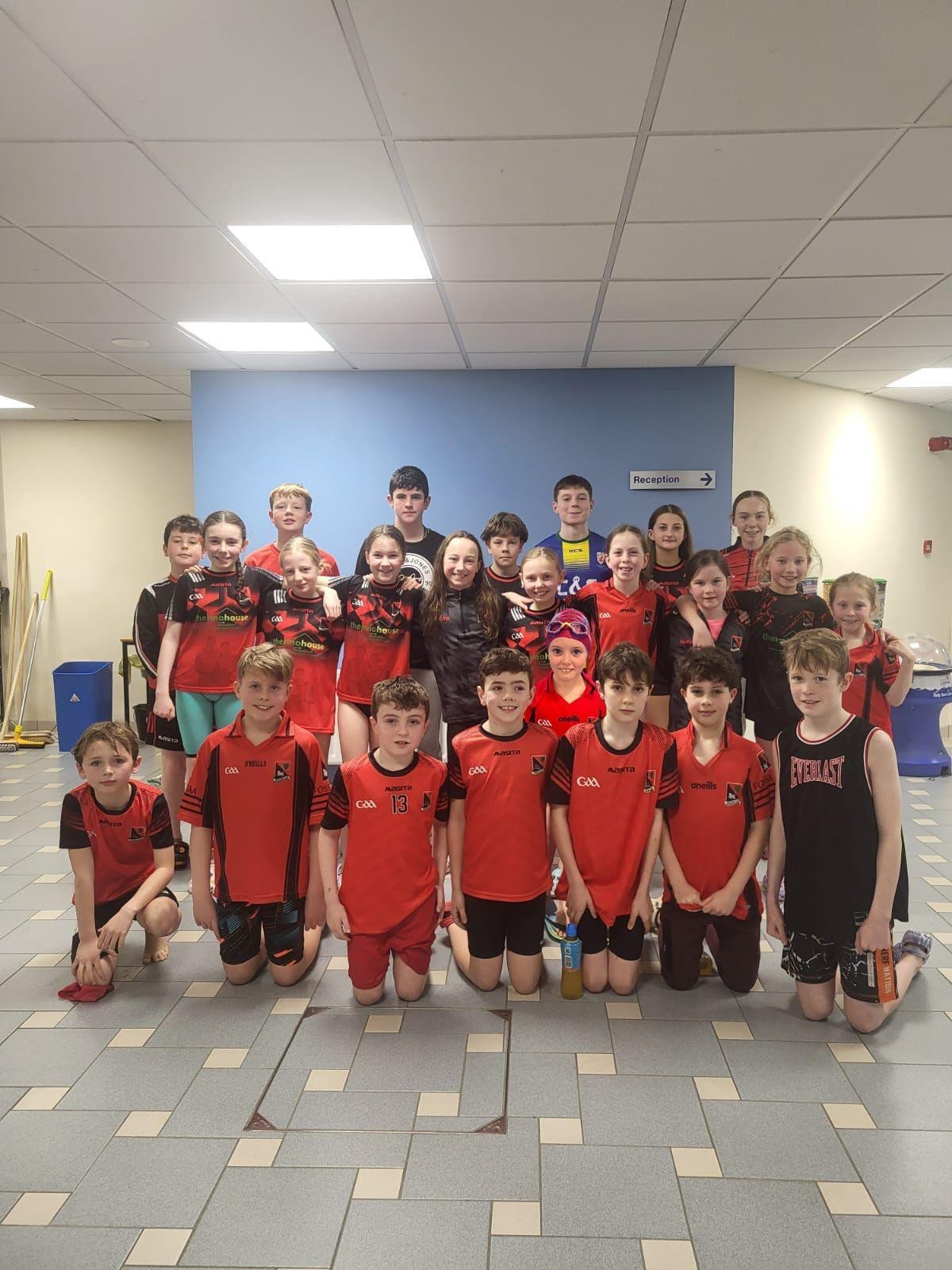
Fossa Swimmers make a splash at County Finals
The Fossa Swim team pictured at the Tralee Sports Complex following their successful outing at the County Finals of the Community Games on Sunday, February 15. The 25-strong squad delivered […]

News
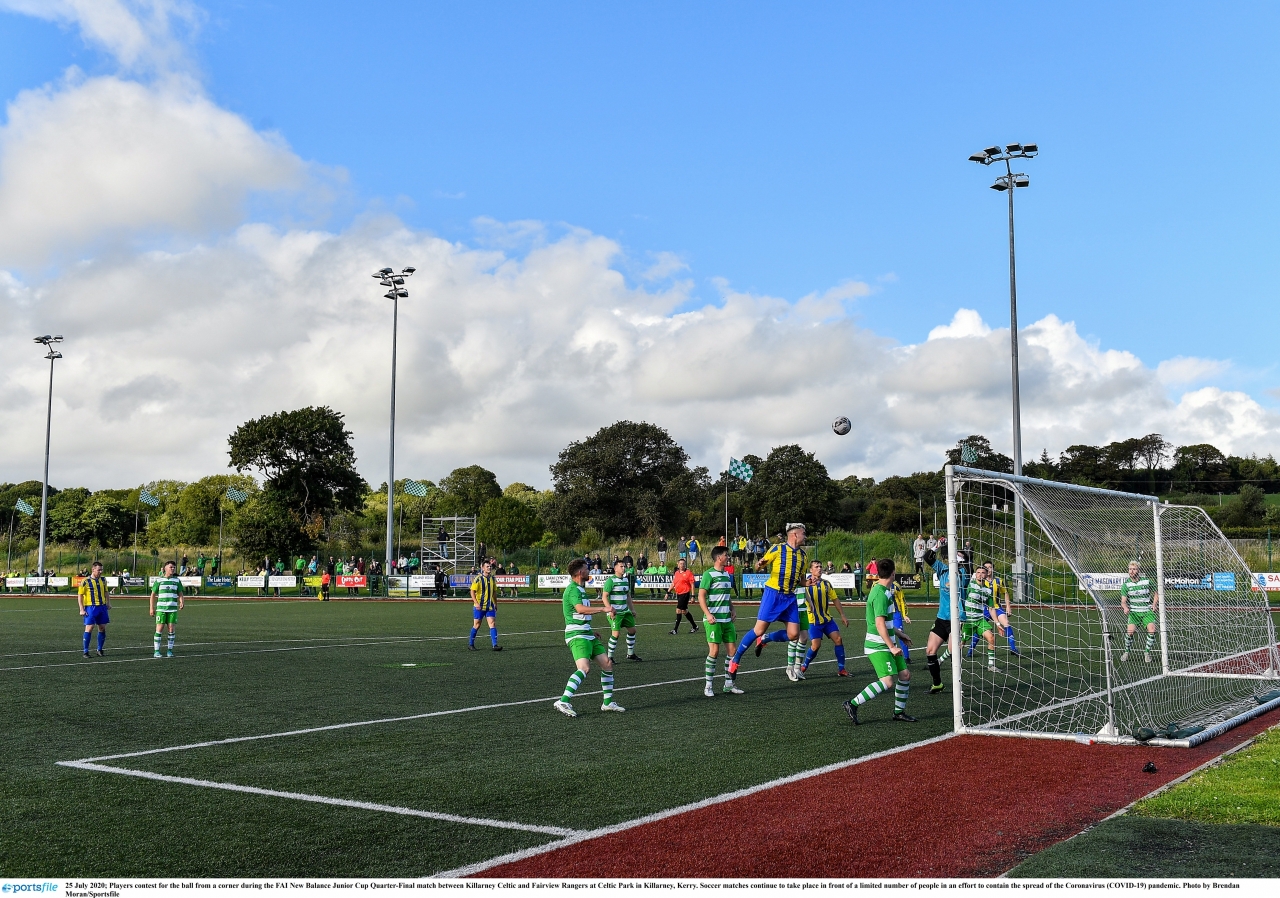
On the Ball Part 2 of the Mikey Daly Interview
Éamonn Fitzgerald EF: Killarney Celtic are invited to participate in an Irish competition. That has big financial implications for travel, meals, etc. MD: It is great to be invited, showing […]

Drivers warned as deer rutting season begins
Drivers warned as deer rutting season begins Motorists in Killarney are being urged to exercise extreme caution as the annual...

Kerry Airport CEO addresses chamber luncheon
Kerry Airport chief executive Adrian Neilan addressed local business leaders at the Killarney Chamber of Tourism and Commerce luncheon at...

The Brehon raises €2,850 for Jack and Jill Foundation
The Brehon Hotel and Spa raised €2,850 for the Jack and Jill Children’s Foundation after hosting a closest-to-the-pin golf simulator...

Five local postmen retire with 185 years service
Five local postmen retire with 185 years service RETIREMENT NIGHT: Pictured at the retirement party held at Killarney Racecourse on...


New Streetscapes murals launched at College Square
A colourful collaboration between the Kerry Local Creative Youth Partnership (LCYP) and the Architecture Kerry Festival at Kerry County Council...
