
Sport
Dogged Kerry stage late fightback to break Derry hearts


Adam Moynihan reports from Croke Park, Dublin
All-Ireland SFC Semi-Final
Kerry 1-17 Derry 1-15
Reigning champions Kerry fought back from the brink to overcome a spirited Derry side in a breathless semi-final at Croke Park this evening.
Trailing by two points heading into the final ten minutes, The Kingdom showed admirable character to rattle off five unanswered points in a row.
The drama didn’t finish there as Derry had an opportunity to snatch an 80th-minute equalising goal but, cruelly, star forward Shane McGuigan accidentally kicked a free over the bar as he attempted to drop it into the square.
Kerry can now look forward to another final in two weeks’ time. Their greatest rivals, Dublin, stand in the way of All-Ireland title number 39.
FAST-PACED
This match was teed up to be dour and slow-paced but two early goals set the tone for a ferociously competitive first half.
Gareth McKinless slotted home the first goal for Derry in the fifth minute; he tidied things up when Shane Ryan denied Brendan Rogers from close range.
Kerry’s response was immediate and devastating as Gavin White burst forward to palm home Seánie O’Shea’s assist just a minute later. Kerry now led by 1-1 to 1-0 but three scores on the bounce by Paddy McGrogan, Paul Cassidy and Shane McGuigan pushed Derry two points ahead.
David Clifford and Chrissy McKaigue were battling hard away from the ball and at this point Clifford was getting the better of the experienced Derry defender. He kicked 0-5 in total in the first period, including two wonderful efforts from play.
(He was also yellow-carded for what appeared to be a fair shoulder on McGuigan, although thankfully the referee’s decision didn’t have a bearing on the outcome of the game.)
Things were set up nicely with ten minutes to go in the half but then a black card for Diarmuid O’Connor following a foot trip on Conor Glass meant Kerry were temporarily reduced to 14.
Derry made hay while O’Connor was in the bin. Brendan Rogers (two), Ciarán McFaul and Shane McGuigan all scored during this period, with a solitary point by wandering keeper Shane Ryan all that Kerry could muster in response. Derry were unhappy with a collision between Ryan and McGuigan in the build-up to that point - Ryan appeared to shield himself and catch McGuigan with his backside in the process. The referee deemed it unintentional.
Clifford (mark) and McGuigan (free) exchanged points in stoppage time as Derry went in at the interval three points ahead (1-11 to 1-8).
IMPACT
Jack O’Connor called on the experienced Stephen O’Brien at half-time and the Kenmare man made a significant impact without the ball in the third quarter.
At the other end, his clubmate Seánie O’Shea began to find his rhythm and he and Clifford kicked two points apiece to make it a tied game with 48 minutes on the clock. Meanwhile, Conor Doherty broke forward to kick Derry’s only score of this spell.
Shane Ryan was called into action in the 52nd minute to deny McKinless with a wonderful save, but Derry kept their nerve and points by Ciarán McFaul and McGuinness (free) edged them out into a two-point lead with ten minutes to go.
Another six minutes passed before either team scored again and Kerry were now in real danger of slipping out of the championship, but a flurry of scores between the 66th and 71st minutes turned the game on its head.
O’Shea (free) and Clifford (free) made it level at 1-14 each, before an inspirational left-footed effort by O’Brien a minute from time gave Kerry their first lead in 37 minutes.
Derry probed but Kerry looked menacing on the counter and points by O’Shea and Man of the Match Clifford opened up a three-point deficit.
The men in green and gold had their chances to put the tie to bed but they failed to execute, which left McGuigan with a last-ditch opportunity to create a scramble in front of the Hill.
His floated kick had too much on it, though. Never before did Kerry supporters cheer an opposition point with so much fervour.
KERRY: S Ryan (0-1); G O’Sullivan, J Foley, T O’Sullivan; P Murphy, T Morley, G White (1-0); D O’Connor (0-1), J Barry; D Moynihan, S O’Shea (0-4, 1f), A Spillane; P Clifford (0-1), D Clifford (0-9, 4f, 1m), P Geaney.
Subs: S O’Brien (0-1) for Spillane; T Brosnan for Geaney; B Ó Beaglaoich for Murphy; M Burns for Moynihan, R Murphy for P Clifford.
DERRY: O Lynch (0-1); C McKaigue, E McEvoy, C McCluskey; C Doherty (0-1), G McKinless (1-0), P McGrogan (0-1); C Glass, B Rogers (0-2); N Toner, Paul Cassidy (0-2), E Doherty; C McFaul (0-2), S McGuigan (0-6, 3f), N Loughlin.
Subs: Pádraig Cassidy for McGrogan, B Heron for Pádraig Cassidy, L Murray for Toner, S Downey for McEvoy, B McCarron for McKinless.
News
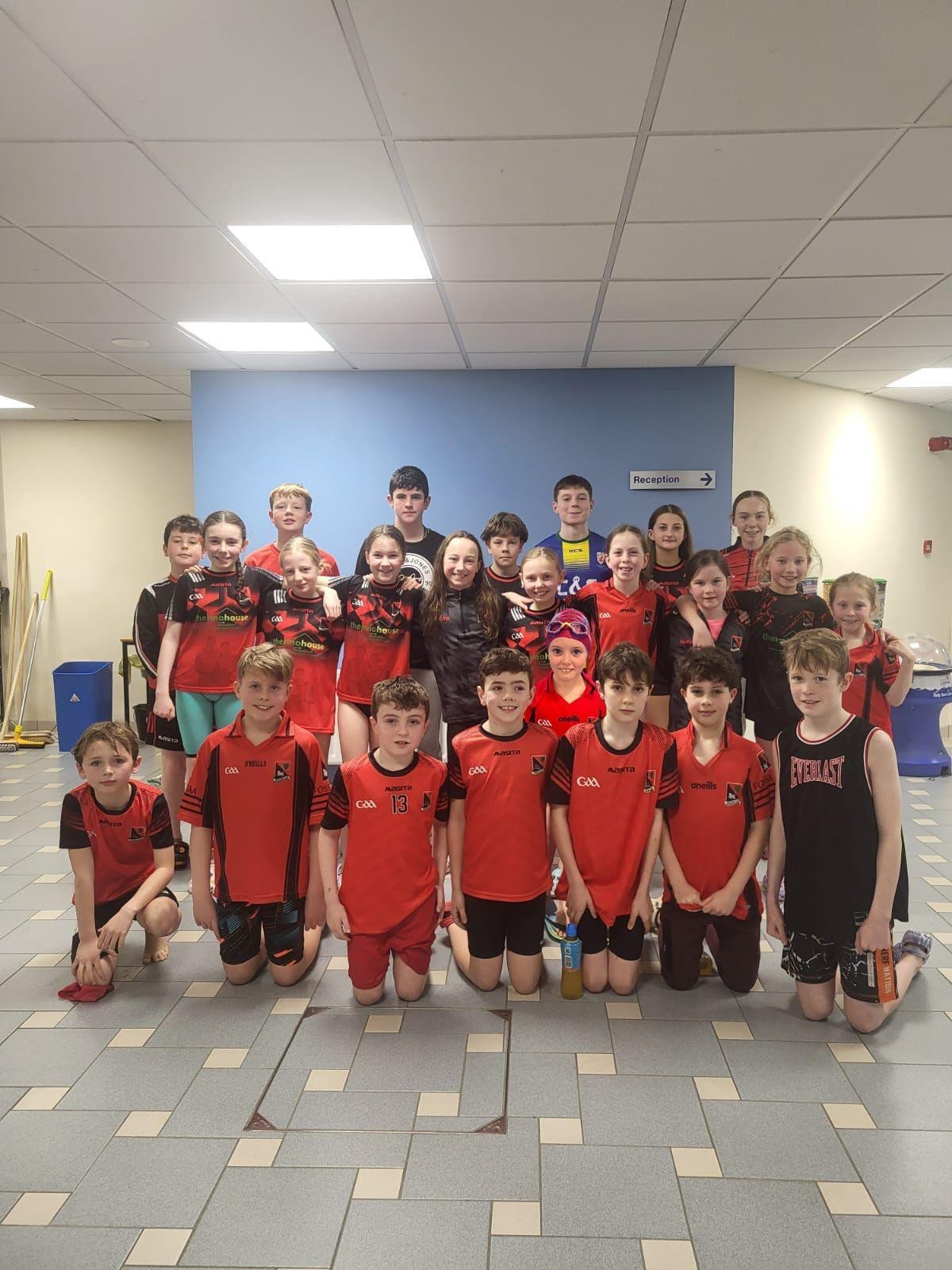
Fossa Swimmers make a splash at County Finals
The Fossa Swim team pictured at the Tralee Sports Complex following their successful outing at the County Finals of the Community Games on Sunday, February 15. The 25-strong squad delivered […]

News
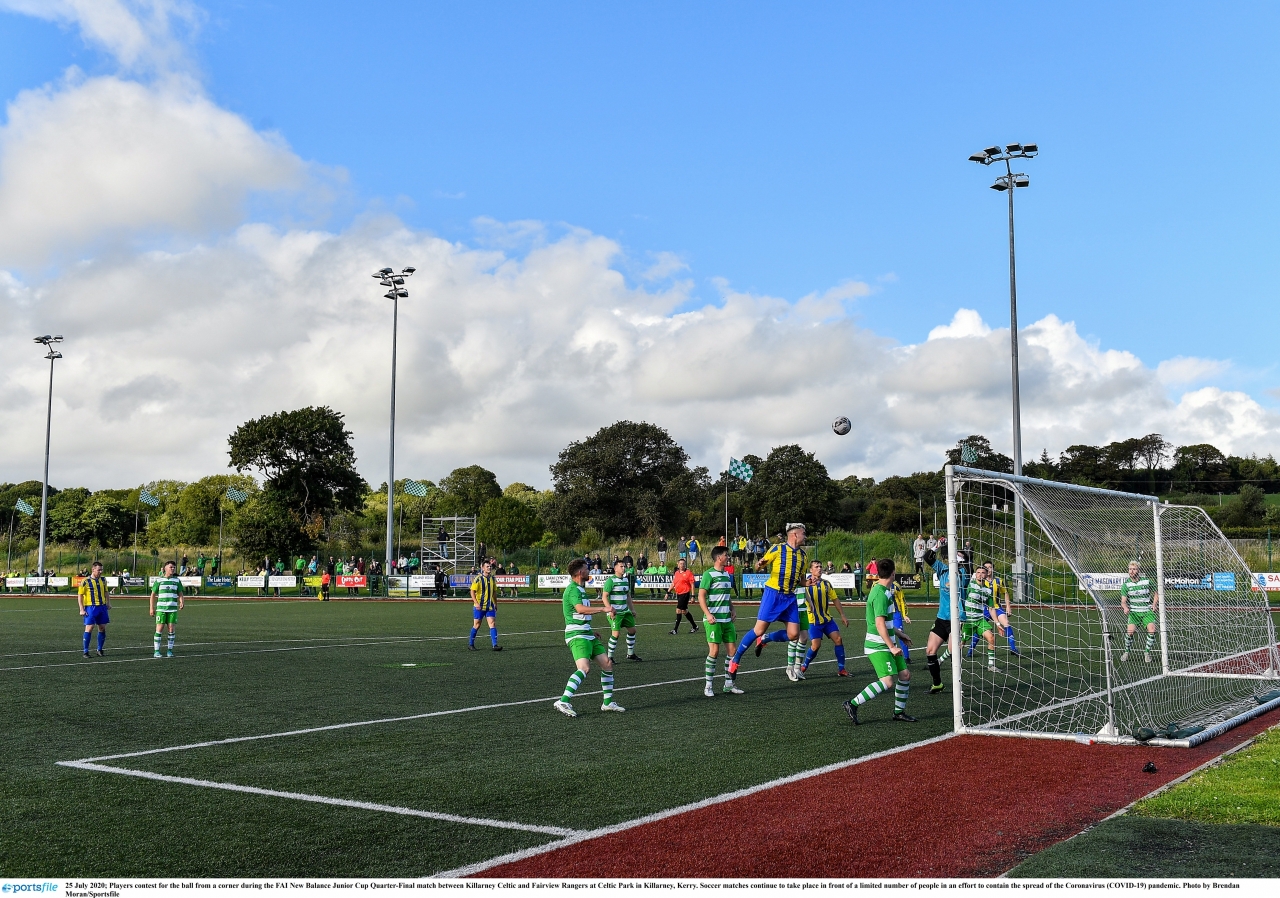
On the Ball Part 2 of the Mikey Daly Interview
Éamonn Fitzgerald EF: Killarney Celtic are invited to participate in an Irish competition. That has big financial implications for travel, meals, etc. MD: It is great to be invited, showing […]

St Brendan’s College: Voices from the Halls
Interview conducted by Aodhagán Ó Súilleabháin, Cormac Flanagan, and Ryan Twomey. Name: Kieran O’Leary – Entrepreneur and Killarney businessman.Year of...

Official launch of the Assess Ireland Rally of the Lakes set for April 11
The official launch of the 2026 Assess Ireland Rally of the Lakes will take place at Gleneagle Hotel on Saturday,...

Aghadoe native spearheads Darkness Into Light in London
In the absence of a local flagship event this year, one Aghadoe woman is ensuring the Killarney flag flies high...

Killarney co-drivers lead the charge for Circuit of Ireland
The NAPA Auto Parts Irish Tarmac Rally Championship heads to Dungannon this Easter weekend for the Circuit of Ireland, with...

SUPPORTING LOCAL EDUCATION
SUPPORTING LOCAL EDUCATION Karen Buckley, representing the Loughguittane National School Parents Council, accepts the proceeds of the Fossa Two Mile...
