
Sport
An honest analysis of the key decisions in Kerry v Derry


by Adam Moynihan
Kerry and Derry served up an enthralling match at Croke Park on Sunday last. The Ulster champions threw everything they had at Kerry, and for a while there it looked like they were on the brink of a famous win. Jack O’Connor’s men held firm, though, and with the incomparable David Clifford to the fore, they just managed to get over the line.
All in all, it was a wonderful advert for real Gaelic football. It was open, action-packed, and full of skill and passion.
Unfortunately, a lot of the post-match talk focussed on the referee and the decisions he made over the course of the game. Derry supporters felt that Joe McQuillan favoured Kerry. When I shared the plans for the new Fitzgerald Stadium on Twitter, one fan commented: “Where is the statue of Joe McQuillan going?”
Watching the game live I did feel as though the referee had made some mistakes – as most referees do over the course of a frenetic game like this – but the post-match rhetoric that McQuillan screwed Derry over prompted me to take a closer look.
I realise that as a Kerryman I might not be totally impartial but here’s my honest analysis of the key incidents.
28th minute: Diarmuid O’Connor black card. While lying on the ground, the Kerry midfielder is adjudged to have tripped Brendan Rogers as the Derry midfielder attempts to get up and move the ball on. It might seem innocuous enough on first viewing but O’Connor does trip his opponent and the rules are very clear on this type of infraction. McQuillan correctly issues a black card.
32nd minute: Shane Ryan clashes with Shane McGuigan. A loose square pass high up the field from Tom O’Sullivan forces Ryan to scamper and gather a bouncing ball under pressure from McGuigan. Ryan jumps, collects, and turns his body. I think he is expecting a much heavier hit from McGuigan, but the Derry man stands his ground. Ryan’s backside hits McGuigan flush in the face, knocking him to the floor. Ryan breaks forward and kicks a point.
For me, Ryan has every right to go for the ball and once he leaves the ground, he has every right to turn his body to protect himself.
The question is: does he leave more on McGuigan than he needs to? Having viewed the replays, I would say possibly so, but in real time I can understand how McQuillan waved play on. At worst it might have been a free and maybe a yellow, but nothing more than that.
34th minute: Jason Foley’s head injury. Foley goes down holding his face after McGuigan inadvertently swings his arm back and catches him. McQuillan says Foley is faking it to waste time (Kerry have a man in the sin bin at this point). It’s hard to say whether or not the Kerry full back was trying to run down the clock. Only he knows. Teams have successfully manipulated this rule in the past.
From a Kerry perspective, you would be hoping that whoever referees the final is equally unforgiving if a Dublin player attempts the same thing.
37th minute: David Clifford shoulders McGuigan. Clifford catches his opposite number with a bone-crunching but legal shoulder. McQuillan incorrectly awards Derry a tap-over free and also issues a yellow card, much to the Kerry captain’s bemusement.
50th minute: Jack Barry tackles McGuigan. Barry brings Derry counter-attack to a halt when he reaches across the onrushing McGuigan and knocks him to the ground. McGuigan goes down holding his face and Derry players tell the ref it was an elbow. It wasn’t. Yellow card issued, the right call.
66th minute: McKinless called for a foul on Stephen O’Brien. My initial reaction was that this one was soft and watching it back hasn’t changed my mind. McKinless does make contact in an awkward fashion but no Kerry fan would have complained if play carried on. Instead, McQuillan awards a close in free. Kerry score to close the gap to one.
67th minute: Clifford is fouled by McKaigue. Derry fans were unhappy with this one as well but I don’t see their argument in this instance. It looks to me like McKaigue pulls him back.
69th minute: Seán O’Shea turns Brendan Rogers over. This turnover around the middle led directly to a point for Clifford that made it 1-16 to 1-14. If you examine the tackle closely, O’Shea appears to hit Rogers in the stomach in an attempt to break the ball loose – before actually knocking the ball loose with his other hand. This should have been a free to Derry.
75th minute: Time ticks on… Four minutes of additional time were signalled by the match officials. Four minutes and 32 seconds had been played when Shane Ryan comes and clears what appears to be Derry’s last attempt at fashioning an equalising goal. Graham O’Sullivan raises his hands to the air when Micheál Burns gathers the breaking ball. Several players on both sides stop moving entirely, expecting the final whistle.
The whistle doesn’t come, however, so Kerry carry the ball forward. Over five minutes of additional have passed when Odhran Lynch intercepts David Clifford’s attempted pass to Tom O’Sullivan. Still no final whistle. Derry go up the pitch. McKinless wins a free, and then…
76th minute: McKinless kicks O’Shea. When McKinless attempts to take the free quickly, O’Shea knocks the ball out of his hands. The Derry player is in the act of kicking but the ball is well gone when he decides to continue his striking motion. He forcefully kicks O’Shea across the midriff – so forcefully that he hurts himself and needs to be stretchered off. To my mind, this was the only blatant red card that McQuillan missed. Having said that, it wouldn’t have affected the result.
The referee made mistakes on both sides. A couple of those decisions went against Derry in the closing stages so their frustration is understandable, but at the end of the day it was their failure to convert their chances that cost them.
SILLY
Ultimately, these claims that referees go out to screw teams over or that they have agendas are all a bit silly.
If Derry had managed to score a goal with that last chance and then win in extra time, Kerry fans would feel aggrieved with the same referee for the same refereeing performance. I think that tells its own story.
News
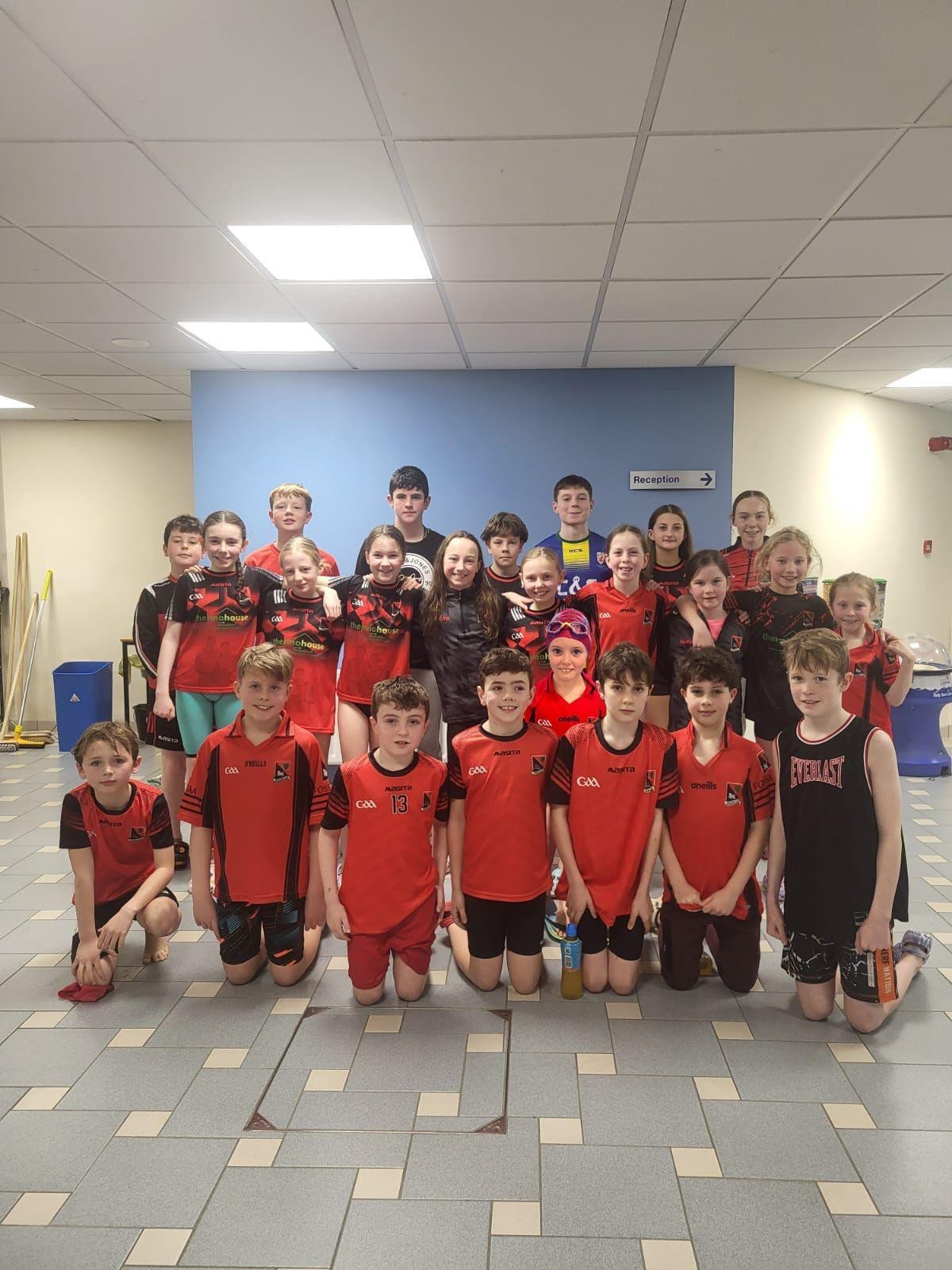
Fossa Swimmers make a splash at County Finals
The Fossa Swim team pictured at the Tralee Sports Complex following their successful outing at the County Finals of the Community Games on Sunday, February 15. The 25-strong squad delivered […]

News
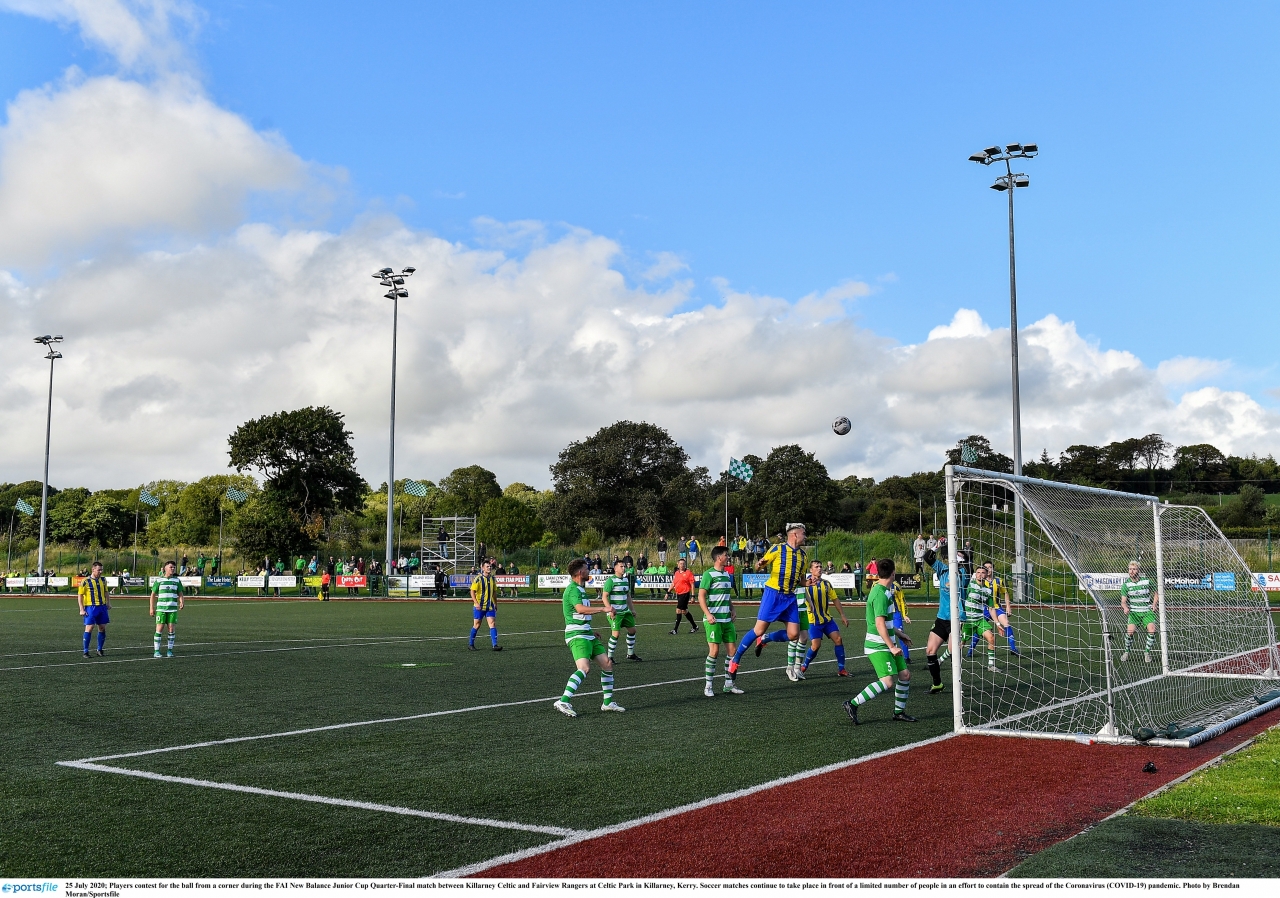
On the Ball Part 2 of the Mikey Daly Interview
Éamonn Fitzgerald EF: Killarney Celtic are invited to participate in an Irish competition. That has big financial implications for travel, meals, etc. MD: It is great to be invited, showing […]


Grady demands Killarney traffic review
Killarney councillor Martin Grady has called for an urgent review of traffic management across the town following severe delays along...


Killarney Pumpkin Farm returns for Halloween
The annual event is in its sixth year and caters to people of all ages. The farm is located in...


Killarney Toastmasters host special open night
Killarney Toastmasters is inviting members of the local community to an open night at the Dromhall Hotel on Muckross Road...


Killarney hotels achieve top global rankings in Readers’ Choice Awards
Killarney hotels achieve top global rankings in Readers’ Choice Awards Two leading Killarney hotels are celebrating major international accolades following...

Paralympic legend Jason Smyth visits St Brendan’s
Paralympic legend Jason Smyth visits St Brendan’s World renowned Paralympian and world record holder Jason Smyth paid a visit to...
