
Sport
Bad luck, ‘yerrah’ and backs in the forwards: Analysing the Peter Keane era


by Adam Moynihan
It began so promisingly but, following the shock defeat to Tyrone in the All-Ireland semi-final, the Peter Keane era has ended in failure.
The Cahersiveen man's popularity took a nosedive in the immediate aftermath of that disappointing defeat in Croke Park: a poll carried out by the Killarney Advertiser revealed that just 23% of Kerry fans wanted Keane to stay on and lead the team again in 2022.
That figure had dropped to 18% by the middle of last week so it came as no surprise when the County Board announced that Jack O'Connor would be returning for a third spell in the hot seat.
Keane proved to be a divisive figure over the course of his dramatic three-year reign. Some of the natives warmed to him, some didn't. In the end, it was the lack of All-Irelands that sealed his fate.
He doesn't strike me as the type of character who will be feeling sorry for himself at the moment but privately he must be thinking to himself that, with a little rub of the green, things could have turned out very differently indeed.
THE DUMPS
When Keane took over as manager in September of 2018, the Kerry senior football team was in the dumps. They had failed to advance beyond the Super 8s that summer and previous manager Eamonn Fitzmaurice resigned, stating his belief that he had become “a lightning rod for negativity and criticism”.
Kerry had now gone four years without an All-Ireland. To make matters worse, each of those four titles were won by Dublin.
There was some cause for optimism, however: the minors had just sealed their fifth All-Ireland in a row - three of which had come under the guidance of the new senior bainisteoir. Talent was on its way and, in the form of David Clifford and Seán O’Shea, some of it had already arrived.
Still, expectations were low at the start of 2019. According to a Killarney Advertiser survey, just 18% of Kerry fans thought Sam would be returning to the county later that year. The vibe back then was that the team was still in transition. They had a new manager - a new lightning rod, if you will - and it would take time.
They weren’t yet ready to challenge the Dubs.
SIDESHOW
Keane must have been cursing his luck when troubles off the field provided an unwanted sideshow during his first 100 days in office. One Kerry player was convicted of assault following an incident that had occurred in 2017, and three others who had reportedly represented Kerry “at some grade” were accused of the same offence around the New Year. (It later transpired that none of the trio had played for the seniors at that time but, at a tetchy press conference, the new Kerry manager nevertheless faced some challenging questions.)
Despite this unwanted media attention and low expectations locally, Keane led Kerry to seven wins out of eight in the league, including a morale-boosting victory over Dublin in Tralee. The Kingdom came up short against Mayo in the final but they looked solid in the championship, the highlight perhaps coming on a sunny July day in Killarney when they trounced Mayo by 1-22 to 0-15. Keane’s young guns accounted for Tyrone in the semis to set up a dream final against Dublin.
The Dubs, now seeking an unprecedented five-in-a-row, were strong favourites but Keane’s players were brilliant and came within inches of clinching one of Kerry’s greatest ever All-Ireland final triumphs. Unfortunately, a silly turnover gifted Dublin a chance to equalise at the death, and they didn’t pass it up.
The replay was not so close but had Eoin Murchan’s goal been ruled out (as it should have been) for overcarrying, who knows what might have happened.
Still and all, it was a positive first year for Keane and his team. Something to build on for 2020.
COVID
Sadly, as it turned out, 2020 wasn’t much of a year for building. COVID-19 cast the GAA season into disarray and forced teams to effectively disband for a number of months and train from home. This was a challenge that all intercounty bosses had to face but, in terms of Kerry managers, Keane has the distinction of being the only one to have a pandemic landed into his lap.
After lockdown things went from bad to worse. Kerry won the rejigged National League but it felt like a hollow victory. No final took place due to time constraints and when David Clifford lifted the trophy in an empty Austin Stack Park (having beaten an understrength Donegal outfit), he looked half embarrassed.
Then came that rain-soaked nightmare in Páirc Uí Chaoimh. Kerry looked to be heading for the Munster final when they led by a point in a brutally dour match, but once again poor decision-making led to a turnover. We all know what came next. A freak goal hit Kerry like a shovel to the face.
And the defeat came at the ultimate price. The championship had also been rejigged, which meant no back door. Goodnight and good luck to you. An entire year down the drain.
So not only was Keane the first Kerry manager forced to deal with a pandemic, he was also the first in 20 years forced to deal with a straight knockout championship. If the back door was open, could Kerry have bounced back? Kerry fans would like to think so.
Anyway, as it was, Dublin made it six.
Keane was probably feeling a little bit hard done by at this point but if he thought his bad luck was over for the year, he was sorely mistaken. Days after the Cork match, the Kerry manager had to be rescued by emergency services after taking a fall up Carrauntoohil. He had dislocated his shoulder. A week to forget for sure, although he’ll do well to achieve that particular feat.
FREE-FLOWING FOOTBALL
For a million reasons, we all hoped that 2021 would be different. A more blessed year. After another lockdown, the early signs for Kerry were positive.
They emerged from the off-season playing free-flowing, attacking football. With newcomer Paudie Clifford pulling the strings, the goals were flying in from all angles. They ripped through the league and shared the title (once again no final was played). Later, a ferocious hammering of Cork capped an easy run through the Munster Championship.
It was all going swimmingly – especially considering the relatively shaky form of the defending All-Ireland champions – and confidence within the county was higher than it had been in years. Alas, more misfortune was around the corner for Keane and co.
Kerry’s semi-final opponents Tyrone had a COVID outbreak, the fallout from which is fresh enough in our minds without poring over it again. Long story short, the match was postponed twice, Kerry’s preparations were far from ideal, and they got ambushed in Croke Park by an excellent Tyrone performance.
Although Kerry underperformed, they had opportunities to win the game or at least force penalties at the end of extra time. Again, the on-field decision-making at crucial junctures left plenty to be desired.
Fortune did not favour Kerry that day. In truth, it did not favour Kerry on many big days during Peter Keane’s three-year reign.
Keane and Kerry were always likely to part ways after the disappointment of the Tyrone loss but the manner in which the County Board handled the changeover proved contentious. Keane's contract was up as soon as Kerry exited the championship but it became clear that he wanted to stay on. Kerry GAA were not so sure, though, so they accepted applications from other candidates, while also inviting Keane to reapply for the job. After going through the interview process, the outgoing boss lost out to Jack O’Connor, a man who had previously held the role almost a decade before him.
Whatever you think of Peter Keane you will surely have to agree with this much: he certainly wasn't the luckiest Kerry manager to ever take on the role.
CRITICISM
But (and there’s always a ‘but’) it is often said in sport that you make your own luck. As marginal as Kerry’s failings were under Keane, the manager is the key decision-maker. If targets are not reached, he must accept the responsibility. And the criticism.
The general consensus is that Kerry’s shock extra-time defeats to Cork in 2020 and Tyrone in 2021 were the result of the team’s tactical approach for each game. Against Cork, Kerry were alarmingly defensive. They got dragged into a wrestling match in the mud when staying upright and working the jab was probably the way to go.
Cork got a slice of luck with the winning goal but Kerry should never have been in that position; they should have been out the gate in normal time.
This year, Kerry played completely into Tyrone’s hands by repeatedly carrying the ball into contact, and then failing to recognise that their approach was not working. Defensively, Keane’s side did not look structurally sound and the three goals that were leaked were the winning and losing of the match.
Critics will also point to Keane’s team selection both days. Although that's always going to happen when Kerry lose a big match, choosing to start Brian Ó Beaglaoich at half forward against Cork was a mistake. Ó Beaglaoich is a fine player and had a very good season in 2021 at corner back, but playing a natural defender in the forwards signalled Kerry's intent to set up defensively.
It was a major boost to Cork psychologically and their players have admitted as much since.
It wasn't the first time Keane had named a defender or midfielder at half forward. Generally, this was a trend that supporters did not warm to.
Against Tyrone, Keane's predilection for backs came home to roost when Kerry found themselves shy of attacking options down the stretch. With David Clifford injured and other forwards misfiring, Kerry lacked replacements who were capable of kicking scores.
The one alternative Keane did have it his disposal, Micheál Burns, was left sitting in the stand for 85 minutes.
RELATIONS
Another perceived flaw of Keane’s relates to man management. Though some former players have spoken privately of the strong relationships Keane forms with his charges, and there was a core of Kerry players who remained loyal to him to the death, he did seem to rub some squad members up the wrong way.
The first controversy of his reign came with his very first squad announcement when he failed to notify outgoing regulars like Barry John Keane and Fionn Fitzgerald that they were no longer Kerry footballers. The oversight was significant enough to be flagged at a county board meeting, with Chairman Tim Murphy admitting that “things fell through the cracks”. Keane, however, defended his approach.
Over the course of his term, several players left or were dropped from the panel on bad terms. The Kerry manager is bound to step on toes along the way – that much is unavoidable - but from the outside it did seem as though more toes were stepped on than necessary.
Upon retiring, Shane Enright spoke of being frustrated by the lack of communication from the manager after he lost his place in the team.
Most recently, former Footballer of the Year James O’Donoghue left the squad mid-season after effectively being deemed surplus to requirements. O'Donoghue, highly regarded as one of the best players of his generation despite his injury woes, was reportedly left out of an internal A versus B training match, basically rendering him the 13th choice forward (at best) in the extended panel.
In light of the aforementioned dearth of attacking options available/utilised during the Tyrone defeat, many fans bemoaned O'Donoghue's absence in the days and weeks that followed.
There are also question marks about how well Keane worked with his backroom team. Defensive coach Donie Buckley was sacked in 2020 after apparently falling out of Keane’s favour, and there were unconfirmed reports at one point that another selector was growing frustrated with his role within the regime.
It must be reiterated that these reports were unconfirmed, and similar rumours about squad unrest were strenuously denied by the County Board and senior players at the end of 2020.
However, even those who have worked with Keane and hold him in high regard accept that he can be obstinate.
This type of stubbornness is a fairly common trait amongst football managers but it could also explain his apparent hesitancy in drafting in Tony Brosnan and Paudie Clifford, two stars at club level who were not introduced to the set-up as quickly as many supporters would have wished.
EVASIVE
When it came to the media side of things, Keane was nothing if not evasive. His tactic of playing dumb in interviews charmed many observers for a while, this journalist included, but his refusal to be drawn on certain matters, and his relentless self-portrayal as a simple country man who “wouldn’t know much about that kind of thing”, did get a little tiresome at times. Some journalists lapped up the yerrahs. Others rolled their eyes. The same is probably true for Kerry supporters.
This attitude towards the media would have been tolerated far more broadly if Kerry managed to win an All-Ireland in any of the past three years. The same is true of most, if not all, of the criticism levelled at him above.
Ultimately, that was Keane's downfall. He was unable to get the most out of the undoubted talent at his disposal and, in a county where All-Irelands are the only currency, it's almost always a case of three "barren" years and you're out.
All in all, he carried himself with a fair amount of dignity and naturally all of us in Kerry must thank him for his efforts. There were good days, even if the bad ones are likely to live longer in the memory.
Good luck to you, Peter. All things considered, you’re probably due a drop of it.


News
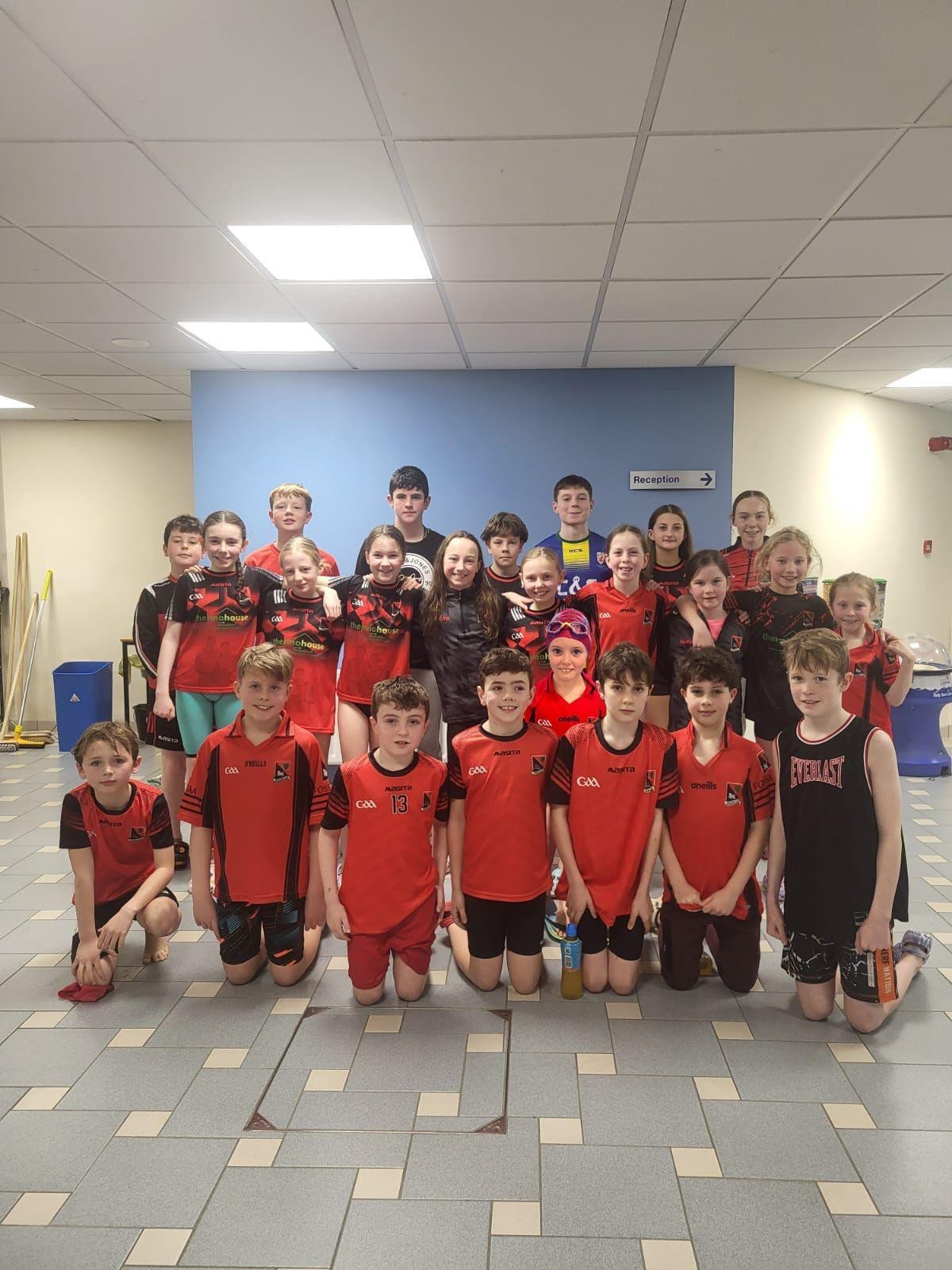
Fossa Swimmers make a splash at County Finals
The Fossa Swim team pictured at the Tralee Sports Complex following their successful outing at the County Finals of the Community Games on Sunday, February 15. The 25-strong squad delivered […]

News
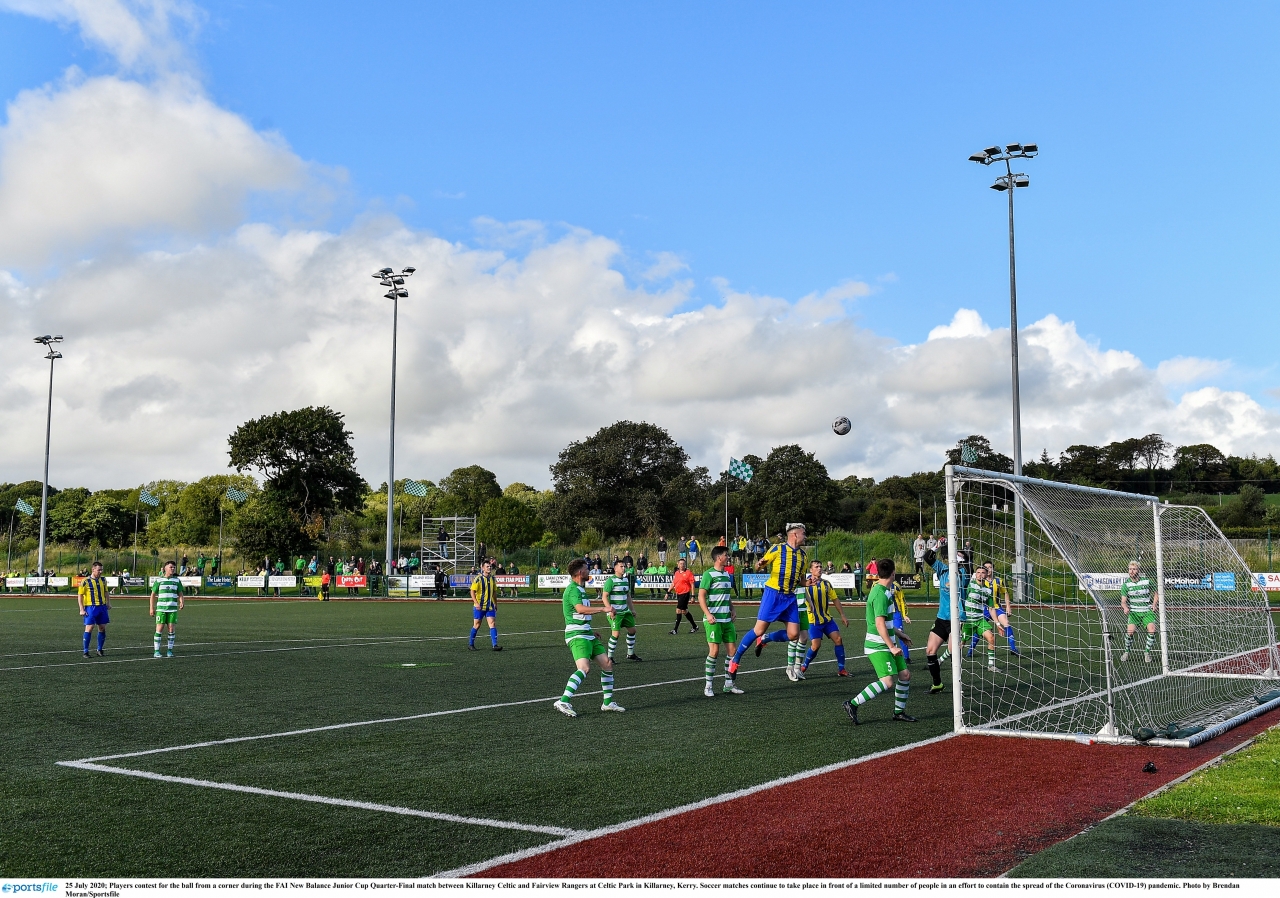
On the Ball Part 2 of the Mikey Daly Interview
Éamonn Fitzgerald EF: Killarney Celtic are invited to participate in an Irish competition. That has big financial implications for travel, meals, etc. MD: It is great to be invited, showing […]


Arbutus Hotel’s 100th anniversary honoured at IHF Conference
The centenary of the historic Arbutus Hotel took centre stage this week at the Irish Hotels Federation (IHF) Annual Conference....

Over €2K raised at Killarney premiere of Hind Rajab film
Killarney for Palestine welcomed over 120 people to The Brehon on Sunday evening for the Kerry premiere of the Oscar-nominated...


Four years on from the Russian invasion of Ukraine, Killarney resident Natalya Krasnenkova shares her experience
When I first arrived at Dublin Airport four years ago, I was handed a small slip of paper. It had...

Top tips at McSweeney’s Cheltenham charity preview night
Racing fans are invited to the McSweeney Arms Hotel on Tuesday, March 3, for an expert preview of the upcoming...


Double award win for Jessie Buckley
Killarney-born actress Jessie Buckley celebrated a historic weekend by securing Lead Actress awards at both the Irish Film and Television...
