
News
Wildflowers are not always simple to grow


By Debby Looney, gardening expert
There is nothing quite like the low, humming sound of insects in the garden. I always find the different pitches of the buzzing fascinating, from the drone of a big, furry bumble bee to the high pitched whirring of hoverflies.

.

.
And wasps always seem to have a dangerous sound – it is unique to them, in any case. It is possible to help pollinators into your garden at almost any time of the year, solitary bees such as bumbles and leafcutter bees, will come out of hibernation on a sunny December day if there are some heather flowers nearby. tulips, hyacinths, crocus and snowdrops provide sustenance in early spring, along with shrubs such as hamamelis, daphne, viburnum and willow. In April, the small flowers of the field maple attract many insects, as do the large trumpet shaped flowers of rhododendrons and azaleas. Wildflowers are now beginning to bloom, and they are the subject of today’s column!
While it seems counterintuitive, wildflowers are not always simple to grow, especially as we mean ‘pretty meadow blooms’ as opposed to ‘weeds’! Creating an area for wildflowers takes some preparation. Most important is that it is a weed free area. Kill off any grass or weeds before sowing, either by using conventional weedkillers, or by laying down a sheet of black polythene or weed suppressant. Make sure any seeds which germinate are removed also, and that problematic plants such as rushes, are dug out. Most importantly, ensure all grass is gone, as wildflowers do not compete well against its vigorous growth. Rake the top layer of the soil loose to a fine tilth, and do not add fertiliser! Wildflowers will generally not do well in a rich soil. When your area is ready, decide which seeds are best for your spot. There is much to choose from, for example, single varieties such as ragged Robin, teasels and poppies, or mixtures. There are seed mixes for perennial meadows, ones which attract birds - these usually have a high volume of seed bearing flowers, mixes for bees, ladybirds or certain colour mixes. There are also soil specific mixes.
SOWING SEEDS
Sow your seeds thinly and evenly onto the prepared ground. I tend to cover with netting at this time of year, because, although it is the best time of year to sow, and there is a very high germination rate, birds are also a problem!
The only maintenance really is to keep an eye on slug damage - I scatter in a few pellets when I sow anything - and if there are very dense clumps of seedlings forming, thin them out. When the flowers have gone to seed in the autumn, just cut them to ground level, leave the cuttings a few days for the seeds to drop out, and rake the foliage up. If left to rot in situ, it will make the soil too fertile for a good display the following year.
I mention the use of slug pellets. To the best of my knowledge, the use of metaldehyde poison in slug pellets has been banned for a few years now, and pellets are made of ferric phosphate which is not harmful to pets or birds unless ingested in very large amounts. However, there are some ingredients used in slug pellets which may potentially cause damage to earthworms and other soil dwellers, so please, always use sparingly and where possible, not at all!

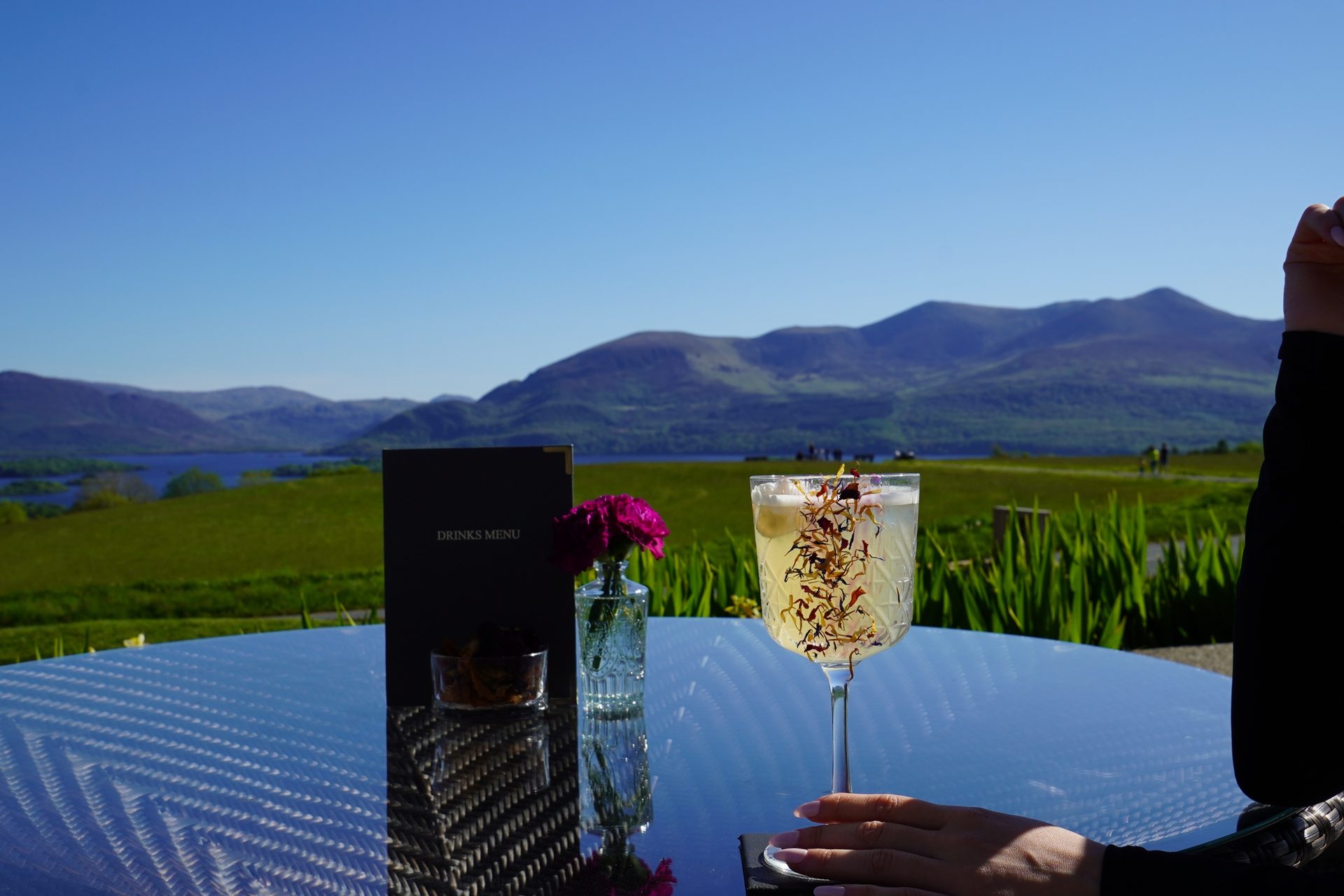
Aghadoe Heights introduces Engagement Concierge service
Aghadoe Heights Hotel & Spa has launched a full-service Engagement Concierge, providing a bespoke proposal planning service.
Part of the TMR Hotel Collection, the five-star property aims to handle every detail of popping the question, offering discreet support from initial planning to execution.
The process begins with a private consultation to tailor the occasion to the couple. Services on offer include secure ring safekeeping, hidden photography or videography, custom floral arrangements, manicures at the hotel spa, and candlelit balcony or penthouse setups.
Post-proposal options include private dinners, couples’ spa treatments, framed photos delivered at evening turndown, custom embroidered robes, and helicopter flights.
Speaking on the launch, Aghadoe Heights Hotel & Spa General Manager Brian Bowler highlighted the focus on reducing stress for guests.
“Proposals are among the most meaningful moments in a person’s life, yet they often come with significant pressure,” Bowler said. “Our Engagement Concierge allows guests to focus entirely on the moment itself. We discreetly manage every detail behind the scenes.”
The hotel is also offering follow-up planning for engagement parties and weddings, ranging from intimate penthouse gatherings for up to 18 guests to full exclusive venue takeovers.
Consultations are designed around individual preferences and budgets. Further information is available at aghadoeheights.com/engagement-concierge or through the hotel’s wedding team.
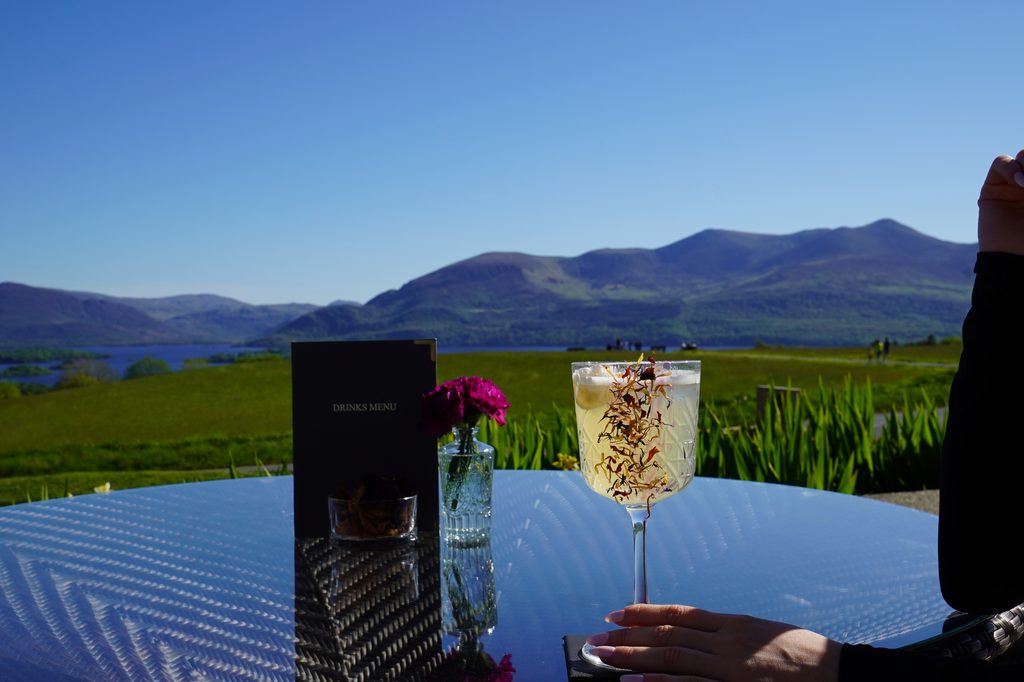

Paralympic legend to headline Chamber winter schedule
Six-time Paralympic gold medallist Jason Smyth will head to Killarney next month as part of an ambitious winter events schedule announced by the Killarney Chamber of Tourism and Commerce.

The legendary sprinter will take centre stage for ‘An Evening with Paralympian Jason Smyth’ on Wednesday, October 7 at The Killarney Plaza Hotel & Spa. The complimentary discussion event, sponsored by AIB, promises an inspiring insight into the career of one of Ireland’s greatest-ever sporting figures.
The high-profile appearance forms part of a busy lineup of upcoming gatherings designed to connect local businesses and residents across the town.
The schedule kicks off on Wednesday, September 30 with a Chamber Luncheon at the Killarney Heights Hotel, offering members a key networking opportunity ahead of the autumn season.
Chamber leadership highlighted that the autumn and winter series continues the organisation’s core mission of bringing the local community together and showcasing Killarney as an outstanding place to live, work, and belong.

Aghadoe Heights introduces Engagement Concierge service
Aghadoe Heights introduces Engagement Concierge service Aghadoe Heights Hotel & Spa has launched a full-service Engagement Concierge, providing a bespoke...


Paralympic legend to headline Chamber winter schedule
Paralympic legend to headline Chamber winter schedule Six-time Paralympic gold medallist Jason Smyth will head to Killarney next month as...


Retailers join national campaign to cut PRSI and safeguard local jobs
Retailers and shop staff across Killarney joined forces this week as part of the nationwide ‘#CutPRSIKeepJobs’ campaign, calling on the...


European mixology elite heading to Pig’s Lane
Fresh off being named Ireland’s Bar of the Year 2026, Pig’s Lane is set to host world-renowned Athens cocktail destination...


WEEK 14: Felicity’s Summer in Killarney
WEEK 14Felicity’s Summer in Killarney Previously: Here on Dundag it was far easier to relax than anywhere else. They had...


Fossa Swimmers make a splash at County Finals
The Fossa Swim team pictured at the Tralee Sports Complex following their successful outing at the County Finals of the...


On the Ball Part 2 of the Mikey Daly Interview
Éamonn Fitzgerald EF: Killarney Celtic are invited to participate in an Irish competition. That has big financial implications for travel,...


LUKE MANGAN recently caught up with Kerry FC’s manager, Colin Healy.
He spoke to him about his careers as a player and manager. Here’s how it went: When you began your...


Home cup tie for St Paul’s could be epic
Paudie O’Connor National Cup (Round 1) Utility Trust St Paul’s v GCU Brunell Saturday 7.30pm Killarney Sports and Leisure Centre...


Chances of Kerry v Cork Munster final in 2026 decrease as Munster GAA delay seeding plan
After facing a backlash from Limerick, Clare, Waterford and Tipperary players, Munster GAA have postponed their plan to keep Cork...
