
News
Them bones, them bones, need calcium!


By Brian Foley from Activate Fitness
This week's article is Part Two in our series on the effects of ageing on our bodies and what we can do about it.

.

.
Last week we delved into arthritis and learned a little about the condition and how it will impact many of our lives.
This week, we’re looking at osteoporosis.
Everyone remembers that TV advert from the '80s with that freaky looking wooden man singing “Them bones, them bones, need calcium!” He wasn’t wrong, solid nutrition with a healthy dose of calcium is vital to bone health, but so too is stress.
When we think of bones, we often think of a “fixed”, hard structure that just remains the same. However, bones are a living organ, in a constant state of degeneration and regeneration.
Osteoporosis is a condition that affects one in four women and one out of every six to seven men. It is characterised by decreased bone mineral density causing an increased likelihood of fracture. 20% of men and 37% of women will die after fracturing their hip and many who suffer a fracture are likely to re-fracture. For people who have osteoporosis, a fracture can cause a downward spiral of avoiding activity, becoming deconditioned, and then becoming more susceptible to a future fracture.
Fortunately, there are ways to safeguard against this significant bone density loss. Did you know that each time you do a relatively heavy squat your bones bend ever so slightly and a signal is sent within the bone to build more bone? It's absolutely amazing what our bodies can do, but the bone requires a sufficient stress to adapt, remodel and, over time get stronger.
WEIGHT TRAINING
Therefore, weight training should be a central tenant of anyone’s health and fitness regime. How you do it is mostly up to you, but I would advise seeking out a qualified professional first. If you have been diagnosed with osteoporosis or osteopenia (which can be simply viewed as a potential precursor to osteoporosis) you should seek out a physiotherapist first who would typically either devise an exercise programme for you that contains progressive resistance i.e. weights or work that increases gradually, or they would refer you out to a suitably qualified exercise professional.
What would this programme look like?
Typically it would include two sessions per week with at least one exercise per body part and its core would include some form of compound exercise, such as a squat.
For people with osteoporosis but without fractures: at least 50 moderate impacts a session i.e. jogging, low level jumping, and hopping are recommended and should be interspersed with walking activities.
These are just guidelines, and should of course be adjusted depending on the individual.
“But I’m healthy enough and go walking most days”
Walking and other forms of cardiovascular exercise such as cycling and swimming are great, the benefits for your cardiovascular system and your overall happiness and well-being are well documented. However, these exercises fail to produce significant increases in bone density in most people as they don’t provide enough of a “loading stimulus” (stress to the bone) to stimulate bone growth.
If you are concerned about the impacts of osteoporosis or are currently diagnosed with osteopenia or osteoporosis, Activate runs a twice weekly strength programme which is devised and coached by Sam Treharne (CORU registered physiotherapist) which might be suitable for you. To find out more visit www.activate.ie/free-intro or call 087 4030894.

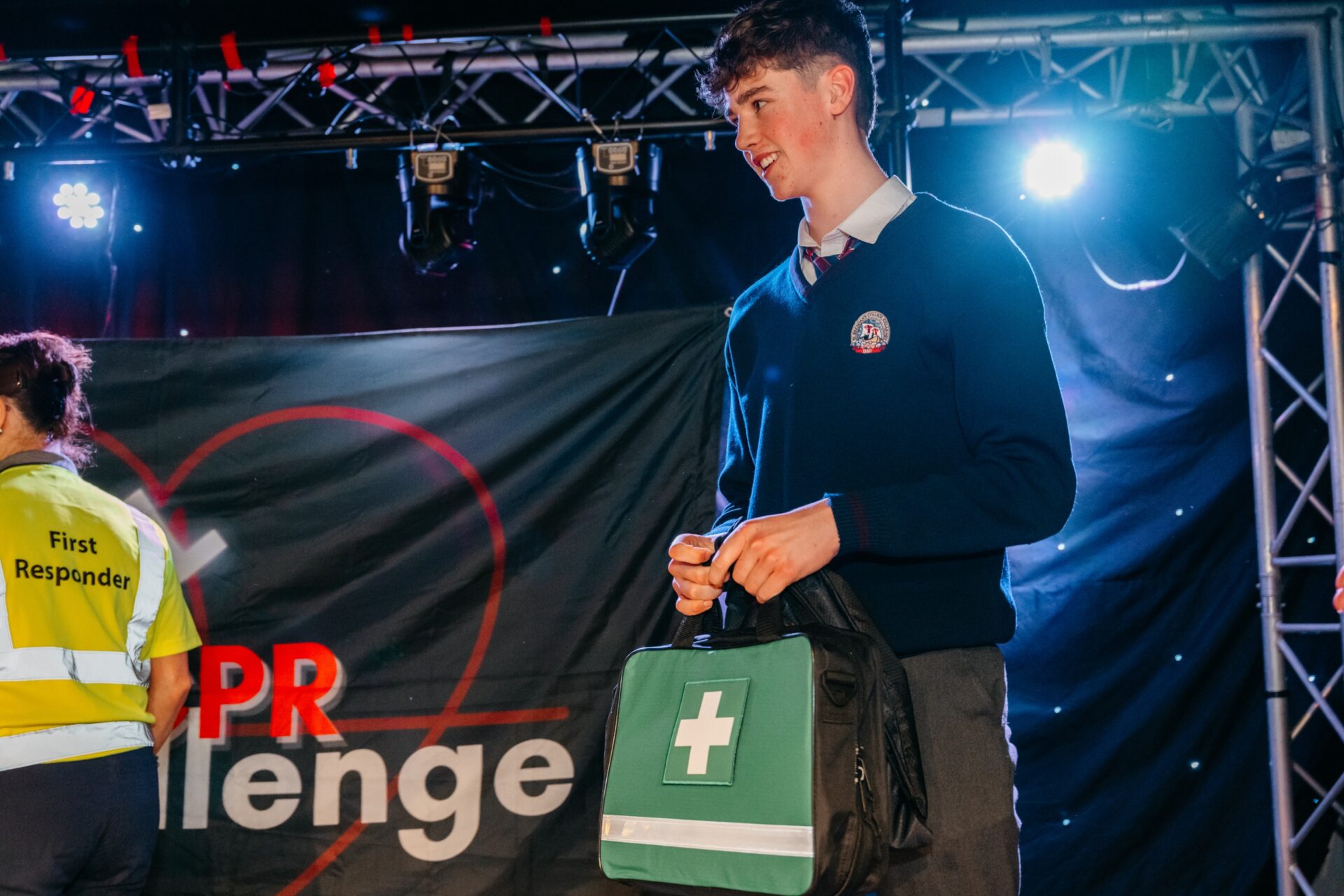

St Brendan’s student Aodhagan O’Sullivan crowned CPR champion
Aodhagan O’Sullivan, a student at St Brendan’s College, Killarney, has been named the 2026 School CPR Challenge Champion. The prestigious...

Cllrs demand meeting with HSE property officials
Killarney councillors are seeking an urgent face-to-face meeting with the HSE to prevent the town’s health infrastructure from falling into...


Maggie’s Montessori supports National Pyjama Day
The usual morning routine was swapped for slippers and dressing gowns at Maggie’s Montessori last Friday as the children took...
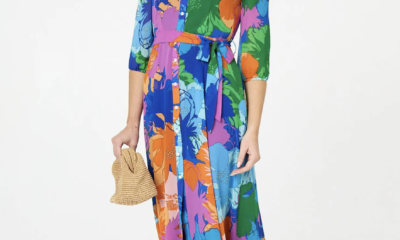

Incredible value at Paco warehouse clearance
Paco Clothing is to open a second shop at the Killarney Outlet Centre for March and April – and the...
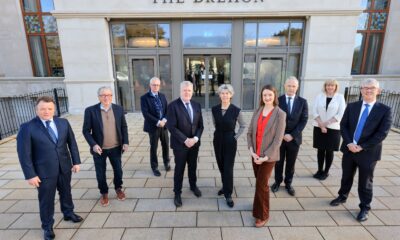

Tourism Ireland CEO Outlines Global Strategy at KTIF Tourism Day
The CEO of Tourism Ireland, Alice Mansergh, was in Killarney on Tuesday of this week to address tourism leaders from...
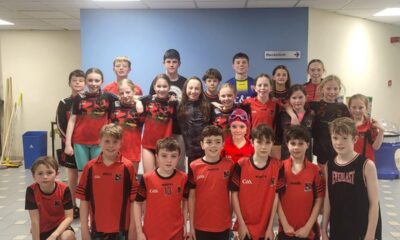

Fossa Swimmers make a splash at County Finals
The Fossa Swim team pictured at the Tralee Sports Complex following their successful outing at the County Finals of the...
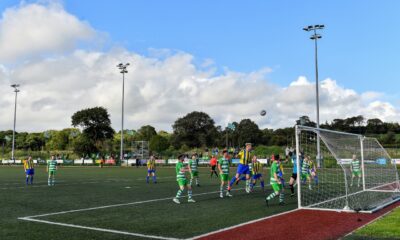

On the Ball Part 2 of the Mikey Daly Interview
Éamonn Fitzgerald EF: Killarney Celtic are invited to participate in an Irish competition. That has big financial implications for travel,...

LUKE MANGAN recently caught up with Kerry FC’s manager, Colin Healy.
He spoke to him about his careers as a player and manager. Here’s how it went: When you began your...


Home cup tie for St Paul’s could be epic
Paudie O’Connor National Cup (Round 1) Utility Trust St Paul’s v GCU Brunell Saturday 7.30pm Killarney Sports and Leisure Centre...


Chances of Kerry v Cork Munster final in 2026 decrease as Munster GAA delay seeding plan
After facing a backlash from Limerick, Clare, Waterford and Tipperary players, Munster GAA have postponed their plan to keep Cork...
