News
Strong Killarney support for fundraising cycle

&
Killarney locals came out in force over the weekend and helped to raise funds for Down Syndrome Kerry - by partaking in the Tom Crean Unsung Hero Cycle in association with Tour de Munster.
The cycle and family fun weekend took place on both Saturday and Sundayat Ballyseedy Home & Garden, Tralee.
The event, only in its second year, saw over 280 cyclists take to the road to raise essential funds for Down Syndrome Kerry.
The weekend pays homage to renowned explorer Tom Crean and also remembers Down Syndrome Kerry member, Emily Keohane, who sadly passed away in 2017.
The cycle included a 75km or 44km route on Saturday.
“Setting out from Ballyseedy at 10am, the cyclists took in Camp, Annascaul, Inch and Castlemaine before reaching the finish line at Ballyseedy to enjoy a BBQ, live music with the renowned Liam O’Connor and family fun,” Madeleine Doyle, from Beaufort who is PRO for Down Syndrome Kerry, said.
“Taking to the road in support again this year was David Wallace, former Munster and Ireland rugby player along with Aidan O’Mahony, former Kerry footballer and Dancing with The Stars winner, along with former Kerry Footballer Kieran Donaghy.
“Many cyclists from Killarney also took to the road to raise funds for DSK including Ken and Margaret O’Sullivan, parents of Ciara. No strangers to cycling, Danny Brosnan and Anthony Cronin spent the day on the bike, while Danny’s daughter Caoimhe and Anthony’s niece Niamh enjoyed the family fun at Ballyseedy.”
On Sunday, the inaugural Tom Crean historical walk took place, which included the cemetery where he was laid to rest and his family home in Annascaul. The walk was guided by Tom Crean’s granddaughter Aileen Crean O’Brien and Bill Sheppard, author of the book ‘Honouring Tom Crean’, who told many stories of Tom Crean’s life.
Family fun and activities continued in Ballyseedy with Zumba and drumming lessons as well as a BBQ, she added.
“A huge thanks to all the cyclists and sponsors who made the day a huge success for its second year.”

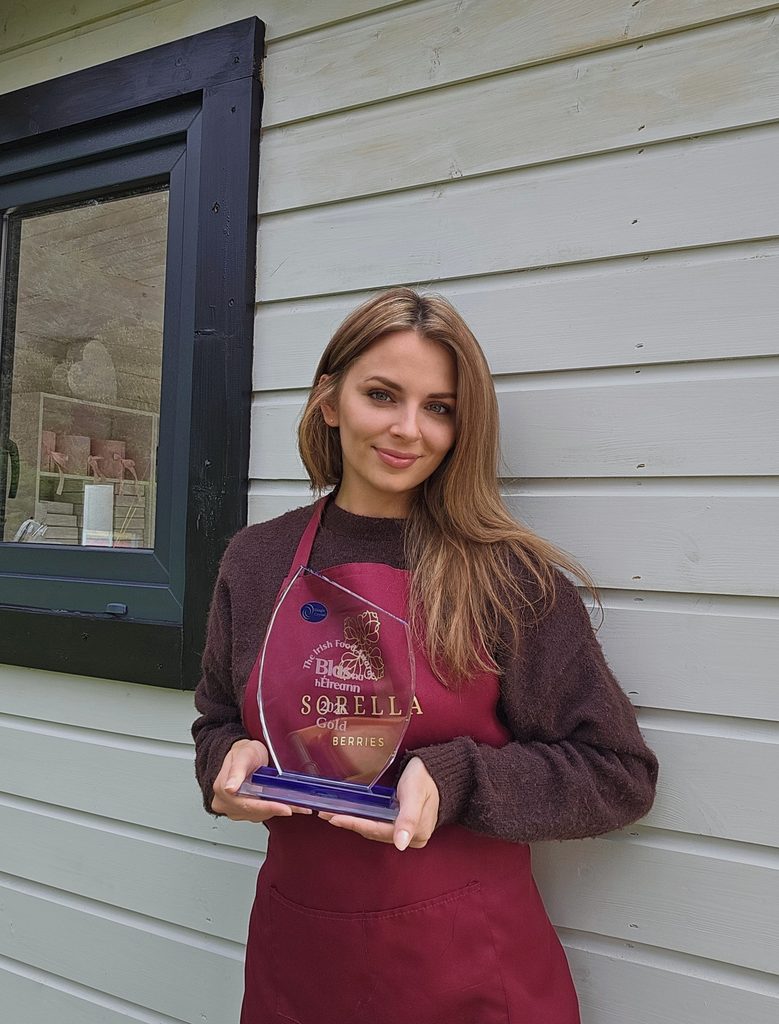
LOCAL GOLD: Terrie O’Shea, founder and owner of Killarney-based business Sorella Berries, celebrating her Gold award win at the Blas na hÉireann Irish Food Awards held in Dingle last week. Her hand-crafted chocolate covered strawberries secured the top spot in national competition, earning recognition for the local food producer on the national stage.
LOCAL GOLD:
LOCAL GOLD: Terrie O’Shea, founder and owner of Killarney-based business Sorella Berries, celebrating her Gold award win at the Blas...

Grady demands Killarney traffic review
Killarney councillor Martin Grady has called for an urgent review of traffic management across the town following severe delays along...
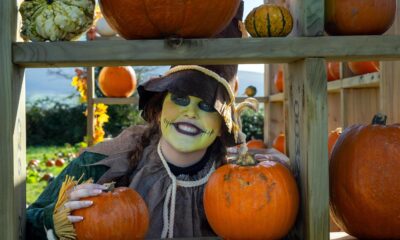

Killarney Pumpkin Farm returns for Halloween
The annual event is in its sixth year and caters to people of all ages. The farm is located in...


Killarney Toastmasters host special open night
Killarney Toastmasters is inviting members of the local community to an open night at the Dromhall Hotel on Muckross Road...
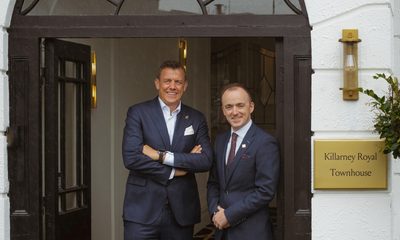

Killarney hotels achieve top global rankings in Readers’ Choice Awards
Killarney hotels achieve top global rankings in Readers’ Choice Awards Two leading Killarney hotels are celebrating major international accolades following...
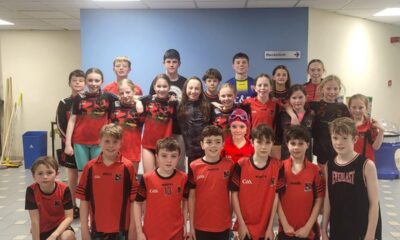

Fossa Swimmers make a splash at County Finals
The Fossa Swim team pictured at the Tralee Sports Complex following their successful outing at the County Finals of the...
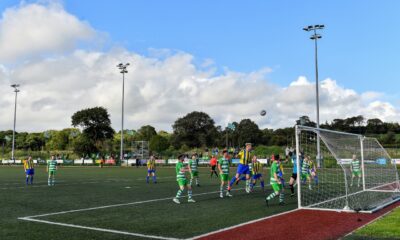

On the Ball Part 2 of the Mikey Daly Interview
Éamonn Fitzgerald EF: Killarney Celtic are invited to participate in an Irish competition. That has big financial implications for travel,...

LUKE MANGAN recently caught up with Kerry FC’s manager, Colin Healy.
He spoke to him about his careers as a player and manager. Here’s how it went: When you began your...

Home cup tie for St Paul’s could be epic
Paudie O’Connor National Cup (Round 1) Utility Trust St Paul’s v GCU Brunell Saturday 7.30pm Killarney Sports and Leisure Centre...


Chances of Kerry v Cork Munster final in 2026 decrease as Munster GAA delay seeding plan
After facing a backlash from Limerick, Clare, Waterford and Tipperary players, Munster GAA have postponed their plan to keep Cork...