News
Sem students share stage with The High Kings

TALENT: Musical students from St Brendan’s College in Killarney on stage with 'The High Kings'.
By Sean Moriarty
Musical students at St Brendan’s College in Killarney enjoyed a second cameo appearance with top performers in as many weeks – this time with The High Kings.
Two weeks after appearing on stage with Corona’s lead singer Danny Reilly, the students shared the stage with The High Kings, at the INEC last Saturday night.
The students shot to prominence this year after their impromptu session on a Ryanair flight of Irish classics ‘Step It Out Mary’ and ‘The Parting Glass’ went viral - clocking up millions of views.
The High Kings usually end their performances with their own version of ‘The Parting Glass’ and the St Brendan’s online version got the attention of the band’s Brian Dunphy.
“Brian emailed the school shortly after the famous Ryanair video praising the boys,” Music Teacher Niamh O’Connell said. “He said at the time that if the band was ever in Killarney they would do something with the boys.”
Following some correspondence, the band ended up inviting the boys to perform on stage, she added.
“It was a bit ironic really as some of them had bought tickets and they ended up on the stage with the High Kings.”
St Brendan’s were invited to perform their version of ‘The Parting Glass’ ahead of the High King’s encore of the same song.
“Our version led into the High King’s version,” Niamh said. “The High Kings were so encouraging of the boys, it was amazing for the boys to get an experience like this.”
The High Kings enjoyed the experience too, according to the band’s website.
“Early this year a group of lads singing on an aeroplane gained international attention and The High Kings were delighted to meet and perform with said gentlemen last weekend. The band would like to extend their gratitude to all the lads and particularly to their teachers, Mish O’Donoghue and Niamh O’Connell, for all their work in making it happen.”

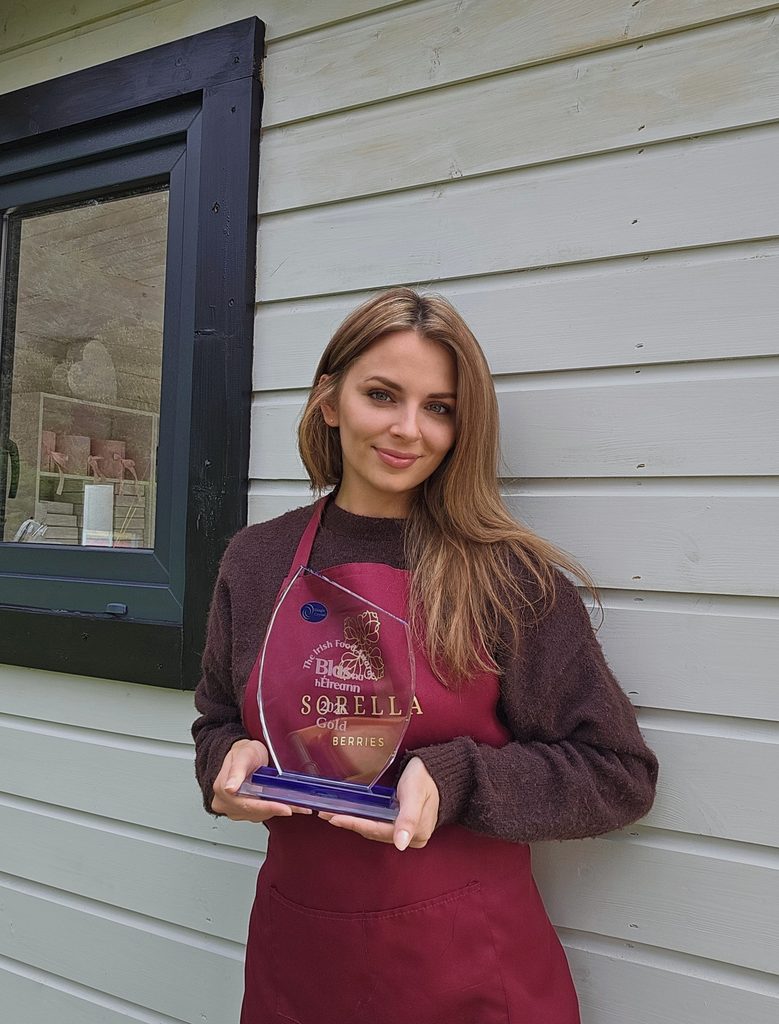
LOCAL GOLD: Terrie O’Shea, founder and owner of Killarney-based business Sorella Berries, celebrating her Gold award win at the Blas na hÉireann Irish Food Awards held in Dingle last week. Her hand-crafted chocolate covered strawberries secured the top spot in national competition, earning recognition for the local food producer on the national stage.
LOCAL GOLD:
LOCAL GOLD: Terrie O’Shea, founder and owner of Killarney-based business Sorella Berries, celebrating her Gold award win at the Blas...

Grady demands Killarney traffic review
Killarney councillor Martin Grady has called for an urgent review of traffic management across the town following severe delays along...
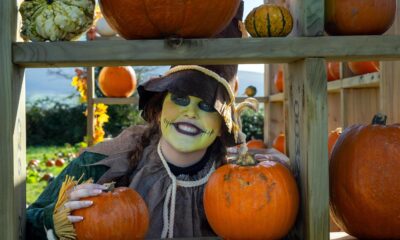

Killarney Pumpkin Farm returns for Halloween
The annual event is in its sixth year and caters to people of all ages. The farm is located in...


Killarney Toastmasters host special open night
Killarney Toastmasters is inviting members of the local community to an open night at the Dromhall Hotel on Muckross Road...
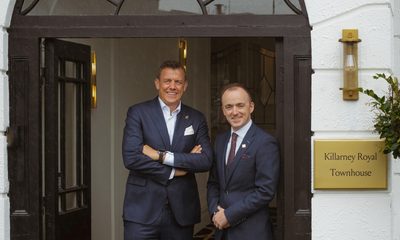

Killarney hotels achieve top global rankings in Readers’ Choice Awards
Killarney hotels achieve top global rankings in Readers’ Choice Awards Two leading Killarney hotels are celebrating major international accolades following...
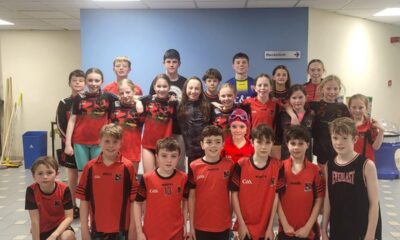

Fossa Swimmers make a splash at County Finals
The Fossa Swim team pictured at the Tralee Sports Complex following their successful outing at the County Finals of the...

On the Ball Part 2 of the Mikey Daly Interview
Éamonn Fitzgerald EF: Killarney Celtic are invited to participate in an Irish competition. That has big financial implications for travel,...

LUKE MANGAN recently caught up with Kerry FC’s manager, Colin Healy.
He spoke to him about his careers as a player and manager. Here’s how it went: When you began your...

Home cup tie for St Paul’s could be epic
Paudie O’Connor National Cup (Round 1) Utility Trust St Paul’s v GCU Brunell Saturday 7.30pm Killarney Sports and Leisure Centre...


Chances of Kerry v Cork Munster final in 2026 decrease as Munster GAA delay seeding plan
After facing a backlash from Limerick, Clare, Waterford and Tipperary players, Munster GAA have postponed their plan to keep Cork...