News
Storm brings rare bird to Kerry

RARE FIND: Anthony O'Connor and John O'Donghue with the Little Bittern that was blown off-course by Storm Lorenzo last week.
By Sean Moriarty
The aftermath of last week’s Storm Lorenzo resulted in a very rare North American bird being swept into Kerry.
A male Least Bittern, a member of the Heron family, was found in a distressed state in local man John O’Donoghue’s yard in Farranfore on Monday.
It is the first sighting of such a specimen in Ireland and only the tenth ever in the geographic area known as the Western Palearctic that covers all of Europe, North African countries and some Gulf States since records began in 1900.
Despite his best efforts John was unable to keep the bird alive and he died within 30 minutes of being found.
John contacted another local man, Anthony O’Connor, whose brother John is an ornithologist who used to keep finches and other birds at his Ardfert home.
They were unable to identify the bird but contacted Bird Watch Ireland who confirmed it was indeed a Least Bittern and that it was the first sighting of such a bird in Ireland.
The migratory population of Least Bittern breeds mostly in eastern North America, wintering in Central America, The Caribbean, northern South America. The closest previous sightings to Ireland were one each in the Azores and Iceland.
An American Green Heron (larger species but still relatively small for a heron/bittern) was present at Schull, County Cork from October 11 to 13, 2005 and was later relocated in Anglesey, Wales.
“While the finding of this bird is a surprise, it has a supporting cast of rare North American land-birds showing up in Ireland over the past two weeks due to the series of hurricanes and storms in the Atlantic disrupting their southbound migration from North America to South America and diverting them to Western Europe,” said Niall Keogh of the Irish Rare Birds Committee.
“So far this autumn we've had eight Red-eyed Vireos, one Black-and-white Warbler [on Inishbofin, third Irish sighting], one Baltimore Oriole [on Achill Island, fourth Irish sighting] and one Common Nighthawk [in Ballymena, third Irish record] across the island of Ireland. I suspect more North American land-birds will be found over the coming weeks given the weather we are having.”
While Storm Lorenzo is the most-likely reason the bird arrived in Ireland, it is also possible he hitched a lift on a trans-Atlantic ship.
“The bird appears to be quite emaciated so no wonder it died. Not much muscle structure left on the breast. It must have just had enough energy to make landfall,” added Keogh. “These small North American herons often have a tough time of it when vagrants in Europe as they are not used to such long sea crossings. Every chance it may have spent some time on ship during the crossing also. I once saw a Little Egret on the Irish state research vessel Celtic Explorer in the Mid-Atlantic while on the way to Canada one spring. A bird going the other way to this Least Bittern.”
The bird has been preserved by Mr O’Donoghue and he is awaiting instructions from the Irish Natural History Museum.
“Our recommendation for the specimen would be to send it to the Natural History Museum and they are experts at handling this specimen. I would also imagine it would go on public display once it has been preserved,” said Colum Flynn secretary, Irish Rare Bird Committee, “It is an awful pity it didn't live long after it was found but it had obviously travelled a long way and would have arrived in the Kingdom in a fairly weak state anyway.”
The finding has attracted international media attention with several British and European specialist magazines and websites contacting Mr O’Donoghue since Monday.

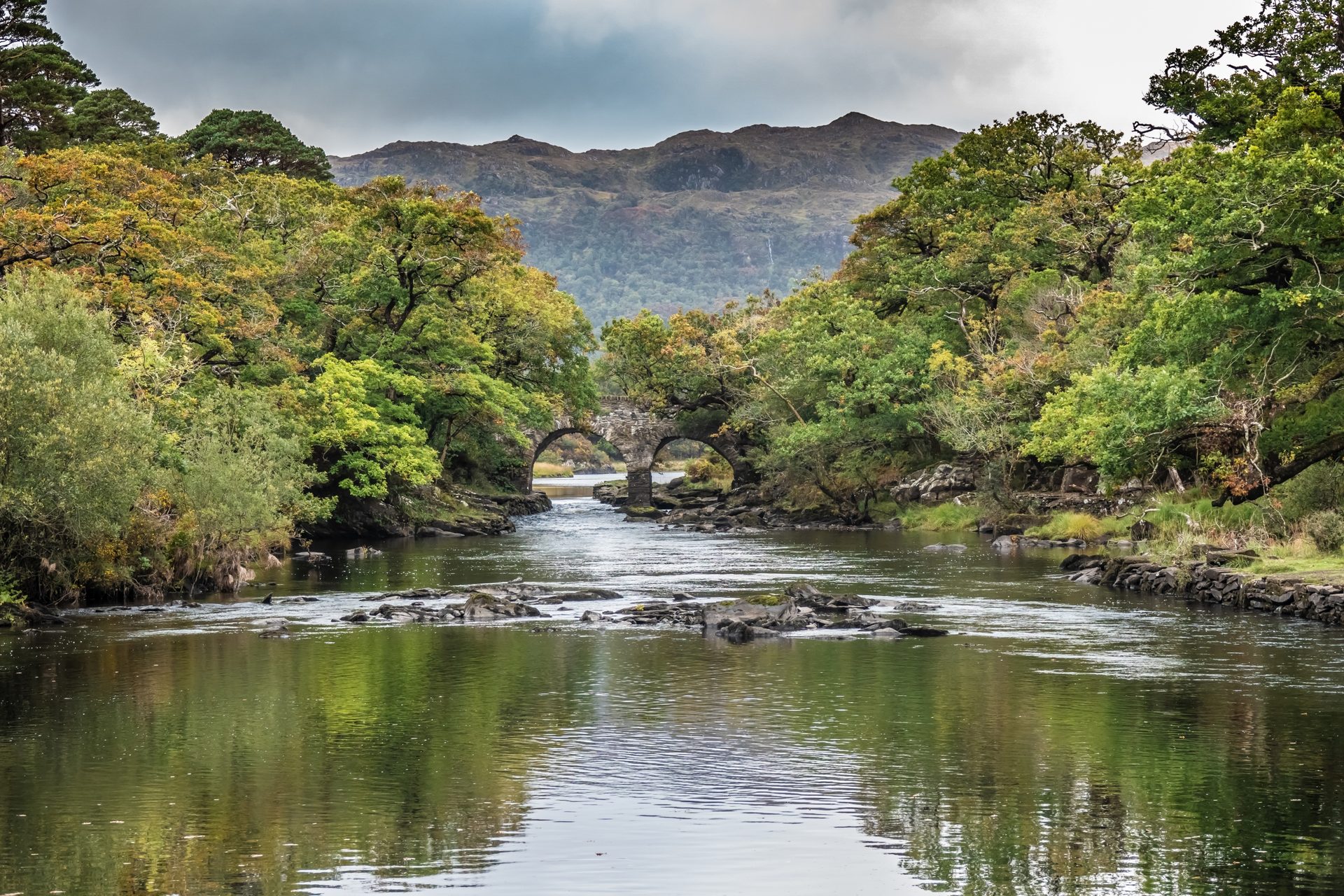
Green light for Torc Dinis walkway
Planning approval has been granted for a long-awaited lakeside walkway and cycleway connecting Torc and Dinis inside Killarney National Park.
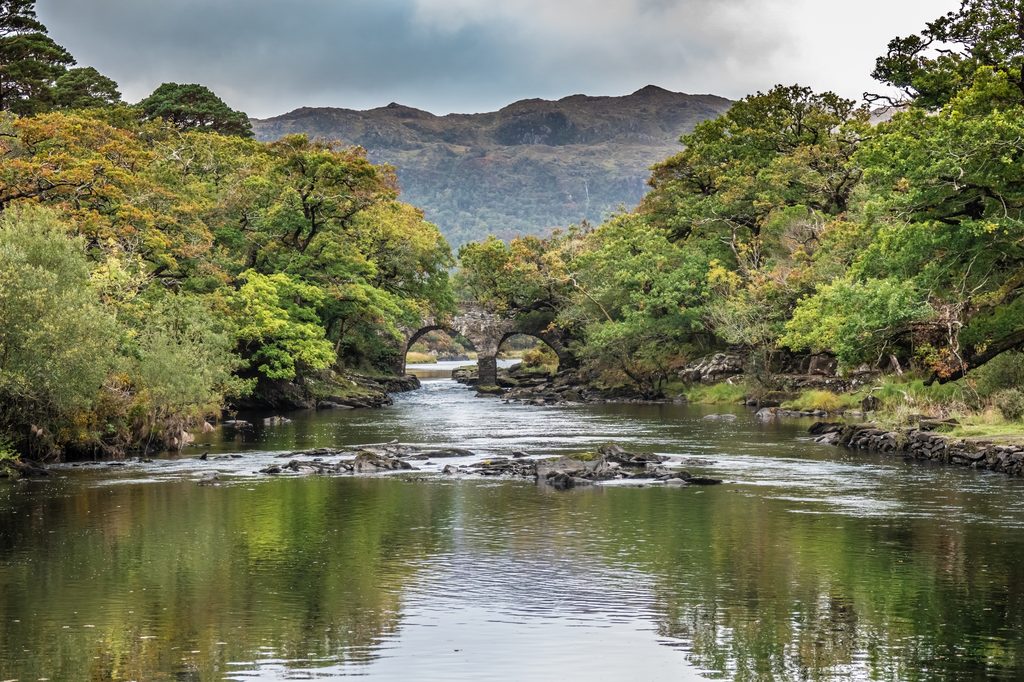
An Coimisiún Pleanála confirmed permission for the elevated platform project, which will complete the popular scenic loop while removing a dangerous 800-metre section along the busy N71 Killarney to Kenmare road.
Walkers and cyclists currently have to navigate narrow bends alongside heavy vehicular traffic and tour buses to complete the circuit between the Dinis and Torc car parks.
Mayor of Killarney John O’Donoghue welcomed the decision, calling it a transformative development for the region: “Since beginning in the Council in 2021, this has been one of my priorities as an issue I inherited from my predecessor Michael Gleeson, he being the first person to initially pursue the idea. I have repeatedly kept it on the agenda at Council meetings and now delighted to see we finally have positive news as this decision, which has been long overdue and eagerly awaited, will prove transformative for the area.”
Mayor O’Donoghue added: “The path, which will be on the lakeside, will offer views to rival those anywhere in the world and I have no doubt will prove very popular with locals and visitors alike. Huge credit is due to Kerry County Council and the NPWS for their co-operation on the issue. Once the decision has passed through its statutory waiting period, the design and tender stage can begin.”
The project, which will be built on a raised platform to protect the natural habitat beneath, will also be fully accessible for people with mobility issues. Killarney Chamber of Tourism and Commerce also welcomed the green light, noting that the completed loop will create a major safe attraction showcasing Muckross Lake, Dinis Cottage, and the Old Weir Bridge.
LAKESIDE PATH: An Coimisiún Pleanála has approved planning permission for a new raised walkway and cycleway connecting Torc and Dinis in Killarney National Park.
LOCAL GOLD: Terrie O’Shea, founder and owner of Killarney-based business Sorella Berries, celebrating her Gold award win at the Blas na hÉireann Irish Food Awards held in Dingle last week. Her hand-crafted chocolate covered strawberries secured the top spot in national competition, earning recognition for the local food producer on the national stage.


Green light for Torc to Dinis walkway
Green light for Torc Dinis walkway Planning approval has been granted for a long-awaited lakeside walkway and cycleway connecting Torc...
LOCAL GOLD:
LOCAL GOLD: Terrie O’Shea, founder and owner of Killarney-based business Sorella Berries, celebrating her Gold award win at the Blas...
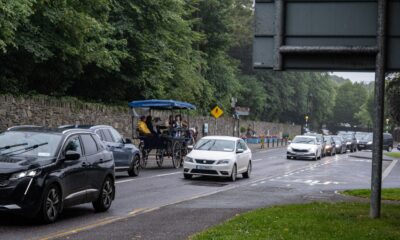

Grady demands Killarney traffic review
Killarney councillor Martin Grady has called for an urgent review of traffic management across the town following severe delays along...

Killarney Pumpkin Farm returns for Halloween
The annual event is in its sixth year and caters to people of all ages. The farm is located in...


Killarney Toastmasters host special open night
Killarney Toastmasters is inviting members of the local community to an open night at the Dromhall Hotel on Muckross Road...

Fossa Swimmers make a splash at County Finals
The Fossa Swim team pictured at the Tralee Sports Complex following their successful outing at the County Finals of the...

On the Ball Part 2 of the Mikey Daly Interview
Éamonn Fitzgerald EF: Killarney Celtic are invited to participate in an Irish competition. That has big financial implications for travel,...


LUKE MANGAN recently caught up with Kerry FC’s manager, Colin Healy.
He spoke to him about his careers as a player and manager. Here’s how it went: When you began your...


Home cup tie for St Paul’s could be epic
Paudie O’Connor National Cup (Round 1) Utility Trust St Paul’s v GCU Brunell Saturday 7.30pm Killarney Sports and Leisure Centre...


Chances of Kerry v Cork Munster final in 2026 decrease as Munster GAA delay seeding plan
After facing a backlash from Limerick, Clare, Waterford and Tipperary players, Munster GAA have postponed their plan to keep Cork...