
News
O’Donoghue heads to Scotland for legendary Mull Rally

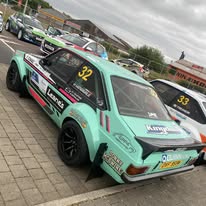
Killarney rally driver Colin O'Donoghue will tackle the Beatson's Building Supplies Rally Mull in Scotland next month, marking his first competitive outing of the year.
O'Donoghue returns to the driver's seat for the first time since taking victory in the modified section of the Killarney Historic Rally last December.
The Scottish event marks only his second career rally appearance outside Ireland.
Navigated by Donegal co-driver Evan MacBride, O'Donoghue will field his Ford Escort MK2 as car number 11 in a packed Class 3 field.
The grueling three-day tarmac event runs across 220 kilometres of asphalt stages on the Isle of Mull from October 9 to 11.
Also making the trip across the Irish Sea are Cork crew Kevin Kelleher and Sean Hyde, who start directly behind O'Donoghue at car number 18 in a matching Ford Escort MK2.

O’Donoghue heads to Scotland for legendary Mull Rally
Killarney rally driver Colin O’Donoghue will tackle the Beatson’s Building Supplies Rally Mull in Scotland next month, marking his first...

Past captains gather at Killarney Golf and Fishing Club
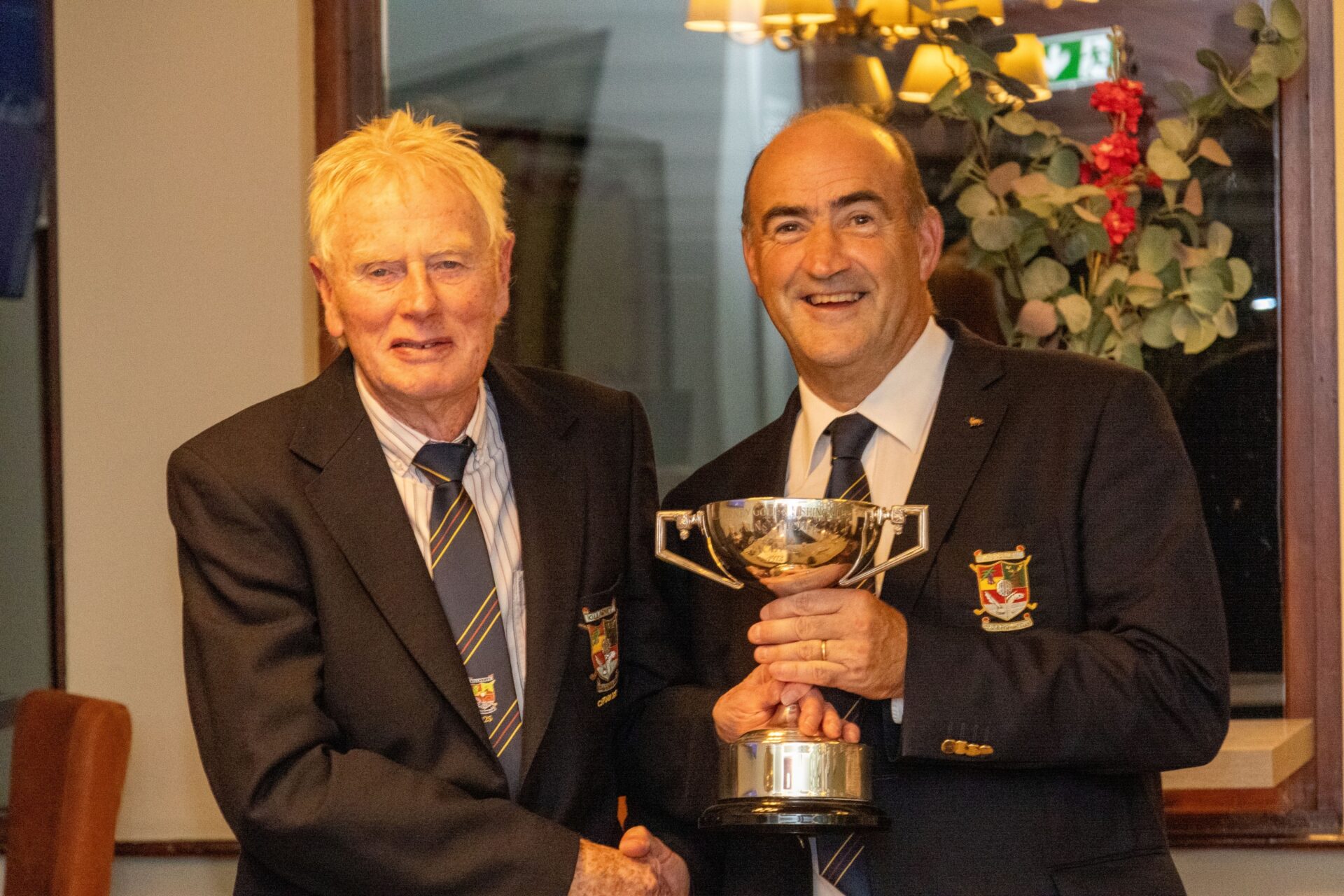
Killarney Golf and Fishing Club welcomed a large gathering of former officers for its annual Past Captains’ Evening on Friday,...
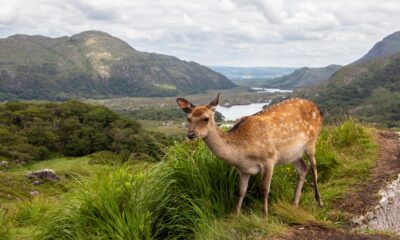

The rut is nigh
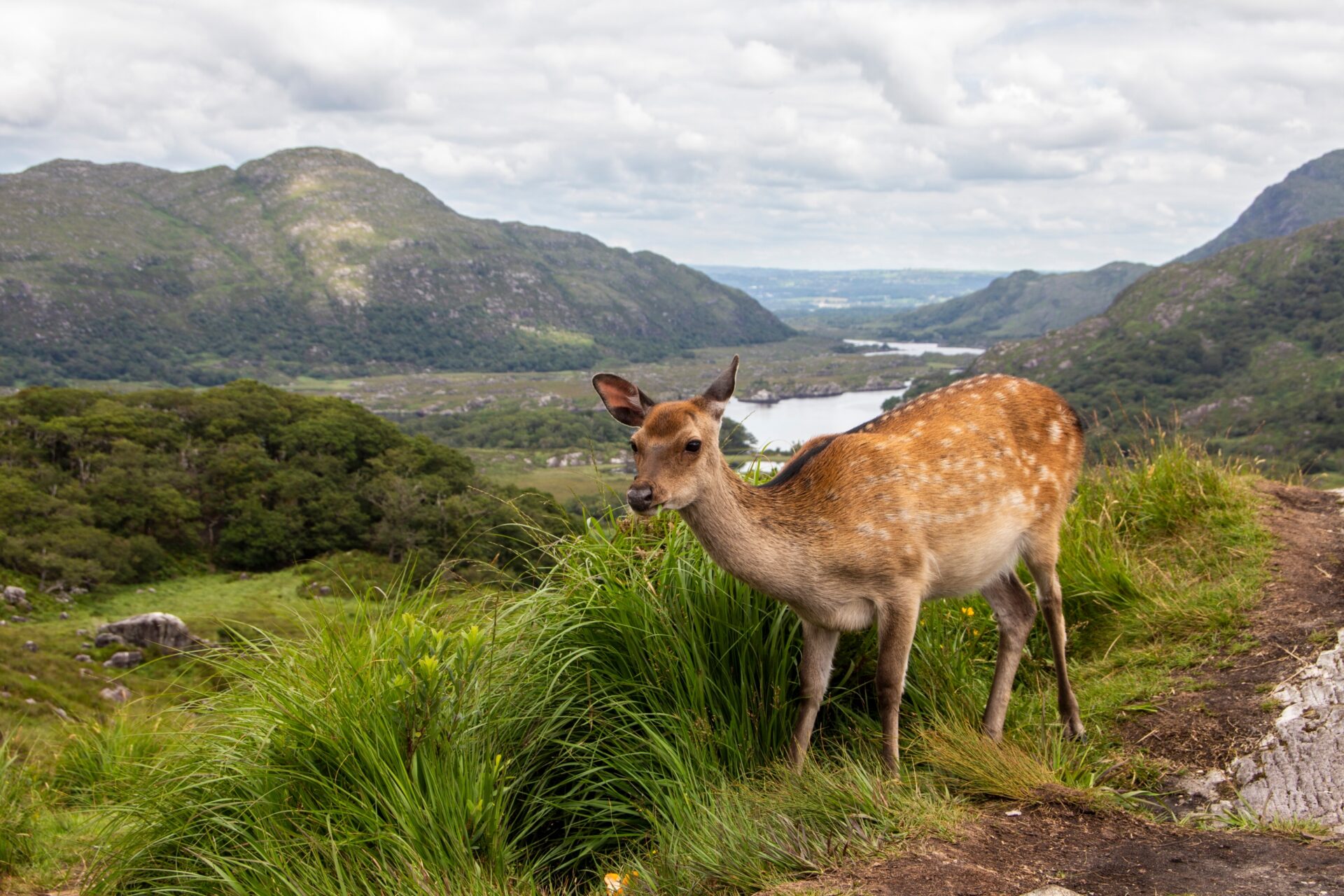
Local historian Thomas O’Sullivan is encouraging residents and visitors across Killarney to step outdoors and experience the annual red deer...
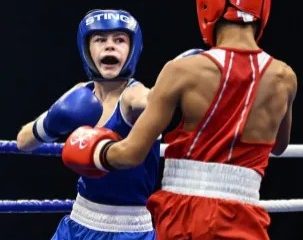

Pa Casey named Ireland captain for European Boxing Championships
Reigning European champion Pa Casey has been named male team captain for Ireland at the upcoming European U15 Boxing Championships....
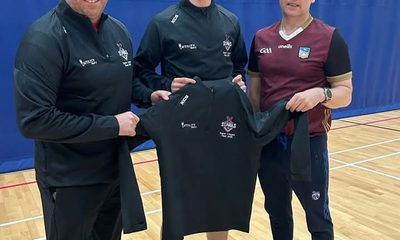

St Paul’s move home fixtures to Pres Gym following flood damage
St Paul’s move home fixtures to Pres Gym following flood damage Both the St Paul’s national league men’s and women’s...
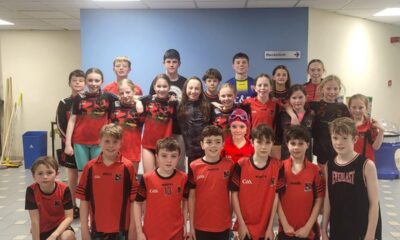

Fossa Swimmers make a splash at County Finals
The Fossa Swim team pictured at the Tralee Sports Complex following their successful outing at the County Finals of the...

On the Ball Part 2 of the Mikey Daly Interview
Éamonn Fitzgerald EF: Killarney Celtic are invited to participate in an Irish competition. That has big financial implications for travel,...

LUKE MANGAN recently caught up with Kerry FC’s manager, Colin Healy.
He spoke to him about his careers as a player and manager. Here’s how it went: When you began your...

Home cup tie for St Paul’s could be epic
Paudie O’Connor National Cup (Round 1) Utility Trust St Paul’s v GCU Brunell Saturday 7.30pm Killarney Sports and Leisure Centre...


Chances of Kerry v Cork Munster final in 2026 decrease as Munster GAA delay seeding plan
After facing a backlash from Limerick, Clare, Waterford and Tipperary players, Munster GAA have postponed their plan to keep Cork...
