News
Macroom bypass finally gets the green light

ABOUT TIME: Minister of State at the Department of Transport, Tourism and Sport, Brendan Griffin announced on Wednesday night that the long-awaited Macroom by-pass has been given the go-ahead.
By Sean Moriarty
The long-awaited €280m Macroom bypass – which will alleviate long travel times for Kerry motorists – has finally been given the go-ahead by Central Government.
On Wednesday night, news broke that the new 22km stretch of dual-carriageway from Ballyvourney village to Coolcower, east of Macroom, was confirmed.
It’s expected that construction will take around three-and-a-half years to complete.
The new road will reduce journey times between Cork city and County Kerry and will be welcomed by tourism and industry officials in both counties.
The proposed new road development will begin to the west of Ballyvourney, tying into the existing N22 on the main Cork/Killarney/Tralee route, bypassing the town of Macroom before crossing the River Laney and River Sullane and re-joining the existing N22 at Coolcower – relieving congestion and traffic jams at peak hours in Macroom.
Along the existing N22 there are many accesses and junctions which have inadequate sight distance.
Overtaking opportunities along the route are limited. In recent years, the high accident rates continued, with the N22 ranking as one of the highest fatal and serious collision routes in the country.
The section east of Ballyvourney is a mixture of single carriageway widths, with no hard shoulders or verges and prone to slow moving traffic.
“I am glad to have worked hard from within Government to help secure approval of this significant national road project for the South West region of the country,” Kerry TD, Minister of State for Transport, Tourism and Sport, Brendan Griffin, said.
“The N22 project further opens up the National Road Network in the country, providing a better connection for traffic travelling between Cork and Kerry. I also welcome the benefits that this project will deliver, such as connecting rural communities and improved inter-urban accessibility for the South West region and my home county.”

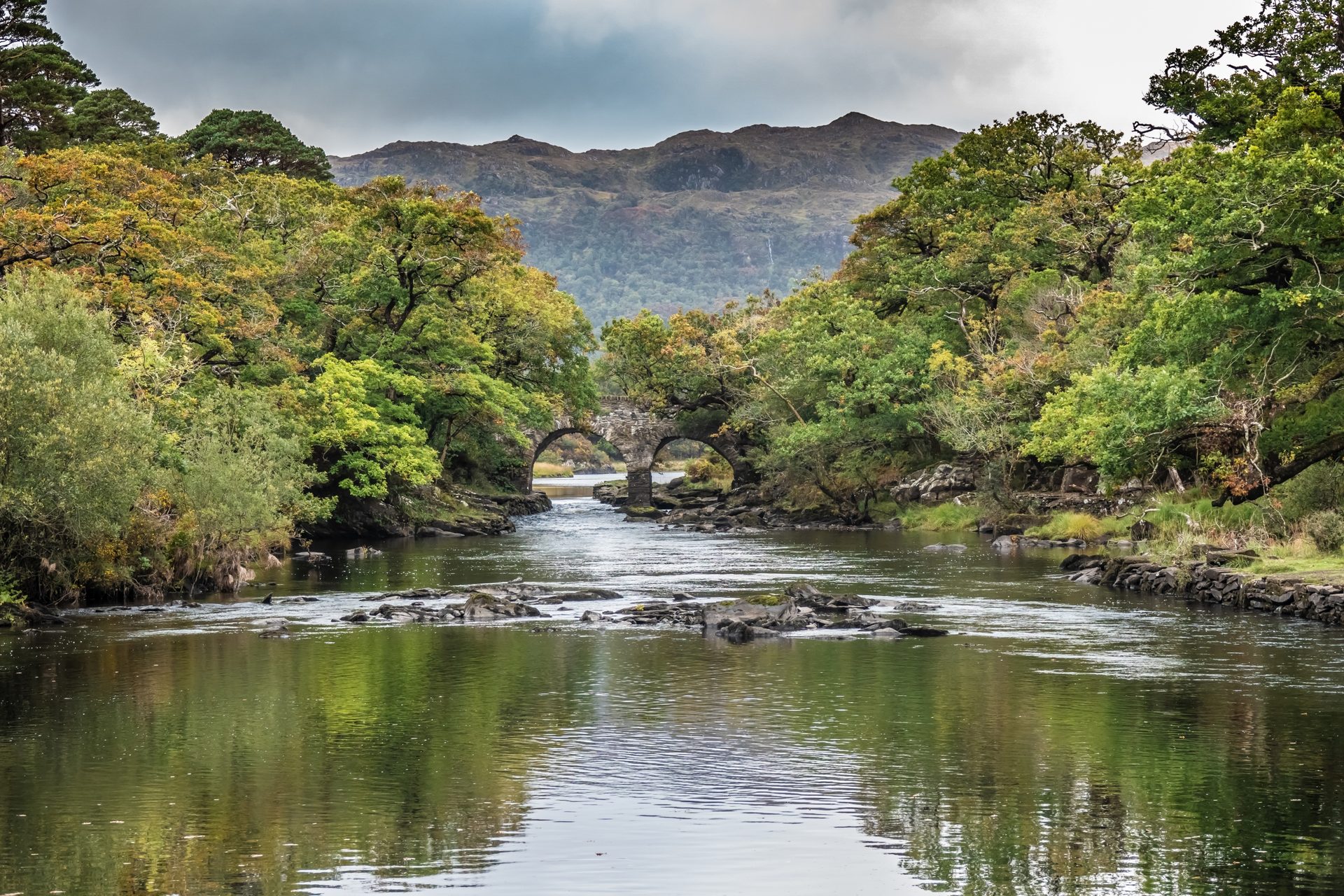
Green light for Torc Dinis walkway
Planning approval has been granted for a long-awaited lakeside walkway and cycleway connecting Torc and Dinis inside Killarney National Park.
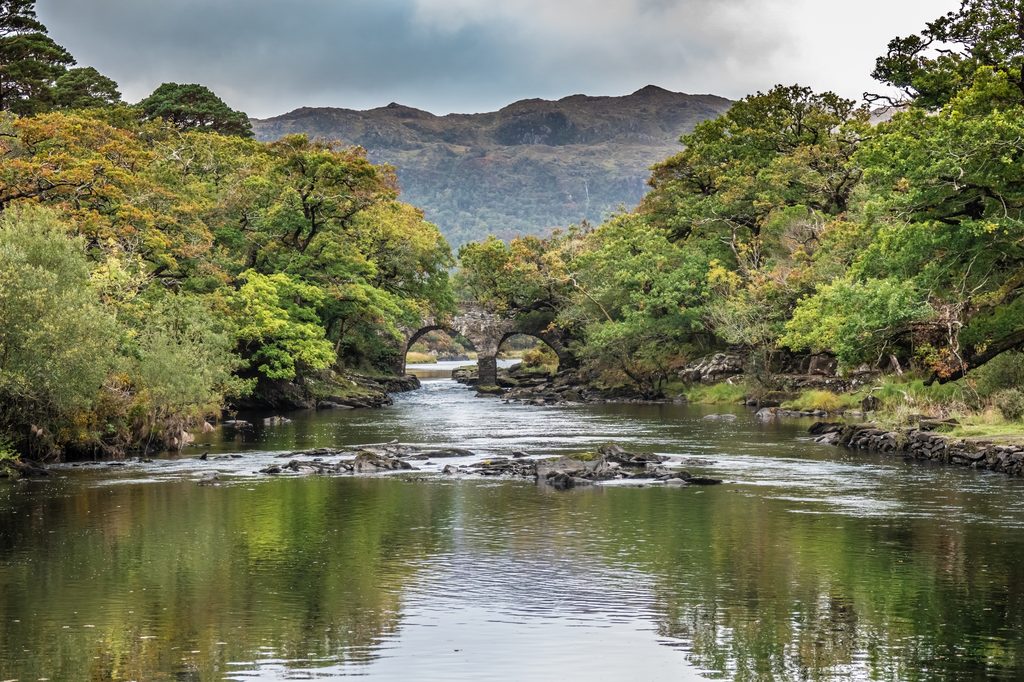
An Coimisiún Pleanála confirmed permission for the elevated platform project, which will complete the popular scenic loop while removing a dangerous 800-metre section along the busy N71 Killarney to Kenmare road.
Walkers and cyclists currently have to navigate narrow bends alongside heavy vehicular traffic and tour buses to complete the circuit between the Dinis and Torc car parks.
Mayor of Killarney John O’Donoghue welcomed the decision, calling it a transformative development for the region: “Since beginning in the Council in 2021, this has been one of my priorities as an issue I inherited from my predecessor Michael Gleeson, he being the first person to initially pursue the idea. I have repeatedly kept it on the agenda at Council meetings and now delighted to see we finally have positive news as this decision, which has been long overdue and eagerly awaited, will prove transformative for the area.”
Mayor O’Donoghue added: “The path, which will be on the lakeside, will offer views to rival those anywhere in the world and I have no doubt will prove very popular with locals and visitors alike. Huge credit is due to Kerry County Council and the NPWS for their co-operation on the issue. Once the decision has passed through its statutory waiting period, the design and tender stage can begin.”
The project, which will be built on a raised platform to protect the natural habitat beneath, will also be fully accessible for people with mobility issues. Killarney Chamber of Tourism and Commerce also welcomed the green light, noting that the completed loop will create a major safe attraction showcasing Muckross Lake, Dinis Cottage, and the Old Weir Bridge.
LAKESIDE PATH: An Coimisiún Pleanála has approved planning permission for a new raised walkway and cycleway connecting Torc and Dinis in Killarney National Park.
LOCAL GOLD: Terrie O’Shea, founder and owner of Killarney-based business Sorella Berries, celebrating her Gold award win at the Blas na hÉireann Irish Food Awards held in Dingle last week. Her hand-crafted chocolate covered strawberries secured the top spot in national competition, earning recognition for the local food producer on the national stage.


Green light for Torc to Dinis walkway
Green light for Torc Dinis walkway Planning approval has been granted for a long-awaited lakeside walkway and cycleway connecting Torc...
LOCAL GOLD:
LOCAL GOLD: Terrie O’Shea, founder and owner of Killarney-based business Sorella Berries, celebrating her Gold award win at the Blas...

Grady demands Killarney traffic review
Killarney councillor Martin Grady has called for an urgent review of traffic management across the town following severe delays along...


Killarney Pumpkin Farm returns for Halloween
The annual event is in its sixth year and caters to people of all ages. The farm is located in...


Killarney Toastmasters host special open night
Killarney Toastmasters is inviting members of the local community to an open night at the Dromhall Hotel on Muckross Road...


Fossa Swimmers make a splash at County Finals
The Fossa Swim team pictured at the Tralee Sports Complex following their successful outing at the County Finals of the...


On the Ball Part 2 of the Mikey Daly Interview
Éamonn Fitzgerald EF: Killarney Celtic are invited to participate in an Irish competition. That has big financial implications for travel,...


LUKE MANGAN recently caught up with Kerry FC’s manager, Colin Healy.
He spoke to him about his careers as a player and manager. Here’s how it went: When you began your...


Home cup tie for St Paul’s could be epic
Paudie O’Connor National Cup (Round 1) Utility Trust St Paul’s v GCU Brunell Saturday 7.30pm Killarney Sports and Leisure Centre...


Chances of Kerry v Cork Munster final in 2026 decrease as Munster GAA delay seeding plan
After facing a backlash from Limerick, Clare, Waterford and Tipperary players, Munster GAA have postponed their plan to keep Cork...