
News
It’s time to put the right to a home in our constitution

O
Over the past few years, we have witnessed the power of the ballot when deciding on two important issues by referendum. First was the marriage equality referendum and most recently we had a massive ‘yes’ vote on the 8th. Perhaps now it is time to mobilise once more and put the right to a home into the Irish Constitution.
The right to housing can be found in the United Nations International Covenant on Economic, Social and Cultural Rights (ICESCR), ratified by the Irish parliament in 1989. The right to housing can be explained as the right to adequate housing, which means that the State is responsible to ensure that affordable housing is available to all of its citizens, contingent on all available State resources. Significantly, this does not mean that everyone should be provided with social housing, rather it means that social housing should be available to those who need it.
This obligation does not fall short at merely providing temporary shelter or emergency accommodation as we have witnessed in recent times. It should be considered, in general terms, to mean that housing should be available to the public to purchase and should be commensurate with income levels and at a level that does not compromise other basic needs. People should not have to make financial choices between paying the rent or buying food, or getting access to health care or buying books for school, and the government is responsible for managing the housing market and to take action when necessary and vindicate the rights of its citizens.
Interestingly, the Irish Government signed the ICESCR Optional Protocol in 2012 but has been hesitant when called upon to ratify this protocol. Ratification would provide Irish individuals and groups with a potential alternative legal remedy when violations of economic, social and cultural rights occur. It has also been most regrettable that the Government’s policy paper called ‘Rebuilding Ireland: Action plan for housing and homelessness (2016)’ did not specify any plan for including the right to housing in the Irish Constitution, and more or less ignored the recommendation of the Convention on the Constitution in 2014, when it decided that economic and social rights such as the right to housing merited explicit recognition in the Irish Constitution.
The view of the Constitutional Convention is also supported by Leilani Farha, the UN’s Special Rapporteur for adequate housing who stated in June of this year at the launch of ‘Making a case for a Right to Housing’ by the Simon Communities that Ireland should “either constitutionalise the right to housing or, failing that, legislate the right to housing.”
The housing crisis is not expected to end in the coming years. It is expected to continue by design. The crisis is underpinned by an ideology that would like to see a larger percentage of working-class people and families renting property from private and corporate interests over the long term, instead of being provided with social and affordable housing by the state. This strategy seeks to deny lower income families the opportunity to purchase a house that they can afford and have a place of their own to call home.
The private sector may eventually be successful in providing units to the market for rent, but low-income workers or even the average worker will not be able to afford to pay the rent for a family home at current market prices. Significantly, low to average income families will not be able to purchase these rental units in due course and count previous rental payments against the price of the house. This leaves these workers with little security of tenure and in a precarious housing situation and without a safety net. Overall, I would consider this ideological view as the root cause of the current homelessness and housing crisis.
Next year, we will have local elections and a possible general election. If you are like me, and want to see an end to the current housing crisis, and prevent such crises from reoccurring in the future, you should demand that your local representative supports the call to include the right to adequate housing in the Irish Constitution, and together we can hold our government to account for its actions.
John O’Shea,
Local Area Representative for the Social Democrats
Email: john.oshea@socialdemocrats.ie

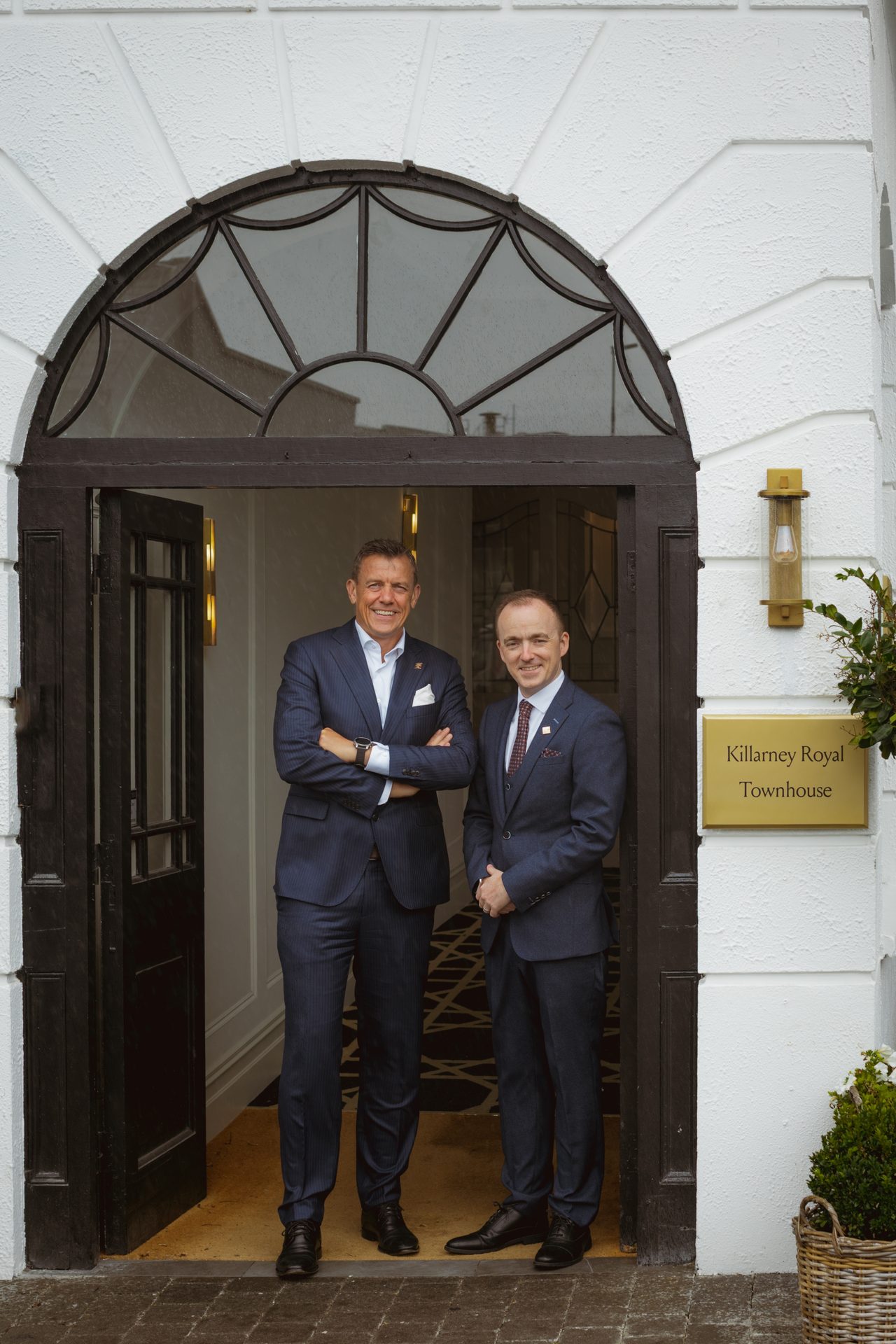
Killarney hotels achieve top global rankings in Readers’ Choice Awards
Two leading Killarney hotels are celebrating major international accolades following the publication of the 2026 Condé Nast Traveler Readers’ Choice Awards.
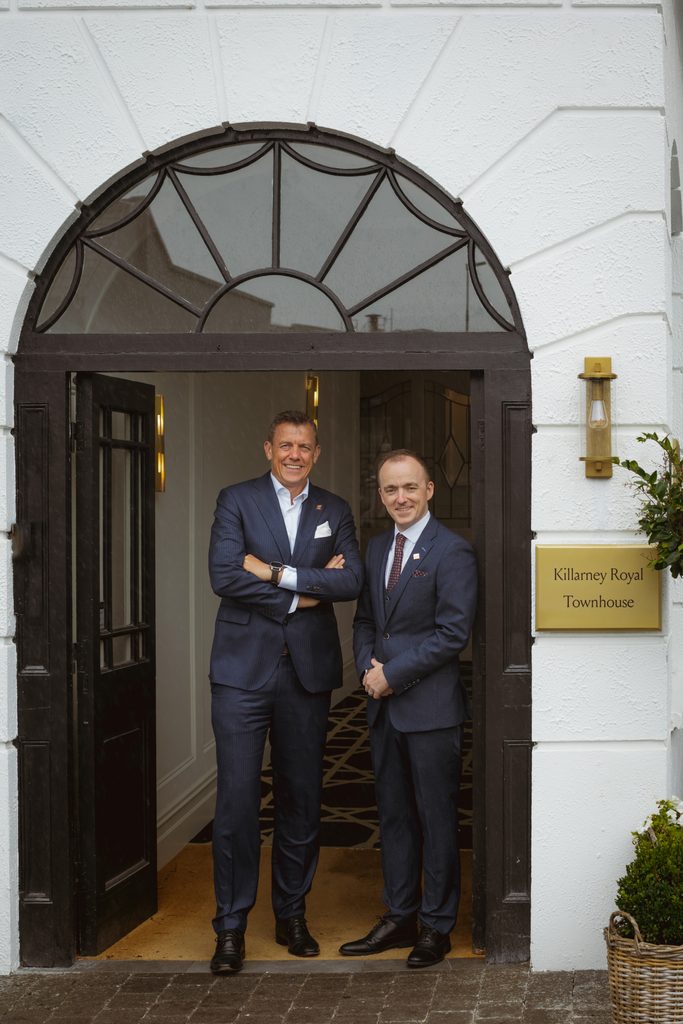
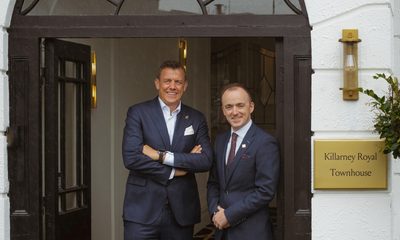
The Killarney Royal Townhouse was named the No. 2 Hotel in Ireland in the US edition of the global awards, securing top placement among the country’s finest properties based entirely on votes cast by international travellers.
Pat McGrath, General Manager of Killarney Royal Townhouse, expressed his pride in the achievement:
“We are absolutely delighted to be recognised as the No. 2 Hotel in Ireland in Condé Nast Traveler’s 2026 Readers’ Choice Awards. To receive this recognition directly from travellers makes it particularly special, and we are immensely proud of our team, whose genuine care, warm welcome and attention to detail shape the guest experience every day.”
Meanwhile, sister property The Killarney Park achieved a double success in this year’s voting, earning inclusion across both Atlantic editions of the prestigious travel guide. The family-owned venue was ranked No. 8 in the US Readers’ Choice Awards and No. 5 in the UK Readers’ Choice Awards.
The annual awards represent one of the travel industry’s longest-running honors, with almost 800,000 readers submitting votes to rate their favorite global travel experiences.
Marcus Treacy, Managing Director of The Killarney Park, welcomed the dual honors:
“Recognition such as this means a great deal to us because it comes directly from the people who have spent their time with us. As a family-owned hotel, knowing that what we have created here in Killarney continues to resonate with guests travelling from around the world is something we are enormously proud of.”
The strong showing by both local venues underlines Killarney’s standing as a world-class hospitality hub for international visitors.
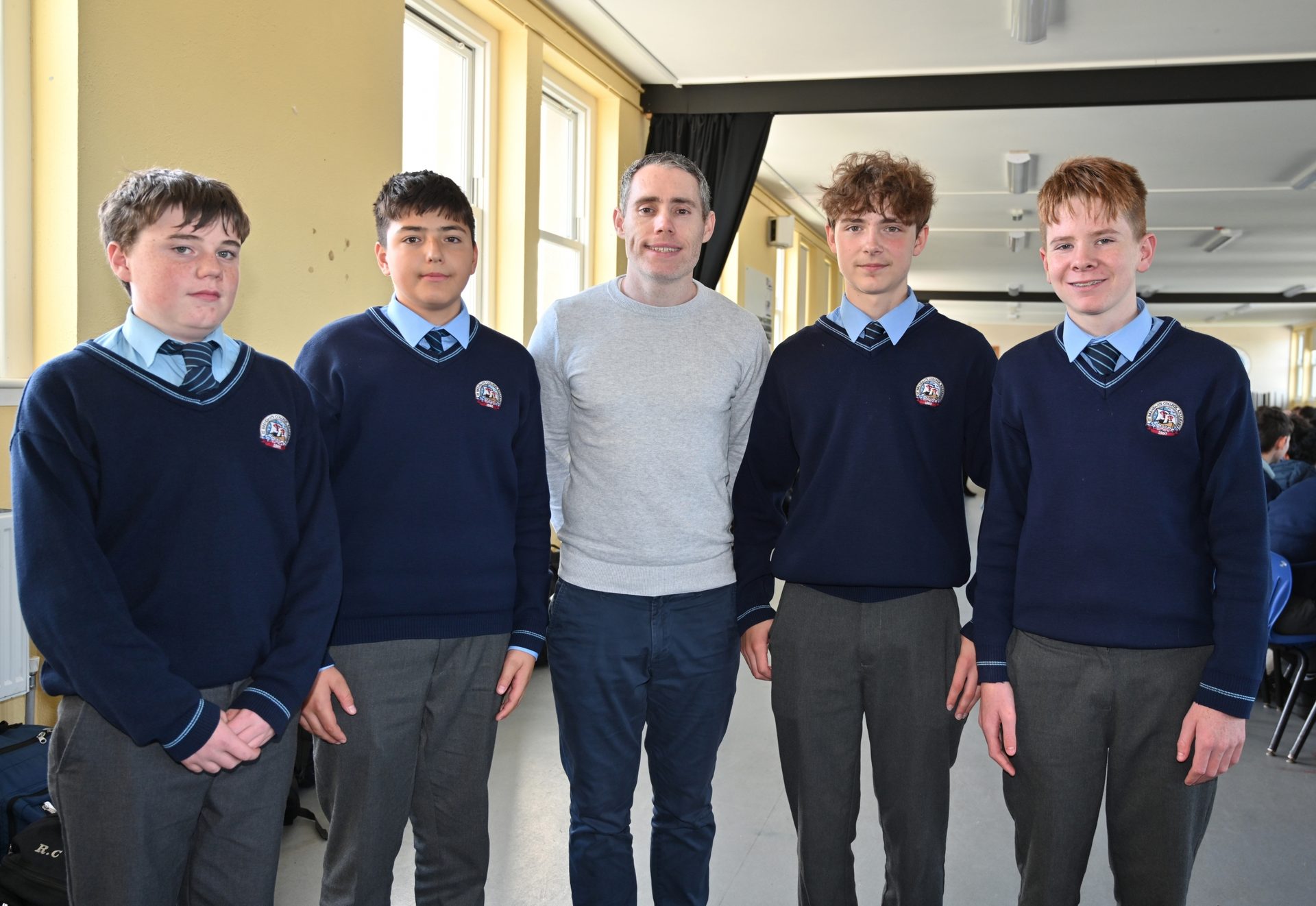
Paralympic legend Jason Smyth visits St Brendan’s
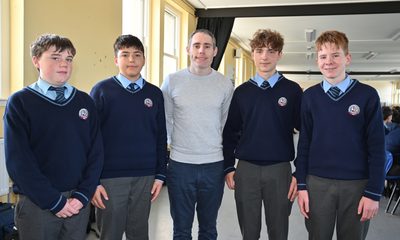
World renowned Paralympian and world record holder Jason Smyth paid a visit to St Brendan’s College on Wednesday afternoon as part of a high profile visit to Killarney.
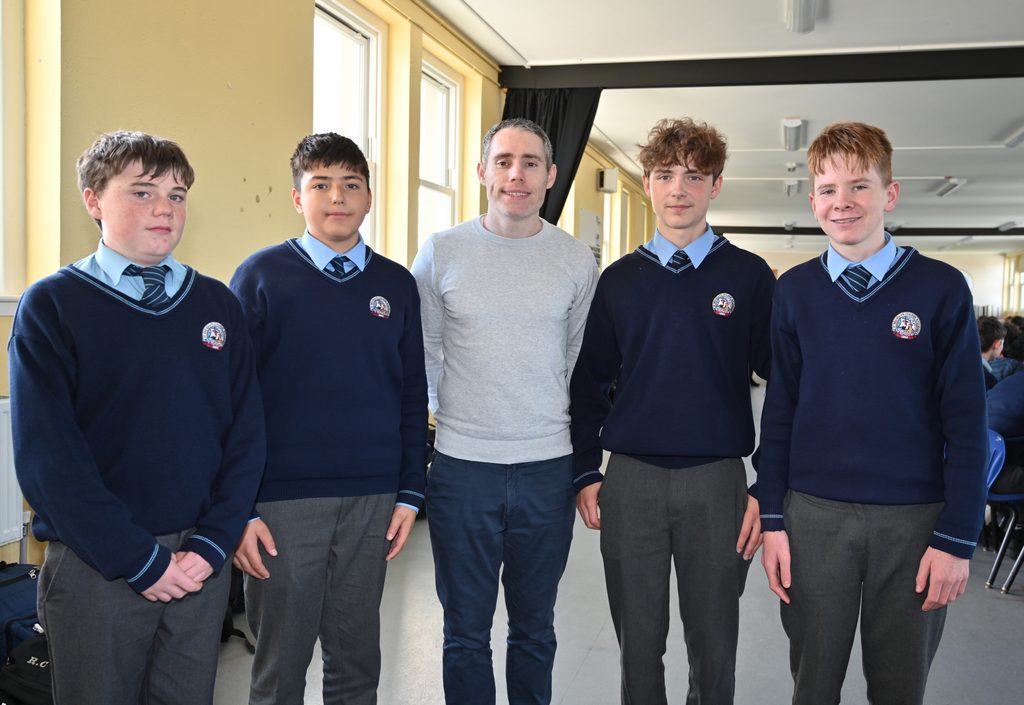
The six time Paralympic gold medallist spoke to second year students from St Brendan’s College, alongside students from neighbouring schools St Brigid’s Presentation Secondary School and Killarney Community College.
The interactive talk and interview took place ahead of World Sight Day, with the legendary sprinter sharing his personal journey with Stargardt disease, a genetic eye condition that left him legally blind at eight years old.
The Derry native, who holds the world record as the fastest Paralympian on earth over 100 metres, offered inspiring insights into overcoming physical adversity and achieving success at the highest level of world sport.
The school visit formed the opening leg of his Killarney schedule before he took centre stage later on Wednesday evening at The Killarney Plaza Hotel & Spa.
Smyth headlined An Evening with Paralympian Jason Smyth, an event organised by the Killarney Chamber of Tourism and Commerce as part of its winter schedule, sponsored by AIB.

Killarney hotels achieve top global rankings in Readers’ Choice Awards
Killarney hotels achieve top global rankings in Readers’ Choice Awards Two leading Killarney hotels are celebrating major international accolades following...

Paralympic legend Jason Smyth visits St Brendan’s
Paralympic legend Jason Smyth visits St Brendan’s World renowned Paralympian and world record holder Jason Smyth paid a visit to...


Deerpark Retail Park placed on market for fifteen million euro
Deerpark Retail Park in Killarney has officially been placed on the market with a guide price in excess of 15.4...

Killarney Racecourse to host first professional festive pantomime
Killarney Racecourse to host first professional festive pantomime A classic fairytale is set to receive a distinct Kerry makeover this festive...


Kerry artist explores identity at ANAM
Kerry artist explores identity at ANAM Kerry artist Felix Power is inviting the Killarney community to explore personal ideas of...


Fossa Swimmers make a splash at County Finals
The Fossa Swim team pictured at the Tralee Sports Complex following their successful outing at the County Finals of the...

On the Ball Part 2 of the Mikey Daly Interview
Éamonn Fitzgerald EF: Killarney Celtic are invited to participate in an Irish competition. That has big financial implications for travel,...


LUKE MANGAN recently caught up with Kerry FC’s manager, Colin Healy.
He spoke to him about his careers as a player and manager. Here’s how it went: When you began your...


Home cup tie for St Paul’s could be epic
Paudie O’Connor National Cup (Round 1) Utility Trust St Paul’s v GCU Brunell Saturday 7.30pm Killarney Sports and Leisure Centre...


Chances of Kerry v Cork Munster final in 2026 decrease as Munster GAA delay seeding plan
After facing a backlash from Limerick, Clare, Waterford and Tipperary players, Munster GAA have postponed their plan to keep Cork...
