
News
From silence to connection: Neil Kelders returns to Killarney to give back and talk mental health

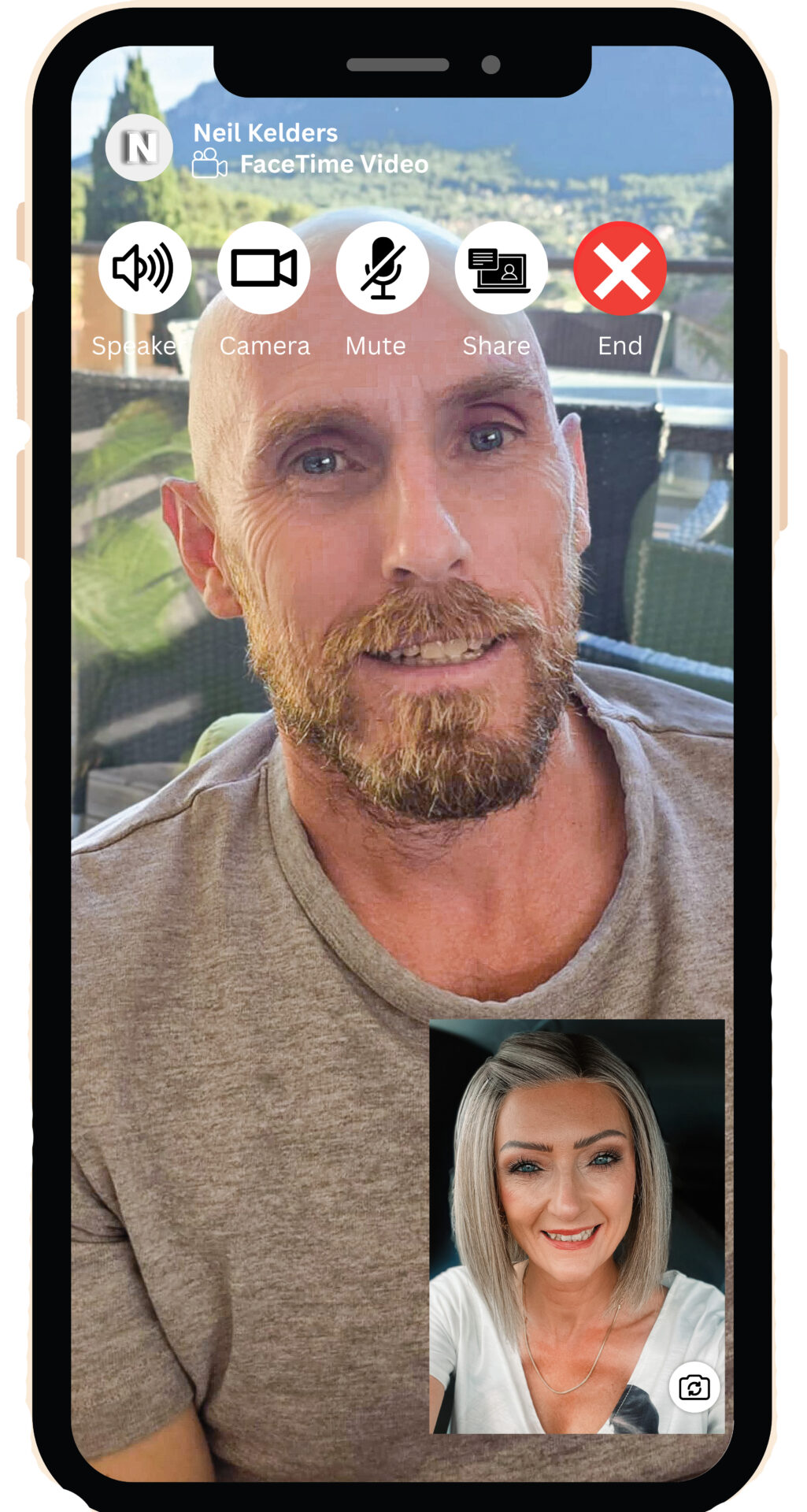
When I first moved from The Premier to The Kingdom, Neil Kelders was the familiar face behind the bar at the Tatler Jack. I thought I knew him, but I didn’t really know him at all. His story, like so many untold stories in our community, is a powerful reminder of why mental health matters, and why checking in on friends and family is so crucial.
Mental Health Week took place in the second week of October, and although this feature comes a little late, the timing is still perfect. Neil is giving back to his hometown, hosting a free parent workshop on raising resilient teens. It takes place at Killarney Racecourse on Thursday, November 13 at 7pm. His mission is simple but profound: honest conversation can change everything. No tea, no biscuits, just FaceTime and conversation.
I sat down with Neil to talk about his upcoming workshop.
Neil, the evening at Killarney Racecourse is a beautiful gesture. What inspired you to host it here in your hometown?
My first mental-health talk was in Killarney ten years ago. This town shaped me, so coming back isn’t nostalgic, it’s needed. Parents are still afraid, teens overwhelmed, families unsure how to bridge the gap. Change starts at home with small, human actions. The Racecourse felt right, full of life and community. When I mentioned it to Ollie, he said yes before I finished. That’s Killarney, people who show up.
You’ve said this event is about “giving back.” What does that mean to you personally?
I feel it’s my duty. I hid my struggles for twenty years. Learning to manage them gave me a responsibility to share what helps. When I told my story, messages came from parents, teens, strangers. Honesty opens doors. My mental health is strong, but I still have hard days. Recovery isn’t perfection, it’s showing what’s possible.
You’ve invited clubs, schools, and groups across all divides. What do you hope people take away?
Mental health touches every home, club, school and group. We’ve all got our boxes. Parent, coach, teacher, teen, but none of us has been here before. We’re learning as we go. I want people to leave lighter and more connected, reminded that honest conversations change everything.
You’ve built a reputation for helping people find a way forward using what actually works. What does that look like in practice?
“What works” means tools you can use today, not theory for tomorrow.
In coaching and workshops, that can mean pausing before reacting or small resets that steady a home. It’s not about fixing anyone, it’s helping them move forward with calm, clarity, and courage.
Can you share a bit about your journey, how you came to this line of work?
I was the class clown, always “grand.” I wasn’t. I lived with depression, anxiety, and suicidal thoughts for two decades. The first person I confided in was my sister-in-law. I felt a weight lifted but it was only the start. You don’t talk once, and it’s gone, you keep talking. At Pieta House, two counsellors didn’t fit; the third did. She challenged me, then said: “Someone else might be a better fit now.” That honesty changed me. Everyone had helped, but I still had to take responsibility. That was the turning point, stop waiting to be rescued, start rebuilding.
Your book The Other Side has resonated widely. What message do you hope people carry?
Getting through tough times isn’t a straight line. It’s messy, human, and possible. You don’t need it all figured out, just do something. The book shows what rebuilding really looks like: slip-ups, small wins, learning to live again. Change will start when you act.
You’ve worked with parents, teenagers, and organisations. What’s one common challenge you see?
Disconnection. Parents fear saying the wrong thing, teenagers think no one understands, adults pretend they’re fine. When people don’t feel heard, they stop talking. My work breaks that silence, listening without fixing, supporting without fear. When people feel safe to be real, things change.
How do you keep mental health relatable, especially for teens?
By being real. Teens spot fake instantly. I don’t arrive with answers, we find them together. They help decide what’s shared with parents; that trust matters. We talk about goals, values, and what they want from life. Sometimes it’s “burn your thoughts” or a quick reset; sometimes it’s just listening. Once they see they don’t have to be perfect, things shift.
What would you say to parents who feel guilty or unsure?
You’re not meant to have all the answers. Keep showing up, even when you don’t know how. Your job isn’t to fix your teenage child, it’s to help them feel safe enough to talk. You can’t do that if you’re running on empty. A walk, a pause, five minutes of breathing, it helps. Presence beats perfection.
For teenagers, what’s one message you hope they’ll hear?
You’re not broken. You’re feeling more than you can handle right now, that’s being human. When I was your age, I hid for years. If you’ve spoken up, even once, you’re already twenty years ahead of me. What you’re feeling can seem endless, but it isn’t. There’s more ahead. Calm, laughter, and moments you can’t imagine yet. Keep moving, and don’t do it alone.
Are we getting better at talking about mental health?
We’re talking more but not always listening better. Awareness is great but it isn’t action. We quote “one in four,” but I could never have been a stat, I wore the mask too well. Others are hiding too. We have more language now, but not always the safety to use it. Stigma hasn’t gone; it’s changed shape. Awareness matters; connection changes lives. If someone leaves feeling hopeful but unsure where to start, what’s one step they can take? Start small. Check in with one person tomorrow. Ask, “How are you, really?” and mean it. Don’t fix, show up.
What does this community mean to you?
Killarney shaped me, the good and the hard. It’s where I stayed silent and where I found my voice again. We’re not meant to do life alone. Connection holds us together.
If people remember one thing from the evening, what would you love it to be?
Things can get better. Not perfect, just better. If you change nothing, nothing changes. Do something.
What’s next for you?
More of this. Real conversations that make a difference. I’m continuing parent-teen coaching and community workshops across Ireland, the UK, and Canada, and working with companies to build workplaces where people can speak up safely. The focus now is partnerships and reach, so families get help before crisis. I’m really looking forward to next Thursday night at the Racecourse. Its free and all are welcome. Be sure to register at events.neilkelders.com. It’s not about perfection or having all the answers. It’s about connection, courage, and showing up. Join me, and let’s start together.
News
A special musical celebration titled ‘St. Brigid and the Arrival of Spring’ took place recently in the great hall of Muckross House.

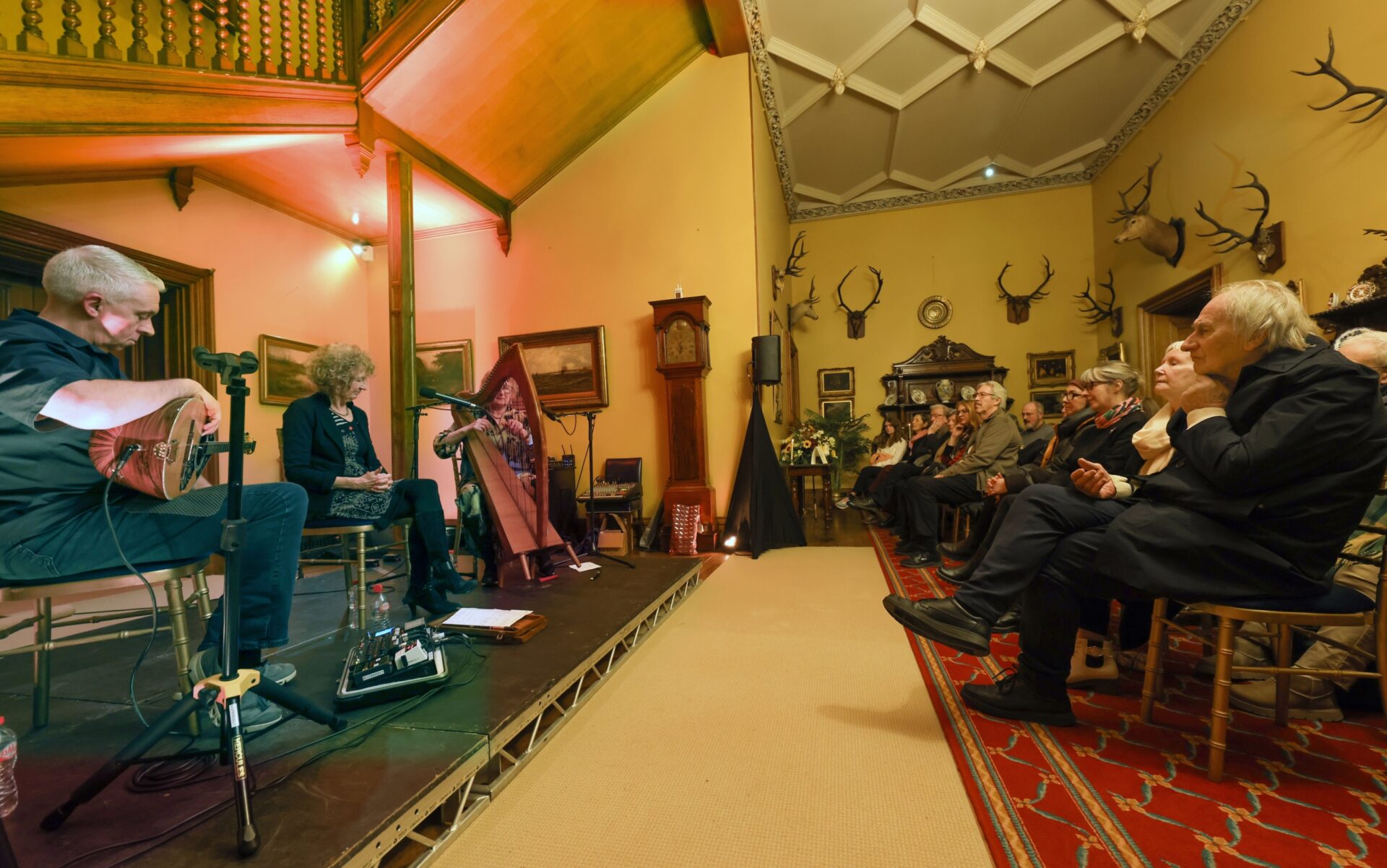

A special musical celebration titled ‘St. Brigid and the Arrival of Spring’ took place recently in the great hall of Muckross House.
Spring welcomed with trad music at Muckross House A special musical celebration titled ‘St. Brigid and the Arrival of Spring’...


Tourism leaders to briefed on new domestic strategy
Killarney’s tourism industry is set to receive a first look at the national strategy for “home holidays” as Fáilte Ireland...


Funding deal secures future of Kerry Airport
The long-term future of Kerry Airport has been secured following the Government’s announcement of the new Regional Airports Programme 2026–2030....

New leadership and compact route for 2026 Assess Ireland International Rally of the Lakes
Planning for the 2026 Assess Ireland International Rally of the Lakes is moving at a frantic pace as Killarney prepares...


Ahern’s Castleisland hosts BYD Open Day
Ahern’s Castleisland hosted a BYD open day last weekend to celebrate the arrival of the brand’s first-ever estate model in...

Fossa Swimmers make a splash at County Finals
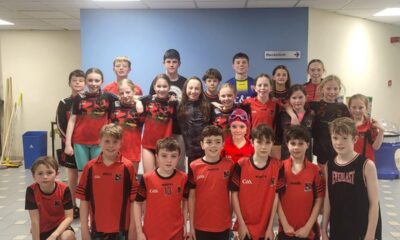
The Fossa Swim team pictured at the Tralee Sports Complex following their successful outing at the County Finals of the...

On the Ball Part 2 of the Mikey Daly Interview
Éamonn Fitzgerald EF: Killarney Celtic are invited to participate in an Irish competition. That has big financial implications for travel,...


LUKE MANGAN recently caught up with Kerry FC’s manager, Colin Healy.
He spoke to him about his careers as a player and manager. Here’s how it went: When you began your...


Home cup tie for St Paul’s could be epic
Paudie O’Connor National Cup (Round 1) Utility Trust St Paul’s v GCU Brunell Saturday 7.30pm Killarney Sports and Leisure Centre...


Chances of Kerry v Cork Munster final in 2026 decrease as Munster GAA delay seeding plan
After facing a backlash from Limerick, Clare, Waterford and Tipperary players, Munster GAA have postponed their plan to keep Cork...
