News
Wildflowers are not always simple to grow


By Debby Looney, gardening expert
There is nothing quite like the low, humming sound of insects in the garden. I always find the different pitches of the buzzing fascinating, from the drone of a big, furry bumble bee to the high pitched whirring of hoverflies.

.

.
And wasps always seem to have a dangerous sound – it is unique to them, in any case. It is possible to help pollinators into your garden at almost any time of the year, solitary bees such as bumbles and leafcutter bees, will come out of hibernation on a sunny December day if there are some heather flowers nearby. tulips, hyacinths, crocus and snowdrops provide sustenance in early spring, along with shrubs such as hamamelis, daphne, viburnum and willow. In April, the small flowers of the field maple attract many insects, as do the large trumpet shaped flowers of rhododendrons and azaleas. Wildflowers are now beginning to bloom, and they are the subject of today’s column!
While it seems counterintuitive, wildflowers are not always simple to grow, especially as we mean ‘pretty meadow blooms’ as opposed to ‘weeds’! Creating an area for wildflowers takes some preparation. Most important is that it is a weed free area. Kill off any grass or weeds before sowing, either by using conventional weedkillers, or by laying down a sheet of black polythene or weed suppressant. Make sure any seeds which germinate are removed also, and that problematic plants such as rushes, are dug out. Most importantly, ensure all grass is gone, as wildflowers do not compete well against its vigorous growth. Rake the top layer of the soil loose to a fine tilth, and do not add fertiliser! Wildflowers will generally not do well in a rich soil. When your area is ready, decide which seeds are best for your spot. There is much to choose from, for example, single varieties such as ragged Robin, teasels and poppies, or mixtures. There are seed mixes for perennial meadows, ones which attract birds - these usually have a high volume of seed bearing flowers, mixes for bees, ladybirds or certain colour mixes. There are also soil specific mixes.
SOWING SEEDS
Sow your seeds thinly and evenly onto the prepared ground. I tend to cover with netting at this time of year, because, although it is the best time of year to sow, and there is a very high germination rate, birds are also a problem!
The only maintenance really is to keep an eye on slug damage - I scatter in a few pellets when I sow anything - and if there are very dense clumps of seedlings forming, thin them out. When the flowers have gone to seed in the autumn, just cut them to ground level, leave the cuttings a few days for the seeds to drop out, and rake the foliage up. If left to rot in situ, it will make the soil too fertile for a good display the following year.
I mention the use of slug pellets. To the best of my knowledge, the use of metaldehyde poison in slug pellets has been banned for a few years now, and pellets are made of ferric phosphate which is not harmful to pets or birds unless ingested in very large amounts. However, there are some ingredients used in slug pellets which may potentially cause damage to earthworms and other soil dwellers, so please, always use sparingly and where possible, not at all!


Winner claims €1m Lotto win after ticket sat in glovebox

A Killarney lottery player has officially claimed a life-changing €1,005,000 EuroMillions prize after discovering the winning ticket had been sitting forgotten in a car glovebox for over a week.
The lucky ticket was purchased at John Bowler’s Centra store at The Reeks Gateway on Tralee Road for the special Ireland Only Raffle draw on Friday, August 21.
While the winner’s identity remains anonymous, the individual strongly hinted at being a local resident after admitting to discussing the local mystery win with townspeople while unaware the winning paper was parked in their own driveway.
“I left the ticket in the car glovebox, it must’ve been sitting there for over a week,” the winner revealed. “I had no idea the ticket was even there, and less so it was a ticket worth €1 million.”
“I heard there had been a win in the town, and I had even been chatting to people about the win and what you would do if you ever won a prize like that. Little did I know a €1 million ticket was in my driveway.”
The Killarney player won the top prize in the National Lottery’s special event, which guarantees one player an extra €1,000,000 on top of the standard €5,000 raffle payout.
The newly minted millionaire has already begun planning how to enjoy the windfall, with a Mediterranean cruise sitting high on the priority list.
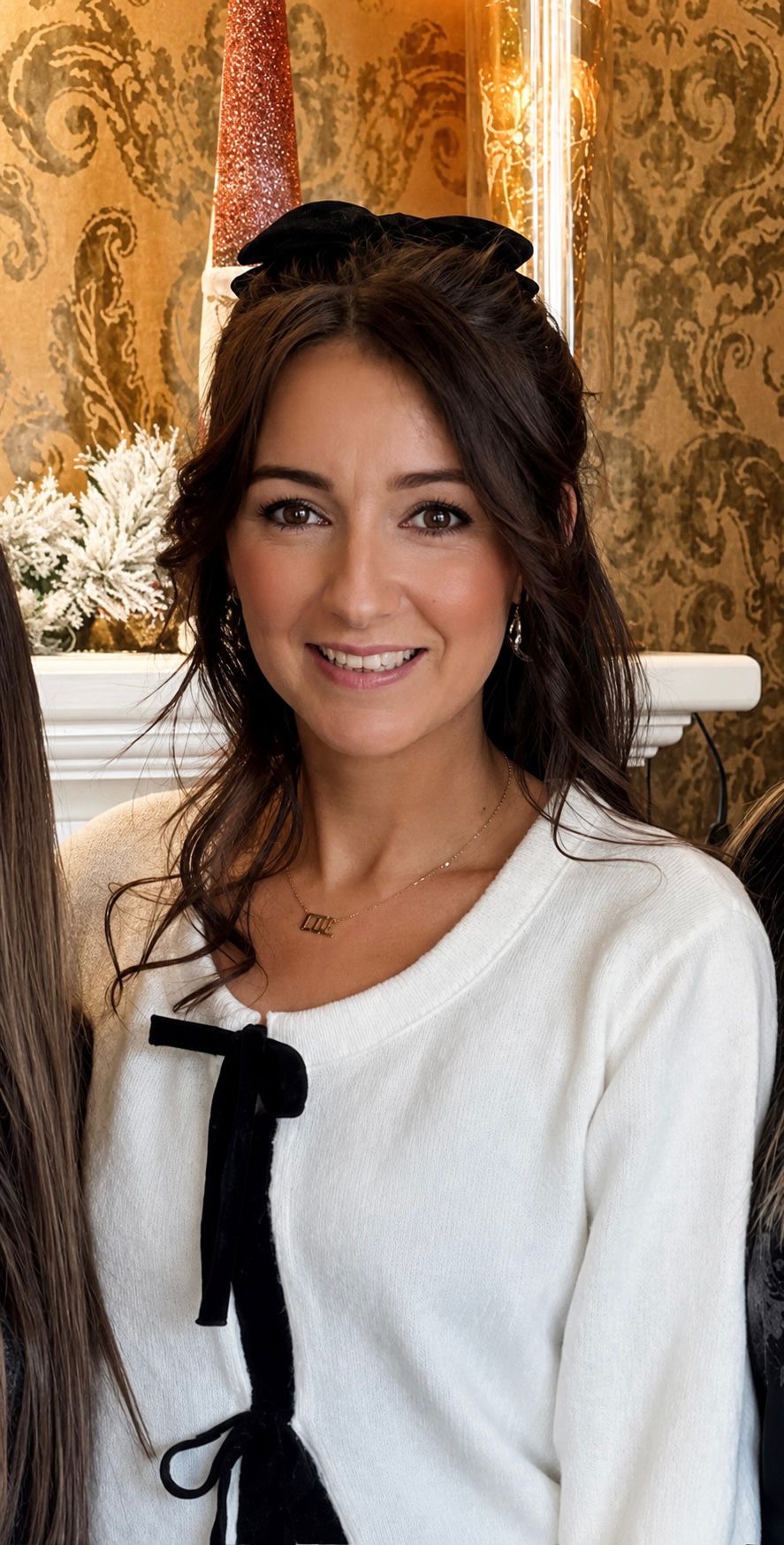
Marathon run to honour memory of beloved teacher Sarah
A local man is taking on the Dublin City Marathon to raise funds for cancer research in memory of his sister-in-law, who passed away earlier this year.
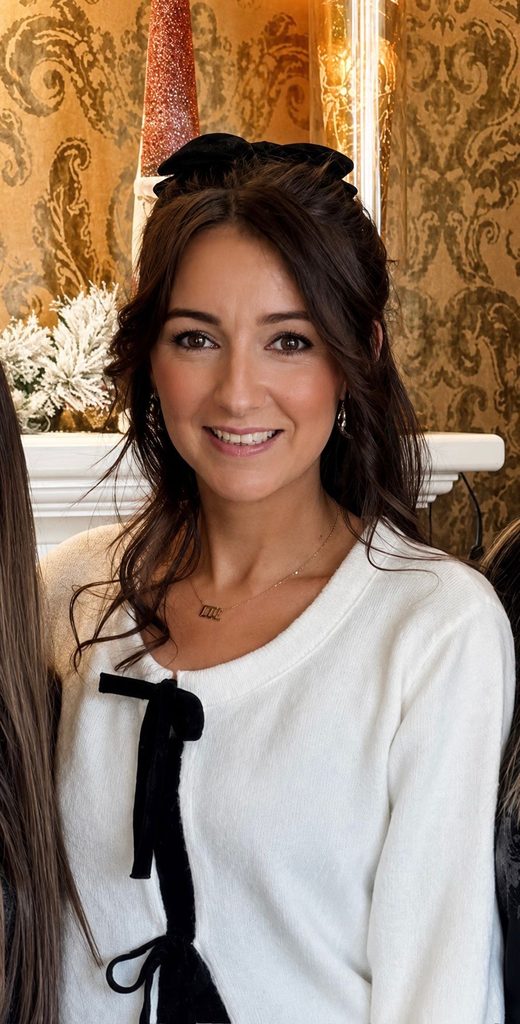
David ‘Daithí’ Casey will run the 26.2-mile course in honour of Sarah Egan, a popular local teacher who lost her battle with Ewing Sarcoma in May.
Known affectionately to her family and friends as Suzie, Sarah was a cherished daughter, sister, aunt, godmother, and friend.
Paying tribute to her memory, David remembered Sarah as a exceptionally kind and brave person who faced her illness with immense strength.
“Suzie was a kind, caring, shy, and beautiful person,” David said. “When she got sick, she showed amazing inner strength and was a brave fighter, especially in how she handled her illness in front of her family and her nieces and nephews.”
All funds raised from the run will go directly to Sarcoma Cancer Ireland to support ongoing research and treatment developments for Ewing Sarcoma, as well as providing assistance to affected families.
“Every mile I run is a reminder of why I’m doing this — to make a real difference for those who need it most,” David added. “It’s not just about crossing a finish line; it’s about turning effort into impact.”
The Egan and Casey families extended their sincere thanks to the local community for their support and kindness over the past three months.
Donations can be made online via eventmaster.ie/fundraising/pages/DC69465374.


Winner claims €1m Lotto win after ticket sat in glovebox
Winner claims €1m Lotto win after ticket sat in glovebox A Killarney lottery player has officially claimed a life-changing €1,005,000...

Marathon run to honour memory of beloved teacher Sarah A local man is taking on the Dublin City Marathon to...
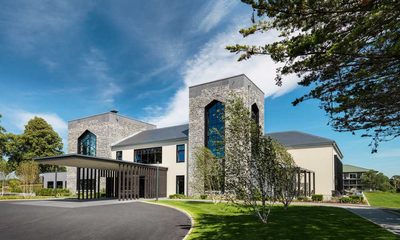

New temporary entrance at Dunloe Hotel
New temporary entrance at Dunloe Hotel Motorists travelling along the L4040 in Beaufort are being advised to exercise caution in...
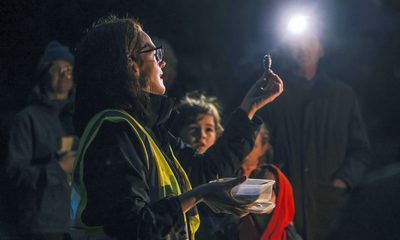

Exploring the National Park after dark
Exploring the National Park after dark Killarney Parish marked the annual Season of Creation by teaming up with the Killarney...
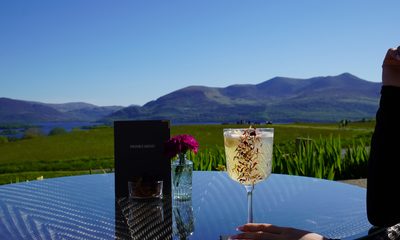

Aghadoe Heights introduces Engagement Concierge service
Aghadoe Heights introduces Engagement Concierge service Aghadoe Heights Hotel & Spa has launched a full-service Engagement Concierge, providing a bespoke...
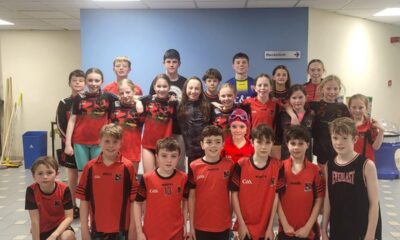

Fossa Swimmers make a splash at County Finals
The Fossa Swim team pictured at the Tralee Sports Complex following their successful outing at the County Finals of the...

On the Ball Part 2 of the Mikey Daly Interview
Éamonn Fitzgerald EF: Killarney Celtic are invited to participate in an Irish competition. That has big financial implications for travel,...


LUKE MANGAN recently caught up with Kerry FC’s manager, Colin Healy.
He spoke to him about his careers as a player and manager. Here’s how it went: When you began your...


Home cup tie for St Paul’s could be epic
Paudie O’Connor National Cup (Round 1) Utility Trust St Paul’s v GCU Brunell Saturday 7.30pm Killarney Sports and Leisure Centre...


Chances of Kerry v Cork Munster final in 2026 decrease as Munster GAA delay seeding plan
After facing a backlash from Limerick, Clare, Waterford and Tipperary players, Munster GAA have postponed their plan to keep Cork...