
News
Potatoes are a fantastic beginner’s crop


By Debby Looney, gardening expert
Every year I do an article about potatoes, which might seem repetitive, but there are always gardeners new to this.


It seems that this year there are more people than ever growing their own veg and spuds, maybe the joy of it, or the situation in Eastern Europe is the reason. In any case, I think planting potatoes is one of the most rewarding crops, for adults and especially children. You don’t need a lot of land to grow spuds, they can even be grown in potato bags or pots - or tyres stacked on top of each other.
There are also great pots available with a basket in them which you can lift out to watch the progress!
Seed potatoes are available from February onwards, but it is too cold to plant them out then. To give them a head start, a technique called chitting is employed. To chit, simply take your seed potatoes and put them on a cardboard tray, ensuring they do not touch. Alternatively use the molded side of an egg box. Place in a cool but bright spot, free from frost. They will sprout, but this is exactly what you want. You can start to chit potatoes from the beginning of February onwards, for planting out in mid March.
There are three main types of potatoes; first earlies, second earlies and maincrop. The difference between them is planting out times and harvesting times.
First early varieties are:
Duke of York, Orla, Sharpes express, Casablanca and Arran Pilot. They are planted out from March, but need to be protected from from frost. Plant them 30cm apart, 60cm between rows and 12cm deep. Harvest in June.
Second early varieties are:
British Queen, Homeguard, Nicola and Charlotte. Plant out from March, again protecting from frost, 30cm apart, 60cm between rows and 12cm deep. Harvest in July. Maincrop varieties are Rooster, Kerr Pinks, Setanta, Golden Wonder, Maris Piper and many more. Plant out from the beginning of April. Plant 40cm apart, 75cm between rows and 12cm deep. Harvest from August onwards.
Earthing up – what is it?
It is done when the potato plants are about 20-30cm tall. Pile soil loosely around the stems. This encourages potatoes to form higher up the plant than they would normally, increasing your yield quite substantially. With maincrop varieties it can be done twice.
Blight is caused by fungal spores which are airborne and particularly prevalent in warm humid weather. There is usually a blight warning given on weather forecasts. First symptoms are yellowing foliage, followed by dying foliage. Quickly after that the potatoes will rot. To prevent blight, you can spray with Copper Mixture. It works by sealing the leaves with a layer of copper, preventing the fungus from taking hold. If the disease takes hold, cut away all the foliage, take it away and if possible burn it. Leave the potatoes in the ground for several days, and hopefully they will not be affected.
There are blight resistant potatoes, such as Sarpo Mira. These are not as prone to getting the disease. Planting first and second earlies is also a good way to avoid blight, as they are usually harvested before the blight season begins.
If you are starting a vegetable garden, potatoes are a fantastic beginner’s crop. They loosen the soil in preparation for future crops, but they are also more or less trouble free and quick growing. They are an excellent crop when gardening with children, large enough to handle, resilient to being stood on in the garden, and the surprise young children get when you dig up that one small spud which has magically become a bucket full is something to see!

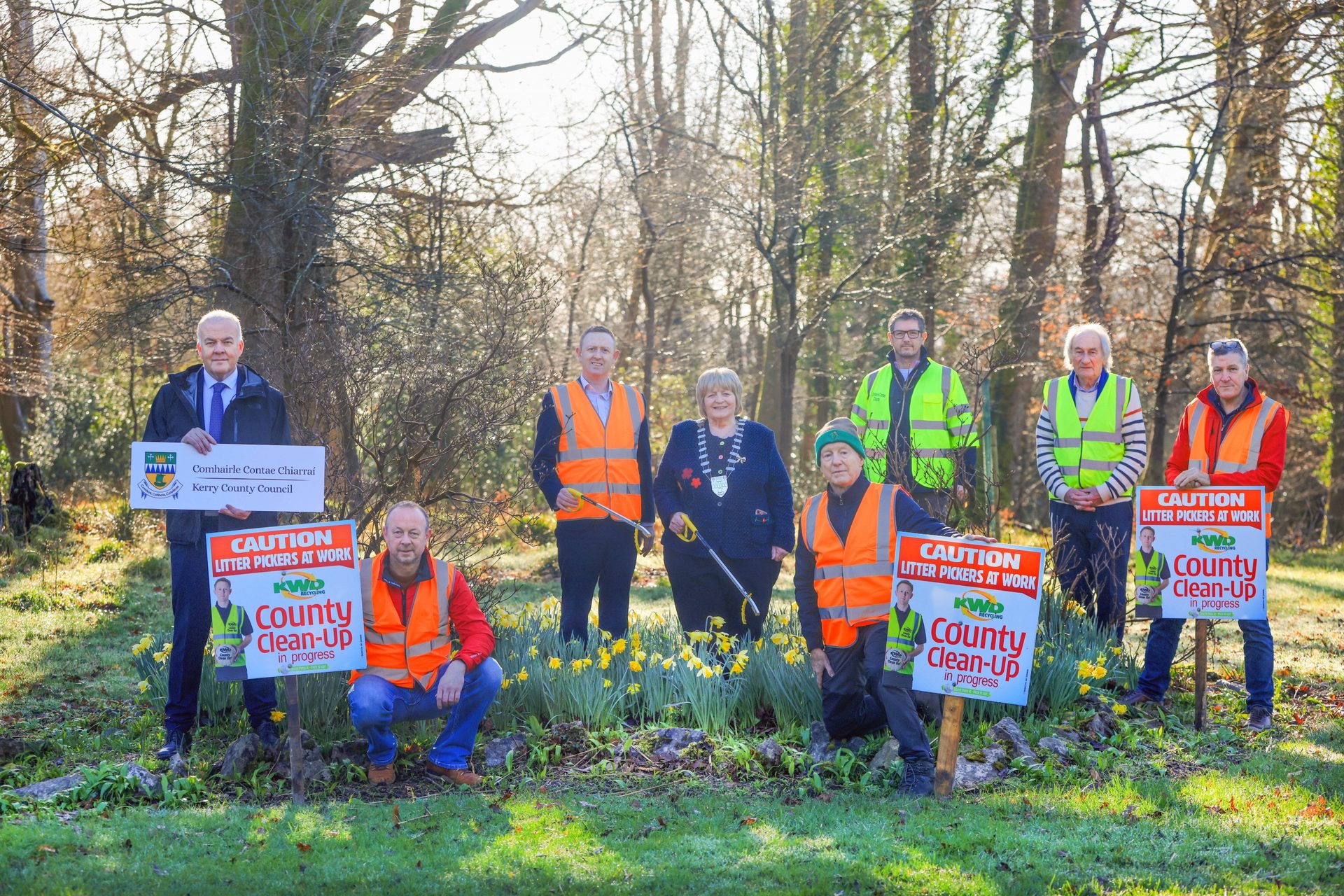
KWD Recycling shortlisted for national environmental awards
Killarney-based KWD Recycling has been announced as a finalist in the 2026 Repak Resource Awards, securing a spot on the national shortlist for environmental achievement.
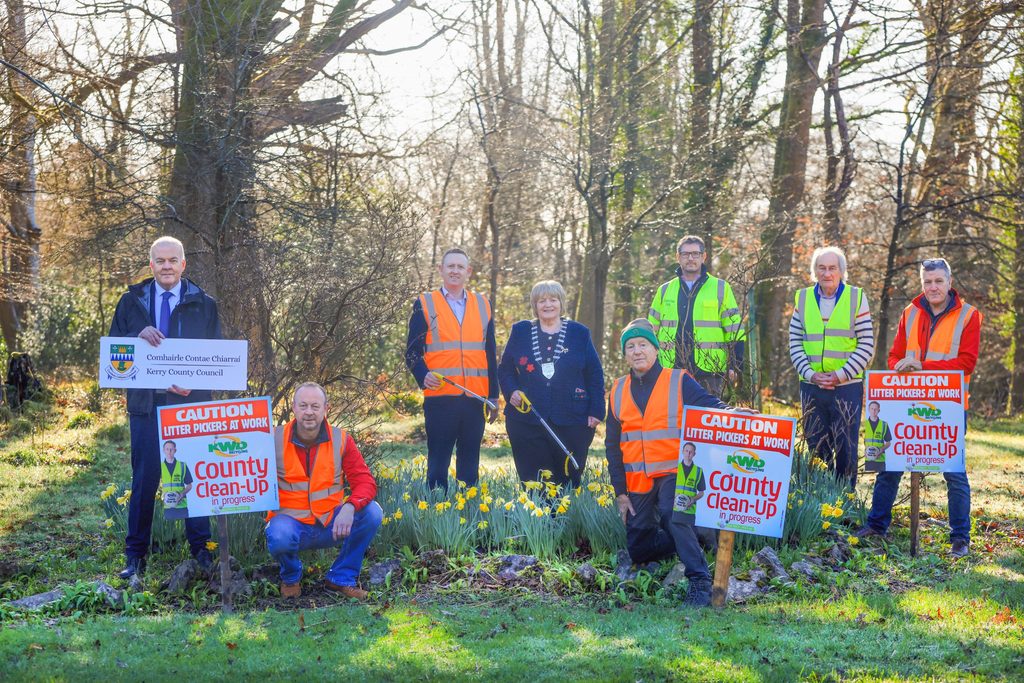
The local waste management company has been nominated in the Best Recovery Operator Innovation category, sponsored by DNV, for its state-of-the-art residual waste recovery system.
The Killarney facility utilizes optical sorting, screening, and mechanical processing to extract recyclable plastics and organic material from municipal waste. In its first year of operation, the technology recovered more than 10 per cent of plastic packaging from residual waste for recycling and diverted almost 50 per cent of organic material toward composting.
KWD Recycling will compete alongside Dublin operators Panda and Thorntons Recycling for the category title.
Repak CEO Zoe Kavanagh commended the Kerry firm for demonstrating environmental leadership and bringing local ambition to the national awards.
Category winners will be announced at a black-tie ceremony at the Mansion House in Dublin on Friday, October 23, where each winner will also compete for the Overall Repak Resource Award.
Local businesses have a strong track record at the national event, with Killarney town venue The Killarney Park and The Ross previously taking home the overall title in 2023.
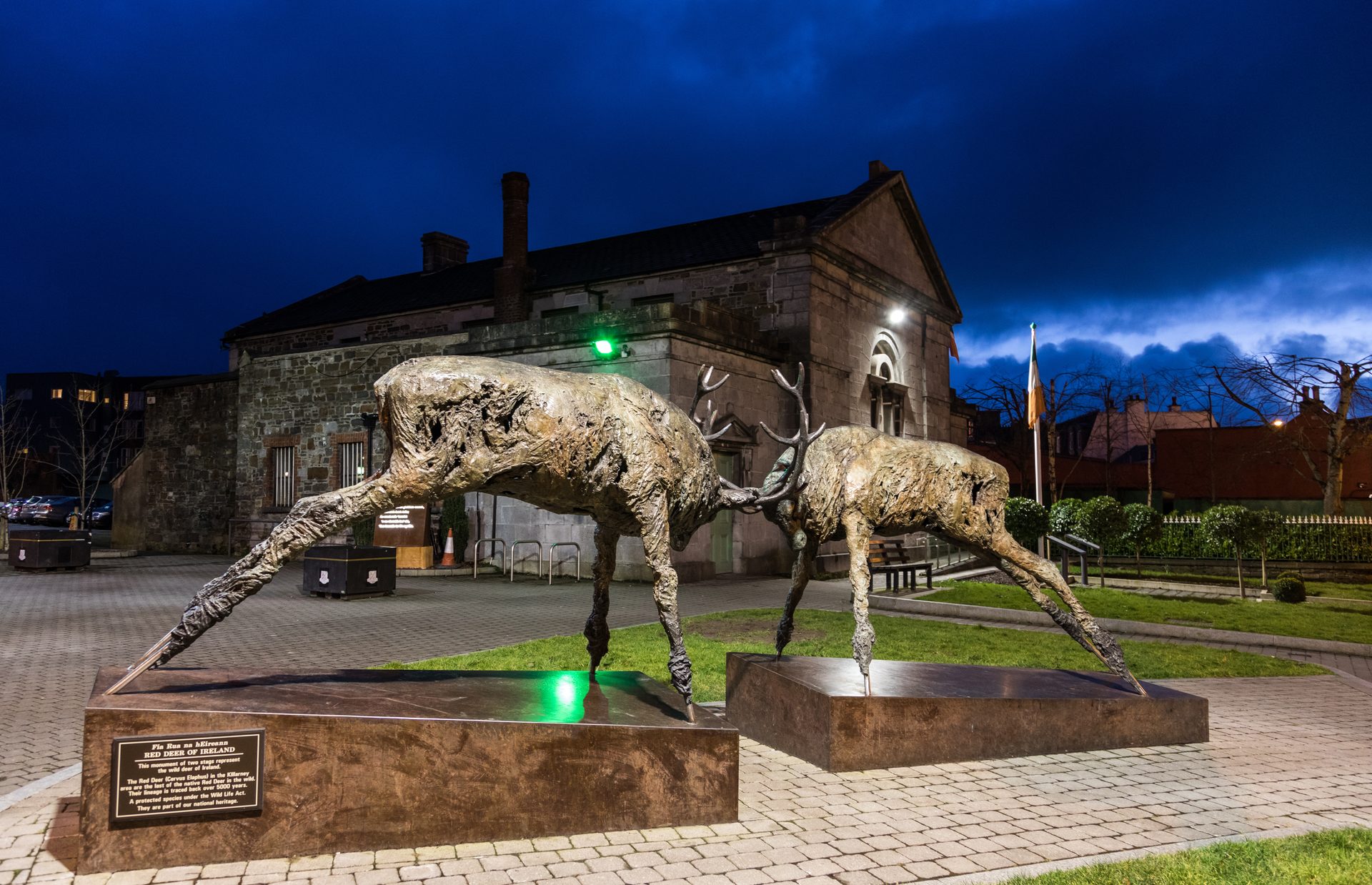
Drivers warned as deer rutting season begins
Motorists in Killarney are being urged to exercise extreme caution as the annual deer rutting season gets underway, causing animals to stray far beyond their usual habitats inside Killarney National Park.
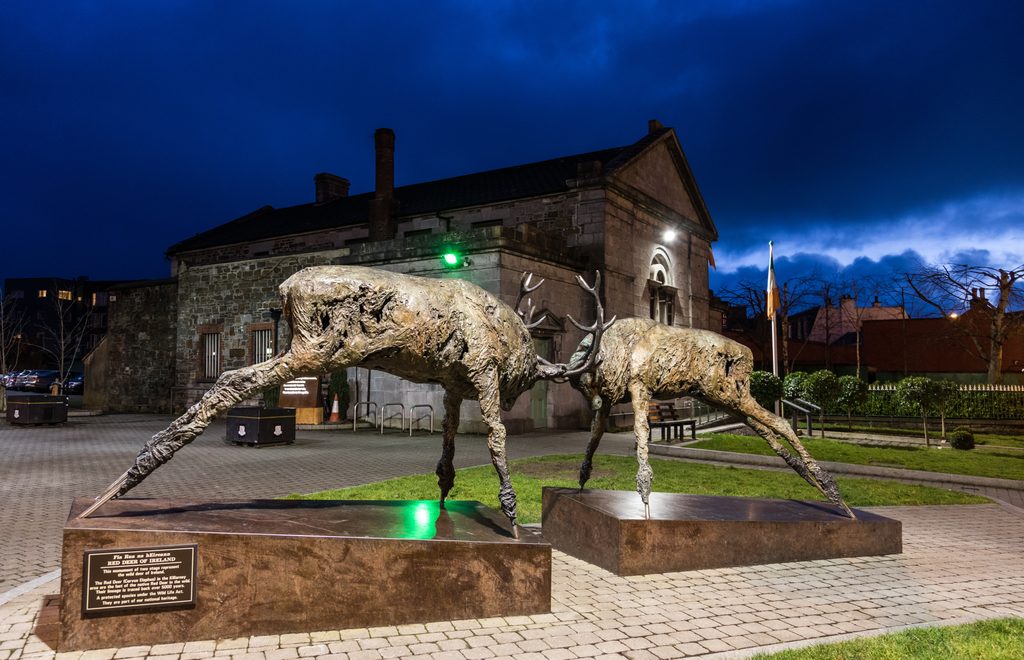
The autumn mating season sees deer becoming highly active and unpredictable, leading to increased sightings and collisions on local roads outside traditional park boundaries.
Two separate incidents highlighted the growing hazard on local routes this week. A reader contacted the Killarney Advertiser to warn drivers after spotting a deer roaming near Tiernaboul towards the school on Sunday afternoon around 7.30pm.
Later that same night, in the early hours of Monday morning, a local driver collided with a deer near Kerry Airport around 1am while returning home from an event.
Despite attempting evasive action, the motorist struck the animal, which died at the scene and temporarily blocked the road before local Gardaí were alerted to clear the obstruction.
The driver sustained substantial vehicle damage, requiring repairs to the bumper, headlamp, and internal components, leaving her facing significant garage costs and time off the road.
Gardaí and road safety advocates advise motorists travelLing during early morning and late evening and remain vigilant along tree-lined routes.

KWD Recycling shortlisted for national environmental awards
KWD Recycling shortlisted for national environmental awards Killarney-based KWD Recycling has been announced as a finalist in the 2026 Repak...


Drivers warned as deer rutting season begins
Drivers warned as deer rutting season begins Motorists in Killarney are being urged to exercise extreme caution as the annual...


Kerry Airport CEO addresses chamber luncheon
Kerry Airport chief executive Adrian Neilan addressed local business leaders at the Killarney Chamber of Tourism and Commerce luncheon at...


The Brehon raises €2,850 for Jack and Jill Foundation
The Brehon Hotel and Spa raised €2,850 for the Jack and Jill Children’s Foundation after hosting a closest-to-the-pin golf simulator...


Five local postmen retire with 185 years service
Five local postmen retire with 185 years service RETIREMENT NIGHT: Pictured at the retirement party held at Killarney Racecourse on...


Fossa Swimmers make a splash at County Finals
The Fossa Swim team pictured at the Tralee Sports Complex following their successful outing at the County Finals of the...


On the Ball Part 2 of the Mikey Daly Interview
Éamonn Fitzgerald EF: Killarney Celtic are invited to participate in an Irish competition. That has big financial implications for travel,...


LUKE MANGAN recently caught up with Kerry FC’s manager, Colin Healy.
He spoke to him about his careers as a player and manager. Here’s how it went: When you began your...


Home cup tie for St Paul’s could be epic
Paudie O’Connor National Cup (Round 1) Utility Trust St Paul’s v GCU Brunell Saturday 7.30pm Killarney Sports and Leisure Centre...


Chances of Kerry v Cork Munster final in 2026 decrease as Munster GAA delay seeding plan
After facing a backlash from Limerick, Clare, Waterford and Tipperary players, Munster GAA have postponed their plan to keep Cork...
