
News
The tax you’re really paying for your health


By Brian Foley from Activate Fitness
With the budget just squared away, there’s always an air of “how did I do out of it?”
In Ireland, we enjoy a public healthcare system which is touted to become a universal healthcare system. Maybe “enjoy” is the wrong word.
We have it, and we use it, and, of course we pay for it. We justify the constant ratcheting-up of our tax burden to pay for rising health-care costs. That tax is on our wallets.
We also pay another type of tax: When we’re unhealthy, we don’t get to do the things we like. When we’re overweight, we don’t always say “YES!” when our kids ask to go to the swimming pool.
When we’re unfit, we don’t take our buddy’s invitation for a weekend hiking and camping trip. We can’t start jogging because our knees hurt; can’t lift weights because our back hurts; can’t cut down calories because we feel we need the energy.
Those things are taxes. Physical taxes, but they’re not the worst taxes we pay.
The worst tax we pay is the mental tax.
When we’re self-conscious about our fitness or health, we don’t want to start exercising. We don’t want to look dumb or fail.
We don’t want to start a new lifestyle because our families will say “good for you”, because they know we need it, or they’ll say “you don’t need that …” and lie. Or they’ll roll their eyes because they know we’ve failed before.
When we’ve been away from the gym for four months, we don’t want to do that first workout because we’re going to be last. It’s going to suck and we might get embarrassed.
SELF IMPOSED TAX
The Government makes us pay financial tax, but the other two - physical and mental - are self-imposed.
No one cares if you’re slow.
No one cares if you finish last.
No one cares if you blow your nutrition this week and have to start all over again.
You’d stop caring about what others thought about you if you realised how rarely they actually do.
Everyone thinks about themselves, mostly. That’s the tax they’re paying - and most of us overpay.
We’re taxed enough. Stop worrying about what you look like and start caring about what makes you feel good.
If you’d like to start taking steps in the right direction with your health and fitness, call in for a free consultation with us at Activate. Visit www.activate.ie/free-intro for more information.

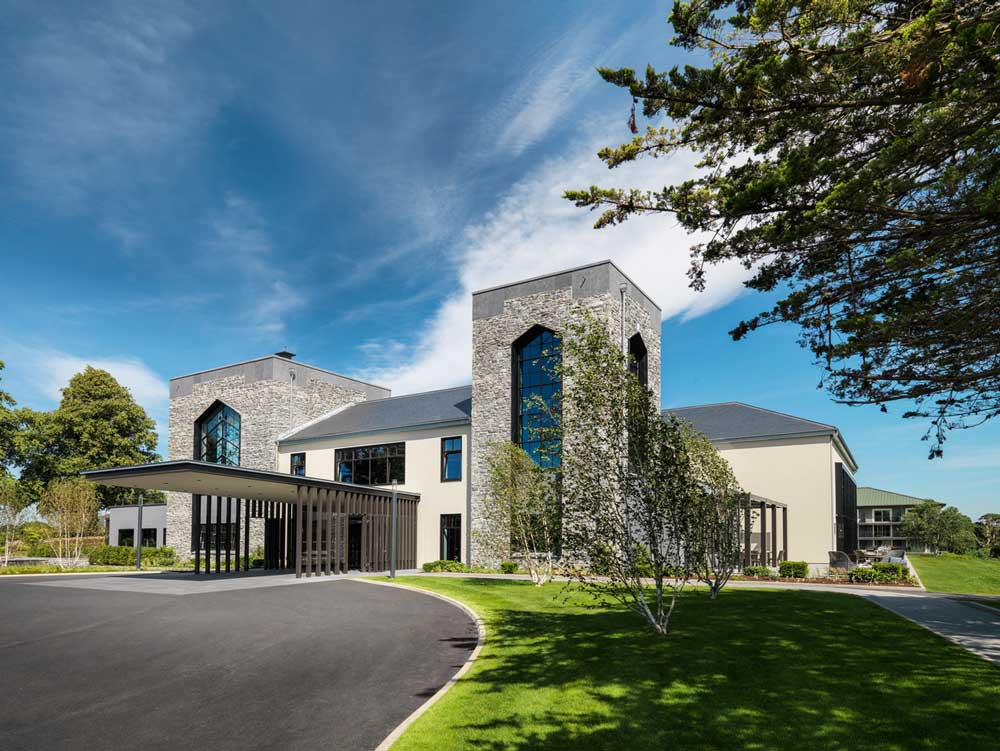
New temporary entrance at Dunloe Hotel
Motorists travelling along the L4040 in Beaufort are being advised to exercise caution in the coming weeks following changes to the road layout at The Dunloe Hotel & Gardens.
A temporary site entrance and new tarmacadam surface have been installed on the L4040 to manage traffic during ongoing construction work at the hotel.
Temporary site hoarding, entrance gates, and a mobile site cabin are now in place to allow heavy machinery and construction vehicles safe access to the grounds as redevelopment progresses.
The temporary road layout will remain active for the duration of the multi-phase hotel upgrade works.
Once construction is fully completed, developers will remove the temporary entrance and return the hotel entrance configuration to its original layout.
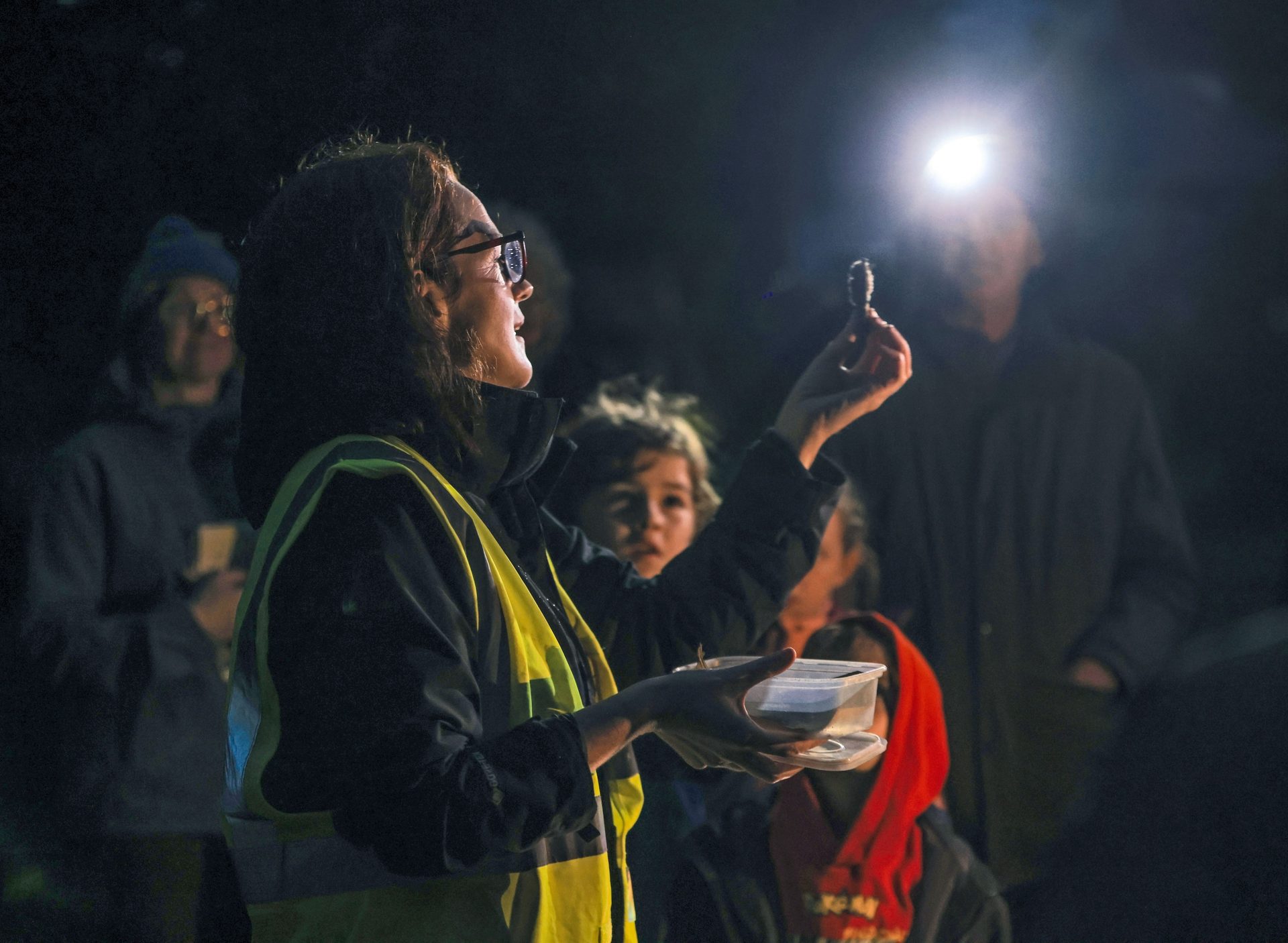
Exploring the National Park after dark
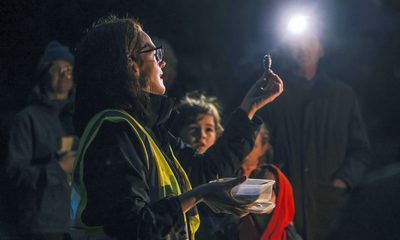
Killarney Parish marked the annual Season of Creation by teaming up with the Killarney National Park Education Centre for an after-dark nature event in the park.
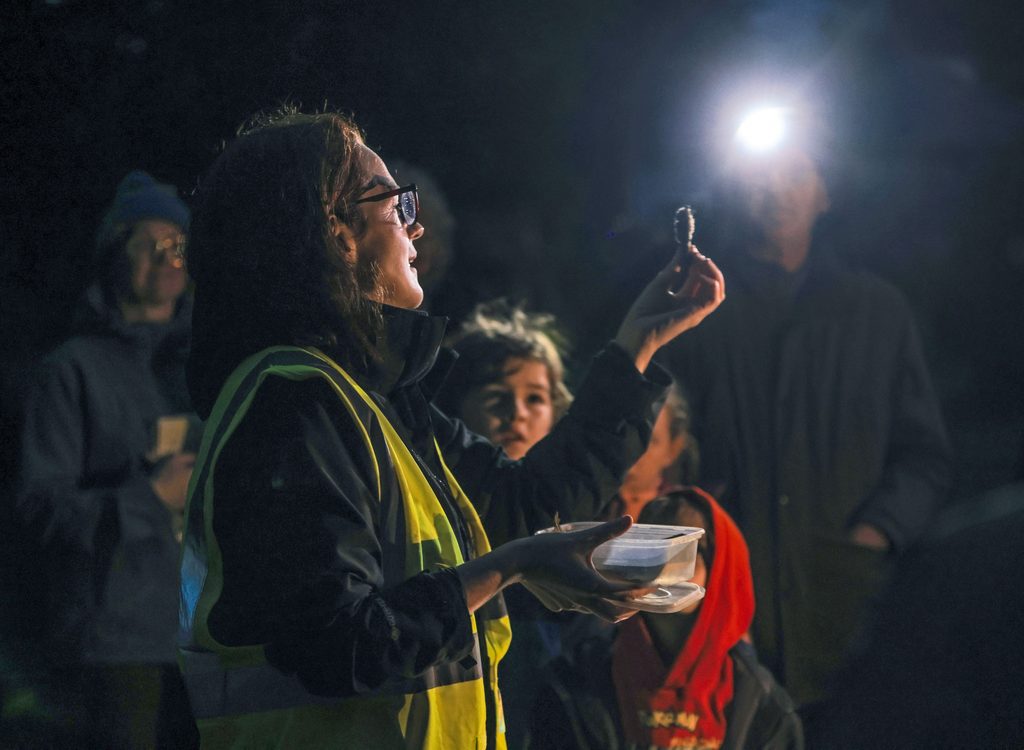
Led by newly appointed Parish Administrator Fr Pat O’Donnell, the local community group took part in a Nocturnal Nature Ramble organised in conjunction with European Youth in Parks Day and its ‘Parks in the Dark’ initiative.
Education Centre staff Chris Barron and Tara Buckley guided participants through the park to observe wildlife that becomes active after dusk.
Using bat detectors and night-vision binoculars, the group tracked local nocturnal species and learned about the nighttime ecosystem within the park grounds.

New temporary entrance at Dunloe Hotel
New temporary entrance at Dunloe Hotel Motorists travelling along the L4040 in Beaufort are being advised to exercise caution in...

Exploring the National Park after dark
Exploring the National Park after dark Killarney Parish marked the annual Season of Creation by teaming up with the Killarney...
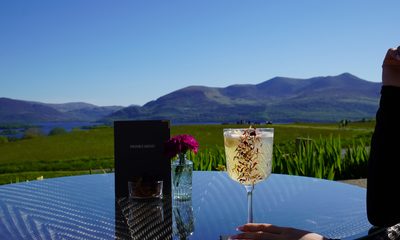

Aghadoe Heights introduces Engagement Concierge service
Aghadoe Heights introduces Engagement Concierge service Aghadoe Heights Hotel & Spa has launched a full-service Engagement Concierge, providing a bespoke...
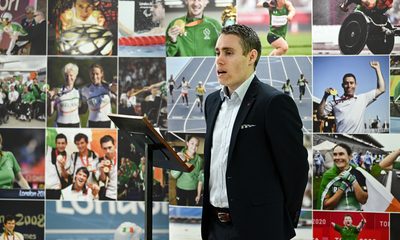

Paralympic legend to headline Chamber winter schedule
Paralympic legend to headline Chamber winter schedule Six-time Paralympic gold medallist Jason Smyth will head to Killarney next month as...
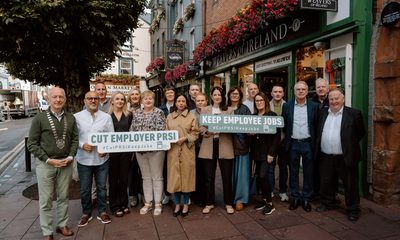

Retailers join national campaign to cut PRSI and safeguard local jobs
Retailers and shop staff across Killarney joined forces this week as part of the nationwide ‘#CutPRSIKeepJobs’ campaign, calling on the...
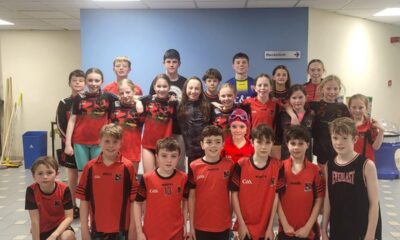

Fossa Swimmers make a splash at County Finals
The Fossa Swim team pictured at the Tralee Sports Complex following their successful outing at the County Finals of the...
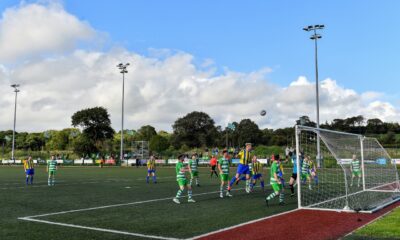

On the Ball Part 2 of the Mikey Daly Interview
Éamonn Fitzgerald EF: Killarney Celtic are invited to participate in an Irish competition. That has big financial implications for travel,...

LUKE MANGAN recently caught up with Kerry FC’s manager, Colin Healy.
He spoke to him about his careers as a player and manager. Here’s how it went: When you began your...
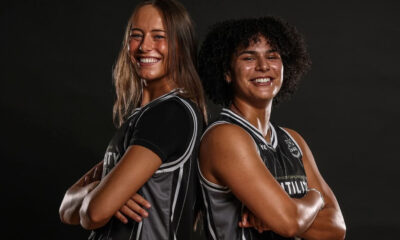

Home cup tie for St Paul’s could be epic
Paudie O’Connor National Cup (Round 1) Utility Trust St Paul’s v GCU Brunell Saturday 7.30pm Killarney Sports and Leisure Centre...


Chances of Kerry v Cork Munster final in 2026 decrease as Munster GAA delay seeding plan
After facing a backlash from Limerick, Clare, Waterford and Tipperary players, Munster GAA have postponed their plan to keep Cork...
