
Sport
Adam Moynihan: Some of the criticism aimed at the county board has been unfair


As Tim Murphy patiently waited for some of the delegates to put themselves on mute, he didn’t look entirely comfortable in his seat. Monday’s County Board meeting was about to begin via Zoom (once the background noise had ceased), and the Kerry GAA chair knew what was coming.
The manner in which he and his fellow officers had handled the recruitment process to find the “next” Kerry manager had been criticised in certain quarters. The Brosna native was about to get it in the neck.
Sitting in the pavilion in Austin Stack Park with just Peter Twiss (secretary) and Leona Twiss (PRO) for company, Murphy invited and then noted a string of questions and concerns from eight club representatives. The words “transparency”, “bias”, “unfair treatment” and “mishandled” came up more than once. One delegate spoke of being contacted by people who are “very unhappy and annoyed” at the way the situation played out. Another referenced a report on Off The Ball in which “sources” had claimed that Jack O’Connor had sewn up the gig before the others (Keane and Stephen Stack) had even interviewed.
The fact that many of the concerns and most of the criticism came from clubs associated with Peter Keane or his selectors is worth noting. St Mary’s (Keane and Maurice Fitzgerald’s home club), Listry (where Keane lives), Laune Rangers (from Killorglin, where Keane has his business), Beaufort (a team Keane was previously involved with), and Kilcummin (James Foley’s club) all had their say. That’s not to say that their concerns weren’t genuine or valid, but it does appear to indicate that the old GAA mantra of “looking after our own” was at play, at least to some extent.
More telling was the fact that the vast majority of clubs in the county raised no concerns at all.
Nevertheless, Murphy had to field the questions that were asked and he did so quite well. He stood over everything he and his five-person sub-committee had done and he bristled at the suggestion that there was anything untoward about the process.
“This suggestion about it being a done deal going back three weeks ago or four weeks ago is totally erroneous, totally untrue, totally unfounded,” he said.
“I think it’s disgraceful. It’s the lowest of the low.”
After the chairman had addressed everyone’s concerns, Jack O’Connor was ratified without so much as a peep of dissent from anyone. That probably shows you where most of the clubs really stand on this whole episode.
I, for one, think the County Board have been unfairly criticised over the past few weeks. And readers of this column will know that I wouldn’t be one for praising boards or administrators just for the sake of an easy life.
The interview process was a smart way to go because there were doubts about Keane and there were no obvious alternatives. Firstly, it gave Keane the opportunity to present his case and maybe offer up some solutions. It has been reported in the media that if Keane was to stay on, the players would have liked to have seen a fresh face or two in the backroom team. Maybe if Keane had indicated that he was open to freshening up that side of things, the sub-committee would have viewed his application more favourably.
Secondly, the process allowed O’Connor and Stack to present their own cases and make an impression on the board. Evidently, O’Connor made the best presentation. Is it possible that he was the preferred candidate from the start? Absolutely, but there will be favourites for every role. It doesn’t mean that the others had no chance of overtaking him.
If Keane didn’t end up getting the job, it was always going to get a bit messy, but that’s life. And that’s Kerry football. As Murphy suggested, the circus was created by other parties – predominantly the media and the fans. The board remained tight-lipped throughout.
Not thanking Peter Keane ahead of O’Connor’s ratification irked many observers (Murphy did so after O’Connor was officially appointed) and maybe that could have happened a bit earlier.
Having said that, the board were roundly criticised for not thanking Keane when announcing that the process for finding the “next” Kerry manager had begun. How could they thank him then when he was still in the running? Even after it was announced that the sub-committee would be nominating O’Connor, what if there was uproar at the county board meeting and the Dromid man wasn’t ratified?
Unlikely? Yes. Impossible? No.
For his part, Keane didn’t help matters with his statement claiming that “all the players” were behind him - that muddied the waters for sure. It was a crazy thing to say. No manager in the world has that kind of support, and Keane absolutely did not.
All in all, Murphy came out of the meeting largely unscathed. His five years are up in December. He will be hoping that this was the last controversy of his tenure.


News
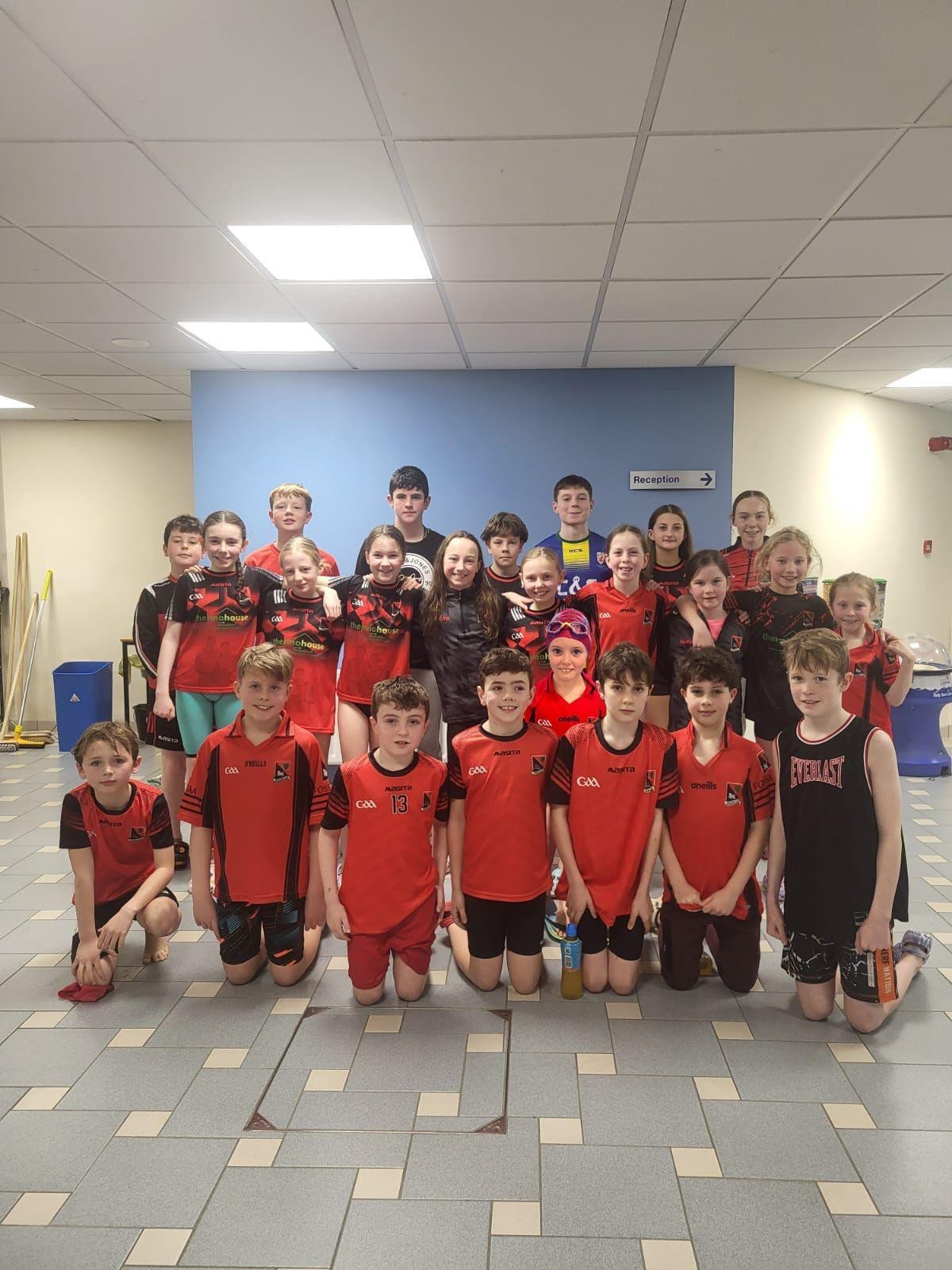
Fossa Swimmers make a splash at County Finals
The Fossa Swim team pictured at the Tralee Sports Complex following their successful outing at the County Finals of the Community Games on Sunday, February 15. The 25-strong squad delivered […]

News
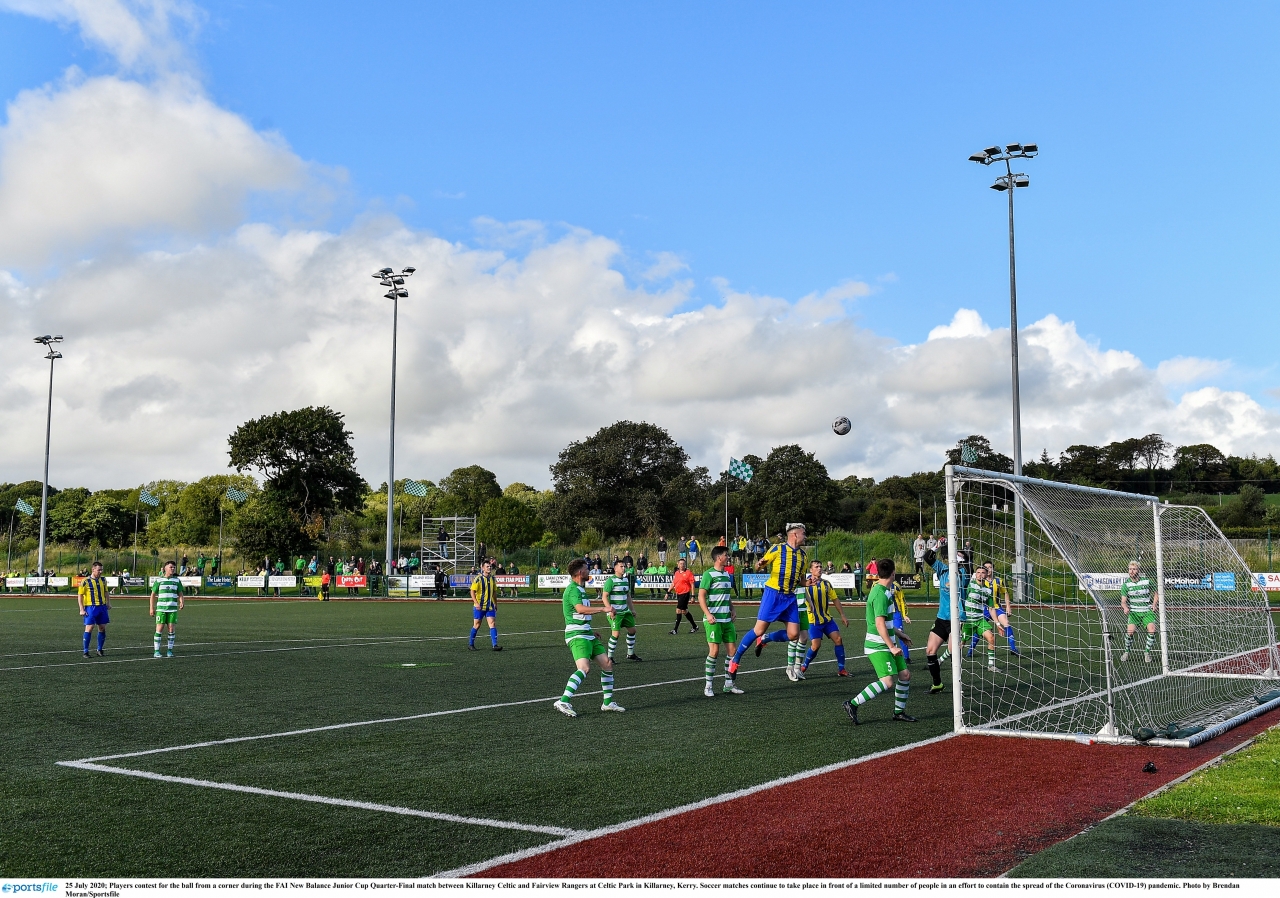
On the Ball Part 2 of the Mikey Daly Interview
Éamonn Fitzgerald EF: Killarney Celtic are invited to participate in an Irish competition. That has big financial implications for travel, meals, etc. MD: It is great to be invited, showing […]

Drivers warned as deer rutting season begins
Drivers warned as deer rutting season begins Motorists in Killarney are being urged to exercise extreme caution as the annual...

Kerry Airport CEO addresses chamber luncheon
Kerry Airport chief executive Adrian Neilan addressed local business leaders at the Killarney Chamber of Tourism and Commerce luncheon at...
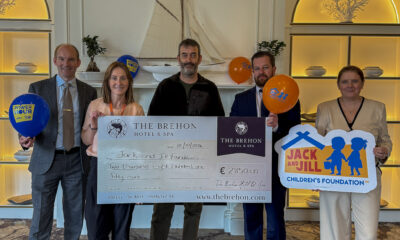

The Brehon raises €2,850 for Jack and Jill Foundation
The Brehon Hotel and Spa raised €2,850 for the Jack and Jill Children’s Foundation after hosting a closest-to-the-pin golf simulator...
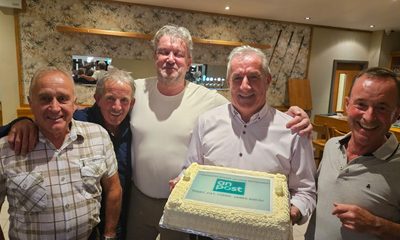

Five local postmen retire with 185 years service
Five local postmen retire with 185 years service RETIREMENT NIGHT: Pictured at the retirement party held at Killarney Racecourse on...
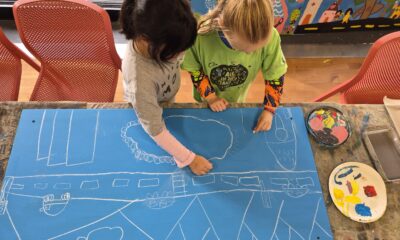

New Streetscapes murals launched at College Square
A colourful collaboration between the Kerry Local Creative Youth Partnership (LCYP) and the Architecture Kerry Festival at Kerry County Council...
