
News
Prepare to present the best version of yourself!

&
Facing any interview is a nerve-wrecking experience for most people particularly when you are interviewing for a job that you really want to get.
Regardless of the outcome, attending interviews is a great learning curve and you will definitely get better at them with experience. By preparing well for each interview, putting in the best effort possible in terms of performance, doing some post-interview analysis and seeking feedback you will greatly improve on your interview techniques and your chance of getting your dream job. Although the setting is very different for virtual interviews, for example via Skype or Zoom, the general guiding principles are the same. Be confident in yourself – you have gotten to interview stage, now you just need to show the employer that you are the person for the job!
Before the interview
As mentioned in the previous article be clear on the type of interview you are attending, know what is in store. Know your CV or application form well, the interviewers will be looking for you to expand further on the important aspects so make sure you can stand over and give plenty evidence of all the details you have included about yourself, your work experience and education. Know the job specification and description well so that all the answers you give reflect how well your skills and qualities suit the role and company.
Research the company by checking out their website and their social media. Pay particular attention to LinkedIn for information on the company and employees and search the media for any recent articles on how the company is performing, any new products they have launched or awards they have received and keep an eye out for any links they have to community, environmental or social responsibility initiatives. Talk to anyone you know who works with the company or organisation. Find out as much as you possibly can. Prepare and practice question out loud (see suggestions below), record yourself on your phone and listen back.
Dress appropriately depending on the level of the position and the working environment. You may not need a suit but you certainly need to look smart and professional. Arrive in plenty of time and give yourself enough head space to be ready to perform well. Nerves are perfectly normal and in fact help to keep you alert and focused. They usually subside after the first couple of minutes once you settle into the atmosphere of the interview room. Get some fresh air before you go in, it helps to clear your head and settle the nerves. Use breathing exercises to relax if needed. When introduced to the interview board greet each one individually with a nod and a smile – no handshakes due to COVID-19.
During the interview
Focus on and try to maintain eye contact with the interviewer who has asked the question. Generally interviewers will start by asking you to tell them about yourself. This is to settle you in. Prepare this in advance so that you don’t waffle on and concentrate on the important things they need to know about you professionally – your experience, education, key skills and qualities – but keep it brief! The wording of other questions varies but essentially all employers want to know why you want to work for them, why you applied for the job, what key skills, qualities and competencies you have that make you suitable for the job and what makes you stand out from other applicants, basically why they should hire you.
Prepare these answers in advance by looking closely at the job specification and highlighting the keywords. Use them in your answers. When answering, try to keep a structure on your answer particularly when asked for evidence of your skills and competencies such as teamwork, problem-solving, effective communication. Use the STAR format – Describe the Situation (background or context), the Task (give specifics), the Actions you took (use ‘I’ statements) and the Result (include what you learned from it).
Make sure you get the opportunity to give them your Unique Selling Point (USP) - what makes you stand out from others, and don’t be shy about talking positively about yourself professionally. It can be effective to use this at the end if they ask you if you have anything to add.
After the interview
Breathe a sigh of relief and congratulate yourself on getting through it! Jot down all the questions you were asked or as many as you can remember and make note of what you felt you did well in and areas for improvement in future interviews. Relax and wait for a result.
Niamh Dwyer is a Guidance Counsellor in Scoil Phobail Sliabh Luachra, Rathmore & PRO of Kerry Branch of Guidance Counsellors. She can be contacted on careerfocusnow@gmail.com

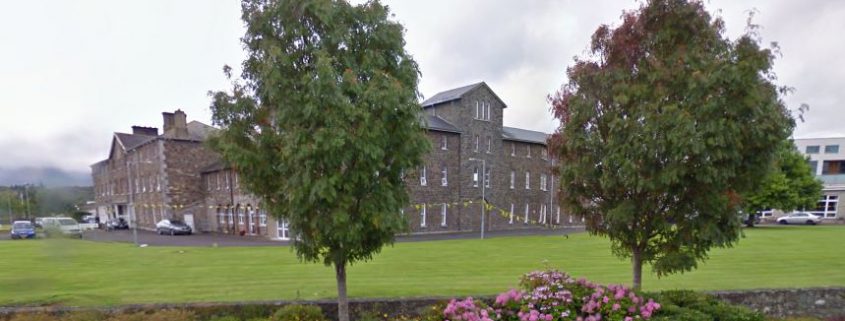
A design team has been appointed to advance plans for the proposed Minor Injury Unit on the grounds of St Columbanus Home though the HSE has confirmed it cannot yet give a construction or opening timeline.
Fianna Fáil TD Deputy Michael Cahill received the update in response to a Parliamentary Question submitted to the Minister for Health. HSE South West confirmed the newly appointed team will progress the project through design development, planning, and regulatory approval following the transfer of residents to the new Killarney Community Nursing Unit.
Deputy Cahill welcomed the appointment of the design team but raised concerns over the lack of a definitive schedule.
“I welcome the appointment of a design team, which represents progress towards delivering this important facility. However, I am concerned that the HSE is still unable to provide a definitive timeline. Previous indications from HSE officials pointed towards construction commencing in 2026, with completion anticipated in 2027. We now need clarity on the project schedule and assurances that there will be no unnecessary delays,” Deputy Cahill said.
He noted that the facility is vital to serve Killarney and the wider east, mid, and south Kerry regions while relieving pressure on the Emergency Department at University Hospital Kerry.
The HSE also confirmed it is finalising a broader review of healthcare accommodation across Killarney to develop the St Columbanus campus as an integrated healthcare hub.
“As a member of the Oireachtas Joint Committee on Health, I will continue to press the HSE and the Minister for Health to ensure this project is progressed without further delay. People across Killarney, east, mid, west and south Kerry deserve certainty. The appointment of a design team is welcome but the next priority must be getting this project to construction and delivering the facility,” Deputy Cahill concluded.
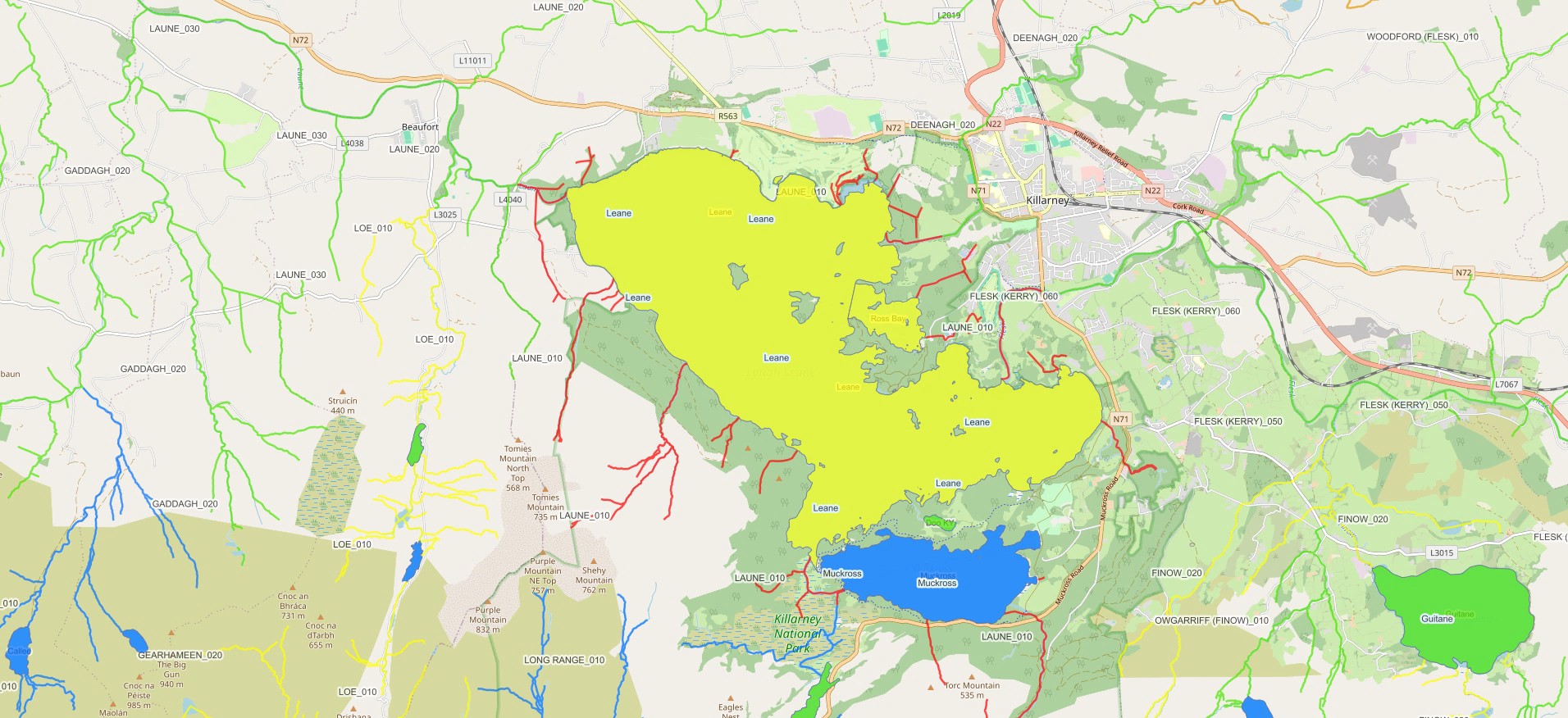
Lochanna Beo’s mapping highlights water quality concerns
Local environmental action group Lochanna Beo has released mapping data from the Environmental Protection Agency (EPA) to draw attention to deteriorating water quality across Killarney and the broader Laune Catchment.
The EPA map uses a colour-coded system to rate water quality status from 2019 to 2024: blue indicates high status, green indicates good, yellow represents moderate, brown denotes poor, and red signifies bad status.
The figures indicate significant ecological pressure on local lakes and rivers compared to neighbouring areas across County Kerry.
Formed during the summer of 2026, Lochanna Beo aims to bring together residents, business owners, agricultural operators, and public bodies to address the key factors affecting the regional aquatic ecosystem.
The community initiative is seeking direct engagement with relevant statutory authorities to implement practical restoration measures and protect the long-term health of Killarney’s water bodies.

Design team appointed for injury unit
A design team has been appointed to advance plans for the proposed Minor Injury Unit on the grounds of St...
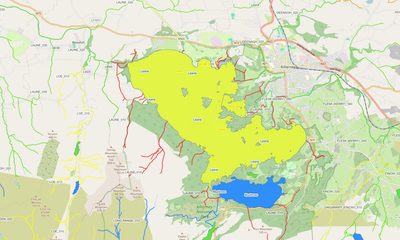

Lochanna Beo’s mapping highlights water quality concerns
Lochanna Beo’s mapping highlights water quality concerns Local environmental action group Lochanna Beo has released mapping data from the Environmental...
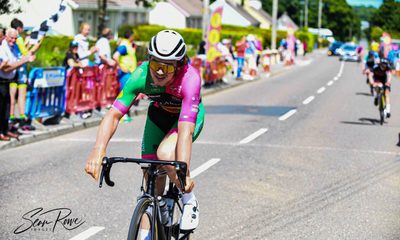

Stefan Caulfield-Dreier signs professional cycling contract
Former Killarney Cycling Club rider Stefan Caulfield-Dreier has secured a professional contract with leading Dutch-based outfit Azerion-Villa Valkenburg. The 23-year-old...


Church seeks creative Christmas trees for festival
Church seeks creative Christmas trees for festival The Methodist Church in Killarney is inviting local schools, community groups, businesses, and...


€6,000 Scrooge Giveaway!
€6,000 Scrooge Giveaway! Six lucky audience members will each walk away with €1,000 as the Gleneagle Arena welcomes an extraordinary...
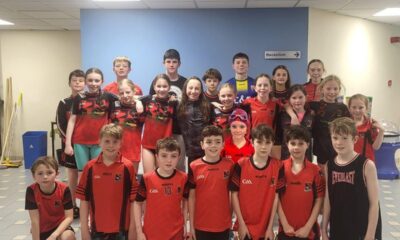

Fossa Swimmers make a splash at County Finals
The Fossa Swim team pictured at the Tralee Sports Complex following their successful outing at the County Finals of the...
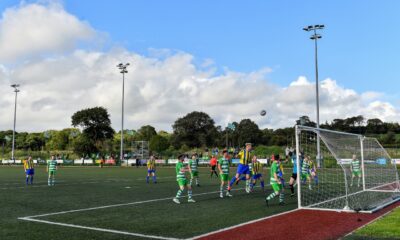

On the Ball Part 2 of the Mikey Daly Interview
Éamonn Fitzgerald EF: Killarney Celtic are invited to participate in an Irish competition. That has big financial implications for travel,...

LUKE MANGAN recently caught up with Kerry FC’s manager, Colin Healy.
He spoke to him about his careers as a player and manager. Here’s how it went: When you began your...

Home cup tie for St Paul’s could be epic
Paudie O’Connor National Cup (Round 1) Utility Trust St Paul’s v GCU Brunell Saturday 7.30pm Killarney Sports and Leisure Centre...


Chances of Kerry v Cork Munster final in 2026 decrease as Munster GAA delay seeding plan
After facing a backlash from Limerick, Clare, Waterford and Tipperary players, Munster GAA have postponed their plan to keep Cork...
