News
Is Killarney dealing with “over tourism”?

N
Now this column prides itself on being sometimes ahead of the curve, nationally. Not that we do pride very well. Mostly we try to avoid what until recently at least was the greatest of sins and most offensive types of behaviour, in Christian as well as pagan cultures.
Anyway, imagine my surprise, after going for a breath of French air, to find the very issues raised in this publication not only touched on, but the main spread in the oldest and national daily in France, Le Fiagaro, last weekend.
“La Saturation menace les sites touristiques francais,” Figaro thundered on the front page. And this was followed by three full inside pages of analysis on Saturdays when the paper is at a premium of €5.30 and is most regarded. The article pulled no punches.
While the world focus is on Amsterdam, Barcelona and Venice, all of whom are taking measures to limit the number of visitors, tourist sites around the world are threatened. Already, popular French sites like Mont St Michel, villages that are marked as the prettiest in France and the Eiffel Tower itself are overwhelmed – it uses the word “hordes” of tourists.
The figures are stark. Today 95 per cent of tourists visit less than 5 per cent of the planet. Natural sites, historical sites and parks are declining as a result, and locals are getting angrier and angrier, Le Figaro has found.
The problems in the medieval walled city Carcassonne are immense and echo some of ours in Kerry.
Parking is a huge problem. So, too, toilets. Elsewhere towns and villages are taken over by just restaurants and bars and tourist shops and life is uncomfortable for locals and tourist alike. Carcassonne is spending €300,000 now on new public toilets and laying out a new car park outside the walls.
But the golden egg is being killed, the articles are warning. According to one craftsman in Carcassonne, he sells more in April when there are fewer tourists than in August when there are several times the numbers.
The figures Figaro presents are gob-smacking. In 1980, around the first time I visited France, the country got 30.1 million overseas visitors. Last year there were 87 million.
In Ireland our figures have increased by close to 3 million in ten years and we now get more than 9 million overseas tourists a year. But is there one extra car space at Torc? For that matter, are there three times the car spaces in Killarney? Are there more toilets in Inch?
Figaro has come up with a new term “surtourism” which I care to translate as “over tourism”, as in over-production in the farming sector. Figaro’s conclusion is governments are closing their eyes to the problems being posed. And in France, as in Ireland, the tourism strategy is to attract more and more overseas tourists and up the numbers.
Nobody is addressing the problems of saturation, it finds. And for the most part the problems are being ignored, and being shied away from by political leaders as well as industry leaders. We are to pretend the same sites that welcomed 500,000 can now cope with three times that number without blinking!
It also concludes, as argued in this column, that trying to spread the tourists to other sites (like the pound of butter) is not the solution because most tourists want to go to the well-known place. The challenge is limiting numbers, providing facilities and safeguarding the product.
Few serious newspapers are taking a serious look at the problem or looking properly at tourism, a major industry.
But, it seems, the Killarney Advertiser and the oldest newspaper in France have raised the thorny issue no one else wants to address. And it should be noted that while tourism is now Ireland’s major industry, it is so little seriously taken that a tourism ministry is a minor thing and no major newspaper or broadcaster has a tourism correspondent to monitor it. To paraphrase Leo, the gossip and whispers in the corridors of Leinster house has dozens of correspondents focussing on the rumour mill.
Now if only I could write better in French; Figaro and the Advertiser could have a twinning!

Green light for Torc Dinis walkway
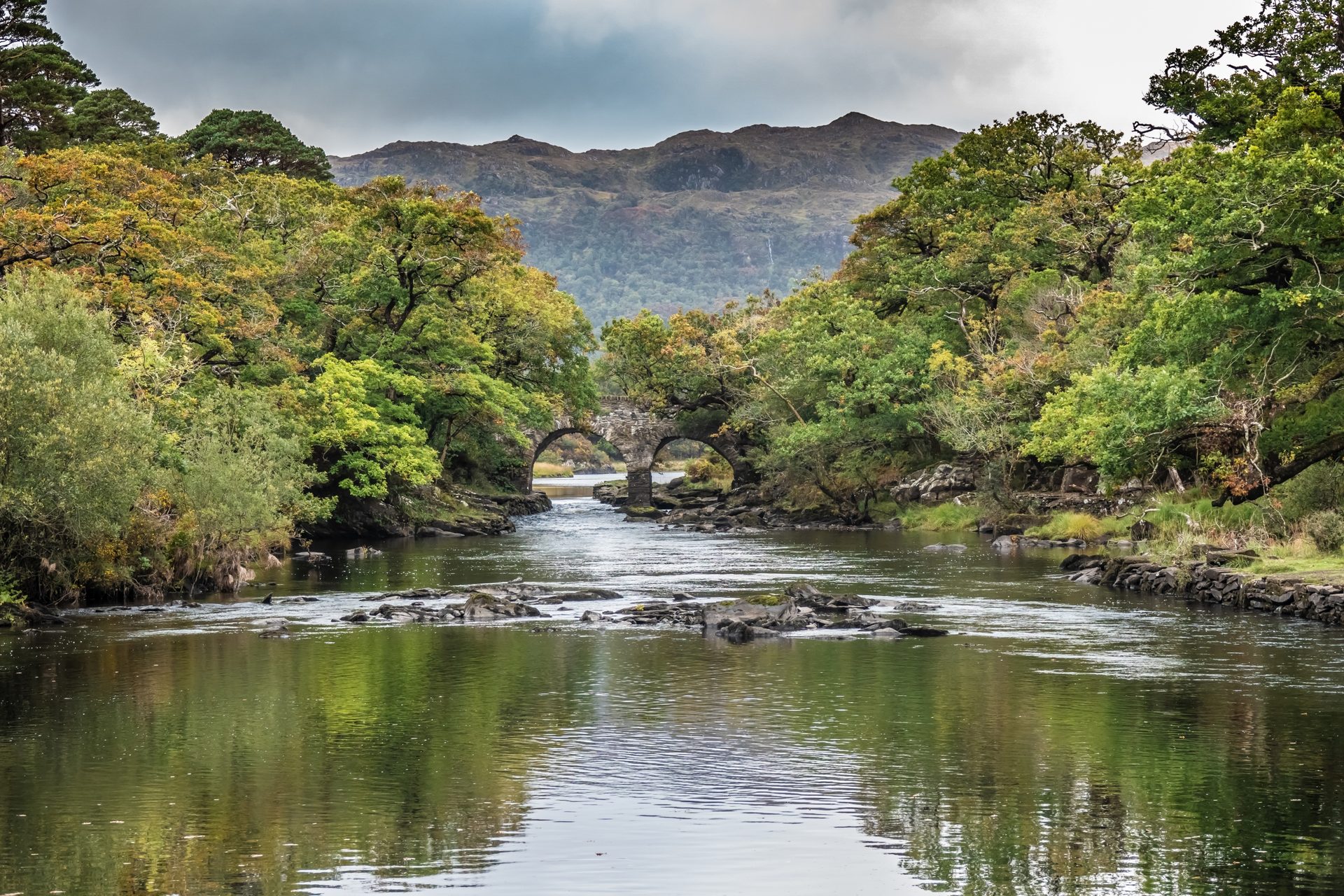
Planning approval has been granted for a long-awaited lakeside walkway and cycleway connecting Torc and Dinis inside Killarney National Park.
An Coimisiún Pleanála confirmed permission for the elevated platform project, which will complete the popular scenic loop while removing a dangerous 800-metre section along the busy N71 Killarney to Kenmare road.
Walkers and cyclists currently have to navigate narrow bends alongside heavy vehicular traffic and tour buses to complete the circuit between the Dinis and Torc car parks.
Mayor of Killarney John O’Donoghue welcomed the decision, calling it a transformative development for the region: “Since beginning in the Council in 2021, this has been one of my priorities as an issue I inherited from my predecessor Michael Gleeson, he being the first person to initially pursue the idea. I have repeatedly kept it on the agenda at Council meetings and now delighted to see we finally have positive news as this decision, which has been long overdue and eagerly awaited, will prove transformative for the area.”
Mayor O’Donoghue added: “The path, which will be on the lakeside, will offer views to rival those anywhere in the world and I have no doubt will prove very popular with locals and visitors alike. Huge credit is due to Kerry County Council and the NPWS for their co-operation on the issue. Once the decision has passed through its statutory waiting period, the design and tender stage can begin.”
The project, which will be built on a raised platform to protect the natural habitat beneath, will also be fully accessible for people with mobility issues. Killarney Chamber of Tourism and Commerce also welcomed the green light, noting that the completed loop will create a major safe attraction showcasing Muckross Lake, Dinis Cottage, and the Old Weir Bridge.
LAKESIDE PATH: An Coimisiún Pleanála has approved planning permission for a new raised walkway and cycleway connecting Torc and Dinis in Killarney National Park.
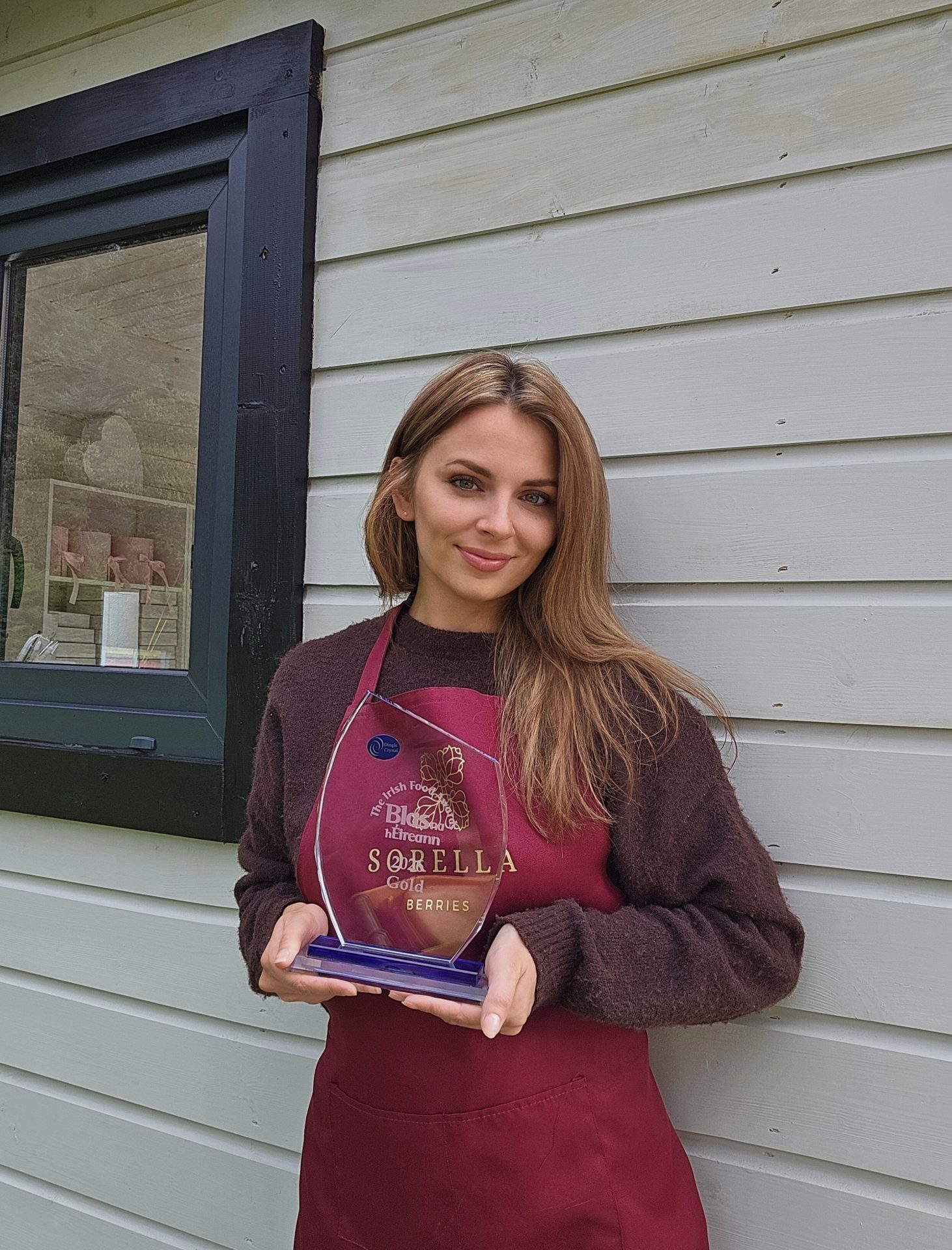
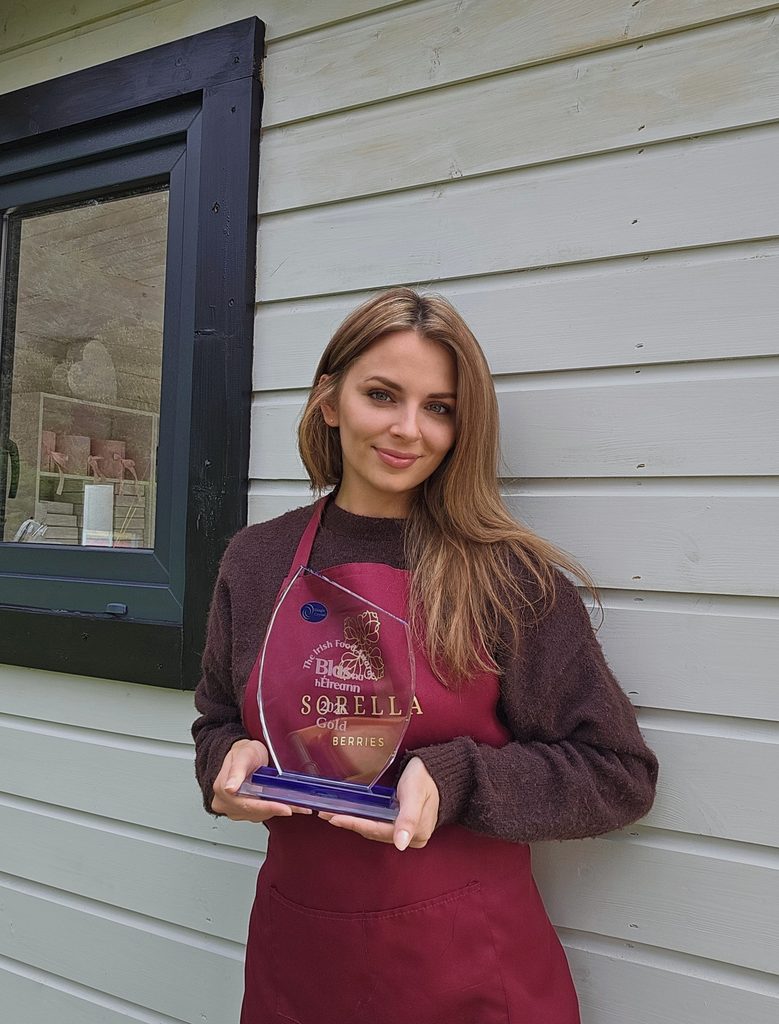
LOCAL GOLD: Terrie O’Shea, founder and owner of Killarney-based business Sorella Berries, celebrating her Gold award win at the Blas na hÉireann Irish Food Awards held in Dingle last week. Her hand-crafted chocolate covered strawberries secured the top spot in national competition, earning recognition for the local food producer on the national stage.
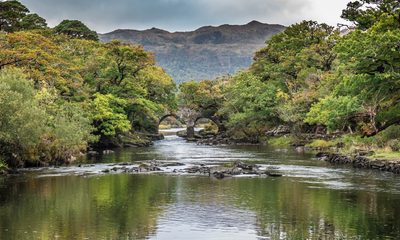

Green light for Torc to Dinis walkway
Green light for Torc Dinis walkway Planning approval has been granted for a long-awaited lakeside walkway and cycleway connecting Torc...
LOCAL GOLD:
LOCAL GOLD: Terrie O’Shea, founder and owner of Killarney-based business Sorella Berries, celebrating her Gold award win at the Blas...

Grady demands Killarney traffic review
Killarney councillor Martin Grady has called for an urgent review of traffic management across the town following severe delays along...

Killarney Pumpkin Farm returns for Halloween
The annual event is in its sixth year and caters to people of all ages. The farm is located in...

Killarney Toastmasters host special open night
Killarney Toastmasters is inviting members of the local community to an open night at the Dromhall Hotel on Muckross Road...
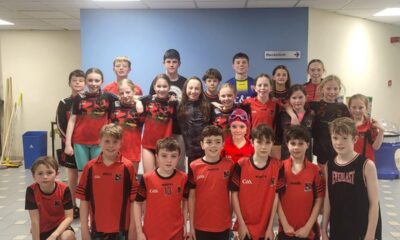

Fossa Swimmers make a splash at County Finals
The Fossa Swim team pictured at the Tralee Sports Complex following their successful outing at the County Finals of the...

On the Ball Part 2 of the Mikey Daly Interview
Éamonn Fitzgerald EF: Killarney Celtic are invited to participate in an Irish competition. That has big financial implications for travel,...


LUKE MANGAN recently caught up with Kerry FC’s manager, Colin Healy.
He spoke to him about his careers as a player and manager. Here’s how it went: When you began your...


Home cup tie for St Paul’s could be epic
Paudie O’Connor National Cup (Round 1) Utility Trust St Paul’s v GCU Brunell Saturday 7.30pm Killarney Sports and Leisure Centre...


Chances of Kerry v Cork Munster final in 2026 decrease as Munster GAA delay seeding plan
After facing a backlash from Limerick, Clare, Waterford and Tipperary players, Munster GAA have postponed their plan to keep Cork...