
Sport
SHOWTIME: Kerry and Dublin ready to rock Croke Park


by Adam Moynihan
All-Ireland Football Final
Kerry v Dublin
Sunday at 3.30pm
Croke Park
(Live on RTÉ 2 from 2.30pm)
Some of the most famous rock musicians in the world have played in Croke Park. U2, Bruce Springsteen and the Rolling Stones, to name but a few.
This week, hundreds of thousands of people queued online for hours on end, trying (and in most cases failing) to get tickets for Coldplay’s upcoming gigs at GAA headquarters.
Hosting concerts is a major source of income for the Association and it’s wonderful to see these global superstars performing in our nation’s most iconic stadium. But with all due respect to Bono and the Boss and Jagger and Chris Martin, none of them will ever rock Croke Park like Dublin and Kerry do.
The deafening noise at 3.29pm on Sunday beats all their biggest hits. That jumbled up chorus of 'Come on Kerry!' and 'Come on Dublin!' between Amhrán na bhFiann and throw-in is sweeter than Sweetest Thing, more glorious than Glory Days, more satisfying than Satisfaction, and more paradisiacal than Paradise.
The game’s greatest rivals on the main stage in the All-Ireland final. Music to our ears.
BACK TOGETHER
If you’ll bear with the musical metaphors for just a little longer, Dublin really got the band back together for 2023. Stephen Cluxton, Jack McCaffrey and Paul Mannion, all preposterously decorated players, returned to the panel after some time away. To paraphrase Kerry manager Jack O’Connor, they didn’t come back to make up the numbers.
After coming up short in 2021 and 2022, the Dubs are hungry for another All-Ireland. It would be a flamboyant exclamation point at end of some of their careers, most notably for Cluxton, James McCarthy and Mick Fitzsimons, all of whom are seeking a record-breaking ninth Celtic Cross.
For others, like Con O’Callaghan and Brian Fenton, it would be a communiqué to the rest of the country that they haven’t gone away, and that they’re not going anywhere any time soon.
ARC
Kerry, meanwhile, are at a very different point on their developmental arc. Having secured what was, for the vast majority of the panel, a first All-Ireland last year, they are now hoping to show us they are no one-hit wonders.
In David Clifford they have the sport’s undisputed superstar, a young man who has been in impressive form since around 2004. He was born in 1999.
If Kerry do manage to beat Dublin and go back-to-back, he will go back-to-back with Footballer of the Year awards, there is zero doubt about that.
Jack O’Connor has made one change to his starting line-up ahead of Sunday’s final. Stephen O’Brien played a starring role when he was introduced after half-time in the semi-final win over Derry, and he has been rewarded with the No. 12 jersey. He replaces Adrian Spillane, who drops to the bench.
As for the replacements, Tony Brosnan has sadly been ruled out due to the recurrence of a respiratory issue, but the return of Killian Spillane (ankle) is a boost. The Templenoe sharpshooter scored a goal against Dublin in the drawn 2019 final. Remarkably, Cluxton hasn’t conceded a goal in the championship since.
Listry and East Kerry midfielder Ronan Buckley has also been inserted into the 26.
KERRY TEAM
1. Shane Ryan
2. Graham O’Sullivan
3. Jason Foley
4. Tom O’Sullivan
5. Paul Murphy
6. Tadhg Morley
7. Gavin White
8. Diarmuid O’Connor
9. Jack Barry
10. Dara Moynihan
11. Seánie O’Shea
12. Stephen O’Brien
13. Paudie Clifford
14. David Clifford (captain)
15. Paul Geaney
Subs: Shane Murphy, Adrian Spillane, Brian Ó Beaglaoich, Mike Breen, Barry Dan O’Sullivan, Ruairí Murphy, Micheál Burns, Killian Spillane, Dylan Casey, Donal O’Sullivan, Ronan Buckley.
Several high-profile pundits reckon Dublin boss Dessie Farrell should recall talismanic half forward Ciarán Kilkenny to the first 15 but the Castleknock man will start on the bench (that’s if the the official team released on Friday morning is to be believed).
Joining Kilkenny amongst the substitutes is Seán Bugler, who missed the semi-final with a calf injury.
The personnel in Farrell’s starting line-up remain unchanged.
DUBLIN TEAM
1. Stephen Cluxton
2. Eoin Murchan
3. Michael Fitzsimons
4. David Byrne
5. James McCarthy (captain)
6. John Small
7. Lee Gannon
8. Brian Fenton
9. Brian Howard
10. Paddy Small
11. Paul Mannion
12. Niall Scully
13. Cormac Costello
14. Con O’Callaghan
15. Colm Basquel
Subs: Evan Comerford, Seán Bugler, Ciarán Kilkenny, Tom Lahiff, Seán McMahon, Jack McCaffrey, Ross McGarry, Cian Murphy, Daire Newcombe, Lorcan O’Dell, Dean Rock.
VERDICT
Dublin will provide Kerry with their toughest test to date and their strength in depth is a definite advantage.
However, Kerry have developed a knack of getting over the line in close games and in David Clifford they have a certified match-winner.
Kerry to prevail by a point, or maybe two.
News
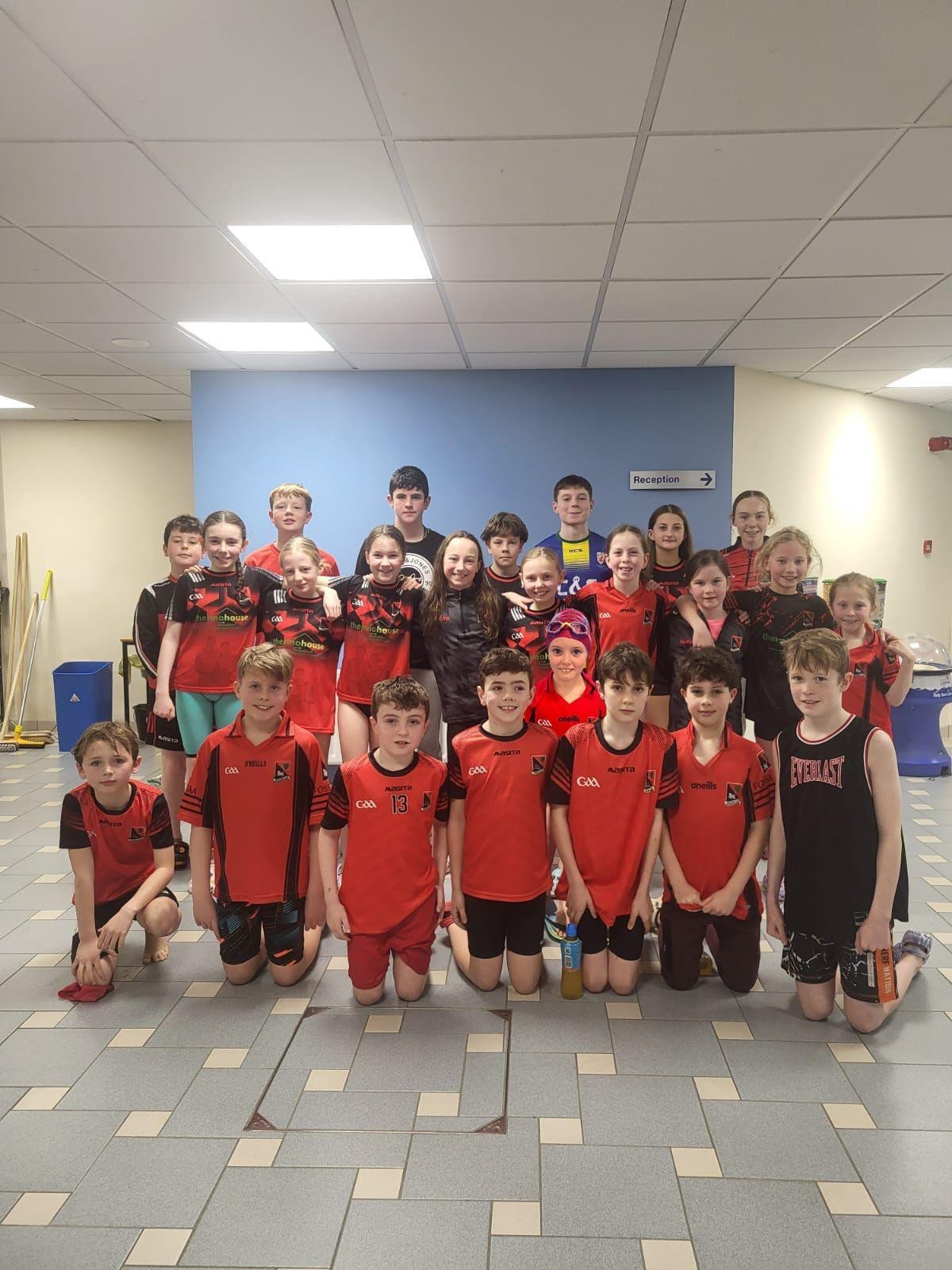
Fossa Swimmers make a splash at County Finals
The Fossa Swim team pictured at the Tralee Sports Complex following their successful outing at the County Finals of the Community Games on Sunday, February 15. The 25-strong squad delivered […]

News
On the Ball Part 2 of the Mikey Daly Interview
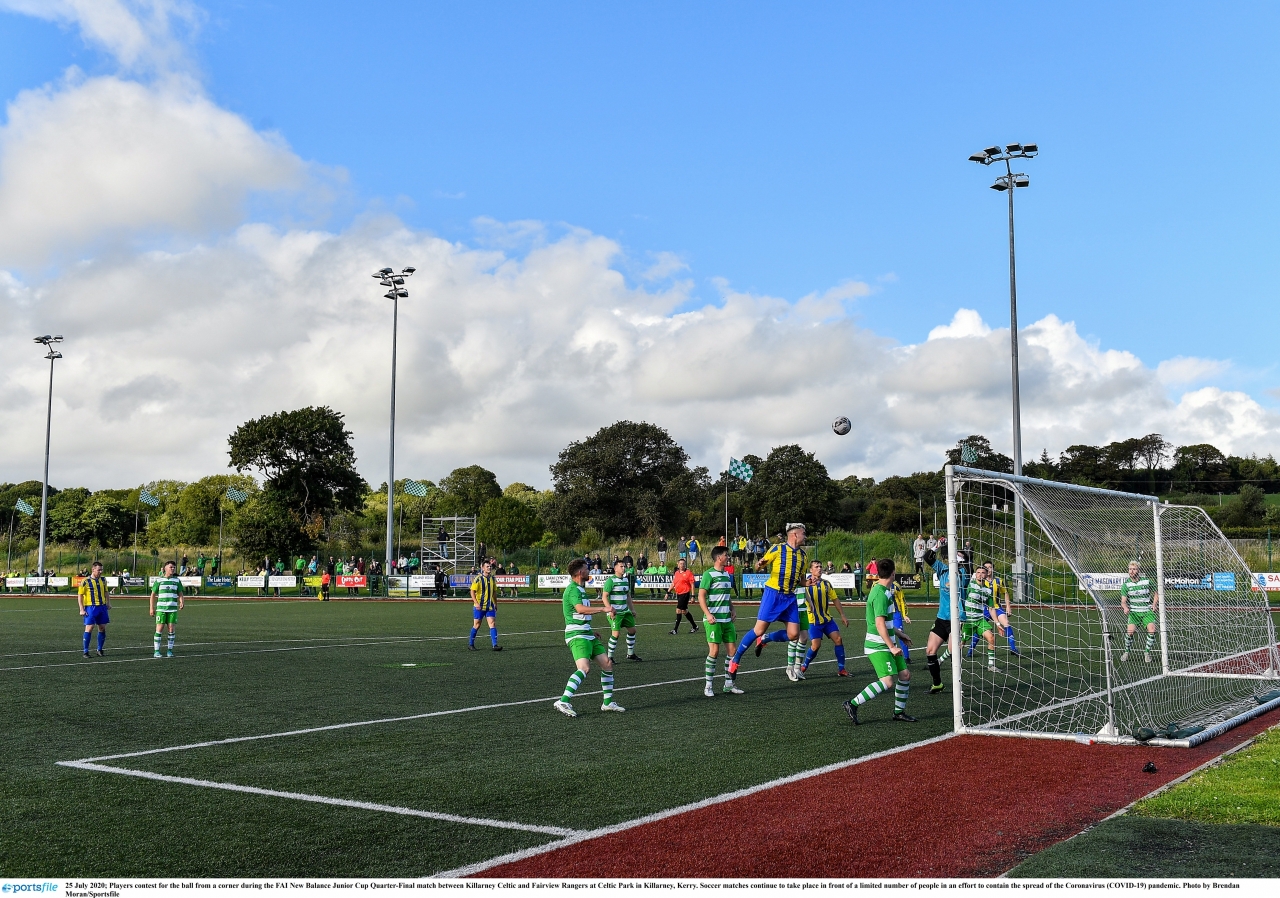
Éamonn Fitzgerald EF: Killarney Celtic are invited to participate in an Irish competition. That has big financial implications for travel, meals, etc. MD: It is great to be invited, showing […]

St Brendan’s College: Voices from the Halls
Interview conducted by Aodhagán Ó Súilleabháin, Cormac Flanagan, and Ryan Twomey. Name: Kieran O’Leary – Entrepreneur and Killarney businessman.Year of...

Official launch of the Assess Ireland Rally of the Lakes set for April 11
The official launch of the 2026 Assess Ireland Rally of the Lakes will take place at Gleneagle Hotel on Saturday,...

Aghadoe native spearheads Darkness Into Light in London
In the absence of a local flagship event this year, one Aghadoe woman is ensuring the Killarney flag flies high...

Killarney co-drivers lead the charge for Circuit of Ireland
The NAPA Auto Parts Irish Tarmac Rally Championship heads to Dungannon this Easter weekend for the Circuit of Ireland, with...

SUPPORTING LOCAL EDUCATION
SUPPORTING LOCAL EDUCATION Karen Buckley, representing the Loughguittane National School Parents Council, accepts the proceeds of the Fossa Two Mile...
