
Sport
Paudie Clifford took the long road and now he’s Kerry’s captain


Adam Moynihan reflects on Paudie Clifford’s remarkable Kerry career to date, from being overlooked by the juniors to winning an All-Ireland with the seniors – and now taking over as captain - in just a few short years
At 24 years of age, when his younger brother had already brought home two All-Star awards, Paudie Clifford was still waiting to make his debut for Kerry. Now, at 27, he’s the team’s captain.
Okay, Kerry’s archaic captaincy rule meant that the pool of candidates was small. Only four players who featured for champions East Kerry in last year’s county final have made Jack O’Connor’s panel for 2024 and only two – David and Paudie Clifford – are guaranteed starters.
But the elder Clifford’s standing within the squad and his importance to the side’s fortunes would make him a viable option regardless. He’s a three-time All-Star, one of Kerry’s star players, and one of the top footballers in the country.
Much has been made of his unorthodox journey so far but it’s worth underlining just how meteoric his rise to the top has been. This is a guy who never played minor or U21 for Kerry. He was always a stylish footballer but when he started playing senior for Fossa, he was never on the radar of then Kerry manager Eamonn Fitzmaurice.
In fact, in 2017 he tried and failed to make the Kerry junior squad.
CHANGE
Things began to change for Paudie in 2018, when he was 21 going on 22. This time he did earn a spot on the Kerry junior team and he played a prominent role on their All-Ireland run, scoring a goal in both the semi-final and final. His performances in green and gold, and also for an emerging East Kerry team later that year, made some Kerry supporters sit up and take notice.
Many still doubted his on-pitch discipline, though. He had a notoriously fiery temper and the fact that he was sent off for his part in a melee during the county semi-final against Dingle did little to assuage those doubts. No matter how good a player is they’re no good to a Kerry manager - or any manager - if they don’t stay on the field.
After spending four years in CIT, he moved to UCC to pursue a masters and he was a key figure when the Cork university won the 2019 Sigerson Cup, playing alongside Kerry’s Seán O’Shea, Graham O’Sullivan, Brian Ó Beaglaoich and Killian Spillane. He even scored a header in the early rounds. (He was grateful that manager Billy Morgan didn’t chastise him for what some might consider an act of showboating.)
Paudie later revealed that playing alongside intercounty talent for UCC gave him confidence that he could make it at the highest level.
Later that year the Fossa man was sensational for East Kerry as they finally made their breakthrough in the County Championship after a 20-year famine. He was the Man of the Match in the final against Dr Crokes and his performances throughout the competition put him firmly in the frame for a Kerry call-up.
By this stage the player himself felt he was ready. By his own admission he felt he probably wasn’t up to playing senior intercounty in the years prior, but now he was raring to go.
Public perception had changed too. His immaculate ball skills, dogged determination and recently improved physical attributes could not be ignored. He simply had to be called into the Kerry senior panel that winter. There was no longer any doubt about it.
CALL-UP
Kerry manager Peter Keane, who had led the county to the All-Ireland final in his first season that September, brought Paudie on board for 2020. He didn't feature for the team before Covid hit and the season was suspended, so he had to wait until October to make his first appearance for the seniors. The 24-year-old was a very late substitute in the league victory away to Monaghan.
His first championship appearance came soon after, albeit in unfortunate circumstances. Paudie was an 89th-minute substitute (i.e. the very last minute of play) in the shocking extra-time defeat to Cork in a rain-soaked Páirc Uí Chaoimh in November.
Keane opted to start the game with two unconventional half forwards – Ronan Buckley (a midfielder) and Ó Beaglaoich (a back) – with players like Paudie and Stephen O’Brien held in reserve. In the post-mortem, Kerry were heavily criticised for their defensive approach in a game they were expected to win comfortably.
The Kingdom started with six out-and-out forwards in Round 1 of the 2021 National League, a 22-point hammering of Galway in Tralee. Paudie Clifford was one of them. The game is perhaps best remembered for David Clifford’s hat-trick and his Cruyff-inspired third goal, but the older brother was excellent too, notching 1-2 from play.
Since that day, there has been no looking back. He rapidly established himself as an irreplaceable cog in the Kerry machine and his consistently brilliant displays have won him three consecutive All-Star awards in his first three seasons as a starter (a feat not even David could manage). His passing is perhaps his strongest attribute – he strokes the ball around the pitch like a prime Ciarán McDonald – but his ability to bring the fight to the opposition when the heat is on is what has really endeared him to the Kerry faithful.
He was pivotal to Kerry’s All-Ireland triumph in 2022 and now, after captaining Fossa to the Junior All-Ireland and East Kerry to another county title in 2023, he has earned the right to captain his county in 2024.
FIRE
One of the more impressive aspects of Paudie’s ascension to elite level football is the way he has managed that fiery temper that caused him problems in the past. Critics said he didn’t have the head for it, that he was a red card waiting to happen, but he has played 37 times for Kerry and has been sent off just once: an inconsequential second yellow against Tyrone in 2023, late on when the game was already won.
The only other time I can recall any indiscipline that hurt the team in any way was on his full debut against Galway. If my memory serves me correctly, he got involved with Damien Comer after Comer won a free, and the referee brought the ball in 13 metres, inside the 45-metre line. This made the free kickable and Galway scored. But Kerry won by 22 points, and that was the end of it.
The fire is still there, of course. He is a fierce competitor and he is fiercely loyal to his team, whether that’s his club, his district or his county. He still bristles easily and he rarely holds his tongue. (His infamous speech after Fossa won the All-Ireland is evidence of that.)
But during his Kerry career so far he has shown admirable restraint, even in the face of severe provocation, perhaps inspired by his late mother Ellen whose pre-match advice was simple: “no fighting and stay on the field”.
Kerry will certainly need both of Ellen’s boys on the field if they are to avenge last year’s heartbreaking All-Ireland final defeat to Dublin.
Who knows, with a bit of luck we might get another Paudie Clifford speech from the Hogan podium at the end of July. For a couple of reasons, not least the unique journey that has brought him this far, wouldn’t that be a sight and a sound to behold?
News
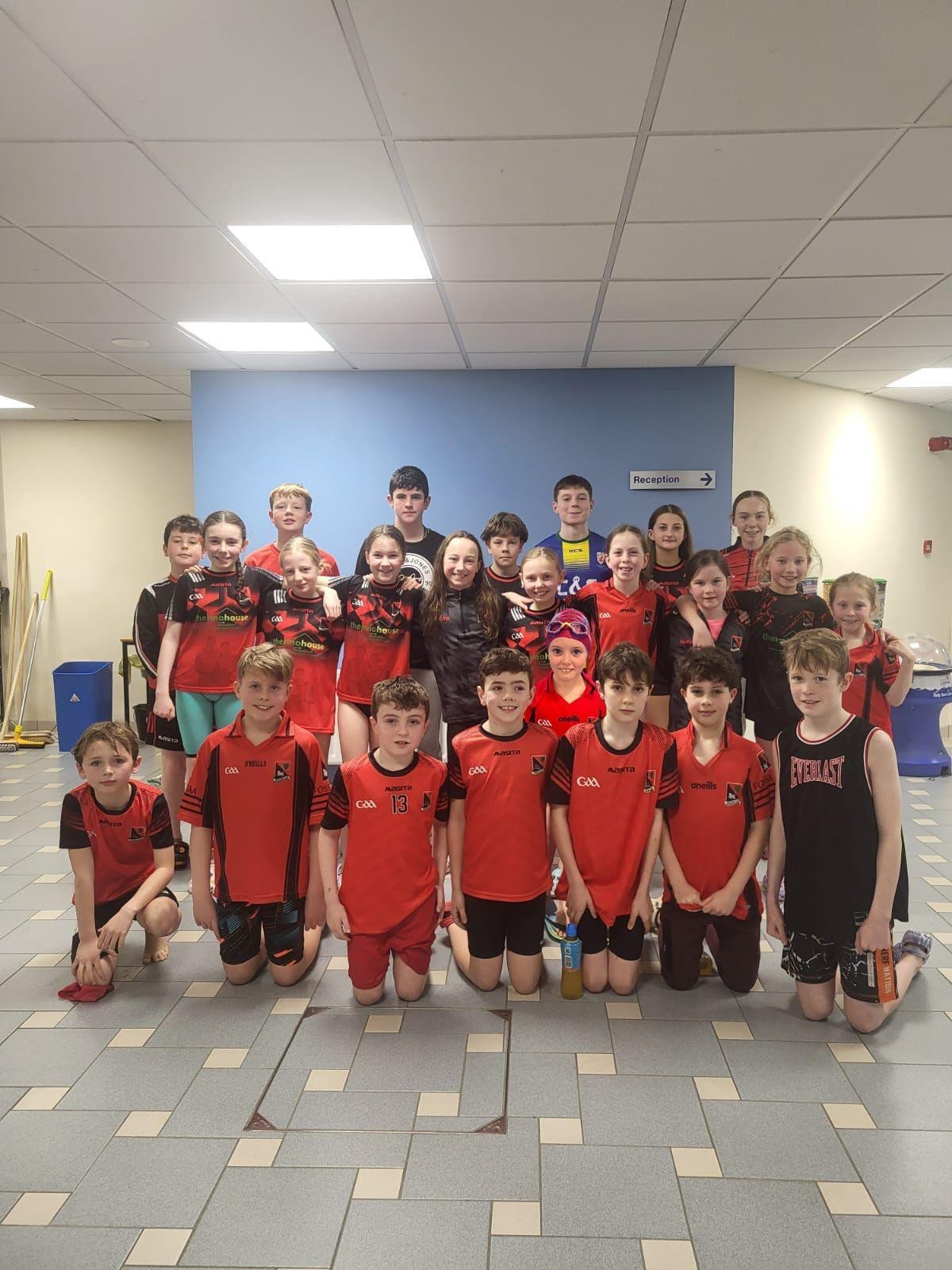
Fossa Swimmers make a splash at County Finals
The Fossa Swim team pictured at the Tralee Sports Complex following their successful outing at the County Finals of the Community Games on Sunday, February 15. The 25-strong squad delivered […]

News
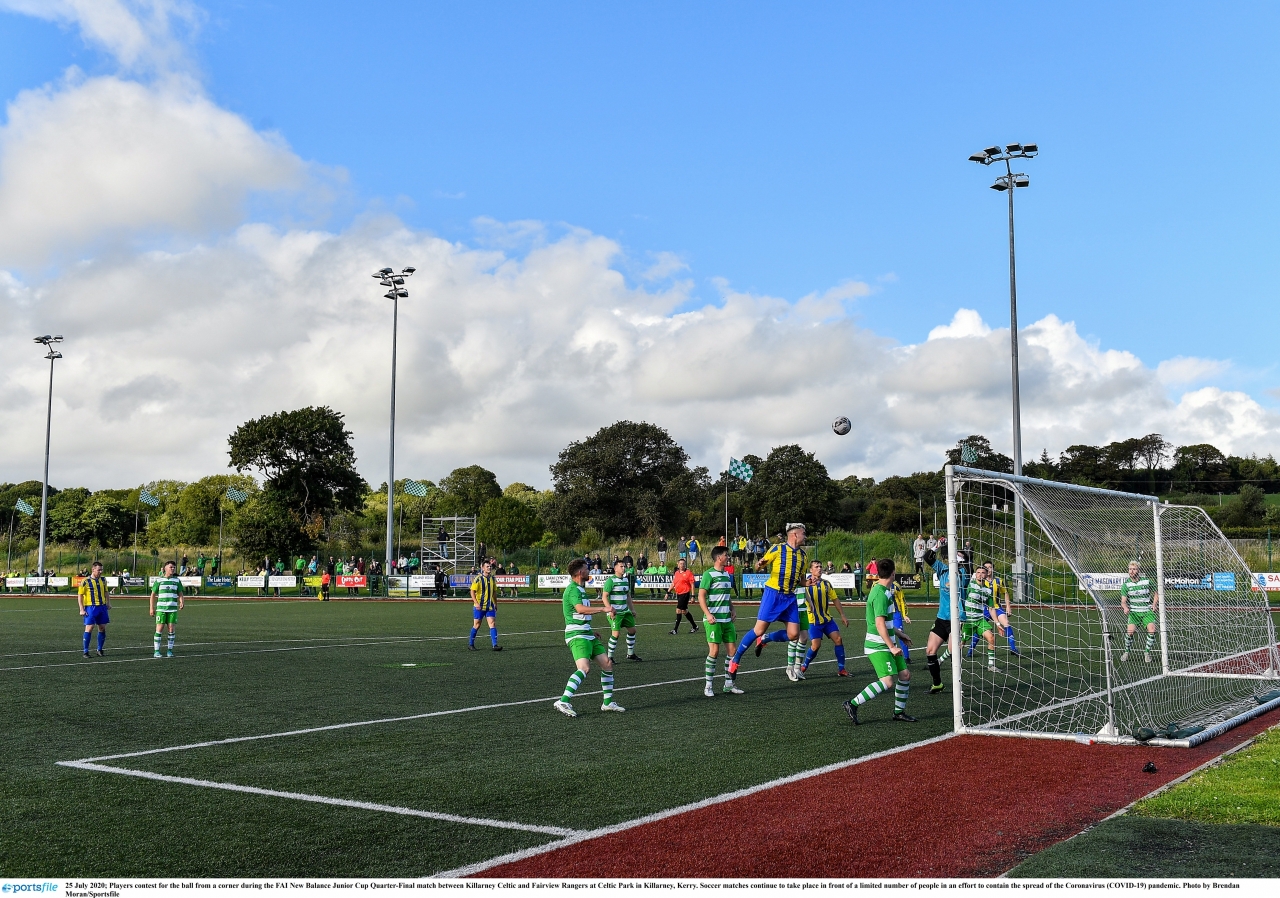
On the Ball Part 2 of the Mikey Daly Interview
Éamonn Fitzgerald EF: Killarney Celtic are invited to participate in an Irish competition. That has big financial implications for travel, meals, etc. MD: It is great to be invited, showing […]

St Brendan’s College: Voices from the Halls
Interview conducted by Aodhagán Ó Súilleabháin, Cormac Flanagan, and Ryan Twomey. Name: Kieran O’Leary – Entrepreneur and Killarney businessman.Year of...


Official launch of the Assess Ireland Rally of the Lakes set for April 11
The official launch of the 2026 Assess Ireland Rally of the Lakes will take place at Gleneagle Hotel on Saturday,...


Aghadoe native spearheads Darkness Into Light in London
In the absence of a local flagship event this year, one Aghadoe woman is ensuring the Killarney flag flies high...

Killarney co-drivers lead the charge for Circuit of Ireland
The NAPA Auto Parts Irish Tarmac Rally Championship heads to Dungannon this Easter weekend for the Circuit of Ireland, with...
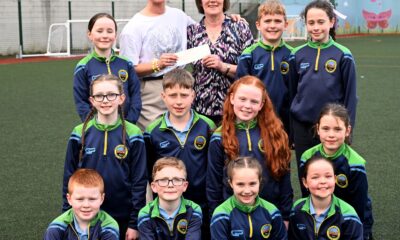

SUPPORTING LOCAL EDUCATION
SUPPORTING LOCAL EDUCATION Karen Buckley, representing the Loughguittane National School Parents Council, accepts the proceeds of the Fossa Two Mile...
