
Sport
Opinion: Talk of sacrosanct jerseys and an apolitical GAA just doesn’t ring true


by Adam Moynihan
The GAA recently refused the Mayo footballers’ request to wear rainbow-coloured numbers on their jerseys in the 2023 National League. The Association reportedly told the Mayo county board that playing gear is “sacrosanct”.
Let’s be honest: that’s not strictly true. In 2021, sleeve sponsors were given the green light, to add to the chest and upper back sponsors that already appear on many counties’ shirts.
Four branded areas on a jersey. That’s more than the Premier League allow, and the Premier League is regarded as one of the most money-hungry sporting bodies on the planet. I suppose everything is sacred until there’s money on the table.
The GAA’s response to Mayo and their charity partner Mindspace Mayo, who came up with the idea, has drawn a mixed reaction. Some have claimed that it’s a missed opportunity, but the ‘keep politics out of sport’ brigade are also out in force. That’s one argument I just can’t get on board with in general and it rings especially hollow in the world of Gaelic games.
Sports and politics have always been intertwined and the GAA is no different. The very foundation of the GAA was a political statement of sorts, an act of patriotism under British imperial rule. These strong ties between our national games and our nation’s political history are regularly highlighted by the Association itself and by stakeholders within it. In recent years, several teams, including the Cork footballers and hurlers, have worn jerseys commemorating Irish political figures.
O’Neills, the GAA’s primary kit supplier, sell Michael Collins-themed GAA shirts as well as 1916 jerseys with images of the post-Rising GPO on the front and Poblacht na hÉireann on the back.
Leaving all that to one side, it’s also worth pointing out that the Mayo footballers were not trying to make a political statement anyway. The aim of such projects is to make members of LGBTQ+ community feel welcome and to raise awareness around inclusivity, diversity and discrimination. We’re talking about human rights and basic human decency here, not politics.
There are those who say discrimination isn’t a problem in the GAA, that everyone is welcome already. If that is the case then why are there no openly gay intercounty players? It’s very likely that they do exist, and it’s also very likely that they’re worried about how they will be received if they come out. One of the top teams deciding to wear rainbow numbers might seem like a small gesture - I've seen plenty of people claiming that it would be meaningless - but doing so might provide reassurance to a gay player or supporter who is struggling with their sexuality. Would that not make it worthwhile?
Of course, whenever someone tries to do something positive in the name of inclusion, the term “virtue signalling” is inevitably thrown out there. This week, it’s the Mayo footballers’ turn to bear the brunt of it.
Funnily enough, the people who tend to use this term are often saying more about themselves than the people they’re targeting. In their own minds, when they see a person speaking up for a group that is less privileged, the only possible explanation they can come up with is that the person in question is seeking praise.
It’s a pretty narrow way of viewing the world but unfortunately that’s just how some people’s minds are shaped.
In defence of the GAA, they have not issued a blanket ban on rainbow colours. Thankfully this isn’t the Qatar World Cup we’re talking about. In the 2020 All-Ireland semi-final, players from Mayo and Tipperary, along with referee David Gough and his officials, participated in the Rainbow Laces campaign. It is understood that the GAA don’t have an issue with laces or armbands being worn in solidarity with the LGBTQ+ community.
The only slight problem is that the Rainbow Laces campaign tends to run towards the end of the calendar year which suits the Premier League, for example, but not the GAA as the intercounty season ends much earlier. (2020 was an exception due to the pandemic.)
Of course, there’s nothing stopping the GPA and the GAA from coming together and organising their own campaign, if they want to.
It’s one thing saying that everyone is welcome and that the GAA is where we all belong. It’s another thing showing it.
News
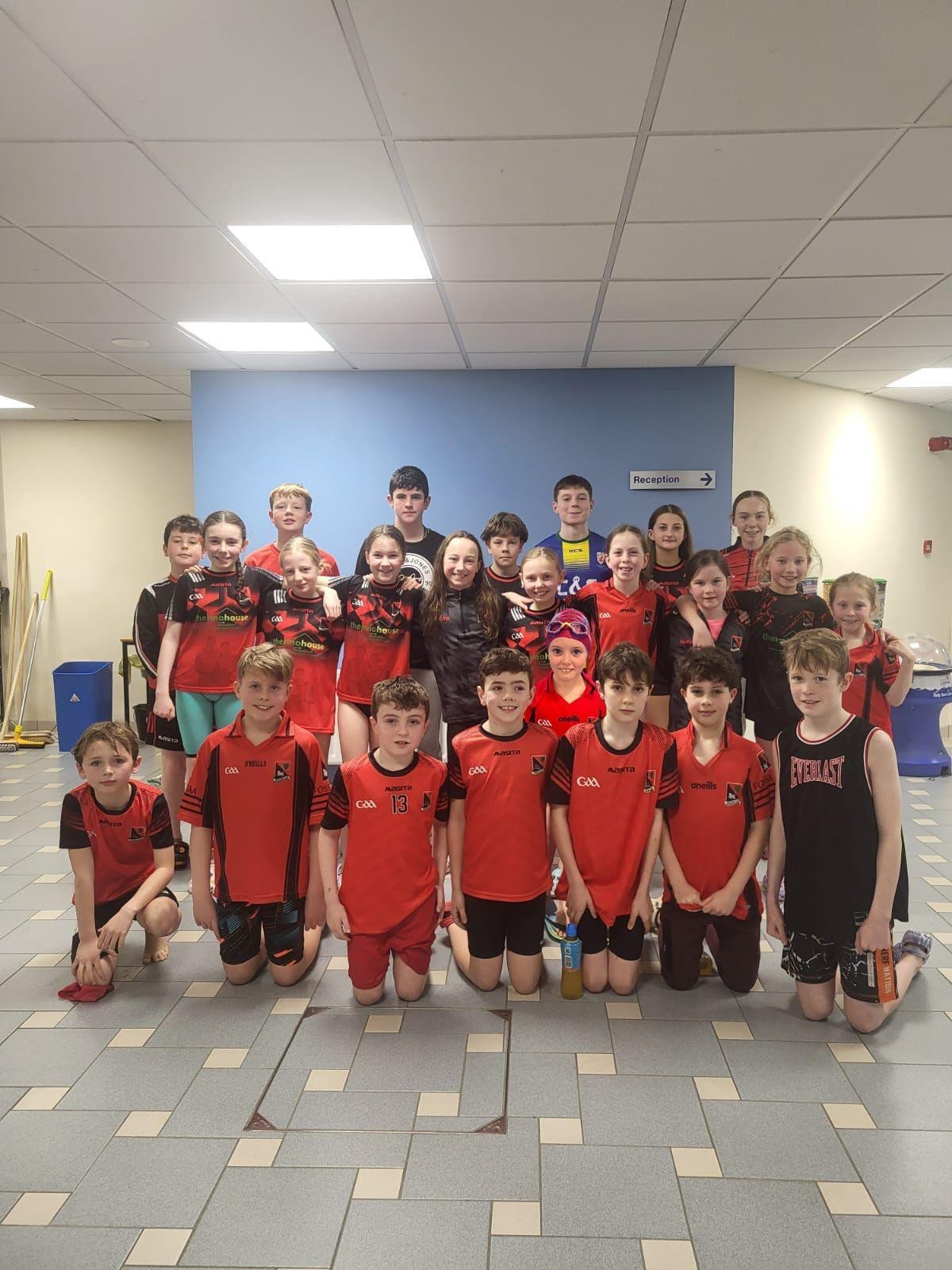
Fossa Swimmers make a splash at County Finals
The Fossa Swim team pictured at the Tralee Sports Complex following their successful outing at the County Finals of the Community Games on Sunday, February 15. The 25-strong squad delivered […]

News
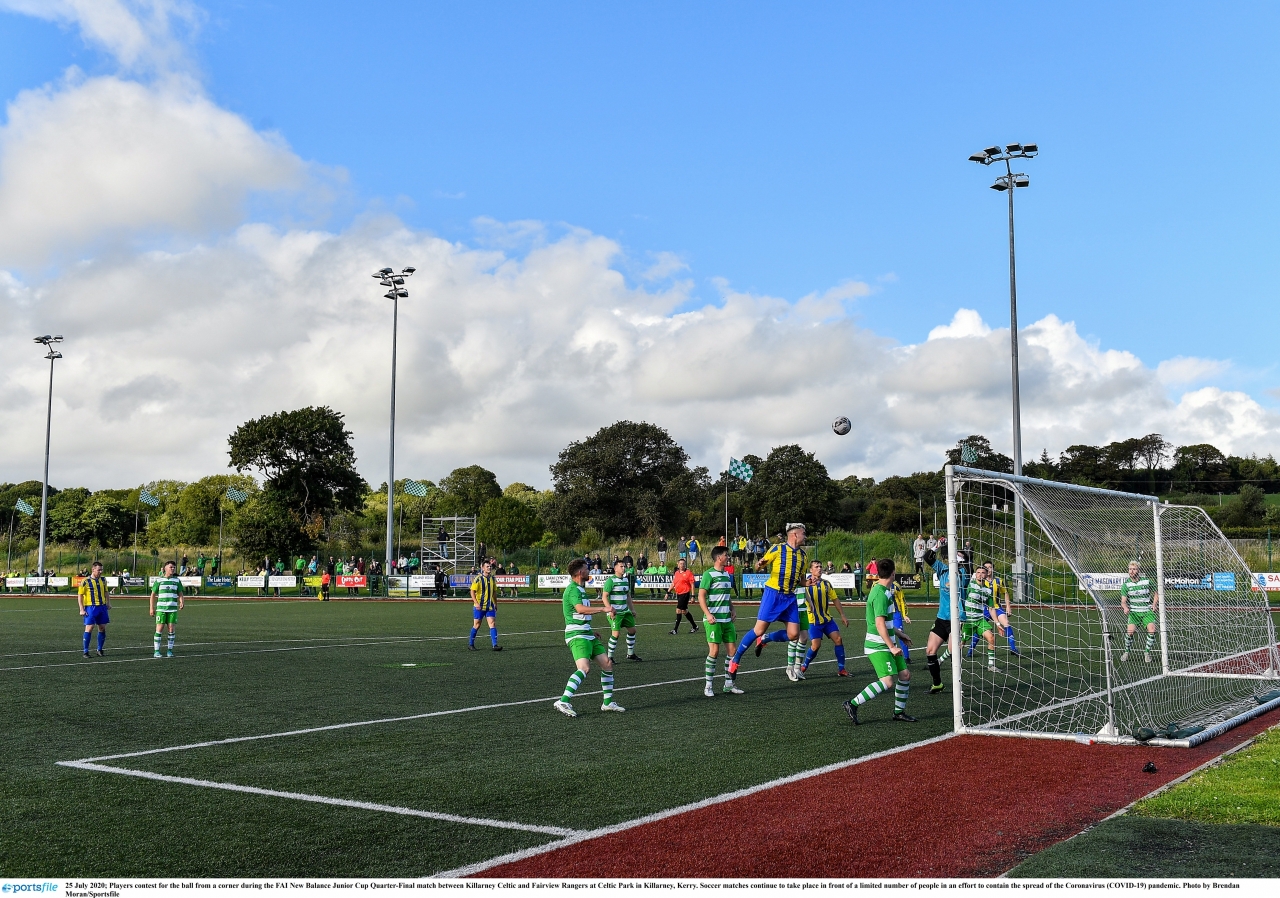
On the Ball Part 2 of the Mikey Daly Interview
Éamonn Fitzgerald EF: Killarney Celtic are invited to participate in an Irish competition. That has big financial implications for travel, meals, etc. MD: It is great to be invited, showing […]

Powerful photo display at St Mary’s brings Ukraine conflict home
A unique photo exhibition has been installed on the railings outside St Mary’s Church of Ireland in Killarney town centre,...


Beaufort Engineer honoured with national emerging leader award
Beaufort Engineer honoured with national emerging leader award Beaufort native Danny Pio Murphy has been named the recipient of the...

Pickleball Club’s record medal haul at Munster Open
Pickleball Club’s record medal haul at Munster Open Killarney Pickleball Club celebrated its most successful outing to date at the...


Women’s Shed to Host Charity Auction for Typhoon Victims
The Killarney Women’s Shed has teamed up with local nurse Chandra Arias to host a major charity auction of upcycled...


Killarney hosts 88th annual Irish Hotels Federation Conference
Hoteliers from across the country gathered at the Gleneagle Hotel this week for the Irish Hotels Federation’s (IHF) 88th Annual...
