
Sport
McGrath Cup form indicates that Kerry have plenty of work to do


Adam Moynihan analyses Kerry’s performances in the McGrath Cup and looks ahead to their prospects for the National League
Kerry fans knew that this year was going to be tougher than last year and the opening couple of weeks of 2023 have really hammered that point home.
2022 was as close to perfection as you could hope for. 16 games. Three goals conceded. One defeat. Four trophies (including the only one that really matters). It would be a huge ask to replicate all those achievements in consecutive seasons, especially considering the busy “off-season” the players had in between.
The McGrath Cup is a pre-season tournament so the results themselves are of little importance. That being said, the manner of the Cork defeat in the opening round was a little unsettling - and not just because losing to Cork has a naturally unsettling effect.
The far fitter and hungrier hosts carved Kerry up and ran in five goals in a 12-point massacre. They could have scored seven or eight goals so rampant was their attack, and so sluggish was Kerry’s new-look defence. By January 4, Kerry had already coughed up more goals than they did in the entirety of 2022.
The way they started the Clare match in Tralee on Sunday last was also pretty disappointing. Clare raced into a 4-0 lead in the opening 10 minutes as Jack O’Connor’s side faltered in attack. They had at least six turnovers - most of them sloppy unforced errors - while failing to muster a single shot at the posts.
It appears as though the team's conditioning is miles off their own high standards at this early stage of the season. Whenever the likes of Seán Powter ran at them at pace in Páirc Uí Rinn, or when speedy Clare corner backs Manus Doherty and Ronan Lanigan did likewise in Austin Stack Park, the Kerry players just didn’t have that sharpness or that power in the legs to stay with them.
The reality is that between all the jigs and the reels, they simply haven’t had the opportunity to put in the necessary work just yet. And given how early it is in the year, that shouldn't be giving Kerry fans palpitations.
UNDERSTRENGTH
Obviously the fact that the reigning All-Ireland champions are massively understrength should not be overlooked. Kerry were missing the club-tied sextet of David Clifford, Paudie Clifford, David Moran, Jack Savage, Paul Murphy and Shane Ryan for both matches. Gavin White, Seán O’Shea, Stephen O’Brien and Paul Geaney were absent too.
Graham O’Sullivan and Brian Ó Beaglaoich participated in the warm-up at Stack Park but Arthur Fitzgerald had them doing additional runs while their teammates were making their final preparations in the dressing room. This indicates that they are slightly further behind the rest in their attempts to get match fit.
Midfield appears to be an issue as we head towards the start of the league, especially now that Diarmuid O’Connor could be set for a period in the treatment room. The 23-year-old Tralee man injured his ankle in the first half against Clare and he later returned to the dugout on crutches. A scan will reveal the full extent of that one.
Joe O’Connor is a loss as well. Last year’s joint captain is expected to miss the intercounty season after picking up an ACL injury on club duty.
To be frank, Kerry were cleaned out at midfield against Cork. They found it very hard to win primary possession and Colm O’Callaghan had the run of the place, scoring 2-4 from play.
They tried out a few options against Clare but, worryingly, Kerry’s best midfielder on Sunday wasn’t playing for Kerry at all. David Moran gave an exhibition of high fielding in the blue of Kerins O’Rahillys as they unfortunately came up short against Kilmacud Crokes in Croke Park.
I say “worryingly” because the 34-year-old could well retire from intercounty football in the coming days or weeks. It’s not set in stone by any means – he might do another year - but the veteran will make a decision on the matter now that Rahillys’ involvement in the Club Championship has ended.
Despite his age, his injury history and his relative lack of mobility in relation to other candidates for centre field, Moran is clearly still Kerry’s best ball-winning midfielder. No other player gives Kerry a truly dependable "out" when their opponents push up on their kickout.
With that in mind, Jack O’Connor may yet convince him to stay on for one more cut.
Even if he does stay on, though, it's unlikely that he'll see much action in the early stages of the league. He will need a period of rest after a long season with Strand Road.
So, whatever happens with Moran, Kerry will need new blood in this department. Can Barry Dan O’Sullivan, Stefan Okunbor or Ronan Buckley step up and stake a claim for the championship?
O'Sullivan has shown glimpses of the physicality that earned him a call-up and Buckley broke forward and kicked an important score against Clare. We haven't seen too much from Okunbor so far; he may need more minutes before he finds his feet.
POSITIVES
Although Kerry failed to advance to the final, the McGrath Cup wasn’t all doom and gloom.
The nature of the comeback victory over Clare was positive considering the brutal start and difficult conditions.
Of the newcomers to the panel, Barry Mahony of St Senan's and Feale Rangers has been a joy to watch. Operating between the opposition 45 and 65, he sprays passes around like a prime Xabi Alonso.
A lot of ball has been going through the hands of Tony Brosnan too, which suits him. He’s playing well as a result. Darragh Roche, the match-winner against Clare, has also emerged from the McGrath Cup with a lot of credit to his name.
It’s also good to see Mike Breen back in green and gold following that nasty hamstring injury that ruled him out of the 2022 campaign. As evidenced by his impressive debut season in 2021, the strong half back from Beaufort is built for intercounty football.
Broadly speaking there is no massive cause for concern but it must be said that Kerry's National League fixtures looked difficult as soon as they were set. Away matches against Donegal, Mayo, Tyrone and Galway await. That Donegal match in Ballybofey on January 29 will be The Kingdom's first competitive outing of the year.
With the Cliffords expected to be rested for a period after Sunday’s All-Ireland Junior Club final, and with key players O’Shea and White currently out, only a foolhardy follower would back Kerry to retain their Division 1 title.
The calendar has a new look to it again in 2023 but we could well see Kerry adopting a strategy of old. Use the league as an extended pre-season and try to peak in time for the serious business of the championship.
News
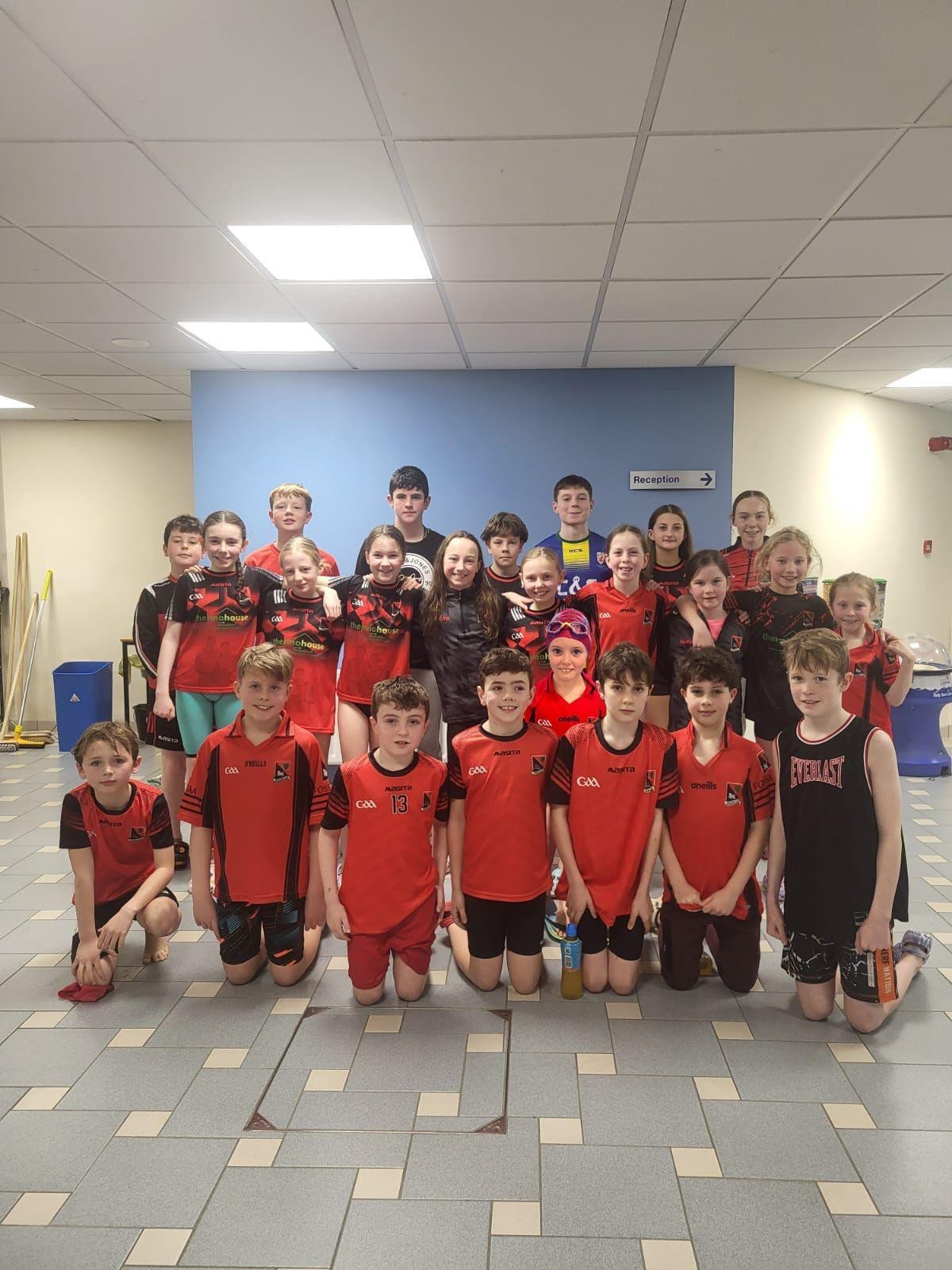
Fossa Swimmers make a splash at County Finals
The Fossa Swim team pictured at the Tralee Sports Complex following their successful outing at the County Finals of the Community Games on Sunday, February 15. The 25-strong squad delivered […]

News
On the Ball Part 2 of the Mikey Daly Interview
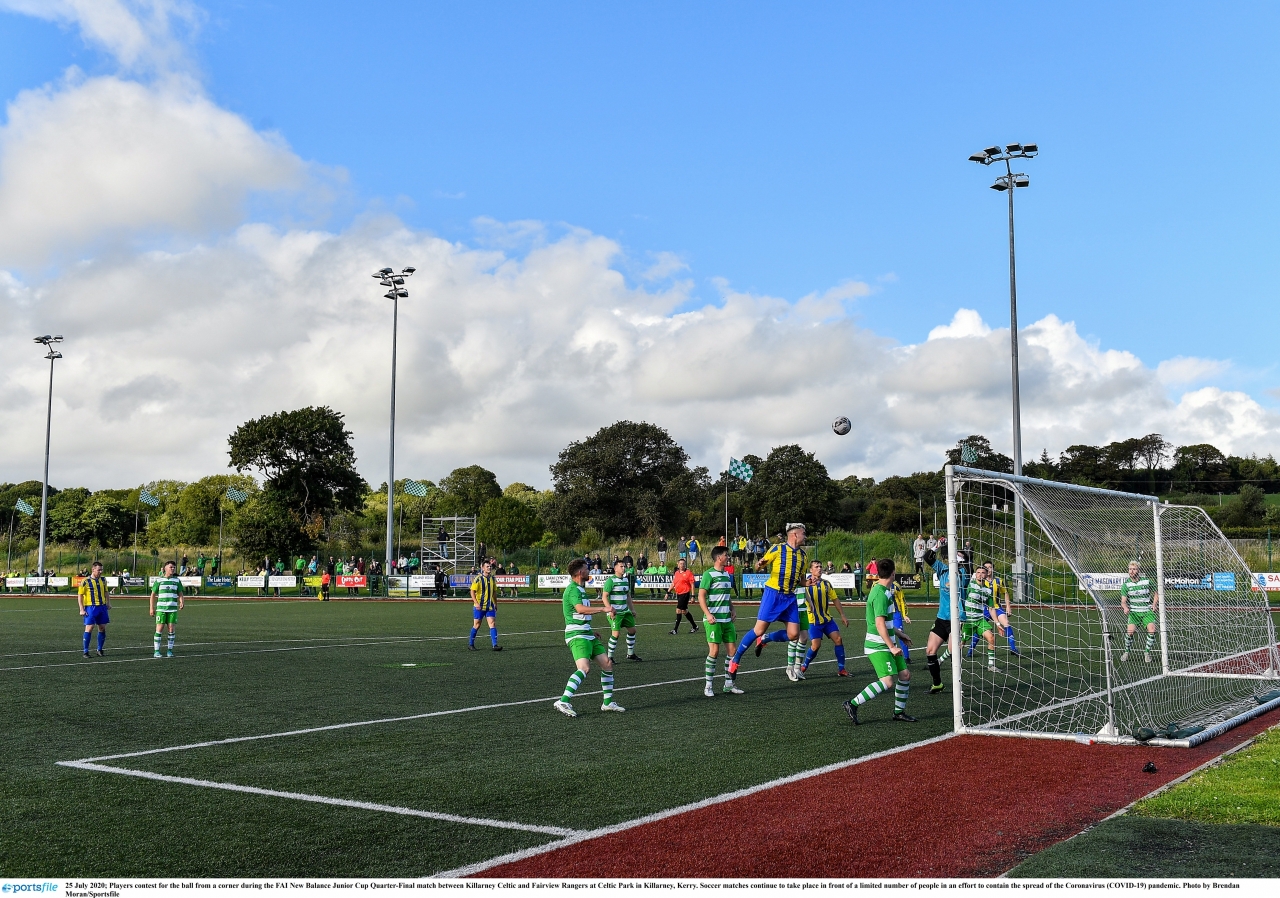
Éamonn Fitzgerald EF: Killarney Celtic are invited to participate in an Irish competition. That has big financial implications for travel, meals, etc. MD: It is great to be invited, showing […]

Paralympic legend Jason Smyth visits St Brendan’s
Paralympic legend Jason Smyth visits St Brendan’s World renowned Paralympian and world record holder Jason Smyth paid a visit to...


Deerpark Retail Park placed on market for fifteen million euro
Deerpark Retail Park in Killarney has officially been placed on the market with a guide price in excess of 15.4...


Killarney Racecourse to host first professional festive pantomime
Killarney Racecourse to host first professional festive pantomime A classic fairytale is set to receive a distinct Kerry makeover this festive...


Kerry artist explores identity at ANAM
Kerry artist explores identity at ANAM Kerry artist Felix Power is inviting the Killarney community to explore personal ideas of...


Town encouraged to wear bright colours for Kevin
Town encouraged to wear bright colours for Kevin The town of Killarney was encouraged to wear its brightest colours this...
