
Sport
Jack O’Connor’s Kerry squad is looking deeper and stronger (but the proof will be in the eating)


As we reach the midway point of the 2025 season, Adam Moynihan takes a close look at Kerry’s strength in depth
As the Kerry players, management team and backroom staff huddled together for a photo with the Mícheál Ó Muircheartaigh Cup in front of the Hogan Stand, one of the photographers raised his fist in the air, trying to illicit something resembling a celebratory scene. No joy.
Victory over Mayo had been secured in convincing enough fashion but winning the league has never been grounds for buoyant celebrations as far as Kerry are concerned. Retaining Division 1 status and unearthing some new talent is generally enough to tick the springtime box ahead of the serious business of the championship. Once that has been achieved, anything else is gravy.
Going by the disappointing loss to Armagh in last year’s All-Ireland semi-final, the need for new blood was especially great heading into the 2025 season. The team faded badly down the stretch and into extra time against the Orchard County with overdependence on core players glaringly obvious. It wasn’t the only reason they lost but Kerry simply didn’t get enough from their supporting cast on the day.
With that in mind, Jack O’Connor knew he had to work on the depth of his squad during this league campaign, and you’d have to say he made a pretty good fist of it.
Starting in goal, the situation here is clear with Shane Murphy providing back-up to Shane Ryan.
Moving out the field, in recent years Kerry have generally gone with Jason Foley at full back, Tom O’Sullivan at left corner back, and one of Paul Murphy or Graham O’Sullivan at right corner back.
After making his debut in the league in 2024, Damien Bourke has emerged as a genuine right corner back alternative with some strong performances that have vastly enhanced his reputation. Not many Kerry players came out of the Dublin defeat with extra credit to their name but Bourke was brave and tenacious, bursting out of defence and using the ball wisely. He was replaced as a starter by the experienced Murphy in later rounds but the Tralee man capped his league with a goal off the bench against Galway in Salthill.
Dylan Casey also got extended game time in the absence of Tom O’Sullivan and he acquitted himself professionally. He has a solid head on his shoulders and you get the impression that Jack O’Connor would now be comfortable throwing him into any given situation without hesitation.
The versatile Graham O’Sullivan is also an option at corner back and it looks like he’ll need to slot in somewhere other than his natural position of half back as Brian Ó Beaglaoich and Gavin White are nailed on starters at 5 and 7. O’Sullivan lined out at half forward against Galway and Mayo, underlining his flexibility and importance to the team.
There could be a changing of the guard taking place at centre back with Mike Breen seemingly shaking off the injury woes that have held back his progress with Kerry to date. With regular number 6 Tadhg Morley unavailable for selection for most of the league, Breen slotted seamlessly into that crucial central role, and he looked really confident against Mayo on Sunday. As things stand, Morley will be doing well to displace Breen but either way Kerry should have two good centre back options heading into the summer months.
Midfield has been a head scratcher for Kerry for a number of years but in Diarmuid O’Connor and Joe O’Connor they appear to have found a winning combination. Diarmuid was playing the best football of his career up to his injury against Armagh in Round 6 so getting his shoulder right for championship is of paramount importance to Kerry’s chances.
Joe is a guaranteed starter too but his assured display at wing forward against Armagh was interesting in that it opens the door for a third midfielder to start. Seán O’Brien and Barry Dan O’Sullivan both applied themselves admirably when called upon in the league and the manager should feel like he can trust them more now than he did 12 months ago.
Joe O’Connor’s arrival as a half forward candidate has improved Kerry’s options to the extent that it’s difficult to predict how they will line out from 10 to 12 in the Munster Championship. Micheál Burns has done quite well upon his reintroduction to the team after being dropped from the panel in 2024, and Paudie Clifford is looking sharp at centre forward. Tony Brosnan and Dylan Geaney are options along this line too, although Dylan has been operating as a withdrawn inside forward to date – a role Tony is also capable of playing.
Of course, Seánie O’Shea will have to fit in somewhere in this department when he fully recuperates from his knee ligament injury, so it will be interesting to see how Jack O’Connor works this conundrum out. File under ‘good problems’.
Dara Moynihan is still recovering from a hip injury and has not yet featured in 2025. He would naturally be an option at 10 if he can get back up to speed. Meanwhile, Darragh Lyne, Ruairí Murphy and Cathal Ó Beaglaoich all featured at half forward in the league.
David Clifford and Paul Geaney will play at 13 and 14 with Dylan Geaney in pole position to start at 15 on the back of a really good run of form, perhaps excepting the league final in which he was relatively quiet. Tony Brosnan is a prime candidate to challenge Dylan for that spot; the Dr Crokes player has kicked some fantastic scores in each of his last three appearances as a substitute.
As for out-and-out inside forwards, Conor Geaney and Killian Spillane are likely to be used as impact subs.
All told Kerry do appear to have better depth than they had last year, particularly with the emergence of second season players like Bourke, O’Brien and Dylan Geaney as legitimate options, and with Breen beginning to fulfil his potential. Burns’ comeback and Joe O’Connor’s newfound ability to play the 12 position also help.
As always, though, the proof will be in the eating. We will have to wait for the suffocating heat of do-or-die championship matches to find out if this squad is as deep and dependable as it looks on paper.
News
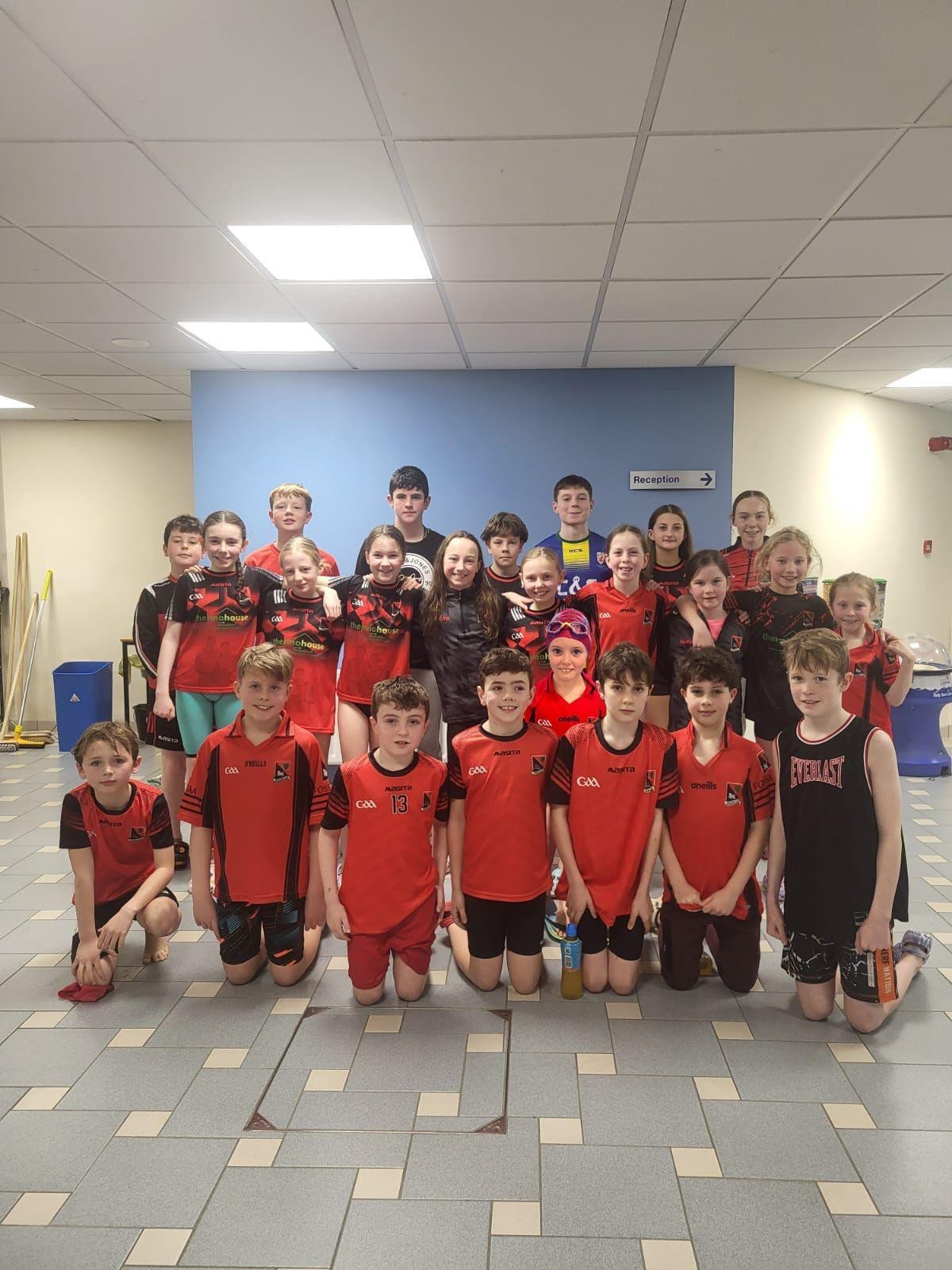
Fossa Swimmers make a splash at County Finals
The Fossa Swim team pictured at the Tralee Sports Complex following their successful outing at the County Finals of the Community Games on Sunday, February 15. The 25-strong squad delivered […]

News
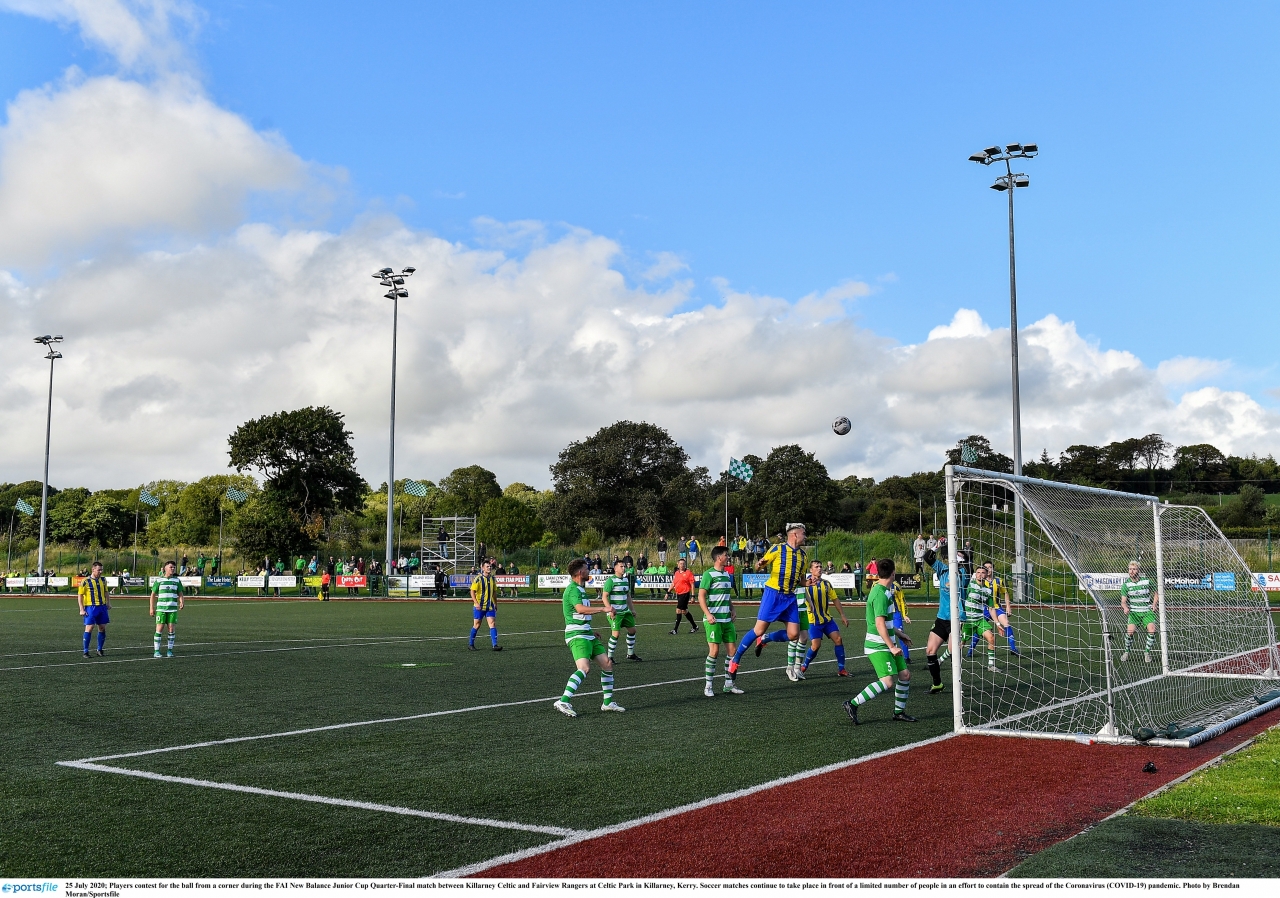
On the Ball Part 2 of the Mikey Daly Interview
Éamonn Fitzgerald EF: Killarney Celtic are invited to participate in an Irish competition. That has big financial implications for travel, meals, etc. MD: It is great to be invited, showing […]

Cllrs demand meeting with HSE property officials
Killarney councillors are seeking an urgent face-to-face meeting with the HSE to prevent the town’s health infrastructure from falling into...


Maggie’s Montessori supports National Pyjama Day
The usual morning routine was swapped for slippers and dressing gowns at Maggie’s Montessori last Friday as the children took...


Incredible value at Paco warehouse clearance
Paco Clothing is to open a second shop at the Killarney Outlet Centre for March and April – and the...


Tourism Ireland CEO Outlines Global Strategy at KTIF Tourism Day
The CEO of Tourism Ireland, Alice Mansergh, was in Killarney on Tuesday of this week to address tourism leaders from...


Kerry Stars honours the Late Vincent Lacke with Memorial Tournament
The second annual Vincent Lacke Memorial Soccer Tournament took place on Sunday at the Killarney Sports and Leisure Centre. Organised...
