
Sport
‘Genuine and likeable’ McLoughlin fondly remembered in Killarney


VISIT: Alan McLoughlin is presented with a Killarney Athletic jersey by club stalwart Mikey O'Sullivan during the inaugural FAI Summer Camp at the Áras Phádraig in 1992.
In August of 1992, Ireland international Alan McLoughlin spent a week in Killarney as part of the first ever FAI Summer Soccer Camps, which were organised in this town in conjunction with Killarney Athletic. Over the course of his stay, the Portsmouth player coached a group of local youngsters at the old Áras Phádraig pitch on Lewis Road.
Long-serving Athletic chairman Mikey O’Sullivan liaised with McLoughlin throughout his visit and so impressed was he with the Mancunian’s work on the training pitch, he suggested that a career in coaching lay ahead for the then-25-year-old. McLoughlin, who was a bit-part player for Jack Charlton’s side at the time, quipped that he still had something to offer as a player.
Little did he or O’Sullivan know just how significant a contribution to Irish football he would later make.
Fast forward to November of 1993 and a tense and fractious night at Windsor Park in Belfast. Ireland needed a result against Northern Ireland to secure a place at the 1994 World Cup but with time ebbing away, they trailed by a goal to nil. Charlton turned to McLoughlin to come in and make an impact, and what an impact he made. The attacking midfielder controlled Denis Irwin’s half-cleared free kick on his chest before arrowing a beautiful half-volley to the corner of the net, and Ireland were heading for America.
It wasn’t McLoughlin’s only contribution to the Irish team – he was selected for two World Cups and was Ireland’s Player of the Year in 1996 – but it was undoubtedly his most important.
He continued playing for his country until 1999 and he would later fulfil O’Sullivan’s prophecy by taking on a coaching role with Portsmouth.
ILLNESS
McLoughlin was diagnosed with a kidney tumour in 2012. Although he had a successful operation at the time, he confirmed in March of this year that he was battling cancer again. He passed away on Tuesday at the age of 54.
Tributes have poured in for the Irish soccer hero these past few days and speaking to the Killarney Advertiser, Mikey O’Sullivan said he has fond memories of McLoughlin’s time in Killarney.
“I recall meeting Alan at the time as he was an assigned coach to our coaching clinic and he was a very likeable and genuine fellow. He and his wife Debbie, along with their few-months-old baby Abby, stayed in the Gleneagle Hotel for the week.
[caption id="attachment_37480" align="aligncenter" width="670"] Alan McLoughlin is presented with a Killarney Athletic jersey by club stalwart Mikey O'Sullivan during the inaugural FAI Summer Camp at the Áras Phádraig in 1992.[/caption]
“When speaking with Alan he was very proud to be part of the Irish international team and valued his family ties with this country very much. (McLoughlin’s mother hailed from Knockaderry in County Limerick and his father came from Largan, between Headford and Tuam on the Galway/Mayo border.)
“I am sure that I can express condolences to Debbie, Abby and Megan and the wider family at this sad time of their great loss from all of us in Killarney who met Alan through the love and support of soccer.”
McLoughlin will always have a special place in the hearts of Irish soccer fans thanks to that wondergoal in Belfast in ’93 and in his autobiography he acknowledged how significant a moment that was for him personally.
“I occasionally get out the video of that goal against Northern Ireland, watch my volley and watch the elation on my face. I think back to touching down at Dublin airport as the hero of the hour. I think back over my life and career. Serious illness brings with it the inevitable thought of standing at the pearly gates, and accounting for your life. I think back on the characters I've come across, the family members that I have loved and cherished, the joy and pain, I think back to Big Jack telling the cameras that, with the goal, I had justified my existence.
“And I reflect with a wry smile that, yes, when all is said and done, I had done exactly that.”
Main pic: The late Alan McLoughlin, who played 42 times for Ireland between 1990 and 1999. Pic: Brendan Moran/Sportsfile.
News
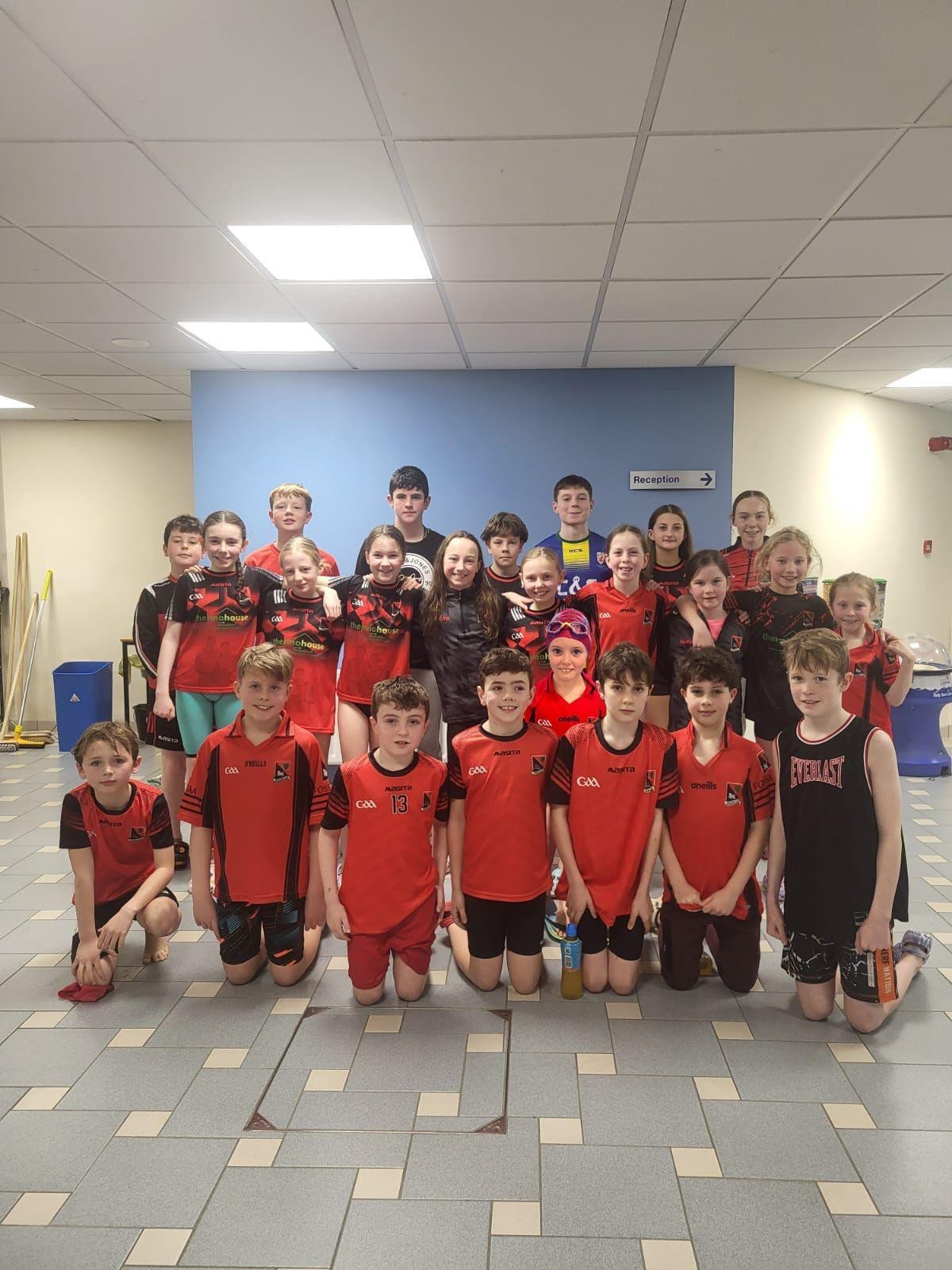
Fossa Swimmers make a splash at County Finals
The Fossa Swim team pictured at the Tralee Sports Complex following their successful outing at the County Finals of the Community Games on Sunday, February 15. The 25-strong squad delivered […]

News
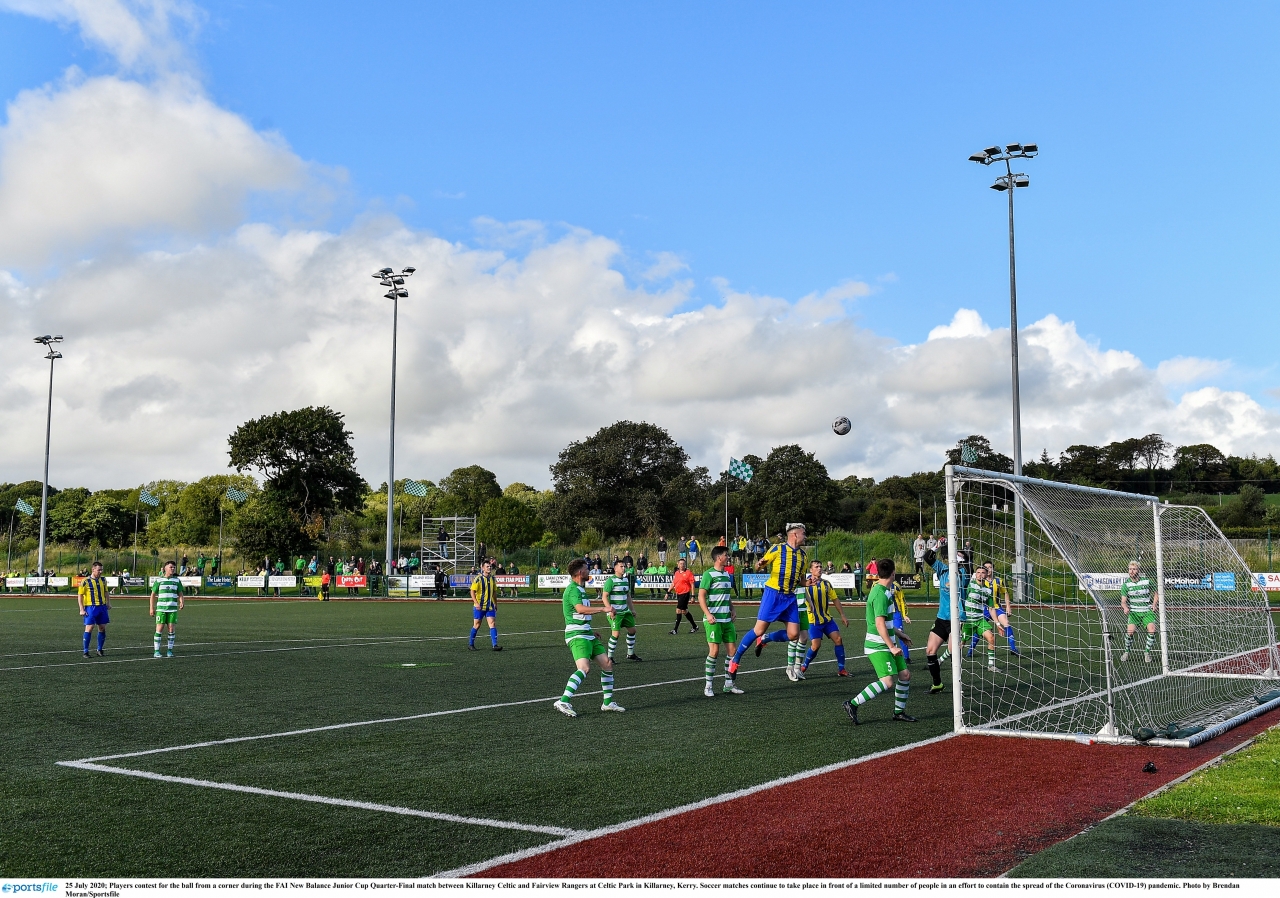
On the Ball Part 2 of the Mikey Daly Interview
Éamonn Fitzgerald EF: Killarney Celtic are invited to participate in an Irish competition. That has big financial implications for travel, meals, etc. MD: It is great to be invited, showing […]


Arbutus Hotel’s 100th anniversary honoured at IHF Conference
The centenary of the historic Arbutus Hotel took centre stage this week at the Irish Hotels Federation (IHF) Annual Conference....

Over €2K raised at Killarney premiere of Hind Rajab film
Killarney for Palestine welcomed over 120 people to The Brehon on Sunday evening for the Kerry premiere of the Oscar-nominated...


Four years on from the Russian invasion of Ukraine, Killarney resident Natalya Krasnenkova shares her experience
When I first arrived at Dublin Airport four years ago, I was handed a small slip of paper. It had...

Top tips at McSweeney’s Cheltenham charity preview night
Racing fans are invited to the McSweeney Arms Hotel on Tuesday, March 3, for an expert preview of the upcoming...


Double award win for Jessie Buckley
Killarney-born actress Jessie Buckley celebrated a historic weekend by securing Lead Actress awards at both the Irish Film and Television...
