
Sport
Despite all the attention, David Clifford remains totally at ease


by Adam Moynihan
It's not something that most of us - the mere mortals of this world - have ever had to worry about, but being double-marked looks like a complete pain in the arse. It's annoying enough having one sticky back breathing on your neck without having another spoilsport blocking your supply lines from the front.
Kerry superstar David Clifford isn't one of us, though, so naturally enough he's enjoying it.
Speaking via Zoom from Croke Park (the Fossa native was there to launch SuperValu's #CommunityIncludesEveryone campaign), Clifford was typically breezy when it came to the topic of rivals doing anything and everything in their power to stop him.
"That’s something we’ve started to come across and will continue to come across," the 23-year-old said when asked about Cork playing two defenders on him in last weekend’s Munster semi-final.
"It’s [about] trying to find solutions, trying to have as many scoring threats as we can. They can’t double-mark everyone, d’you know what I mean?
"It’s obviously tricky and that brings its challenges but trying to find ways around it is enjoyable too."
Clifford is arguably the standout Gaelic football talent of the modern era and witnessing him in full flow must be one of the most joyous experiences in sport. It therefore stands to reason that seeing him getting corralled and penned in by two opponents is one of the most horrid.
Watching him the last day was like watching a lion in a zoo. It’s always cool to see the king of the jungle but keeping him in a cage just doesn’t sit right.
Of course, Cork are perfectly entitled to set up however they want. And for much of the match - the first half in particular - their gameplan worked. Clifford was on the periphery, limited to a single point from play. As the soon-to-be-qualified PE teacher alluded to today, the onus is on Kerry to find other ways to score when they simply cannot get the ball into his hands.
The fact that Kerry’s other forwards scored 0-18 against Cork shows that they are capable of doing it. The fact that Kerry failed to get over the line when Clifford was sidelined for extra time against Tyrone last September shows that they still have a point to prove against the bigger teams.
Clifford was at ease during his 22-minute chat with myself and other print journalists, deftly sidestepping potentially loaded questions like they were hapless defenders clutching at the air around him. A dummy solo past the championship structure debate. A pirouette around the Kerry captaincy issue. A quick turn of pace left my query about the significance of potentially winning this year’s All-Ireland for dead.
He is certainly a lot more comfortable in front of the media now than the David Clifford who burst onto the senior intercounty scene in 2018. Back then, he was wide-eyed and slightly nonplussed by it all. Now, he pretty much has it (us?) all figured out.
But there was still plenty to feed on from today’s briefing. He spoke of his infant son, Óigí, and how becoming a father has put life into perspective for him.
“It’s a change but it’s massively enjoyable. There’s great fun attached to it. It feels like sport is everything and we put everything into it but health and family take a priority."
When asked if seeing his child after a disappointing performance helps, the former MTU Kerry student said that it does. “Óigí doesn’t tend to be too worried about whether we’ve won or not!”
He also spoke about avoiding the hype. Many observers rate him as the best player in the country. Others (including this writer) have publicly stated that he could well be the best they’ve ever seen.
“I haven’t paid too much attention to it, or haven’t seen a whole pile of it,” Clifford insisted. “I’m not on social media really and that’s probably a good thing.”
Perhaps most interesting of all were his insights into his own thought processes. Where does his focus lie? Does he always have football on the brain, or can he switch off?
“I’m just trying to focus on a game-to-game basis. There’s still plenty of stuff to work on.
“Throughout the league you’re just trying to get minutes into the legs, and things come so thick and fast that you don’t have much time to think. The time between the games [during championship] is good to reflect.
“[But] it can be hard to put games to the back of your mind. I’m trying to work on that – to try and be focussed when you need to be focussed and to step away when you need to step away.”
Is there room for improvement in his game?
“Yeah, 100%. Trying to get that consistency of performance is a big focus for me.”
Most would argue that he has been pretty consistent so far in his young career. If he can make improvements in that department, keeping him in his cage might become a three-man job.
News
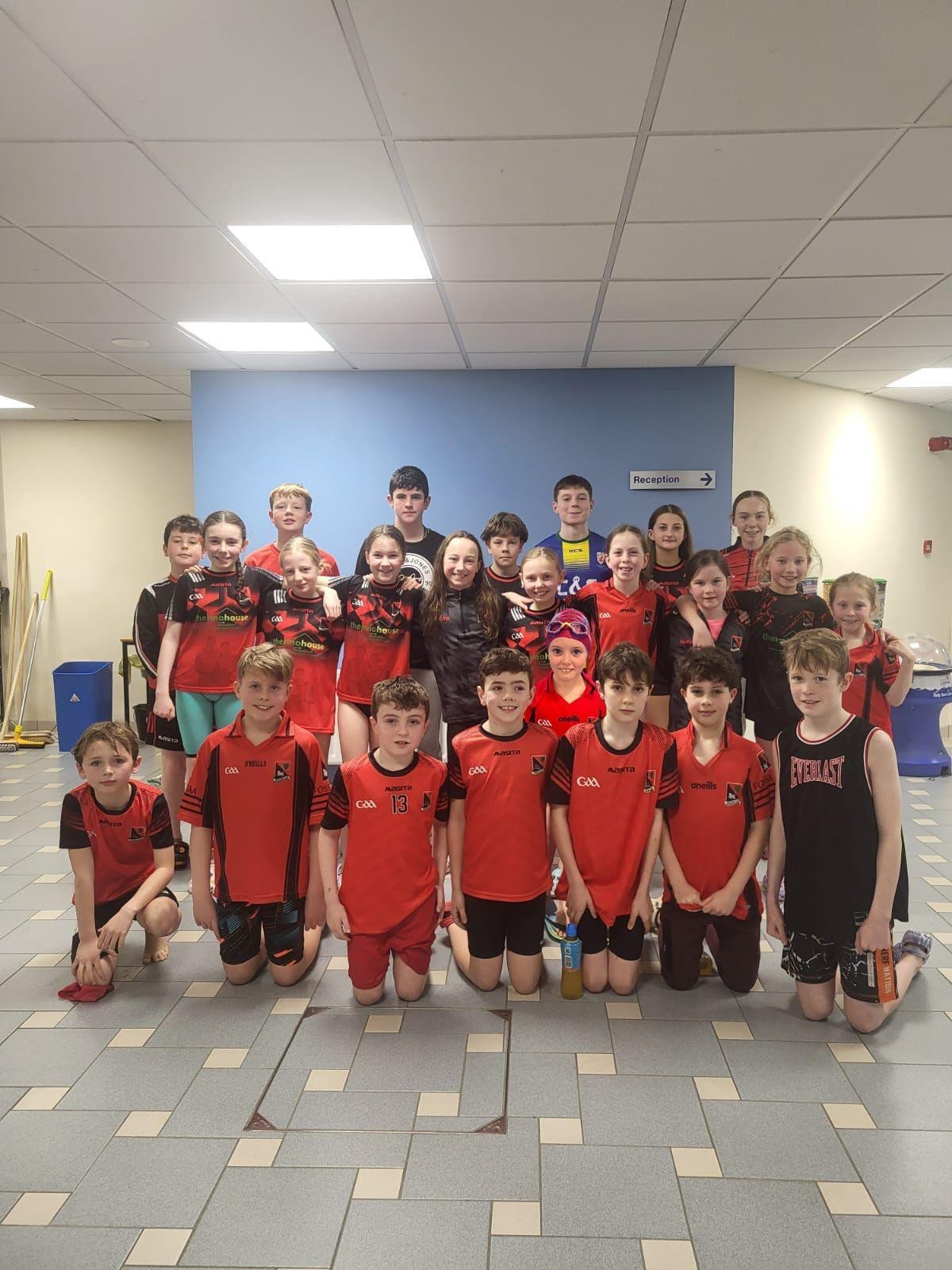
Fossa Swimmers make a splash at County Finals
The Fossa Swim team pictured at the Tralee Sports Complex following their successful outing at the County Finals of the Community Games on Sunday, February 15. The 25-strong squad delivered […]

News
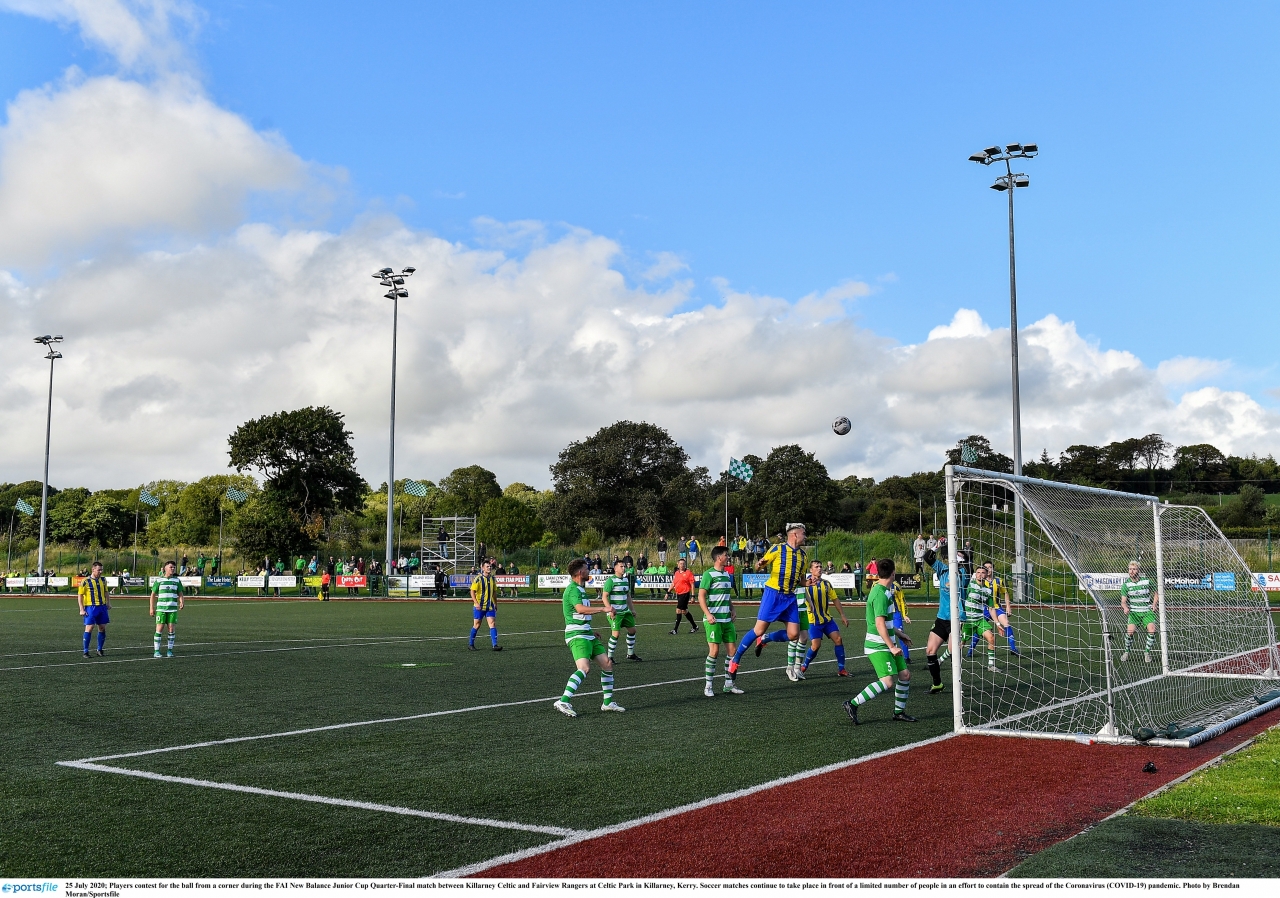
On the Ball Part 2 of the Mikey Daly Interview
Éamonn Fitzgerald EF: Killarney Celtic are invited to participate in an Irish competition. That has big financial implications for travel, meals, etc. MD: It is great to be invited, showing […]

Powerful photo display at St Mary’s brings Ukraine conflict home
A unique photo exhibition has been installed on the railings outside St Mary’s Church of Ireland in Killarney town centre,...


Beaufort Engineer honoured with national emerging leader award
Beaufort Engineer honoured with national emerging leader award Beaufort native Danny Pio Murphy has been named the recipient of the...

Pickleball Club’s record medal haul at Munster Open
Pickleball Club’s record medal haul at Munster Open Killarney Pickleball Club celebrated its most successful outing to date at the...


Women’s Shed to Host Charity Auction for Typhoon Victims
The Killarney Women’s Shed has teamed up with local nurse Chandra Arias to host a major charity auction of upcycled...


Killarney hosts 88th annual Irish Hotels Federation Conference
Hoteliers from across the country gathered at the Gleneagle Hotel this week for the Irish Hotels Federation’s (IHF) 88th Annual...
