
Sport
Cocaine in our clubs: how worried should we be?


by Adam Moynihan
Championship structures and the long overdue merger with the LGFA will grab the headlines but Motion 34 at tomorrow’s GAA Congress also merits examination.
Laois club Rathdowney Errill have suggested that all club players should be required to complete courses on alcohol, gambling and substance abuse. If the motion passes, any player who lines out for their team without taking the requisite courses faces a one-match ban.
Rathdowney Errill chairman Tim Barry told RTÉ’s Marty Morrissey that he has seen young people taking cocaine. "It frightened me,” he said. “I saw the wildness that got into them after using this drug. Then I became aware that this was freely available.”
A few months ago, addiction counsellor and former Limerick hurler Ciarán Carey painted a stark picture. “It’s rippling through most villages and parishes in the country and there aren’t too many clubs where cocaine isn’t alive. I wouldn’t be a bit afraid to say that about all codes; soccer, rugby, GAA or whatever, it’s gone that serious.”
If that is the case, the first question is: why? Why is cocaine prevalent in so many of our sports clubs, even ones far removed from the hustle and bustle of urban life?
AVAILABLE
For starters, it would probably be safe to assume that drugs like cocaine are more readily available in Ireland today than they were, say, 20 years ago. It stands to reason that this is particularly true of rural Ireland.
I have also noticed a blurring of the lines between country and town clubs over the years – young men from the town and young men from the country are culturally and infrastucturally closer than ever before - and this is likely a factor in the spread of drugs in rural settings.
In Ireland in general, attitudes towards recreational drugs are gradually relaxing, and they have been for some time. There is less of a taboo now than there was 10 or 15 years ago, for example, and that trend is likely to continue.
Also, the age profile of teams has changed, particularly in the GAA. It’s a young man’s game these days, and young men are more likely to experiment with illicit drugs than guys in their mid-to-late-thirties.
HEALTH
The second question is: should we be worried? Should we be as frightened as the club chairman in Laois, who was spurred into action by the “wildness” in his neighbours’ eyes?
Health is naturally the primary concern. Abusing any substance is dangerous and the fact that cocaine is unregulated is hugely problematic. If fellas in your local are taking coke, you can be 100% certain that they have no idea where it came from or what exactly is in it. (Whether or not legalising such produce would help is perhaps a topic for another day, and without question one that is beyond my remit as a sportswriter for the Killarney Advertiser.)
There is also the sporting question of whether or not the use of recreational drugs can hinder a player’s performance on the pitch. Again, I’m not an expert, but I don’t think a doctor would contradict me if I suggested that abusing any substance over a period of time will inevitably take its toll.
PRESSURE
As potentially serious as the physical dangers are, they are not more concerning to me than the psychological ones. Personally, I would be worried about the pressure young players are under when they graduate to a senior team environment in which drug use is commonplace.
Let’s say a number of players are taking cocaine on a team night out. If you’re part of the group, it would be difficult to not be aware of it, and even being aware of it makes things awkward. While I don’t believe there would be peer pressure in an explicit, 1980’s anti-drug advert, "what are you, some kind of chicken?" kind of way, there would still be pressure. Everyone wants to fit in. “If some of the lads are taking it, do I need to take it to be one of the lads?”
The reality is that if someone really wants to try it, they will. But if an individual doesn’t want to go down that road, they shouldn’t feel as though they have to.
Courses like the ones suggested by the Rathdowney Errill chairman could be beneficial, but ultimately I think there’s a huge onus on the senior players within the group keep an eye out for their younger teammates. Be open about it. Explain that there’s no expectation for them to partake and it’s not going to change what people think of them. Drugs aren’t for everyone. Be yourself.
Even if they have been exposed to cocaine before they join the senior team - which is possible - the elder statesmen can still have a word.
The biggest problem with vices like cocaine is that you never know how someone is going to take to it. For most people, it’s a phase. For others, it becomes an addiction. The same goes for drinking for that matter, and gambling.
(As an aside, I think there is a degree of hypocrisy in this discussion. People of a certain generation will be appalled at the very notion that someone in their club might take cocaine, but they’ll turn a blind eye to club members who may have issues with alcohol or betting. Legality is a factor here, naturally, but even so. Something being legal doesn’t necessarily make it safe.)
So, yes, education is important. But when it comes down to it, if one of the lads is in trouble, or even in danger of getting themselves into trouble, the leaders in the dressing room should be there to get them out of it. Or at least to point them in the right direction.
After all, isn’t that what teammates are for?
News
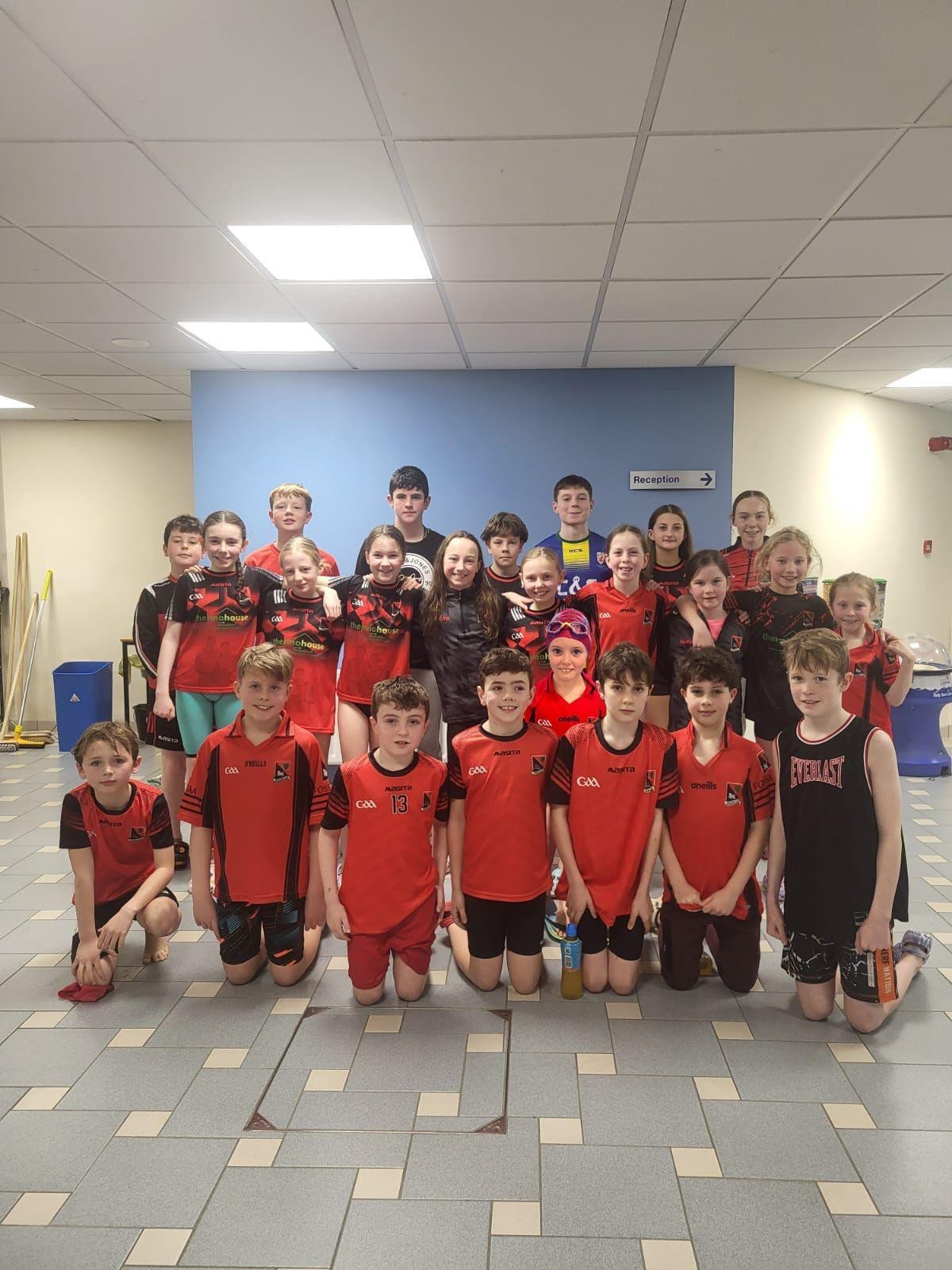
Fossa Swimmers make a splash at County Finals
The Fossa Swim team pictured at the Tralee Sports Complex following their successful outing at the County Finals of the Community Games on Sunday, February 15. The 25-strong squad delivered […]

News
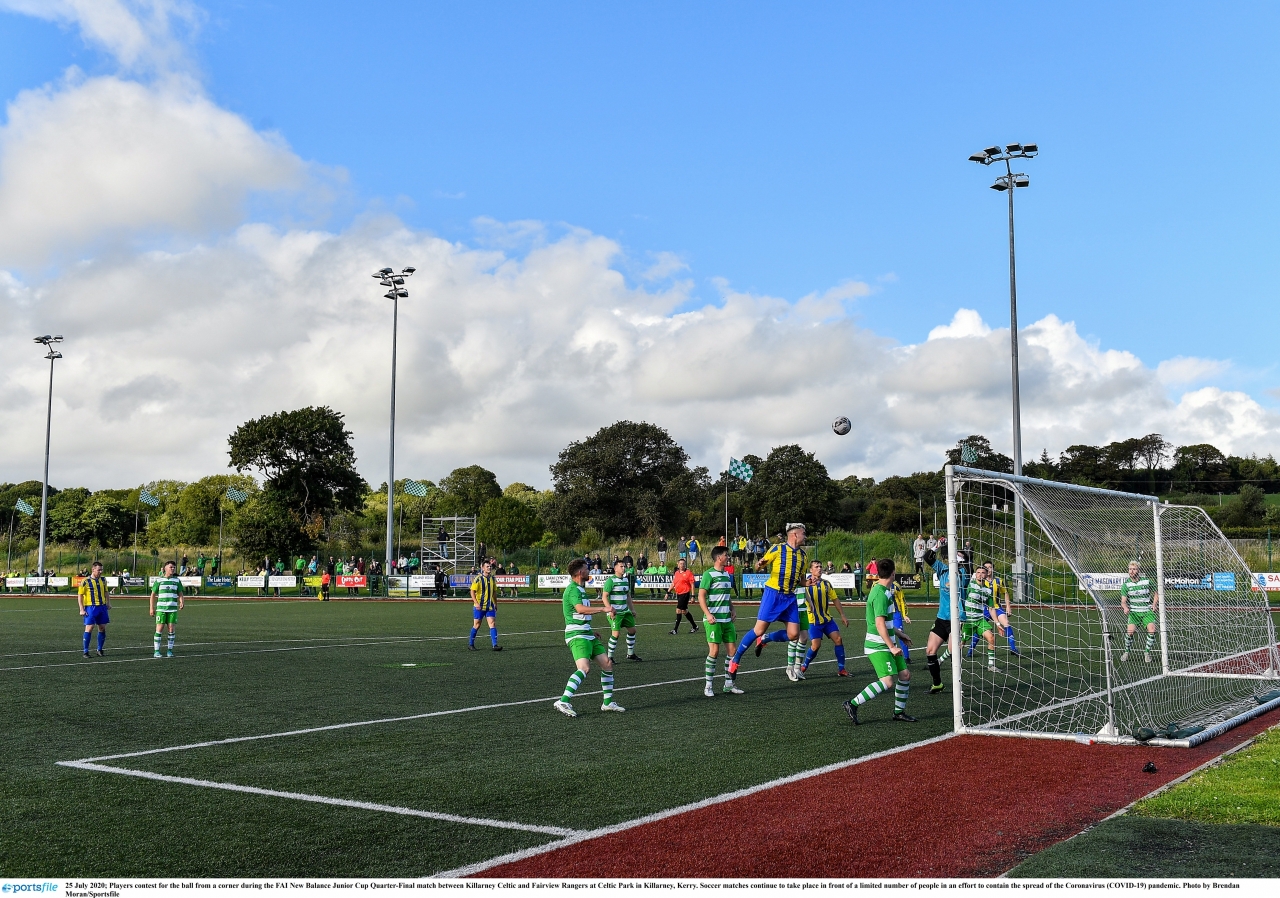
On the Ball Part 2 of the Mikey Daly Interview
Éamonn Fitzgerald EF: Killarney Celtic are invited to participate in an Irish competition. That has big financial implications for travel, meals, etc. MD: It is great to be invited, showing […]


Powerful photo display at St Mary’s brings Ukraine conflict home
A unique photo exhibition has been installed on the railings outside St Mary’s Church of Ireland in Killarney town centre,...


Beaufort Engineer honoured with national emerging leader award
Beaufort Engineer honoured with national emerging leader award Beaufort native Danny Pio Murphy has been named the recipient of the...

Pickleball Club’s record medal haul at Munster Open
Pickleball Club’s record medal haul at Munster Open Killarney Pickleball Club celebrated its most successful outing to date at the...


Women’s Shed to Host Charity Auction for Typhoon Victims
The Killarney Women’s Shed has teamed up with local nurse Chandra Arias to host a major charity auction of upcycled...


Killarney hosts 88th annual Irish Hotels Federation Conference
Hoteliers from across the country gathered at the Gleneagle Hotel this week for the Irish Hotels Federation’s (IHF) 88th Annual...
