
News
Should you do the same exercises every day?


By Brian Foley from Activate Fitness
Being active is great - but what if you do the same exercises every single day - will that help you stay fit?

.

.
Here’s the answer:
If you have a fitness regime in place but always do the same thing, you’ll get some of the benefits of activity, but you won’t get all of them. With some adjustments, your hard work could create even greater results.
For example, someone who runs three kilometres at the same pace every single day is going to be much better off than someone who isn’t active at all. Running has many benefits; physiological and psychological and works your cardiovascular (heart and lungs) system, and regular activity is great for maintaining your health.
But the body adapts to the demands on it, and once it’s adapted to be able to run three kilometres at a certain pace, it doesn’t make any additional changes. You still burn calories, get your heart working and use your muscles, but you won’t get a lot fitter. You won’t continue to get faster or stronger. In training, we call this “hitting a plateau”. Improvements stop, and sometimes you might even slide backwards a little.
To make further improvements, you need to change things to put new stresses on the body and force it to adapt.
For example, you could run three kilometres in less time, you could run four kilometres, or you could do three one kilometre intervals at a very fast pace with rest between efforts. All these variations still involve running but would cause your body to make positive changes again.
It’s the same thing with weight training. If you do dumbbell biceps curls for three sets of eight reps at 5kg every day, your body won’t change much. It has the capacity to do the work, so it doesn’t add more. But if you asked it for three sets of 10 reps, or to move 8kgs instead of 5kg, it would adapt to accomplish the effort. Your muscles would grow.
So if changes to your routine are needed to keep making progress, how do you know what to change and when? That’s where a competent coach comes in.
HOW A COACH CAN HELP
First, you must get the right programme in place to start, and it should be based on your exact health and fitness goals. Some people just take a routine from a magazine or the Internet and do it over and over. Again, it’s great to get moving, but that routine won’t be perfect for you, and your needs will change.
When we create programmes we find out exactly what people want to accomplish, and then we put an ideal plan together.
Then we monitor progress, and we evaluate daily, weekly and monthly results. Because we’re experts, we can tell when you’re ready for a new challenge that will ensure you’re always moving forward. Programmes are constantly updated to ensure you’re training optimally.
Beyond physical adaptation, there’s also something else to consider: boredom. By including some variation in your programme, we’ll keep you interested and engaged.
Running the same three kilometres every day on the same path can grow stale, and sometimes boredom makes people quit activities.
But what if we had you do that three kilometres on a more rugged trail that challenges your balance and strength with obstacles and climbs? Or what if we had you stop running every 500m and perform 10 lunges?
A good coach is always working to make sure a client is moving toward goals as quickly as possible while staying motivated.
LET’S TALK ABOUT YOUR TRAINING PLAN!
If you’re already active but feeling bored with your routine, we can energise you by setting some goals and adjusting your training plan. If you like your current routine but have stopped making progress, we can help you start moving forward again while maintaining some of the elements you enjoy.
And if you’re thinking about becoming active, we can make sure you start on the right foot and continue moving forward for years.
With a coach behind you, you’ll never hit a plateau or experience boredom. Instead, you’ll make steady progress toward your goals.
To find out how a coach can help you, book a free consultation with us by visiting www.activate.ie.
News
Céilí Mór will send ‘em home sweatin’
It will be a case of all around the house but mind the dresser at a traditional Céilí Mór which will be one of the real entertainment highlights of this […]
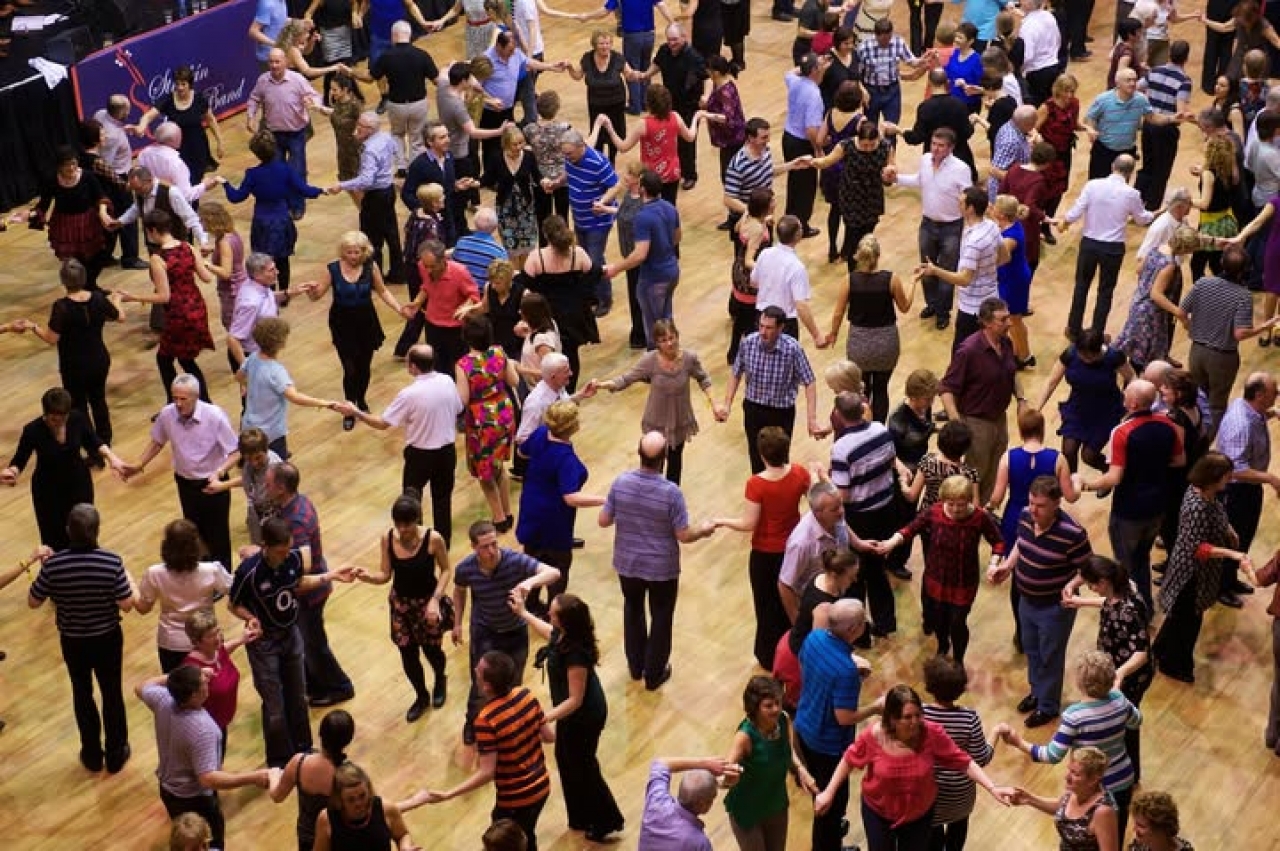


Céilí Mór will send ‘em home sweatin’
It will be a case of all around the house but mind the dresser at a traditional Céilí Mór which...


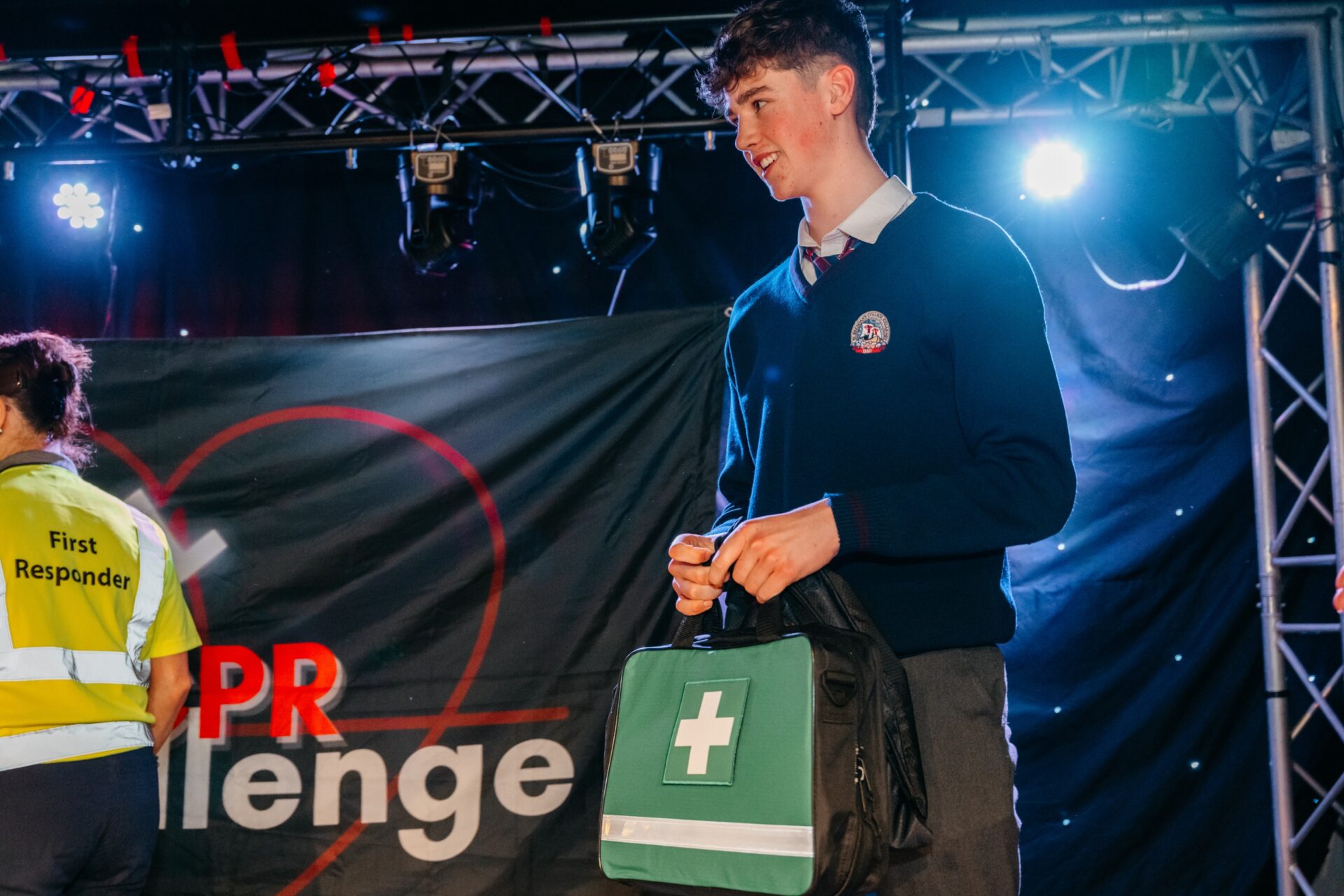
St Brendan’s student Aodhagan O’Sullivan crowned CPR champion
Aodhagan O’Sullivan, a student at St Brendan’s College, Killarney, has been named the 2026 School CPR Challenge Champion. The prestigious...


Cllrs demand meeting with HSE property officials
Killarney councillors are seeking an urgent face-to-face meeting with the HSE to prevent the town’s health infrastructure from falling into...


Maggie’s Montessori supports National Pyjama Day
The usual morning routine was swapped for slippers and dressing gowns at Maggie’s Montessori last Friday as the children took...


Incredible value at Paco warehouse clearance
Paco Clothing is to open a second shop at the Killarney Outlet Centre for March and April – and the...


Fossa Swimmers make a splash at County Finals
The Fossa Swim team pictured at the Tralee Sports Complex following their successful outing at the County Finals of the...


On the Ball Part 2 of the Mikey Daly Interview
Éamonn Fitzgerald EF: Killarney Celtic are invited to participate in an Irish competition. That has big financial implications for travel,...


LUKE MANGAN recently caught up with Kerry FC’s manager, Colin Healy.
He spoke to him about his careers as a player and manager. Here’s how it went: When you began your...


Home cup tie for St Paul’s could be epic
Paudie O’Connor National Cup (Round 1) Utility Trust St Paul’s v GCU Brunell Saturday 7.30pm Killarney Sports and Leisure Centre...


Chances of Kerry v Cork Munster final in 2026 decrease as Munster GAA delay seeding plan
After facing a backlash from Limerick, Clare, Waterford and Tipperary players, Munster GAA have postponed their plan to keep Cork...
