
News
Rare eagles take flight from Norway by plane!

INTO THE WILD: White-tailed Eagles arrived into Kerry Airport from Norway. Photo: Valerie O'Sullivan
A group of young White-tailed Eagles arrived in Kerry Airport last week and have since been released into the wilds of Killarney National Park as part of a long-term project to reintroduce species that were extinct in Ireland.
The White-tailed Eagles were released in Munster by the Department of Culture, Heritage and the Gaeltacht’s National Parks and Wildlife Service (NPWS) as part of a Phase Two project to bolster the small existing breeding population in Ireland.
The mission involved moving the young eagles – who had been monitored for a number of months – from Norway. They were taken to a waiting chartered flight at Trondheim Airport, for transport to Kerry Airport on a journey of four hours 20 minutes.
“This latest operation, under Phase Two of the conservation project, was an incredible team effort between the wildlife personnel both here and in Norway,” said outgoing Minister of Culture, Heritage and the Gaeltacht Josepha Madigan, TD in her last job in the role.
“Thanks to their logistical work, bringing the latest influx of White-tailed Eagles to these shores, the future is positive for the eagle, which had been extinct in Ireland for over a century. The latest conservation intervention cements the work already done in bringing these graceful birds back to our skies, and I would like to express my appreciation for all involved in lending this hand to nature.”
Previously, one hundred young White-tailed Eagles were released in Killarney National Park between 2007 and 2011. Birds from these releases subsequently dispersed widely throughout Ireland with first breeding in 2012 on Lough Derg, County Clare. Since then a small breeding population of eight to 10 pairs have successfully fledged 26 chicks with an additional six chicks likely to fledged into the wild in Munster in the next few weeks.
Some Irish-bred eagles are now reaching maturity and starting to breed in the wild. However, a scientific review of the reintroduction project indicated the small population is still vulnerable to mortality factors such as illegal poisoning and the breeding population was negatively impacted by Avian Influenza in 2018 and storm Hannah in 2019. Thus it was decided to carry out this supplementary release to bolster the existing population.
Farmers helped monitor birds and nests at some sites. The Phase Two release hopes to build on this relationship into the future to ensure that farming and eagles continue to coexist to their mutual benefit.

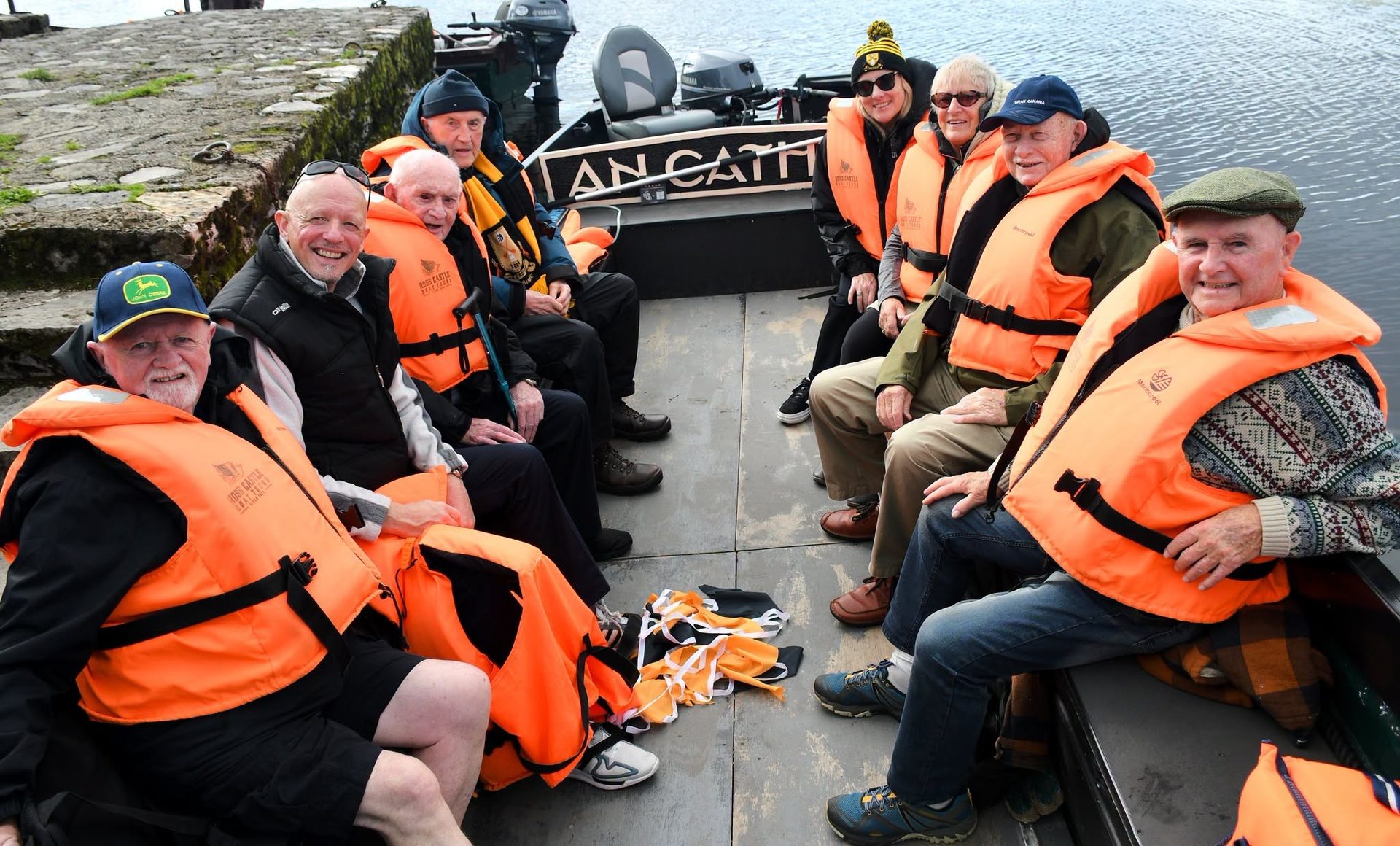
Dr Crokes stalwarts enjoy lake cruise
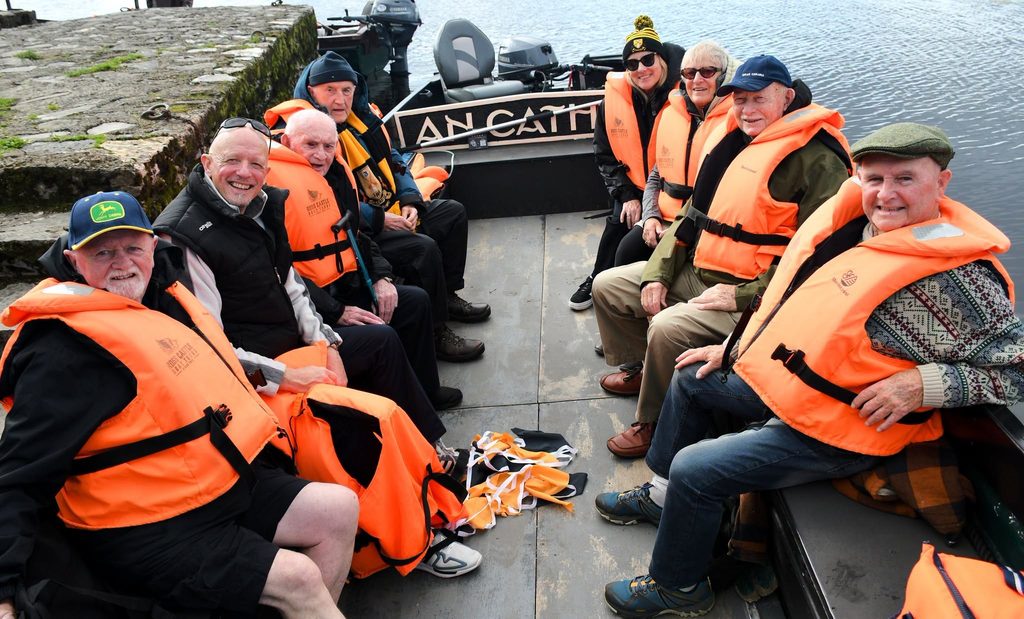
Dr Crokes GAA Club hosted a special day out for its senior members on Monday, this week, taking a group aged between 70 and 90 on a cruise across the Lakes of Killarney.
Organised by the Dr Crokes Healthy Club committee under its Crokes Cruisers initiative, the event was held to recognise the lifetime contribution made by long-standing members who continue to support club activities behind the scenes.
The group travelled on two vessels, including An Cathal, an open boat operated by local brothers Tony and Mike Fleming. Built to preserve the traditional Killarney lake boat style, it is the only purpose-built, fully accessible boat on the lakes, allowing members with mobility issues and wheelchair users to safely join the two-hour trip.
Following the lake tour, the party gathered on shore for coffee and refreshments provided by Derric McMahon and Harry Clifton of the Ross Castle Garden Cafe.
The initiative forms part of the club’s ongoing community work as a Gold Award winner in the GAA Healthy Club programme.

New Streetscapes murals launched at College Square
A colourful collaboration between the Kerry Local Creative Youth Partnership (LCYP) and the Architecture Kerry Festival at Kerry County Council...
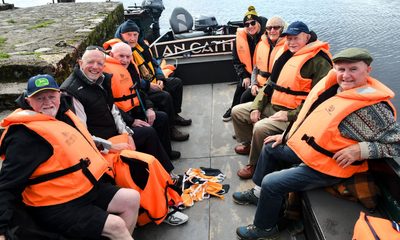

Dr Crokes stalwarts enjoy lake cruise
Dr Crokes stalwarts enjoy lake cruise Dr Crokes GAA Club hosted a special day out for its senior members on...
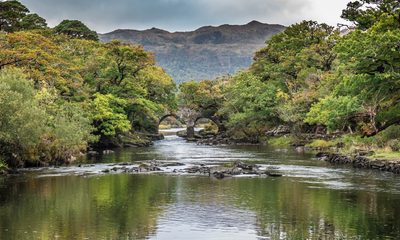

Green light for Torc to Dinis walkway
Green light for Torc Dinis walkway Planning approval has been granted for a long-awaited lakeside walkway and cycleway connecting Torc...
LOCAL GOLD:
LOCAL GOLD: Terrie O’Shea, founder and owner of Killarney-based business Sorella Berries, celebrating her Gold award win at the Blas...
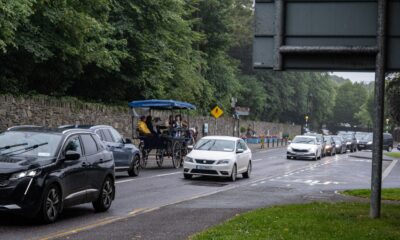

Grady demands Killarney traffic review
Killarney councillor Martin Grady has called for an urgent review of traffic management across the town following severe delays along...
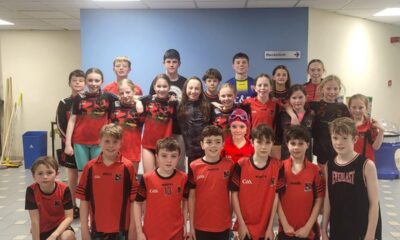

Fossa Swimmers make a splash at County Finals
The Fossa Swim team pictured at the Tralee Sports Complex following their successful outing at the County Finals of the...

On the Ball Part 2 of the Mikey Daly Interview
Éamonn Fitzgerald EF: Killarney Celtic are invited to participate in an Irish competition. That has big financial implications for travel,...

LUKE MANGAN recently caught up with Kerry FC’s manager, Colin Healy.
He spoke to him about his careers as a player and manager. Here’s how it went: When you began your...


Home cup tie for St Paul’s could be epic
Paudie O’Connor National Cup (Round 1) Utility Trust St Paul’s v GCU Brunell Saturday 7.30pm Killarney Sports and Leisure Centre...


Chances of Kerry v Cork Munster final in 2026 decrease as Munster GAA delay seeding plan
After facing a backlash from Limerick, Clare, Waterford and Tipperary players, Munster GAA have postponed their plan to keep Cork...
