
News
“Park resources are at their lowest ever level”

A
A small number of politicians have been angry with me over last week’s column on the shameful state of the Blue Pool and particularly on my questioning their lack of thought and of not taking the National Park seriously. Yet the National Park is “a disgrace”, one concedes
I am glad they are angry, because if they are angry maybe they will get together and apart from wound the messenger, do something by way of united lobbying and serious strategic thinking.
While one or two local councillors may join a “meitheal” in cutting rhododendron, and much credit to them they do, this is not strategic or serious thinking for the National Park.
Killarney Nature Conservation and the Greens and other volunteers did exactly this three decades ago, before it was called a meitheal.
But whatever it is called, cutting a piece of rhododendron and poisoning it here and there is a skirmish, it is not the battle and it is only a part skirmish of part of the battle. Such attacks did not work 33 years ago, and they won’t adequately answer the problem now.
What needs to be done? Maybe we need to examine what it is we understand by ‘National Park’?
The way it emerges in the public forum is very strange. The park is where deer run out from woods in the dark of night onto the path of innocent motorists, where ticks reside, lurking under fern bringing the debilitating Lyme disease, where the army needs to be called in to tackle the rhododendron, where planning is restrained for one-off houses, where people get lost, are knocked down by cyclists, break legs, and need to be rescued.
In other words, the Killarney National Park in the public forum, even in Áras and Chontae Tralee, is problematic – sometimes it strikes me that it is being viewed like the threatening dark forest in the European imagination.
Then there is the Fáilte Ireland image that everything is perfect. The truth lies elsewhere. The real story within the park is that resources are at their lowest ever level.
It is now, of course, quite conveniently being allowed back to nature – let run wild, based on some laissez faire and skewed interpretation of conservation that things are not to be touched. Trees that fell in 2010 alongside walkways remain where they fell, rotting and ugly; wooden bridges disintegrate and are not repaired; deer are over-running what is left of the yew and oak forests; what remains of the forest floor is eaten by sheep; river beds are not dredged or cleared of weed; deer fencing cannot be put up on roads because it would interfere with the deer.
This is just plain neglect. It is cockamamie for not having a plan, for not being bothered to come up with one, for not investing or lobbying for manpower, and for pretending to understand conservation.
Yet the vast majority of Killarney people have a deep connection with the park, and understand instinctively what it is and what it should be. To them the park is Killarney’s unique and ethereal beauty, a place of pleasure once confined but now available to all.
They understand the National Park is a place that encourages reflection and awe - but it is also a place to be managed.
It is therefore beyond belief that no national politician claiming to represent this town grasps the fundamental importance of the National Park for the people of Killarney and makes it a priority.
Perhaps this says as much about politicians, who are meant to be our legislators, as it does about the state of the park.
There is in fact an act, the 1932 Bourne Vincent Memorial Park Act, to accept the “gift” of the Muckross Estate which obliges the Commissioners for Public Works and the minister responsible to manage and maintain it properly “for the general purpose of the recreation and the enjoyment of the public”.
Section 12 of that 1932 legislation specifies “all works necessary” for the proper maintenance and management of the park for the public enjoyment. This includes the employment of enough personnel such as “water bailiffs and game keepers and workmen”.
So, if the walkways in the Blue Pool are not manageable, if the forests are neglected and endangered, if the deer over-run, is it enough for our TDs and senators to put down odd questions? Should our legislators, who include now a minister, not be pursuing a breach of primary legislation on behalf of the people of Killarney? Should they not be urged to do so by local councillors?
It says a lot that if two landlords managed it for hundreds of years the new Ireland, turning away billions in tax from Apple, and coming down with politicians and public servants, can’t.
A month in the park might help after all…

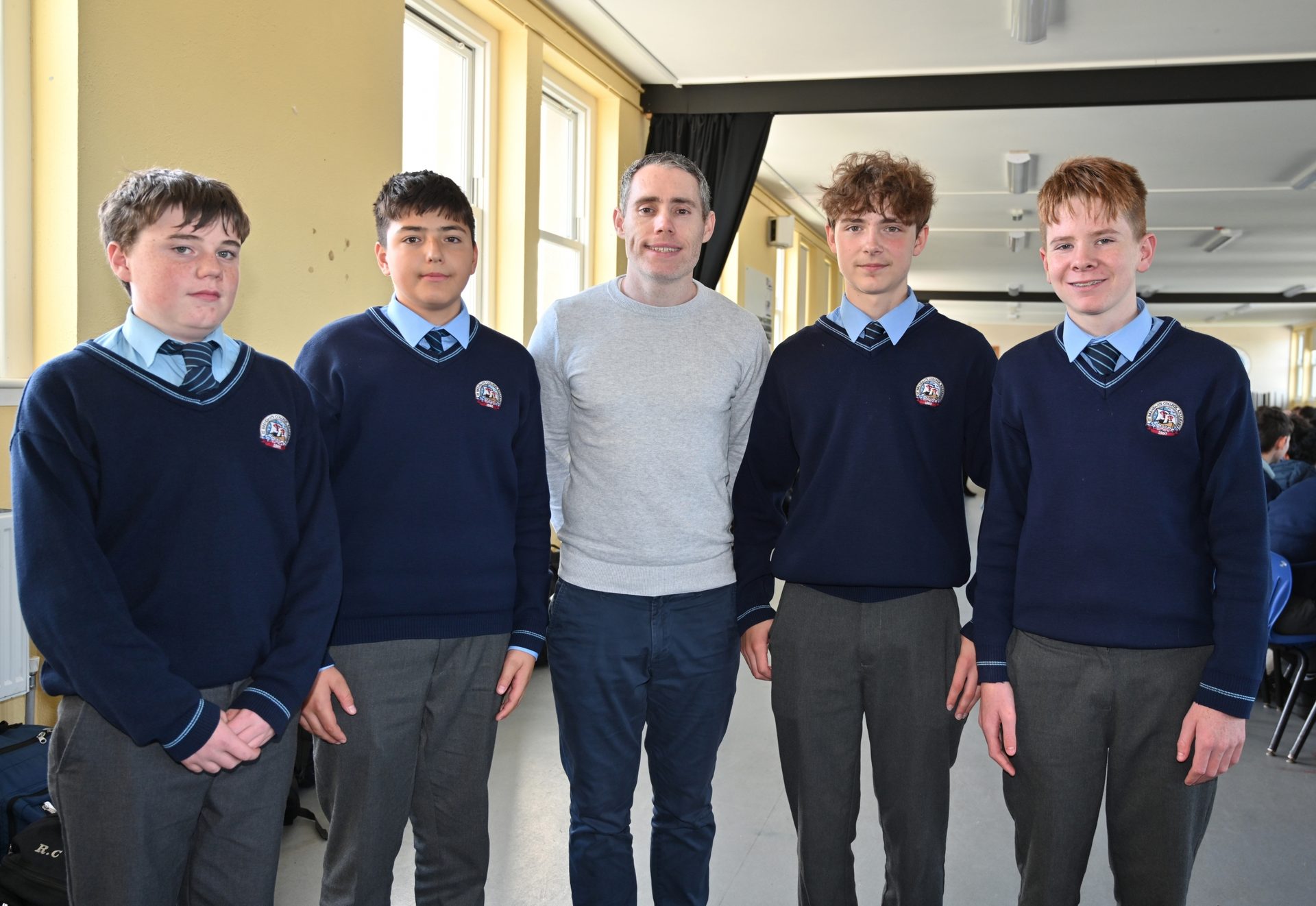
Paralympic legend Jason Smyth visits St Brendan’s
World renowned Paralympian and world record holder Jason Smyth paid a visit to St Brendan’s College on Wednesday afternoon as part of a high profile visit to Killarney.
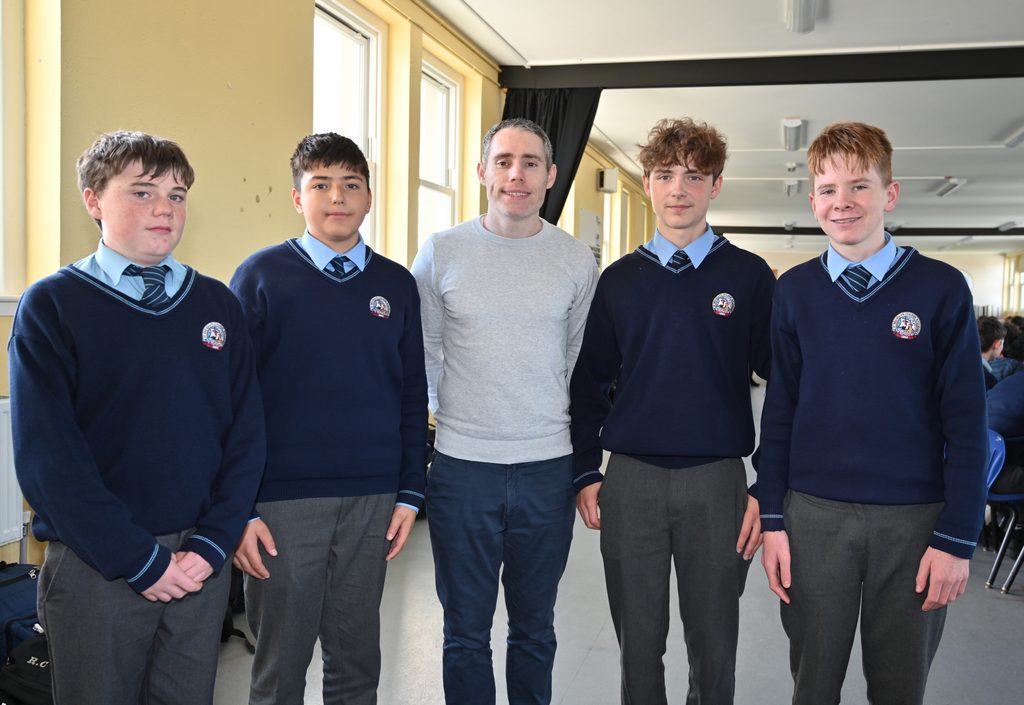
The six time Paralympic gold medallist spoke to second year students from St Brendan’s College, alongside students from neighbouring schools St Brigid’s Presentation Secondary School and Killarney Community College.
The interactive talk and interview took place ahead of World Sight Day, with the legendary sprinter sharing his personal journey with Stargardt disease, a genetic eye condition that left him legally blind at eight years old.
The Derry native, who holds the world record as the fastest Paralympian on earth over 100 metres, offered inspiring insights into overcoming physical adversity and achieving success at the highest level of world sport.
The school visit formed the opening leg of his Killarney schedule before he took centre stage later on Wednesday evening at The Killarney Plaza Hotel & Spa.
Smyth headlined An Evening with Paralympian Jason Smyth, an event organised by the Killarney Chamber of Tourism and Commerce as part of its winter schedule, sponsored by AIB.

Paralympic legend Jason Smyth visits St Brendan’s
Paralympic legend Jason Smyth visits St Brendan’s World renowned Paralympian and world record holder Jason Smyth paid a visit to...
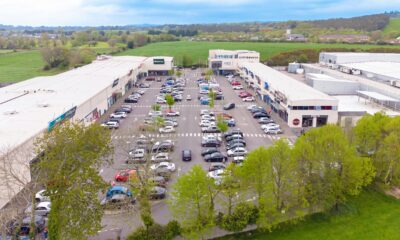

Deerpark Retail Park placed on market for fifteen million euro
Deerpark Retail Park in Killarney has officially been placed on the market with a guide price in excess of 15.4...
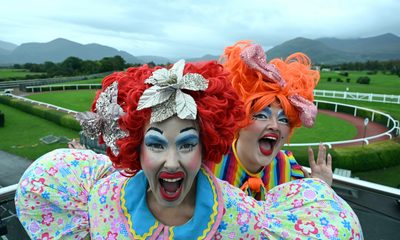

Killarney Racecourse to host first professional festive pantomime
Killarney Racecourse to host first professional festive pantomime A classic fairytale is set to receive a distinct Kerry makeover this festive...
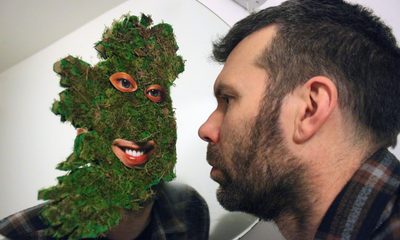

Kerry artist explores identity at ANAM
Kerry artist explores identity at ANAM Kerry artist Felix Power is inviting the Killarney community to explore personal ideas of...


Town encouraged to wear bright colours for Kevin
Town encouraged to wear bright colours for Kevin The town of Killarney was encouraged to wear its brightest colours this...
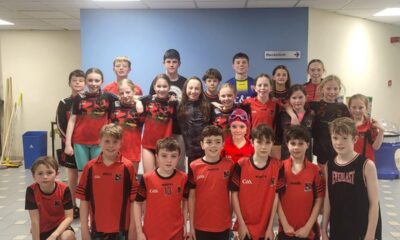

Fossa Swimmers make a splash at County Finals
The Fossa Swim team pictured at the Tralee Sports Complex following their successful outing at the County Finals of the...

On the Ball Part 2 of the Mikey Daly Interview
Éamonn Fitzgerald EF: Killarney Celtic are invited to participate in an Irish competition. That has big financial implications for travel,...

LUKE MANGAN recently caught up with Kerry FC’s manager, Colin Healy.
He spoke to him about his careers as a player and manager. Here’s how it went: When you began your...


Home cup tie for St Paul’s could be epic
Paudie O’Connor National Cup (Round 1) Utility Trust St Paul’s v GCU Brunell Saturday 7.30pm Killarney Sports and Leisure Centre...


Chances of Kerry v Cork Munster final in 2026 decrease as Munster GAA delay seeding plan
After facing a backlash from Limerick, Clare, Waterford and Tipperary players, Munster GAA have postponed their plan to keep Cork...
