
News
Opinion: Silent majority needs to stand up and call out far-right hate


By Chris Davies
Last Friday’s Dublin Riots should not have come as a surprise to anyone. It has been bubbling under the surface of Irish society for a good number of years now. The actions of a small minority last week was a culmination of years of racism, hatred and misinformation shared online by far-right groups.
Late on Friday night a disturbing WhatsApp voice note was doing the rounds on social media where a far-right actor could clearly be heard encouraging violence on the streets of Dublin.
“'Seven o'clock, be in town. Everyone bally up, tool up…Any foreigner, just kill them”
Watching the Riots unfold on social media brought me back to when I was working in Dublin a number of years back. My morning commute from Skerries to the city centre involved a dart to Connolly Station followed by a short trip on the Luas to the Jervis. Every week, without fail, I would witness at least one racial slur or attack on someone who didn’t fit the narrow minded view of what an Irish person should look, dress or talk like. I don’t know if it is the eerie silence of public transport that seems to amplify the situation, but that’s where I found it to be most common. The abuse was usually perpetrated by a group of youths or someone who was clearly under the influence of drink or drugs. The victims were always of colour, often dressed smartly enough to presume they were on their way, or coming from work. A far cry from the perpetrators who you could tell were roaming aimlessly around the city looking for trouble.
While shameful to admit, I would often look on and watch the abuse unfold, only to spend the rest of my work day thinking about the poor person who was told to “F*&K off back to your own country”. I would sit at my desk questioning why I didn’t step in and say something. There were one or two occasions where I did step in and call it out, but not nearly often enough.
This disgusting behaviour is much more visible in our cities. Since moving back to Killarney I wouldn’t witness as much direct abuse on the streets but working with the Killarney Advertiser I would be tuned in to local news and some of the comments I read on our social platforms are far worse than anything I witnessed during my time in Dublin.
There is a significant group of people in Ireland that I would call the ‘silent majority’. We are not as outspoken on issues we care about. We tend to observe and consume the news quietly, and only speak of our support or disgust on certain issues in close circles, too afraid we might offend someone. The problem with this is that we are leaving these far-right groups unchallenged, to become louder, more aggressive and more hostile as seen last week.
The past week Sinn Fein and the Social Democrats have been busy in the media expressing no confidence in Justice Minister Helen McEntee and Garda Commissioner Drew Harris but I would suggest that there is a large percentage of the Irish population that bears some of the responsibility. We witness racism in our communities and online every day and we need to start speaking up and calling it out.
On the issue of immigration in Killarney, there is no doubt resources are being stretched and our tourism industry is suffering as a result of an influx of immigration. Locals have also raised concerns in relation to the placement of so many male international protection applicants in one setting and we only have to look back on the incident in Hotel Killarney last year where a number of men were involved in a harrowing stabbing incident to see how that played out.
However, being concerned around immigration is not the same as anti-immigration. It is important to raise these issues with local representatives and Kerry TD’s but also to separate ourselves from far-right groups who are only interested in encouraging violence.
The anarchy we witnessed last week should never be the answer and research shows it is completely unnecessary. Harvard University have looked at hundreds of protests over the last century, and found that non-violent campaigns are twice as likely to achieve their goals as violent campaigns and that it only takes around 3.5% of the population actively participating in the protests to ensure serious political change.
Let's continue to protest peacefully for issues we believe in, but stand up and speak out against people and movements in our community that incite hate and violence.
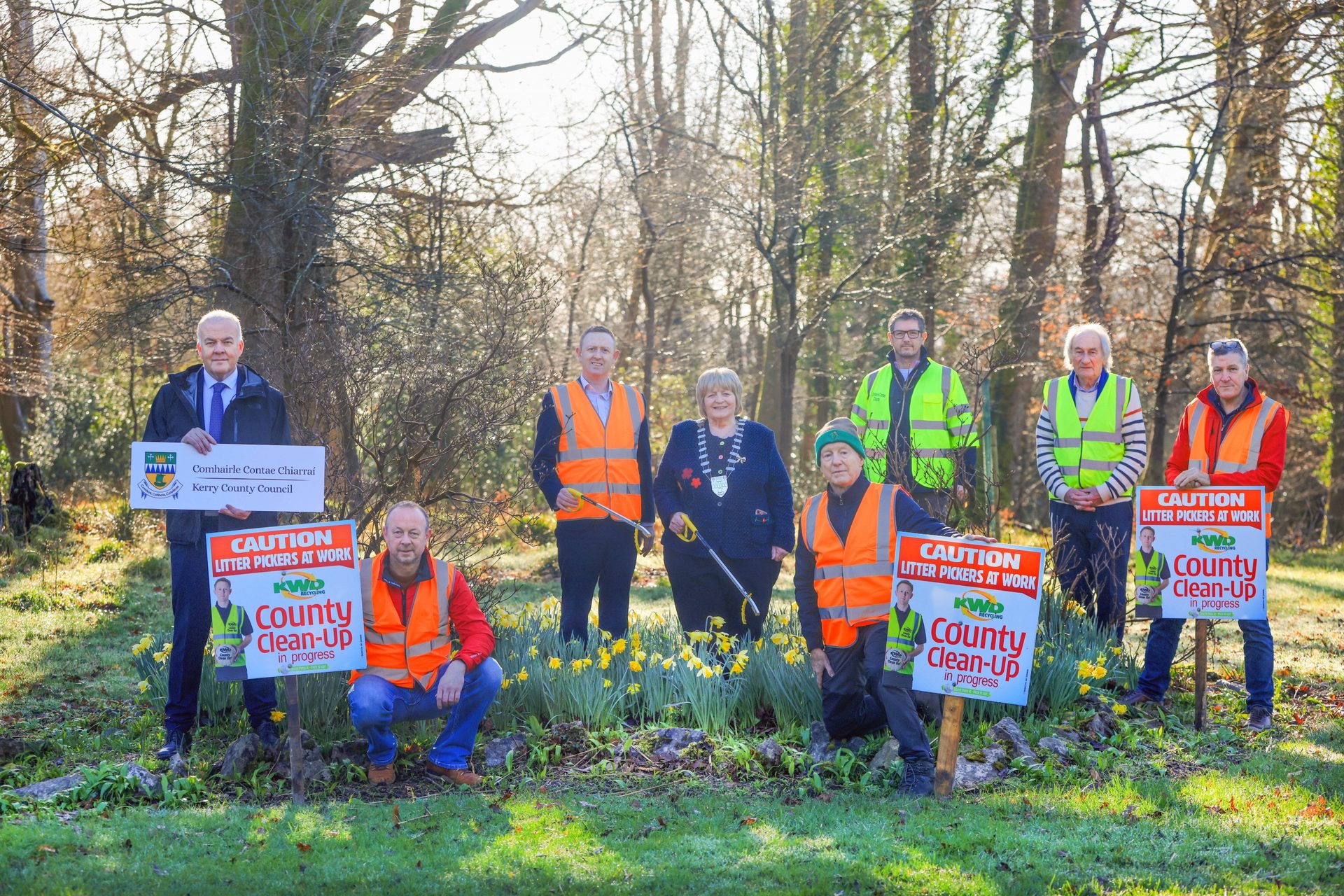
KWD Recycling shortlisted for national environmental awards
Killarney-based KWD Recycling has been announced as a finalist in the 2026 Repak Resource Awards, securing a spot on the national shortlist for environmental achievement.
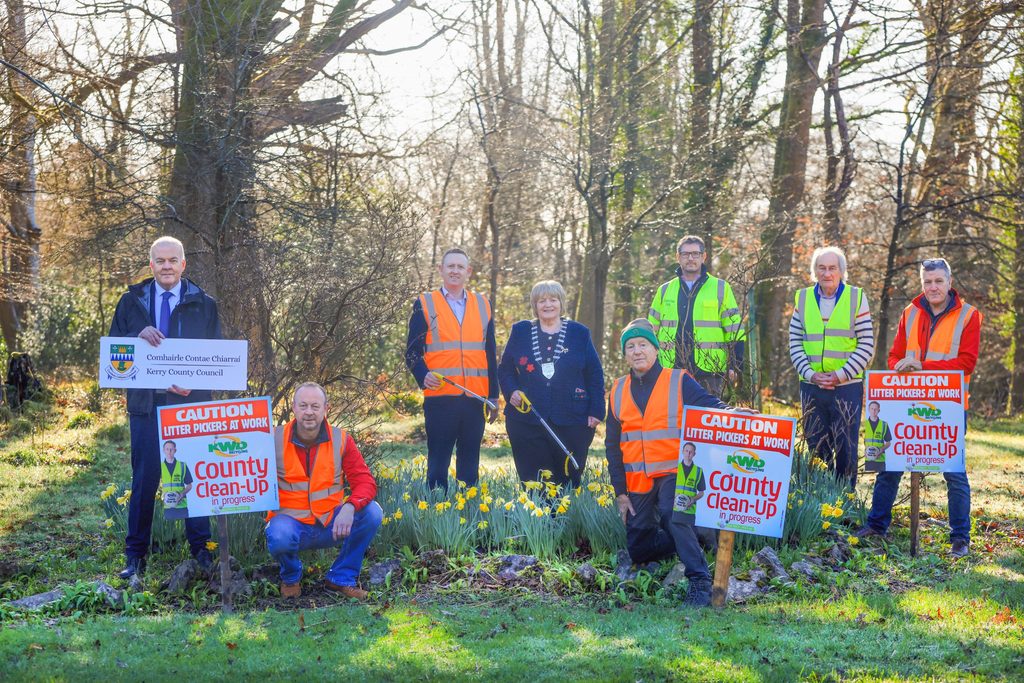
The local waste management company has been nominated in the Best Recovery Operator Innovation category, sponsored by DNV, for its state-of-the-art residual waste recovery system.
The Killarney facility utilizes optical sorting, screening, and mechanical processing to extract recyclable plastics and organic material from municipal waste. In its first year of operation, the technology recovered more than 10 per cent of plastic packaging from residual waste for recycling and diverted almost 50 per cent of organic material toward composting.
KWD Recycling will compete alongside Dublin operators Panda and Thorntons Recycling for the category title.
Repak CEO Zoe Kavanagh commended the Kerry firm for demonstrating environmental leadership and bringing local ambition to the national awards.
Category winners will be announced at a black-tie ceremony at the Mansion House in Dublin on Friday, October 23, where each winner will also compete for the Overall Repak Resource Award.
Local businesses have a strong track record at the national event, with Killarney town venue The Killarney Park and The Ross previously taking home the overall title in 2023.
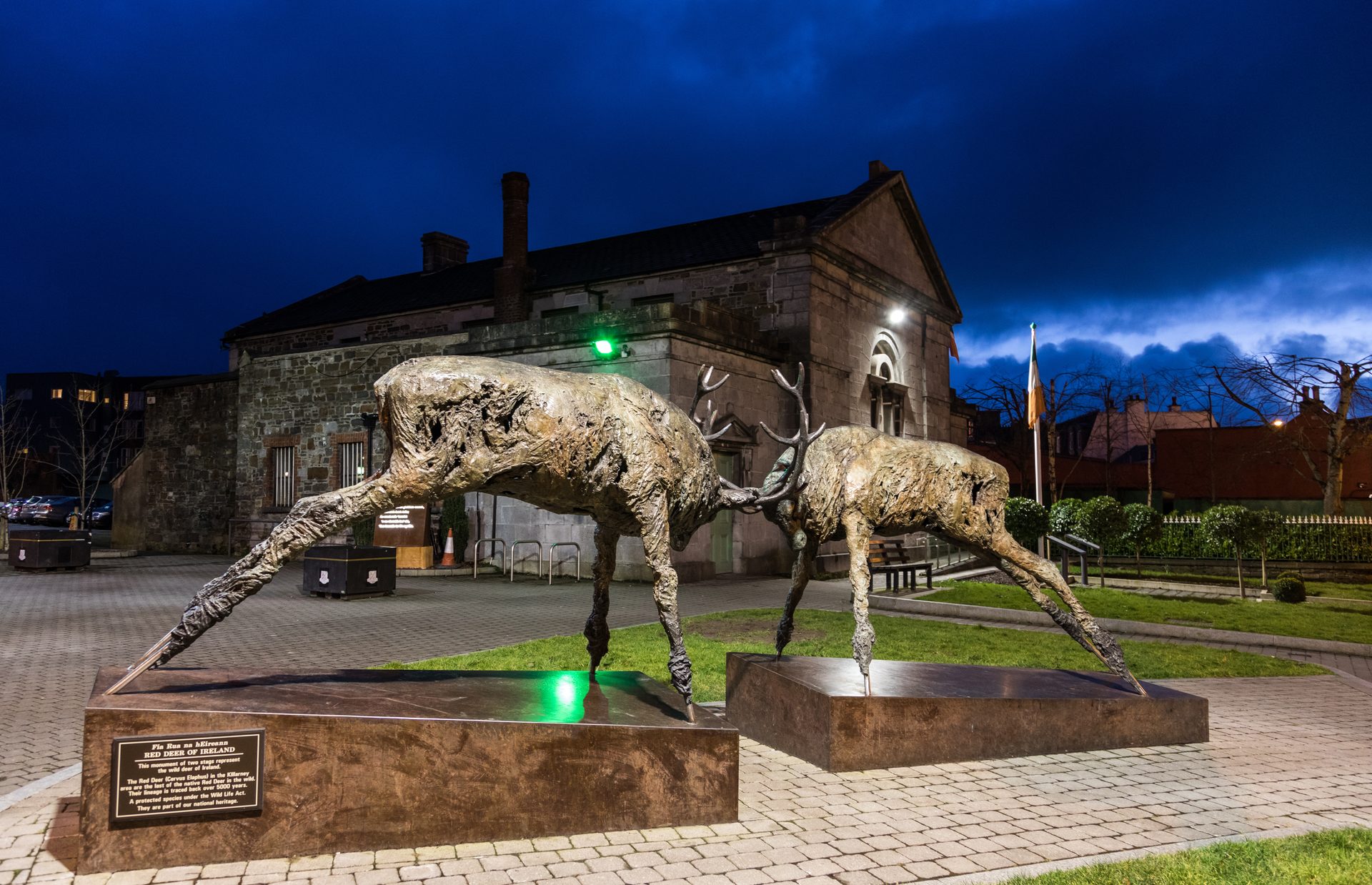
Drivers warned as deer rutting season begins
Motorists in Killarney are being urged to exercise extreme caution as the annual deer rutting season gets underway, causing animals to stray far beyond their usual habitats inside Killarney National Park.
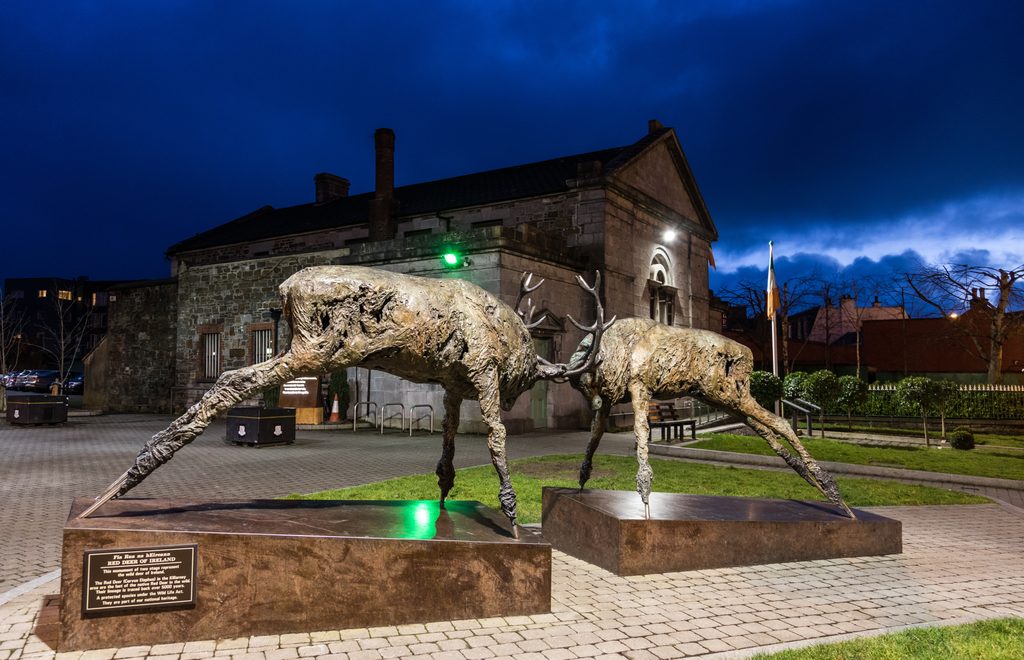
The autumn mating season sees deer becoming highly active and unpredictable, leading to increased sightings and collisions on local roads outside traditional park boundaries.
Two separate incidents highlighted the growing hazard on local routes this week. A reader contacted the Killarney Advertiser to warn drivers after spotting a deer roaming near Tiernaboul towards the school on Sunday afternoon around 7.30pm.
Later that same night, in the early hours of Monday morning, a local driver collided with a deer near Kerry Airport around 1am while returning home from an event.
Despite attempting evasive action, the motorist struck the animal, which died at the scene and temporarily blocked the road before local Gardaí were alerted to clear the obstruction.
The driver sustained substantial vehicle damage, requiring repairs to the bumper, headlamp, and internal components, leaving her facing significant garage costs and time off the road.
Gardaí and road safety advocates advise motorists travelLing during early morning and late evening and remain vigilant along tree-lined routes.

KWD Recycling shortlisted for national environmental awards
KWD Recycling shortlisted for national environmental awards Killarney-based KWD Recycling has been announced as a finalist in the 2026 Repak...
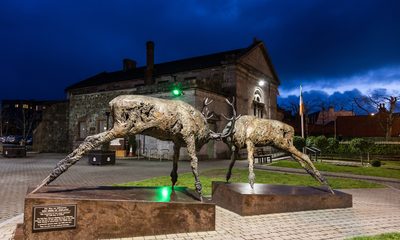

Drivers warned as deer rutting season begins
Drivers warned as deer rutting season begins Motorists in Killarney are being urged to exercise extreme caution as the annual...

Kerry Airport CEO addresses chamber luncheon
Kerry Airport chief executive Adrian Neilan addressed local business leaders at the Killarney Chamber of Tourism and Commerce luncheon at...
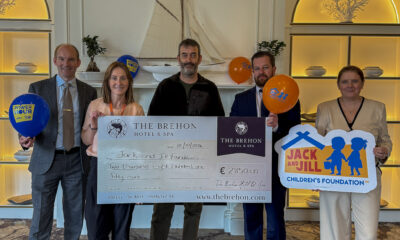

The Brehon raises €2,850 for Jack and Jill Foundation
The Brehon Hotel and Spa raised €2,850 for the Jack and Jill Children’s Foundation after hosting a closest-to-the-pin golf simulator...
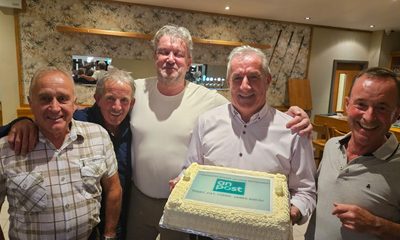

Five local postmen retire with 185 years service
Five local postmen retire with 185 years service RETIREMENT NIGHT: Pictured at the retirement party held at Killarney Racecourse on...
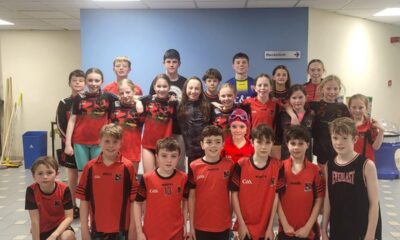

Fossa Swimmers make a splash at County Finals
The Fossa Swim team pictured at the Tralee Sports Complex following their successful outing at the County Finals of the...
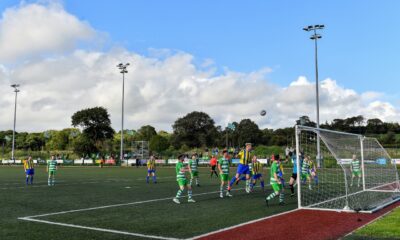

On the Ball Part 2 of the Mikey Daly Interview
Éamonn Fitzgerald EF: Killarney Celtic are invited to participate in an Irish competition. That has big financial implications for travel,...


LUKE MANGAN recently caught up with Kerry FC’s manager, Colin Healy.
He spoke to him about his careers as a player and manager. Here’s how it went: When you began your...


Home cup tie for St Paul’s could be epic
Paudie O’Connor National Cup (Round 1) Utility Trust St Paul’s v GCU Brunell Saturday 7.30pm Killarney Sports and Leisure Centre...


Chances of Kerry v Cork Munster final in 2026 decrease as Munster GAA delay seeding plan
After facing a backlash from Limerick, Clare, Waterford and Tipperary players, Munster GAA have postponed their plan to keep Cork...
