News
New App links the new with the old

NEW APP: A new innovative App, showcasing the heritage and folklore of the Kerry Way walking route, has been launched by EU Agriculture Commissioner Phil Hogan at Muckross School House, Killarney. Included are: Mike Morris (Secretary Béaloideas Chiarraí), Séan De Buitléar (COLLOBOR8 South Kerry Development Partnership). Back from left were: Keith Doran (Audio/IT), Frank Hayes (Kerry Group), Johnny O’Connor (Chairman Béaloideas Chiarraí), Moira Murrell (KCC), Noel Spillane (CEO SKDP), MEP Sean Kelly, Kieran Barr (Assistant Principal Officer DEASP) and Gail McCarthy (Assistant Principal Officer DEASP). Photo: Valerie O’Sullivan
The link between modern technology and the old stories of long ago have been brought together with the launch of an innovative App.
The free App, which showcases the heritage and folklore of the Kerry Way walking route, was launched in Muckross School House, Killarney, by EU Agriculture Commissioner, Phil Hogan.
Developed by Béaloideas Chiarraí/Kerry Folklore, the App identifies particular points of interests for walkers along the route as well as enabling them listen to local people tell stories of the area down through the years. It’s available in six languages including Irish and covers the whole of the Kerry Way route in nine stages over its 200km route.
Funding for the project was provided through the LEADER programme with match funding from Kerry Group, with the initial App and the first stage of the project being developed with funding through the INTERREG programme, again with support from Kerry Group.
“This App is a wonderful asset for the area and will enable people who visit the region the chance to get a unique sense of place experience,” Commissioner Hogan said.
The App will now help to make people aware of special sites as they pass by them as well as informing them, through the voices of the locals, as to how life was and is in the region, Commissioner Hogan added.
Kerry Folklore Committee Chairman, Johnny O’Connor, thanked all those involved in the development of the App over the last couple of years, especially the funders and the people who provided information and recorded stories for the project including coordinator Una Cosgrave-Hanley.
“Our aim in developing this App was to showcase the rich and diverse heritage and folklore that exists in South Kerry to visitors to the region, particularly the walkers who come in their thousands to experience the Kerry Way,” he said.

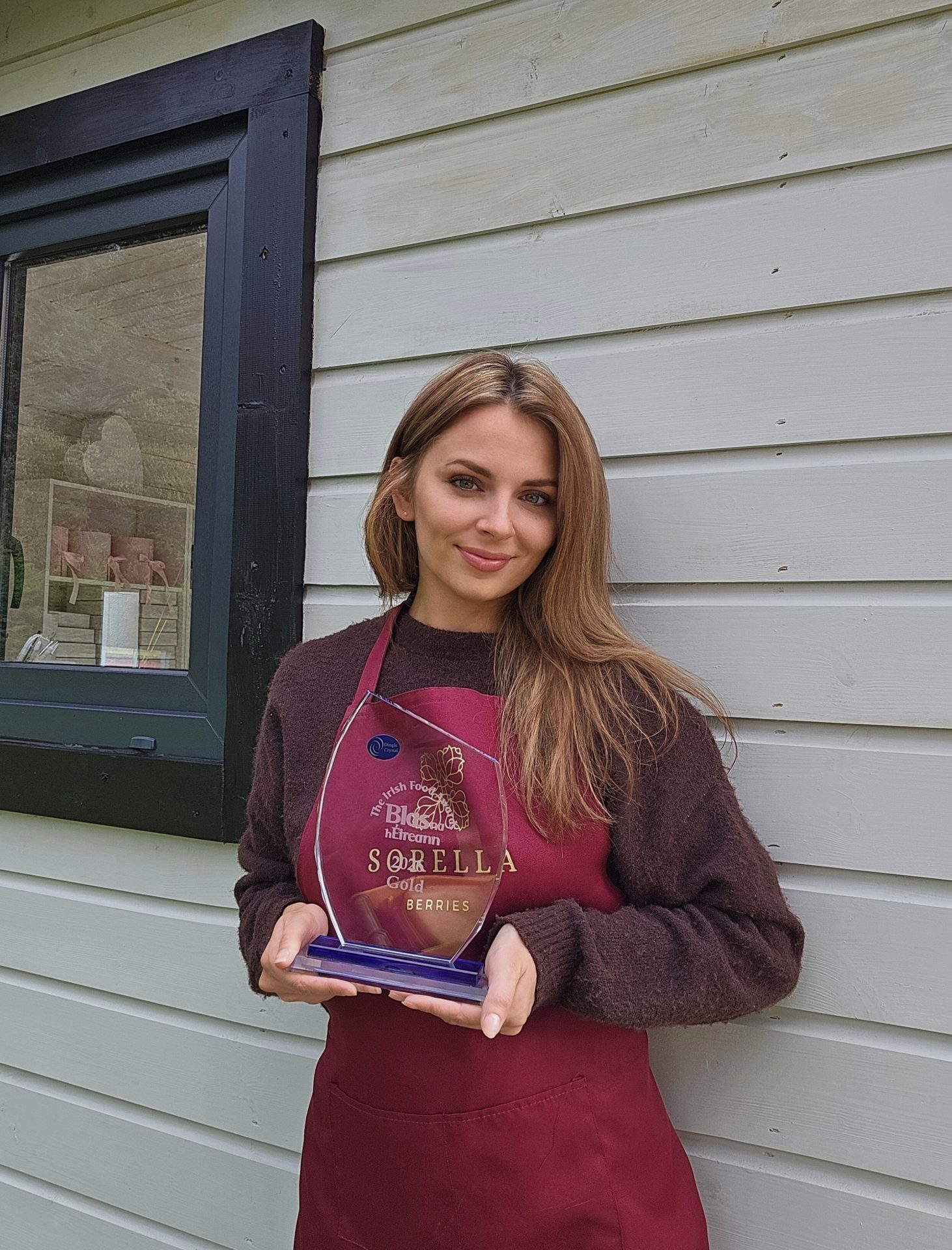
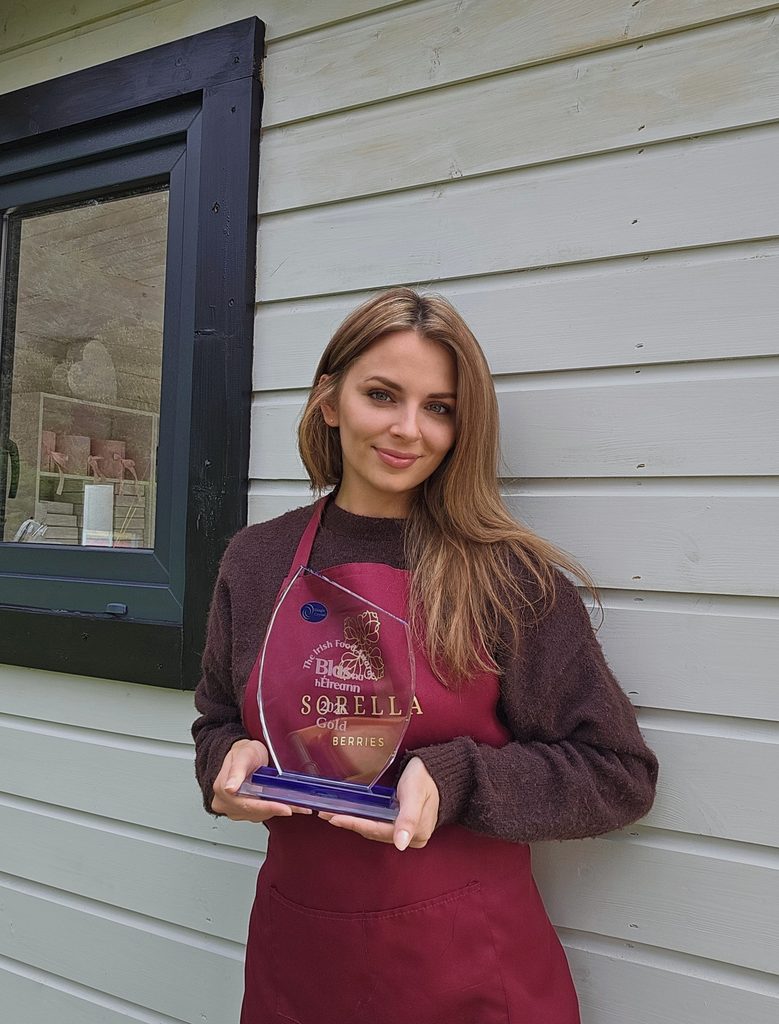
LOCAL GOLD: Terrie O’Shea, founder and owner of Killarney-based business Sorella Berries, celebrating her Gold award win at the Blas na hÉireann Irish Food Awards held in Dingle last week. Her hand-crafted chocolate covered strawberries secured the top spot in national competition, earning recognition for the local food producer on the national stage.
LOCAL GOLD:
LOCAL GOLD: Terrie O’Shea, founder and owner of Killarney-based business Sorella Berries, celebrating her Gold award win at the Blas...


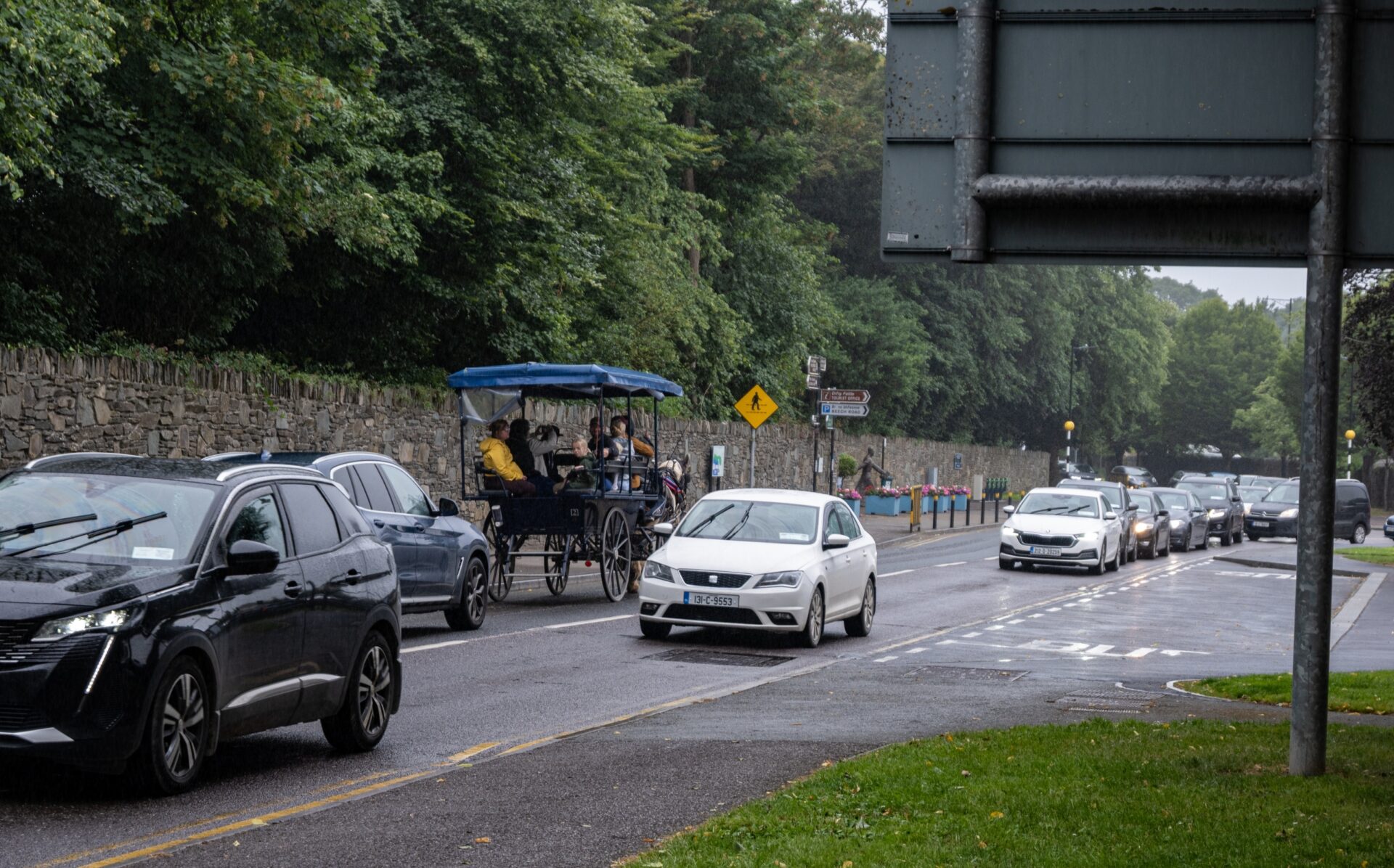
Grady demands Killarney traffic review
Killarney councillor Martin Grady has called for an urgent review of traffic management across the town following severe delays along...
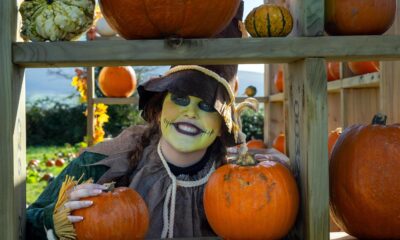

Killarney Pumpkin Farm returns for Halloween
The annual event is in its sixth year and caters to people of all ages. The farm is located in...


Killarney Toastmasters host special open night
Killarney Toastmasters is inviting members of the local community to an open night at the Dromhall Hotel on Muckross Road...
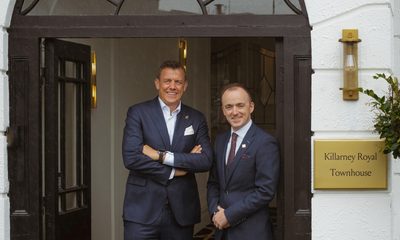

Killarney hotels achieve top global rankings in Readers’ Choice Awards
Killarney hotels achieve top global rankings in Readers’ Choice Awards Two leading Killarney hotels are celebrating major international accolades following...
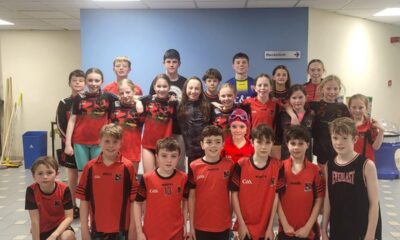

Fossa Swimmers make a splash at County Finals
The Fossa Swim team pictured at the Tralee Sports Complex following their successful outing at the County Finals of the...
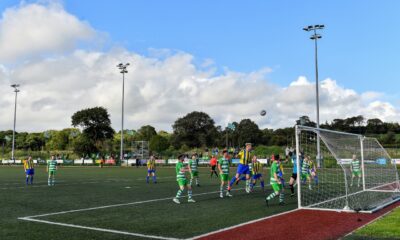

On the Ball Part 2 of the Mikey Daly Interview
Éamonn Fitzgerald EF: Killarney Celtic are invited to participate in an Irish competition. That has big financial implications for travel,...
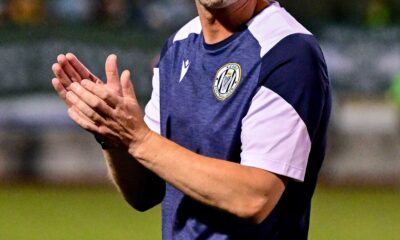

LUKE MANGAN recently caught up with Kerry FC’s manager, Colin Healy.
He spoke to him about his careers as a player and manager. Here’s how it went: When you began your...


Home cup tie for St Paul’s could be epic
Paudie O’Connor National Cup (Round 1) Utility Trust St Paul’s v GCU Brunell Saturday 7.30pm Killarney Sports and Leisure Centre...


Chances of Kerry v Cork Munster final in 2026 decrease as Munster GAA delay seeding plan
After facing a backlash from Limerick, Clare, Waterford and Tipperary players, Munster GAA have postponed their plan to keep Cork...