News
Mountain bike track has potential to be best in Europe

&
By Sean Moriarty
A new downhill mountain bike track in Glenflesk has the potential to be the best in Europe - and could attract some of the biggest competitions in the world.
Shronaboy Farm hosted the Munster Downhill Championships last Sunday.
And although it has hosted several non-timed events in the past it was the first time that the venue hosted an event sanctioned by Cycling Ireland.
The track, which needs additional funding to bring it in to line with similar championship quality courses in Europe, is about half completed.
Sunday’s event attracted just over 80 entries, but site operators believe that this could double if they could complete the track works and add in shower facilities and car parking.
“Our plan would be to attract the big European competitions,” site owner Con O’Donoghue said. “But it is all down to funding. Sunday’s event was our big advert and judging by the comments I heard after, we have a good thing. Last Sunday was fierce successful and we have another major event in September.”
The current track was developed with the help of local downhill mountain biking enthusiasts but O’Donoghue says he needs to double the amount of development at the venue to bring it up to Cycling Ireland and UCI (world governing body) standards.
Local mountain biking competitor Rob Duggan has spent the last week as a spectator at the world mountain biking championships in Les Gets in France.
He says the local track has huge potential but it will take an incredible amount of work to bring it up to Les Gets’ standards.
“In time to come it will be very good,” he told the Killarney Advertiser. “It could progress to be something huge. Les Gets is a ski resort in the winter and they use it for the bikes in the summer, so they have proper lifts to get the bikes to the top.”
Shronaboy currently uses jeeps and trailers to bring competitors to start line at the top.


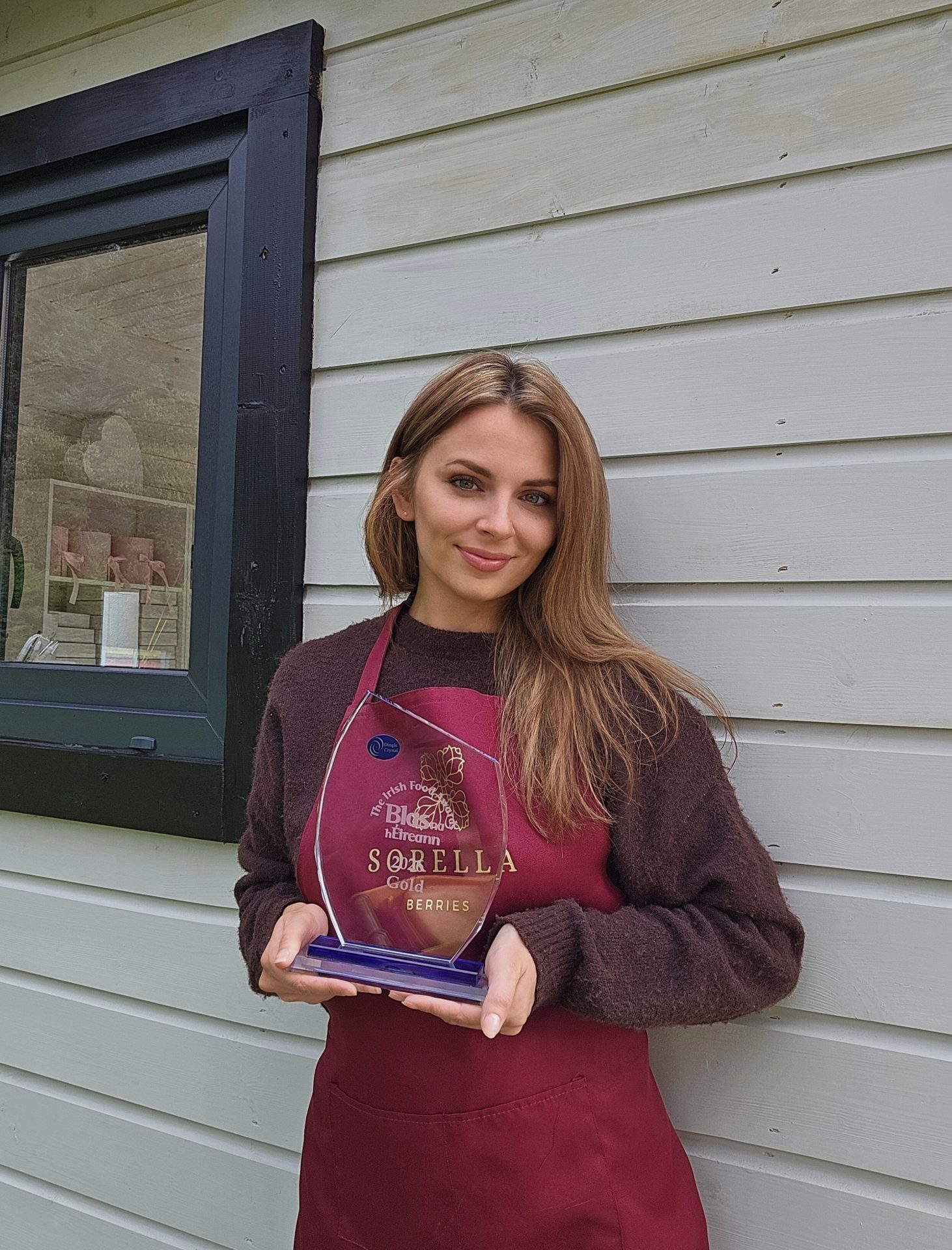
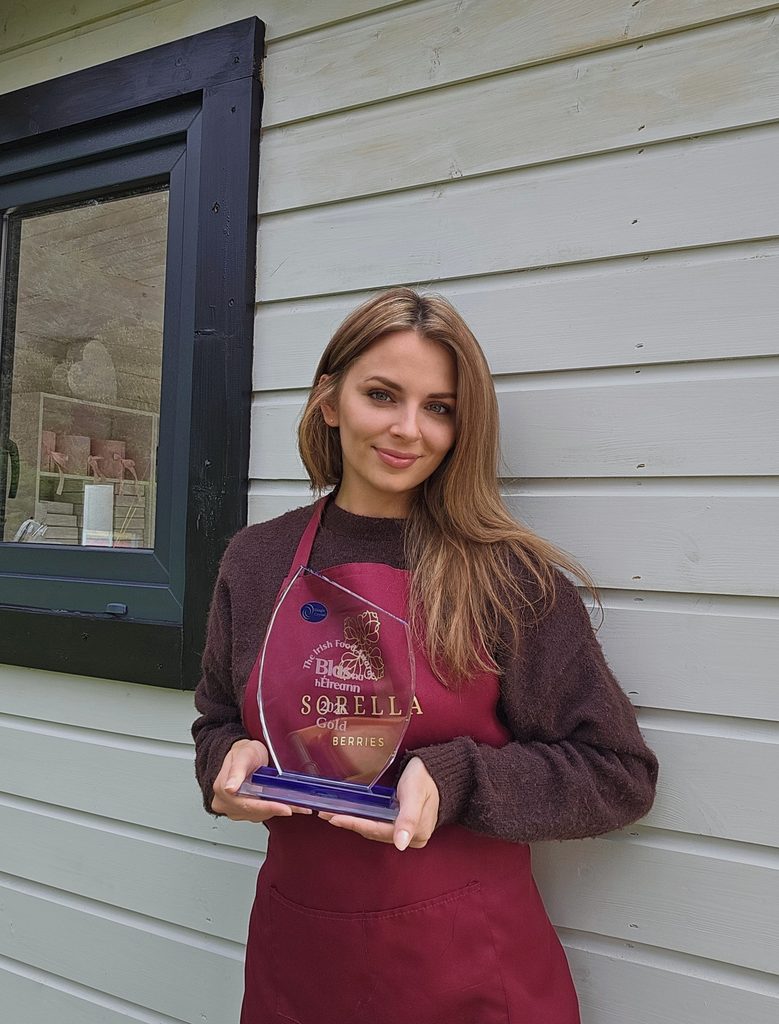
LOCAL GOLD: Terrie O’Shea, founder and owner of Killarney-based business Sorella Berries, celebrating her Gold award win at the Blas na hÉireann Irish Food Awards held in Dingle last week. Her hand-crafted chocolate covered strawberries secured the top spot in national competition, earning recognition for the local food producer on the national stage.
LOCAL GOLD:
LOCAL GOLD: Terrie O’Shea, founder and owner of Killarney-based business Sorella Berries, celebrating her Gold award win at the Blas...

Grady demands Killarney traffic review
Killarney councillor Martin Grady has called for an urgent review of traffic management across the town following severe delays along...

Killarney Pumpkin Farm returns for Halloween
The annual event is in its sixth year and caters to people of all ages. The farm is located in...

Killarney Toastmasters host special open night
Killarney Toastmasters is inviting members of the local community to an open night at the Dromhall Hotel on Muckross Road...


Killarney hotels achieve top global rankings in Readers’ Choice Awards
Killarney hotels achieve top global rankings in Readers’ Choice Awards Two leading Killarney hotels are celebrating major international accolades following...

Fossa Swimmers make a splash at County Finals
The Fossa Swim team pictured at the Tralee Sports Complex following their successful outing at the County Finals of the...

On the Ball Part 2 of the Mikey Daly Interview
Éamonn Fitzgerald EF: Killarney Celtic are invited to participate in an Irish competition. That has big financial implications for travel,...


LUKE MANGAN recently caught up with Kerry FC’s manager, Colin Healy.
He spoke to him about his careers as a player and manager. Here’s how it went: When you began your...

Home cup tie for St Paul’s could be epic
Paudie O’Connor National Cup (Round 1) Utility Trust St Paul’s v GCU Brunell Saturday 7.30pm Killarney Sports and Leisure Centre...


Chances of Kerry v Cork Munster final in 2026 decrease as Munster GAA delay seeding plan
After facing a backlash from Limerick, Clare, Waterford and Tipperary players, Munster GAA have postponed their plan to keep Cork...